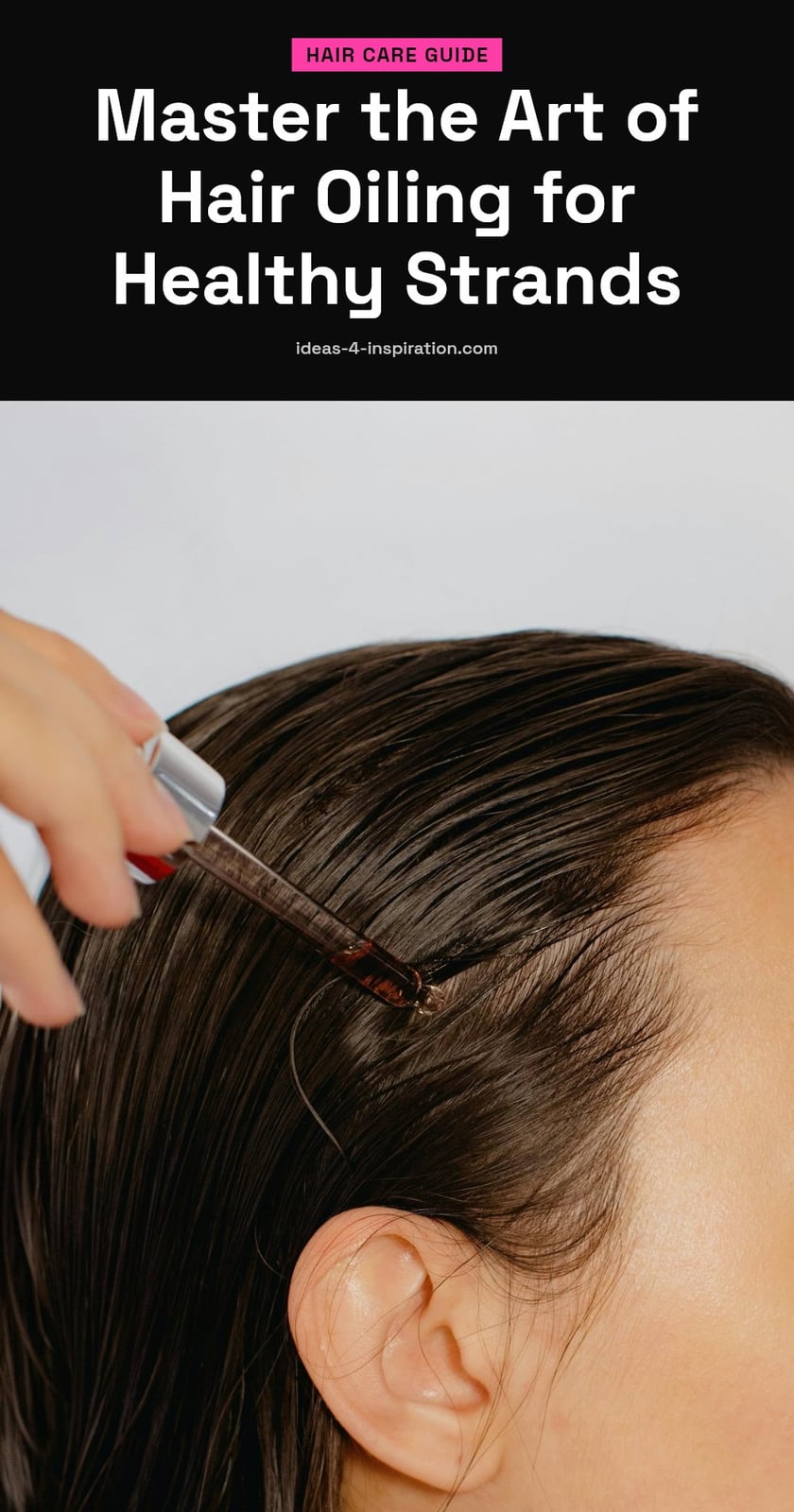
You have probably heard about hair oiling and wondered if it is worth adding to your routine. The short answer is yes, but the key is doing it the right way for your specific hair type. In this article, I will walk you through what hair oiling is, which oils work best for different needs, and a step by step method that helps you avoid common mistakes.
Key Takeaways
- Choose a cold-pressed, single-ingredient oil like coconut or jojoba for best results.
- Always detangle hair before applying oil to prevent breakage and improve distribution.
- Warm the oil before use and leave it on for 1 to 8 hours for deeper penetration.
- Massage your scalp gently for at least five minutes to stimulate circulation.
- Shampoo thoroughly after oiling, using a quarter-sized amount of mild shampoo for three minutes.
What is Hair Oiling and Why Should You Try It?
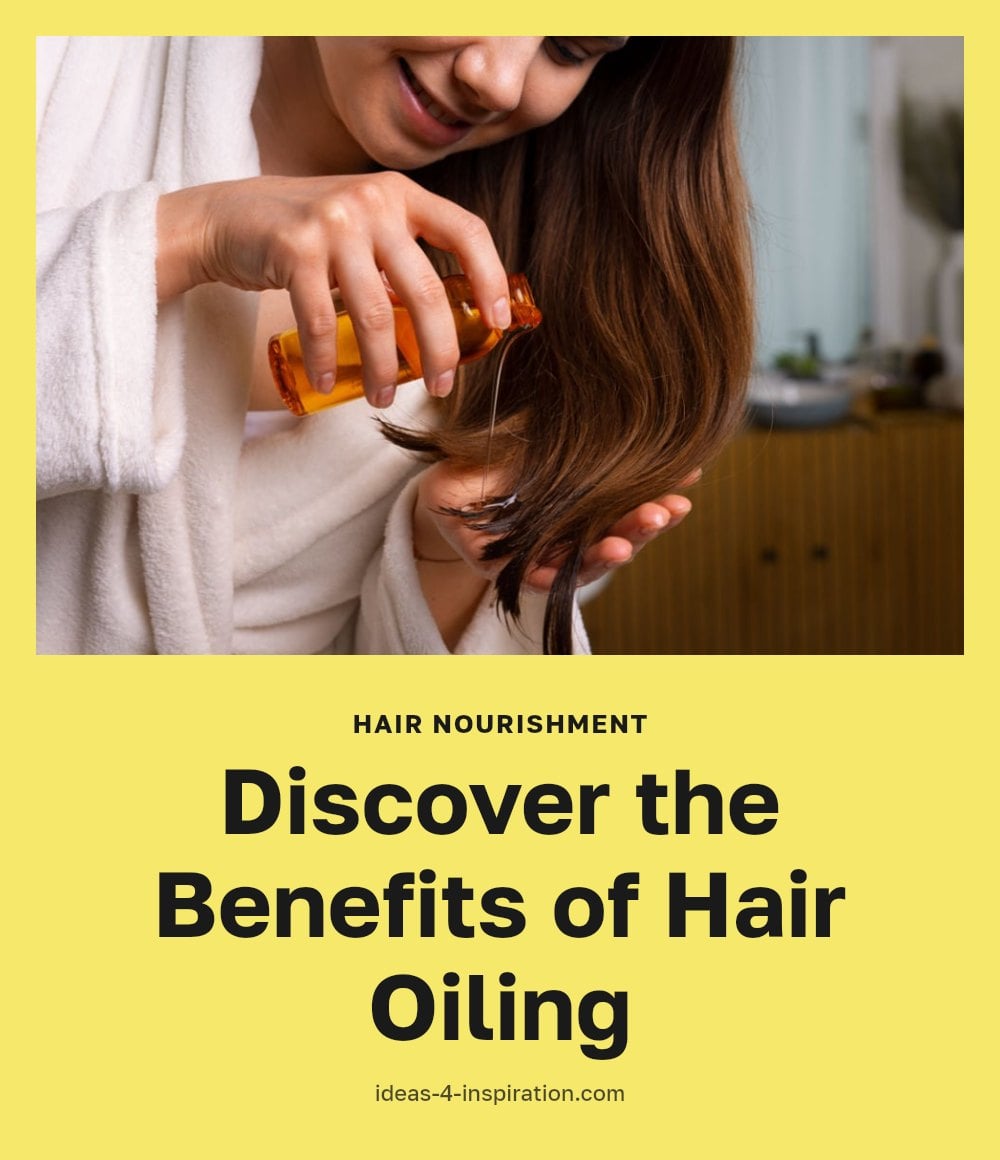
Hair oiling is an ancient practice, rooted in South Asian traditions, where oil is applied to the scalp and hair to nourish and protect. The oil creates a protective layer around each strand, helping to reduce protein loss and add a healthy shine. As you massage the oil in, you stimulate blood circulation in the scalp, which some believe may encourage hair growth. It’s a simple, time-tested ritual that can transform dry, brittle hair into softer, more manageable locks.
Your Hair Oiling Essentials
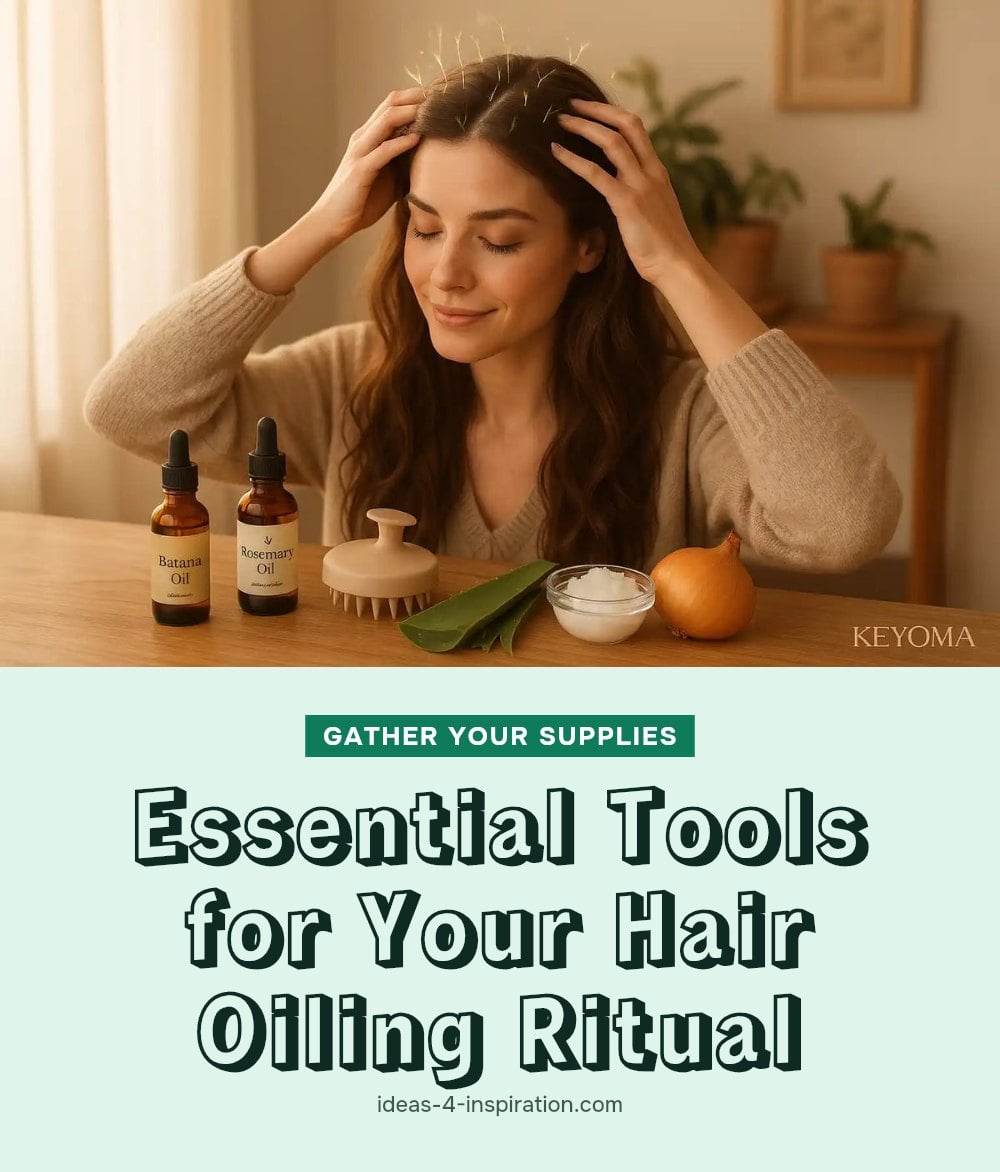
Before you start, gather the right tools. The quality of your oil matters most, so choose a cold-pressed, organic carrier oil with a single ingredient. You’ll also need a wide-tooth comb to detangle before applying oil, which prevents breakage. Essential oils like rosemary or tea tree can be added, but always dilute them with a carrier oil first.
- Carrier oil: coconut, argan, jojoba, olive, or almond oil.
- Essential oil (optional): rosemary for growth, tea tree for dandruff.
- Wide-tooth comb: for gentle detangling.
- Q-tips or applicator bottle: for precise scalp application.
- Shower cap or warm towel: to lock in heat and aid absorption.
- Mild shampoo: to rinse out the oil thoroughly.
Choosing the Best Oil for Your Hair Type
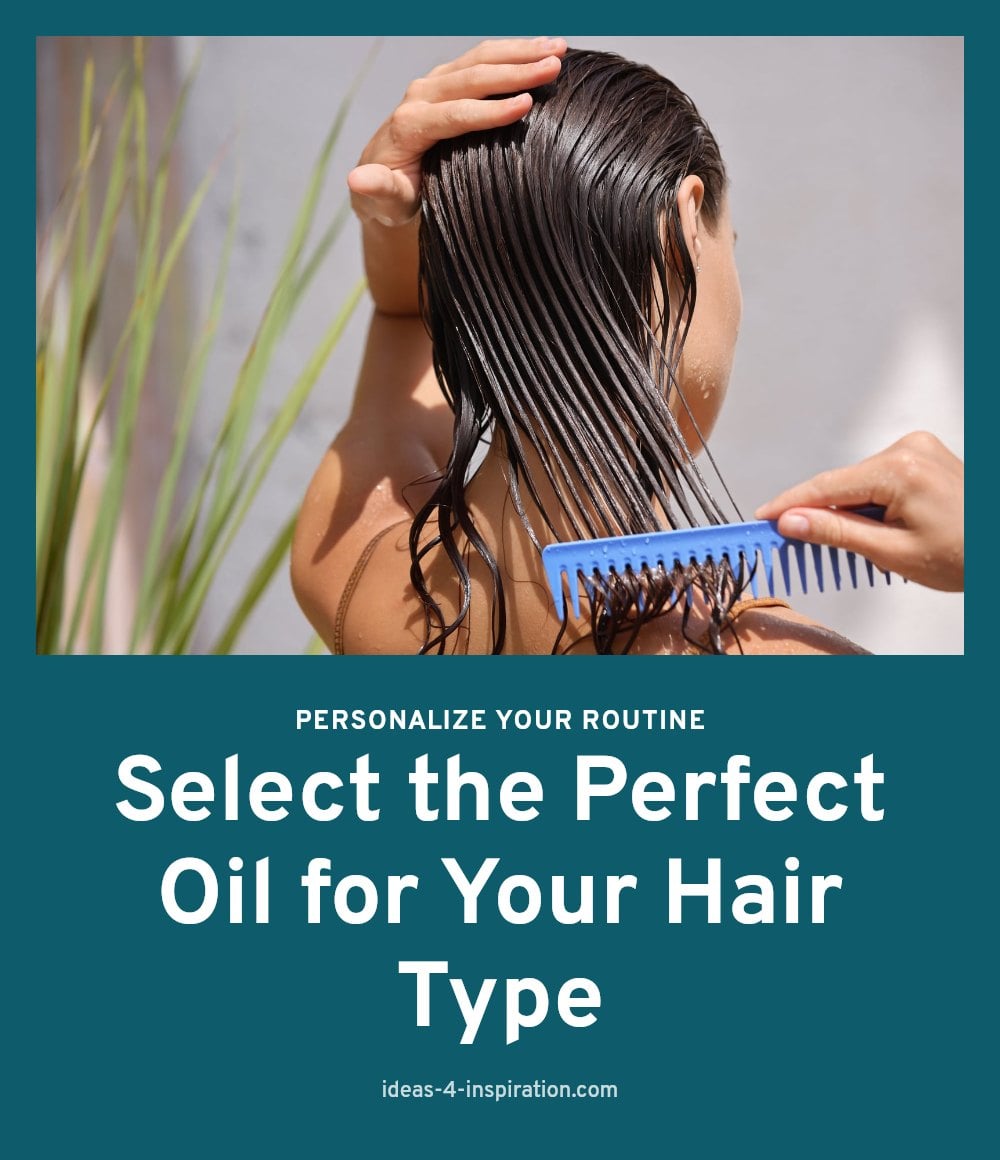
Not all oils work the same way. Some penetrate the hair shaft, while others coat the surface. Here’s a quick guide to match the oil to your hair’s needs.
| Oil Type | Best For | Key Benefit |
|---|---|---|
| Coconut oil | Most hair types | Penetrates shaft, reduces protein loss |
| Argan oil | Dry or frizzy hair | Adds shine, reduces frizz, improves elasticity |
| Jojoba oil | All hair types | Mimics sebum, balances oil production |
| Olive oil | Very dry or thick hair | Deep conditioning |
| Almond oil | Fine to medium hair | Softens and adds shine without weight |
| Rosemary essential oil | Hair growth (diluted) | May stimulate follicles |
| Tea tree essential oil | Scalp issues like dandruff (diluted) | Antifungal and antibacterial properties |
Step-by-Step: How to Properly Oil Your Hair
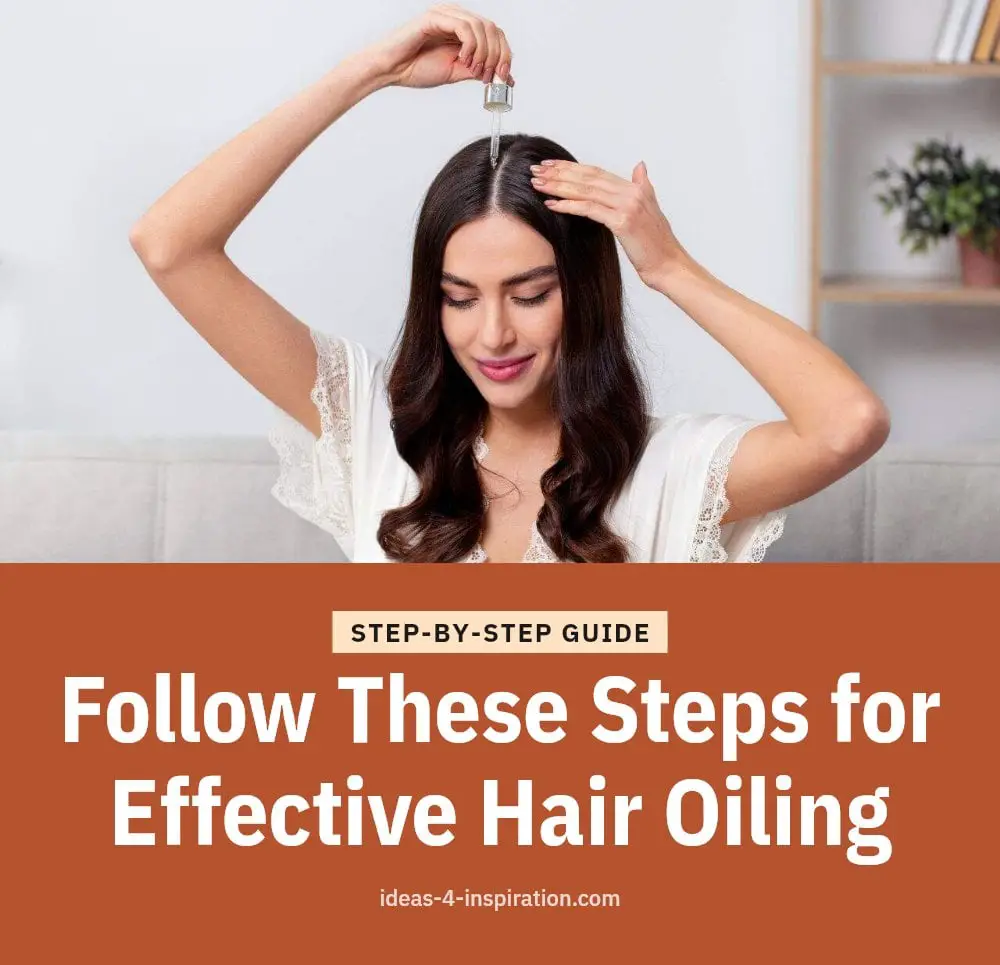
Follow this method for the best results, based on a proven routine.
- Detangle your hair: Use a wide-tooth comb, starting at the ends and working up to the roots. This prevents breakage and ensures even oil distribution.
- Warm the oil: Place the bottle in hot water for one minute. Warm oil penetrates better and boosts scalp circulation. Test the temperature on your wrist to avoid burns.
- Apply to scalp: Use a Q-tip to distribute the oil all over your scalp. This gives you precise control and prevents over-saturation.
- Coat the strands: Section your hair and apply a light layer of oil from roots to ends with your hands. Your hair should be slightly covered, not drenched.
- Massage gently: Use your fingertips or a scalp massager in circular motions for at least five minutes. Be gentle, as rough massage can cause breakage.
- Cover your hair: Put on a shower cap. For low porosity hair, add a heat cap or wrap a warm, damp towel around your head to help the oil absorb.
- Wait 1 to 8 hours: Leave the oil on for at least one hour, up to eight. Overnight is fine occasionally, but not daily.
- Rinse and shampoo: Let your hair soak in warm water for one minute, then apply a quarter-sized amount of mild shampoo. Emulsify and gently clean for three minutes. Shampoo twice if needed to remove all residue.
My tip: Never comb your hair right after applying oil, as oiled hair is more vulnerable to breakage. Wait until after washing.
Here is the method in action: Doro Cubillo demonstrates it in about 10 minutes. The how-to part starts at 0:21.
Common Hair Oiling Mistakes to Avoid
Tip: Avoid combing your hair right after applying oil. Oiled strands are more vulnerable to breakage, so always detangle before you start.
Don’t make this mistake: Using unsuitable oils like mineral oil or baby oil. They coat the hair without providing real nourishment. Stick to cold-pressed, single-ingredient carrier oils.
Caution: Skipping the step of warming your oil hinders its ability to penetrate the hair shaft. Warm the bottle in hot water for one minute before application.
Another common error: Applying too much oil. Oversaturation makes it hard to wash out and forces you to use excessive shampoo, which strips your hair of its natural oils.
Pro move: Massage your scalp gently for at least five minutes. A rough massage or no massage at all misses the key benefit of stimulating circulation.
Mistake to skip: Tying your hair too tightly after oiling. This can cause breakage and split ends.
For low porosity hair specifically: Not using a heat cap or warm covering prevents the oil from absorbing. Use a shower cap or a warm towel to help the oil penetrate.
Finally: Washing off the oil too soon or leaving it on longer than 8 hours can lead to product buildup, dandruff, and even hair loss. Stick to 1 to 8 hours.
Expert Tips for Your Hair Oiling Routine
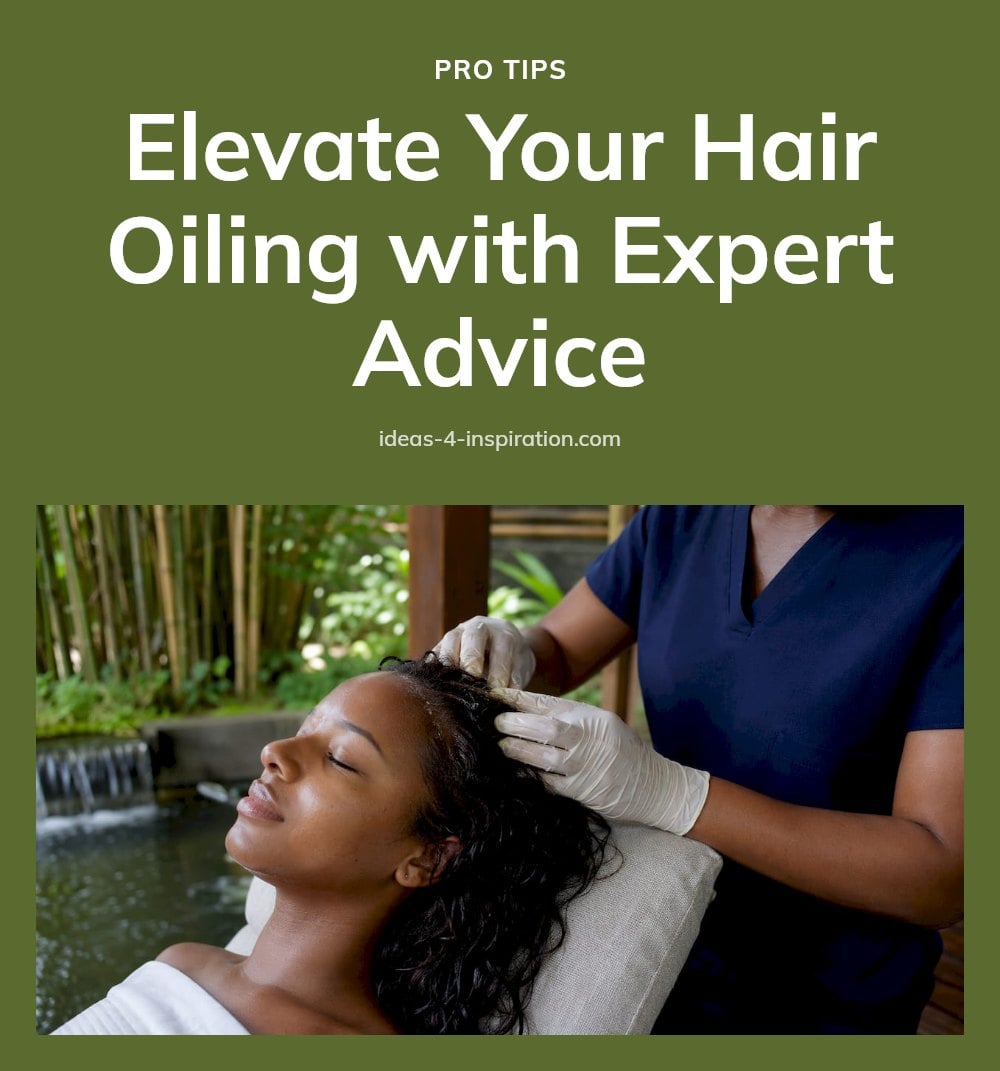
Tip: Always perform a patch test on a small area of skin before applying a new oil to your entire scalp. This checks for allergic reactions.
Adjust for your hair type: For fine or oily hair, use lighter oils like jojoba or almond oil, and apply less frequently. For thick or dry hair, heavier oils like olive or coconut oil and more frequent application can be beneficial.
My tip: Applying oil to damp hair can help lock in moisture, while applying to dry hair is better for adding shine and taming frizz.
Consistency is key: Don’t expect dramatic results overnight. Visible improvements in hair texture and shine typically appear after several weeks of consistent use, so stick with your routine.
How Often to Oil Your Hair and When to See Results
Aim to oil your hair 1-3 times a week. Leave the oil on for a minimum of 1 hour and a maximum of 8 hours. Overnight treatments are acceptable occasionally but not daily, as leaving oil on too long can lead to buildup.
Visible improvements in hair texture and shine typically appear after several weeks of consistent use. The cost of hair oiling is generally low, depending on the oils you choose, making it an affordable addition to your hair care routine.
When to Consult a Professional
Consult a professional if you experience persistent scalp irritation, redness, or itching after oiling. Also seek medical advice if you notice unusual hair loss or worsening scalp conditions that don’t improve with natural remedies.
For severe dandruff or other scalp infections that don’t respond to treatments like tea tree oil, a doctor or dermatologist can help. If you have underlying health conditions that might affect hair health, it’s best to get personalized guidance before starting any new routine.
Frequently Asked Questions
Can hair oiling help with dandruff?
Yes, it can help if you choose the right oil. Tea tree essential oil, when diluted in a carrier oil, has antifungal and antibacterial properties that may help with dandruff. Massaging the oil into your scalp can also loosen flakes and improve overall scalp health. For persistent dandruff, consult a dermatologist.
What is the difference between carrier oils and essential oils?
Carrier oils are base oils like coconut, jojoba, or almond oil that can be used alone to moisturize and protect hair. Essential oils are highly concentrated plant extracts, such as rosemary or tea tree, which must be diluted in a carrier oil before applying to your scalp. Never apply undiluted essential oils directly to your skin.
Can hair oiling help with dandruff?
Yes, it can help if you choose the right oil. Tea tree essential oil, when diluted in a carrier oil, has antifungal and antibacterial properties that may help with dandruff. Massaging the oil into your scalp can also loosen flakes and improve overall scalp health. For persistent dandruff, consult a dermatologist.
What is hair oiling?
Hair oiling is an ancient practice, especially common in South Asian traditions, where you apply oil to your scalp and hair to nourish and protect it. The oil creates a protective layer around each strand, reducing protein loss and adding shine. It is typically followed by a gentle scalp massage and left on for a period before washing.
Final Thoughts
If you are new to hair oiling, start with a lightweight oil like jojoba or almond and apply it once a week to see how your hair responds. With consistent use, you can expect noticeable improvements in texture and shine after several weeks. The most important thing is to match the oil to your hair’s needs and follow the proper application steps for the best outcome.
This article provides general information about hair oiling and is not a substitute for professional medical or dermatological advice. Results can vary based on individual hair type and condition. If you experience persistent scalp irritation, unusual hair loss, or other concerns, please consult a healthcare professional or dermatologist.