
If you want to save money but find it hard to stick with a plan, a savings challenge might be just what you need. These structured approaches break your goal into small, regular steps so you can build momentum without feeling overwhelmed. In this article, I’ll walk you through seven popular savings challenges, the tools that help you succeed, and the common mistakes to avoid.
Key Takeaways
- Set a clear, specific goal like an emergency fund or vacation before starting any challenge.
- Choose a challenge that fits your budget, not one that strains your finances.
- Track your progress visually with a printable chart or app to stay motivated.
- Automate transfers to a separate savings account so you save without thinking about it.
- If you miss a week, just pick up where you left off; don’t let one slip derail the whole challenge.
What is a Savings Challenge and How Can It Help You?
A savings challenge is a structured plan to save a set amount over a set period. Instead of waiting for a big lump sum, you make small, consistent contributions, which makes saving feel manageable and keeps you motivated. Challenges build saving habits and help you reach goals like an emergency fund or a down payment.
Essential Tools for Your Savings Challenge
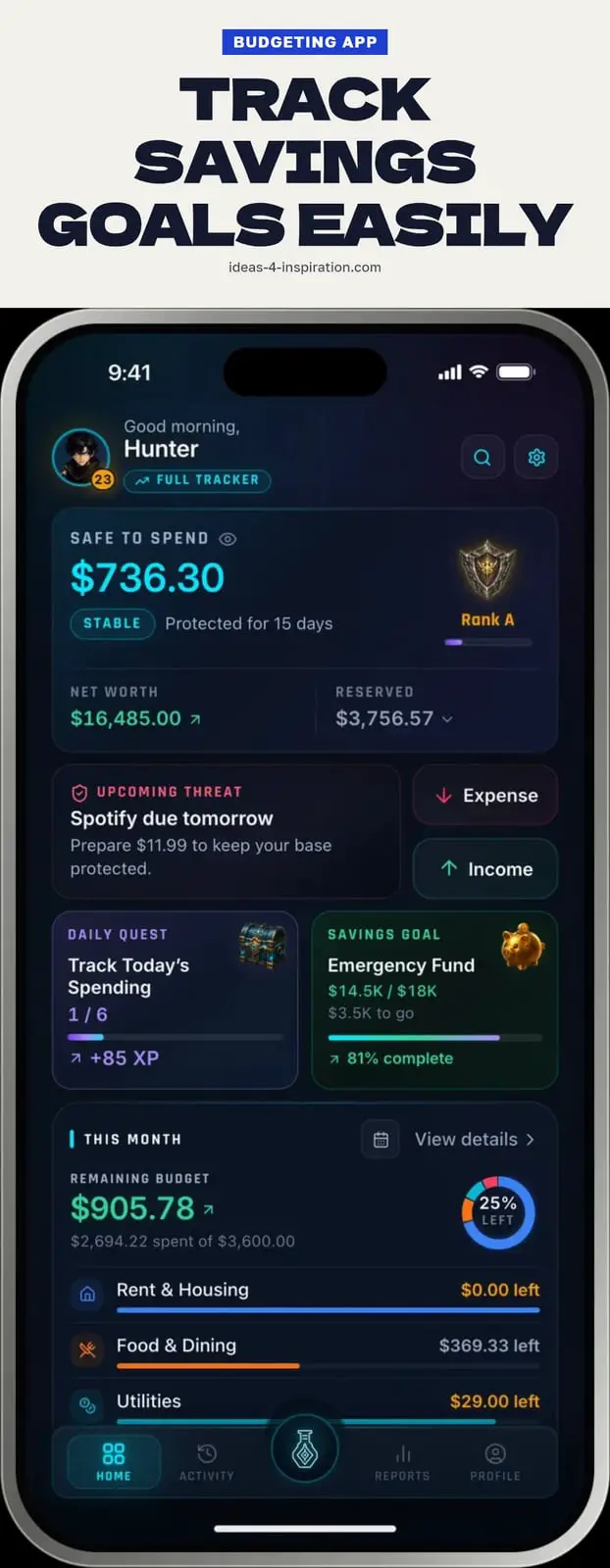
You don’t need much to start, but a few tools make the process smoother.
- Dedicated savings account: keeps challenge money separate so you’re less tempted to dip into it.
- Budgeting app or spreadsheet: shows where your spending goes and reveals saving opportunities.
- Visual tracker: a printable chart or coloring page you fill in, which shows progress and keeps motivation up.
- Envelopes: for cash-based challenges, so you can split bills and change into labeled categories.
Top Savings Challenges to Kickstart Your Savings
Pick a structure that matches how you like to save. These are the formats I see people stick with most.
The 52-week challenge
You save $1 in week 1, $2 in week 2, and so on up to $52 in week 52. The total is $1,378. The early weeks feel easy, and the last few are the real test.
My tip: if $52 in December sounds painful, flip the order and save the big amounts in January when your budget is fresh.
The reverse 52-week challenge
You start with $52 in week 1 and decrease the amount each week. The heavy lifting happens early, which many people find easier to manage during the holiday season.
No-spend challenges
You cut non-essential purchases for a set period, whether that’s a day, a week, or a month. The money you would have spent goes straight into savings.
My tip: define
How to Choose and Start Your Perfect Savings Challenge

Starting well matters more than picking the “best” challenge. Here’s the order I’d follow.
- Define your goal: name the exact purpose, like a $1,000 emergency fund or a vacation. A clear target keeps you going when motivation dips.
- Review your budget: look at your actual income and expenses to see what you can realistically set aside each week.
- Pick your challenge: choose one that fits your income and saving style, whether that’s steady weekly amounts or a cash-based system.
- Open a separate account: keep challenge funds apart from your checking account so they don’t get spent by accident.
- Automate transfers: schedule recurring transfers for the day after payday so saving happens without a decision.
- Track visually: fill in a chart or tracker each time you contribute. Seeing the progress is what keeps the habit alive.
Common Savings Challenge Mistakes to Avoid
Most challenges fail for the same handful of reasons, and each one is fixable before you start.
- Choosing an overly aggressive challenge: If a plan needs more than your budget can spare, shrink it. Halving the weekly amount beats quitting in week three.
- Lacking a clear goal: Without a specific “why,” the deposits start to feel pointless. Name the purpose before week one.
- Forgetting to track progress: A tracker you see daily keeps the challenge visible and shows how far you’ve come.
- Giving up after a setback: Missed a contribution? Resume at the next one. A gap is not a failure.
- Keeping savings in your checking account: Money sitting next to your spending is money you’ll spend. Move it out.
Smart Tips for Boosting Your Savings Challenge Success

Small habits decide whether a challenge lasts past the first month.
- Celebrate milestones: Mark every hundred dollars or every completed month. Recognition keeps the next deposit easy.
- Automate your savings: A recurring transfer on payday removes the decision, and the money is gone before you can spend it.
- Involve a friend: A savings buddy who checks in weekly adds accountability and makes a missed week harder to hide.
- Review and adjust: If your income or expenses shift, change the amount instead of abandoning the plan.
- Integrate envelope budgeting: For cash challenges, label envelopes by category so the money you save isn’t quietly spent elsewhere.
When to Get Professional Financial Guidance
A challenge should support your finances, not strain them. Talk to a financial professional if:
- Challenge deposits are competing with rent, groceries, or minimum debt payments.
- You’re carrying high-interest debt and need a plan that tackles it first.
- You’re drawn to “get rich quick” offers promising unrealistic returns.
- You need a sustainable budget that leaves room for saving without cutting essentials.
High-interest debt usually costs more than savings earn, so paying it down first is often the safer order.
Frequently Asked Questions
What is the easiest savings challenge for beginners?
A 30-day challenge where you save a small, fixed amount each day or week is often the easiest for beginners. The reverse 52-week challenge also works well because you start with the larger amount when motivation is highest and decrease over time.
How can I stay motivated during a long savings challenge?
Celebrate small milestones, like every $100 saved or every completed month. Use a visual tracker to see your progress, and keep your goal visible, whether it’s a picture of your vacation destination or a note about your emergency fund.
Can I do a savings challenge if I have debt?
Yes, but prioritize high-interest debt first. Consider a smaller challenge that doesn’t compete with minimum debt payments, or talk to a financial professional to create a plan that balances saving and debt repayment.
What if I can’t save the full amount one week?
Don’t give up. Save whatever you can that week, or skip that week and resume the next. The key is consistency over perfection. Adjust the challenge to a lower amount if needed so it fits your budget.
Are there apps that help with savings challenges?
Yes, many budgeting apps offer round-up features that automatically save your spare change from purchases. You can also use a simple spreadsheet or a printable tracker to manually log your progress without needing a dedicated app.
Final Thoughts
My tip: Start with a 30-day or reverse 52-week challenge if you’re new to structured saving. Expect to see your first deposit add up quickly, but remember that building a habit takes at least a few weeks. Pick one challenge, set your goal, and take that first small step today.
This article is for informational purposes only and does not constitute financial advice. Savings challenges should not replace professional guidance for debt management or serious financial concerns. Consult a qualified financial professional for personalized advice tailored to your situation.