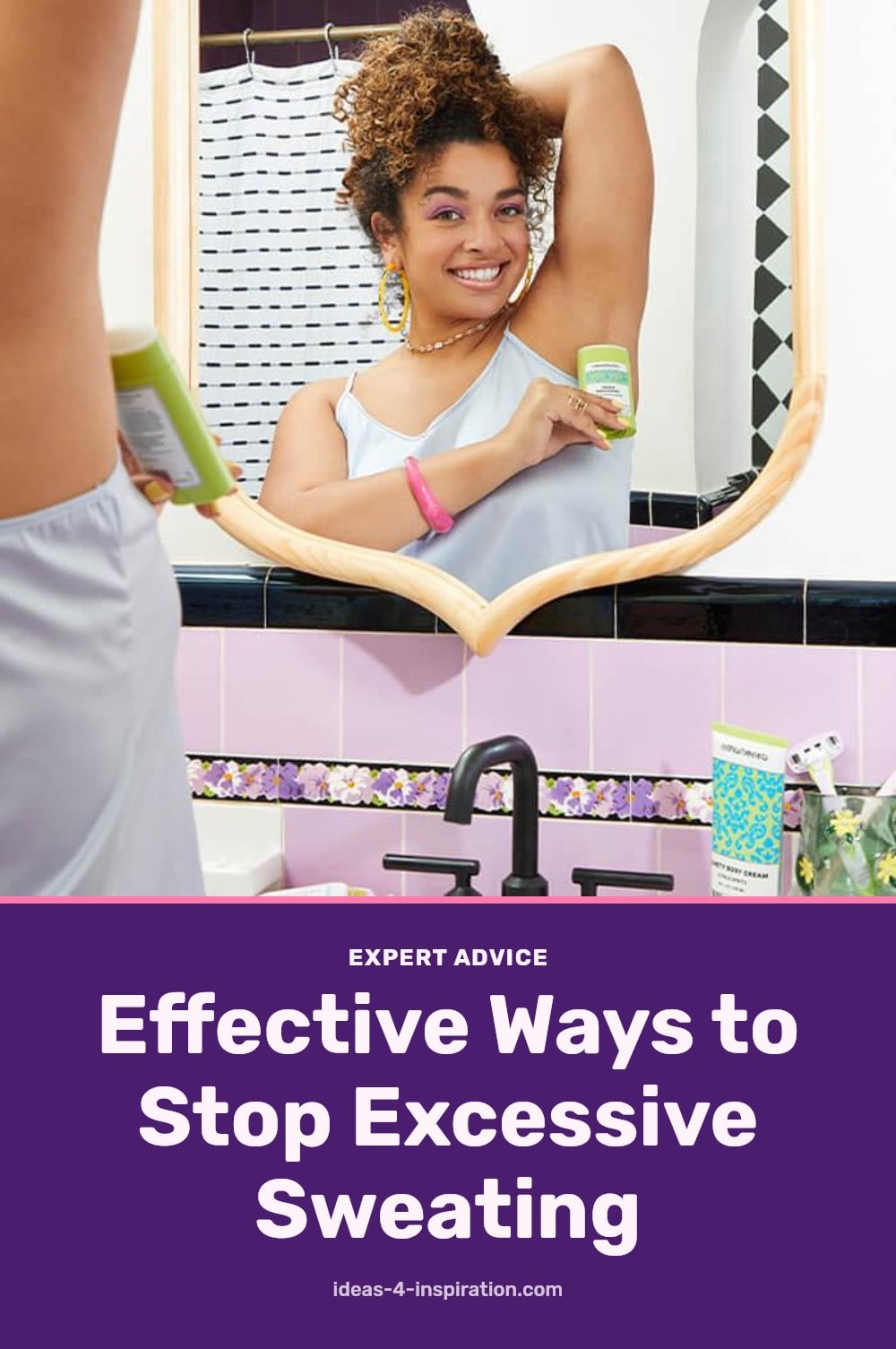
Sweating is completely normal and helps keep your body cool, but when it feels like too much, it can really get in the way of your day. Whether you’re dealing with damp armpits during a meeting or sweaty palms on a date, there are practical steps you can take to manage it. This article breaks down why we sweat, daily habits that actually work, and when it might be time to talk to a doctor.
Key Takeaways
- Apply antiperspirant at night on clean, dry skin for best results.
- Wear loose, breathable fabrics like cotton or linen to reduce sweat buildup.
- Avoid common triggers like spicy foods, caffeine, and alcohol when possible.
- Manage stress with relaxation techniques to help control sweat gland activation.
- See a doctor if sweating is sudden, severe, or accompanied by other symptoms.
The Best Ways to Reduce Sweating
To reduce sweating, start with a clinical-strength antiperspirant applied to clean, dry skin every night. Choose loose-fitting clothes in breathable fabrics like cotton or linen to keep air moving. Identify your personal triggers, such as spicy foods or caffeine, and avoid them when possible. Manage stress with relaxation techniques like deep breathing or meditation. If sweating remains excessive or bothersome, talk to your doctor about medical options.
Why We Sweat: Understanding the Causes
The Biology Behind Sweating
Sweating is controlled by your sympathetic nervous system, the same system that handles your fight-or-flight response. Your body has 2 to 4 million sweat glands, mainly two types. Eccrine glands cover most of your body and produce watery, odorless sweat that cools you down. Apocrine glands sit in areas like the armpits and groin, and their thicker sweat can cause body odor when bacteria break it down.
Normal vs. Excessive Sweating
Everyone sweats, but some people sweat much more than others. Primary hyperhidrosis is excessive sweating that isn’t caused by another condition, often affecting the armpits, palms, or soles. Secondary hyperhidrosis is sweating caused by an underlying medical issue or a medication. Stress, anxiety, and certain foods or drinks like spicy meals, caffeine, and alcohol can also ramp up sweating.
Effective Strategies to Manage Daily Sweating
Daily Habits That Help
To keep sweating under control, build these habits into your routine.
- Apply antiperspirant at night: Put it on clean, dry skin before bed. This gives the active ingredients time to plug sweat ducts, so you sweat less during the day.
- Wear breathable clothing: Loose-fitting pieces in cotton, linen, or bamboo let air circulate and keep moisture from building up. Save synthetic fabrics for the gym, where moisture-wicking materials actually help.
- Shower regularly: A daily shower removes sweat and bacteria from your skin. Dry off completely before dressing, since damp skin makes it easier for bacteria to multiply.
- Use sweat-absorbing liners: Stick-on pads or liners inside your clothes can catch excess moisture and protect your outfit. They’re especially handy for underarms on stressful days.
- Skip known triggers: Spicy foods, caffeine, and alcohol can stimulate sweat glands. Track what you eat and drink to spot your personal triggers, then cut back or avoid them.
- Manage stress: Meditation, yoga, or simple breathing exercises can calm your nervous system and reduce anxiety-induced sweating.
Common Sweating Mistakes and How to Fix Them
Many people make these mistakes without realizing it. Here’s what to fix.
- Applying antiperspirant only in the morning: Night application is more effective because the product has time to work while you sleep. Make it part of your evening routine.
- Confusing antiperspirants with deodorants: Antiperspirants stop sweat by blocking ducts; deodorants only mask odor. If you want to sweat less, you need an antiperspirant.
- Wearing tight or synthetic fabrics: These trap heat and moisture, making you feel sweatier. Choose loose, breathable materials like cotton or linen.
- Assuming all sweat is smelly: Fresh sweat is largely odorless. The smell comes from bacteria breaking down sweat on your skin. Showering regularly keeps odor in check.
- Ignoring excessive sweating: If you sweat much more than others in the same situation, it might be hyperhidrosis. Talk to your doctor about options.
When Over-the-Counter Solutions Aren’t Enough
For severe cases of hyperhidrosis, over-the-counter antiperspirants may not be enough. Medical treatments offer more powerful options. Iontophoresis uses a mild electrical current to temporarily shut down sweat glands, providing relief that can last several weeks. Botulinum toxin injections block the nerves that stimulate sweat glands, reducing sweating in treated areas for months. Prescription medications called anticholinergics can also reduce sweating by blocking nerve signals throughout the body. These treatments are typically reserved for people who have not found success with lifestyle changes and standard products. A doctor can help determine which option is appropriate for your situation.
When to Talk to Your Doctor About Sweating
See a doctor if your sweating is sudden, severe, or unexplained, especially if it affects only one side of your body. Seek immediate medical attention if sweating is accompanied by chest pain, dizziness, fever, or unexplained weight loss. Also consult a professional if over-the-counter products and lifestyle changes have not effectively managed your sweating. Skin irritation or allergic reactions to antiperspirants are another reason to seek medical advice. A doctor can rule out underlying conditions and recommend appropriate treatments for your specific needs.
Frequently Asked Questions
What is the difference between antiperspirant and deodorant?
Antiperspirants reduce sweating by temporarily blocking sweat ducts, usually with aluminum-based compounds. Deodorants only mask body odor and do not stop sweat from forming. If your goal is to sweat less, choose an antiperspirant, not just a deodorant.
Can diet affect how much I sweat?
Yes, certain foods and drinks may trigger or increase sweating. Spicy foods, caffeine, and alcohol are common culprits. Paying attention to what you eat and avoiding these triggers can help some people manage their sweat levels.
Are there natural remedies for excessive sweating?
Some people find that natural options like talcum powder or cornstarch help absorb minor moisture. Wearing loose, breathable fabrics and managing stress through meditation or yoga can also help. For severe cases, these are not substitutes for medical treatments.
How often should I apply antiperspirant?
For best results, apply antiperspirant once a day, preferably at night on clean, dry skin. This gives the active ingredients time to work while you sleep. If you shower in the morning, you can reapply then, but nighttime application is key.
Is sweating a sign of good health?
Sweating is a normal bodily function that helps regulate temperature, but it is not necessarily a sign of fitness or health. Excessive sweating can be uncomfortable and may indicate hyperhidrosis or another condition. If it bothers you, it’s worth addressing.
Final Thoughts
Start with the basics: a nightly antiperspirant, breathable clothing, and paying attention to what sets you off. For most people, these small changes make a real difference within a few days. If you’re still struggling, don’t hesitate to talk to a healthcare provider about stronger options like iontophoresis or prescription treatments. You don’t have to just put up with it.
This article is for informational purposes only and is not a substitute for professional medical advice. If you have concerns about excessive sweating or other symptoms, consult a healthcare provider or dermatologist for a proper diagnosis and treatment plan.