When homeowners think about the most effective front yard landscaping ideas on a budget, they often wonder whether a beautiful and modern design can truly be affordable. Can we combine front yard landscaping ideas simple with strong aesthetics, or create real front yard landscaping ideas curb appeal without spending thousands? In 2026, outdoor design trends are shifting toward modern simplicity, low-maintenance solutions, and natural textures that feel fresh but practical.
In this article, I’ll walk you through the most relevant and well-structured ideas for transforming front yards of any size. Whether you’re working with rocks, planning a diy project, decorating for a farmhouse look, dealing with full sun, or designing for a small house, each section offers real-world advice and design choices that I personally consider effective. I’ll also share practical insights I use when planning low-maintenance landscapes, choosing plants for long-lasting curb appeal, and setting functional outdoor layouts. Let’s explore what’s trending, what’s timeless, and what truly works for front yard design in 2026.
Budget-Friendly Front Yard Landscaping Ideas for 2026
A budget-friendly front yard design doesn’t mean giving up style or practicality. When I plan outdoor spaces on a limited budget, I always focus on simple geometric layouts, affordable plant varieties, and materials that last. With the right approach, front yard landscaping ideas on a budget still look polished and modern. I often begin with gravel pathways, modular edging, and small clusters of hardy shrubs because these instantly elevate the look of the home without unnecessary spending.
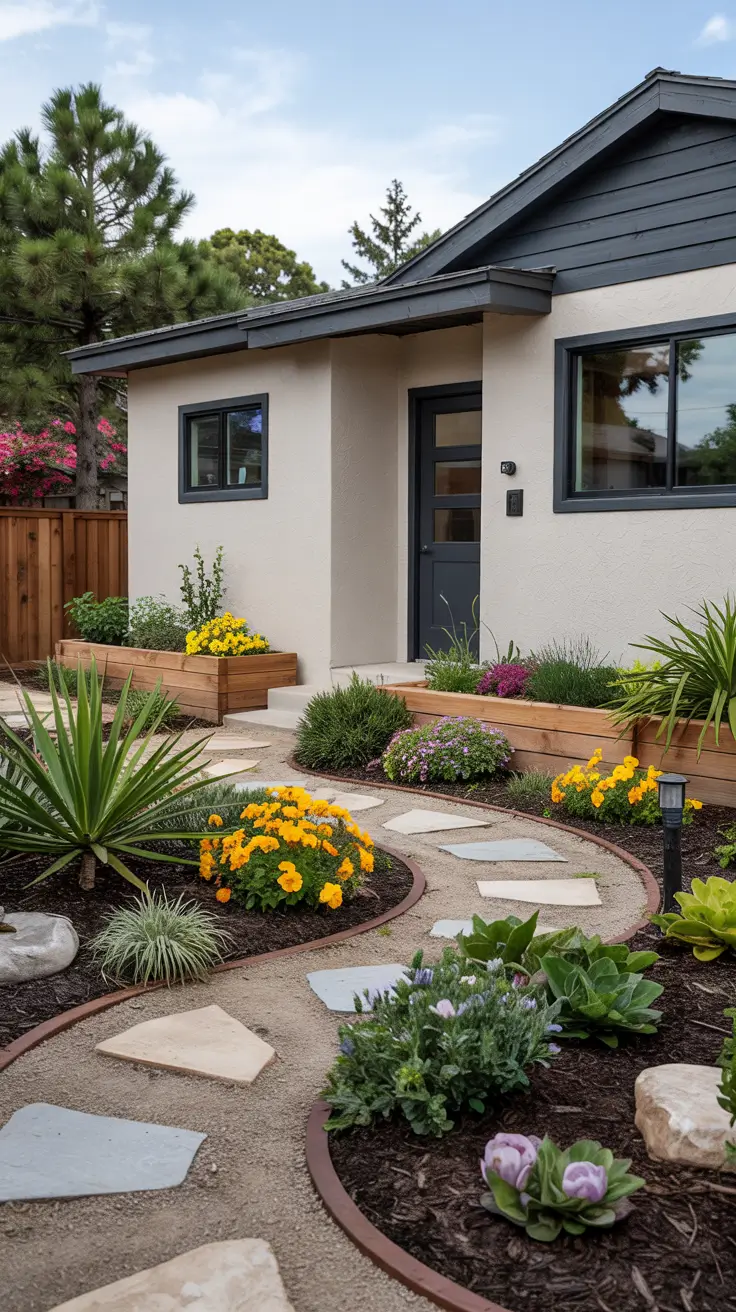
When choosing the elements, I prioritize mulch, pea gravel, inexpensive native grasses, and solar lighting because they are cost-effective yet high impact. A narrow gravel path lined with drought-resistant plants can visually enlarge the space while keeping maintenance minimal. Adding simple wooden planters or budget-friendly potted flowers brings color without requiring complex arrangements. These pieces work well together and allow homeowners to refresh their yard without major financial investment.
From my experience, this approach works extremely well for small properties and older homes needing a quick uplift. Many landscaping experts, including designers frequently featured in US outdoor magazines, recommend using natural mulch and native species because they reduce long-term costs dramatically. I fully agree because these materials decrease watering needs and eliminate major upkeep.
Here, I would add an option for budget-friendly vertical elements, like a slim trellis or compact metal arbor, to guide the eye upward and create depth even in tight spaces.
Simple Front Yard Designs That Transform Your Home
When I create front yard landscaping ideas simple, I always start with clean lines and uncluttered structures. Simplicity is one of the strongest visual tools in outdoor design, and in 2026 minimalism continues to be highly popular. This approach works exceptionally well for homes that need a more modern and balanced look without adding too many decorative details. Simple design usually means fewer plant varieties, defined shapes, and a focus on symmetry.
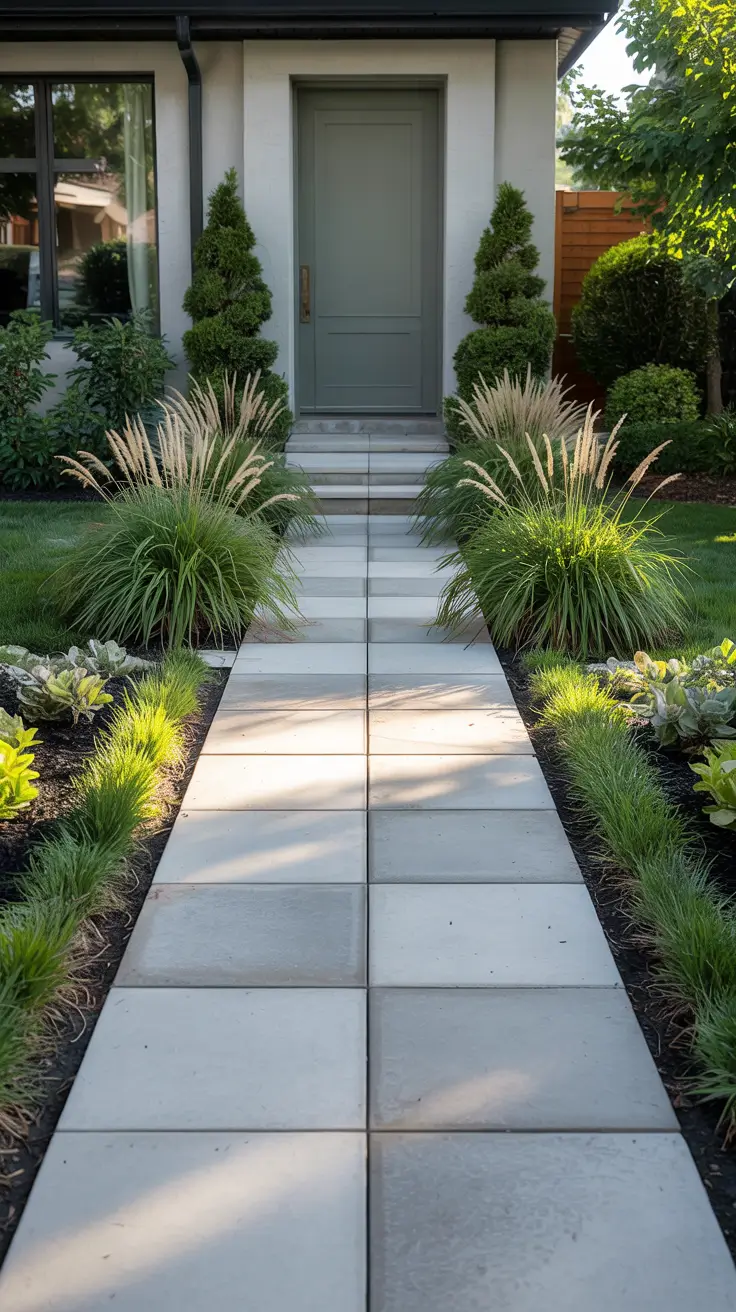
I often choose materials like smooth concrete pavers, polished gravel, and a few structured shrubs. A single row of ornamental grasses, a compact evergreen, or a neatly trimmed hedge can completely transform the aesthetic without making the space feel busy. A well-defined walkway leading to the entryway is also essential because it frames the entire front yard.
In many of my projects, I’ve seen homeowners achieve dramatic upgrades simply by removing overgrown elements and replacing them with three or four cohesive plant groups. Leading US landscape designers often recommend limiting a yard to 2–3 key textures to avoid visual clutter, and I fully support that advice.
This section could also include a suggestion for integrating subtle ground lighting to highlight the walkway and maintain the simple, calming atmosphere after sunset.
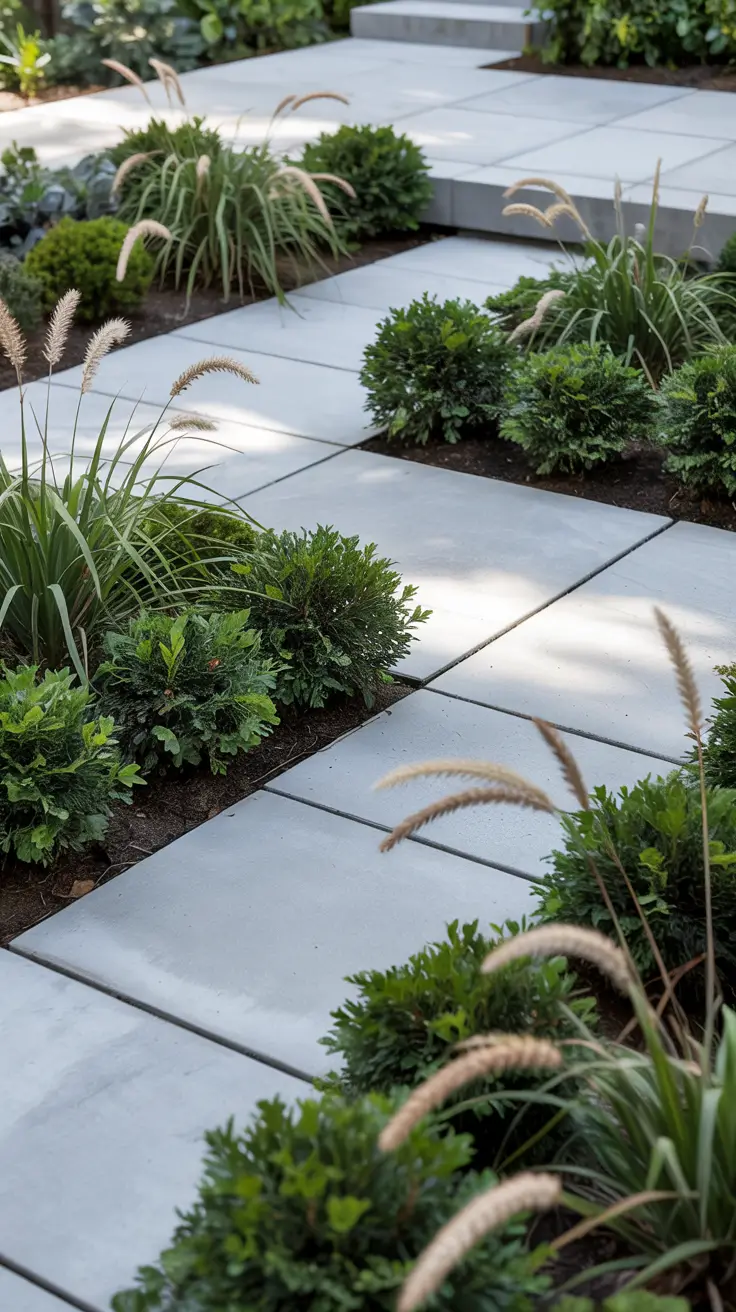
Curb Appeal Boosters for a Stunning Front Yard Makeover
Strong curb appeal is all about the first impression, and when planning front yard landscaping ideas curb appeal, I focus on balance, structure, and intentional color placement. In 2026, homeowners prefer polished yet low-maintenance designs that look impressive from the street without requiring constant upkeep. Small details, like updated edging or uniform ground cover, make a significant visual difference.
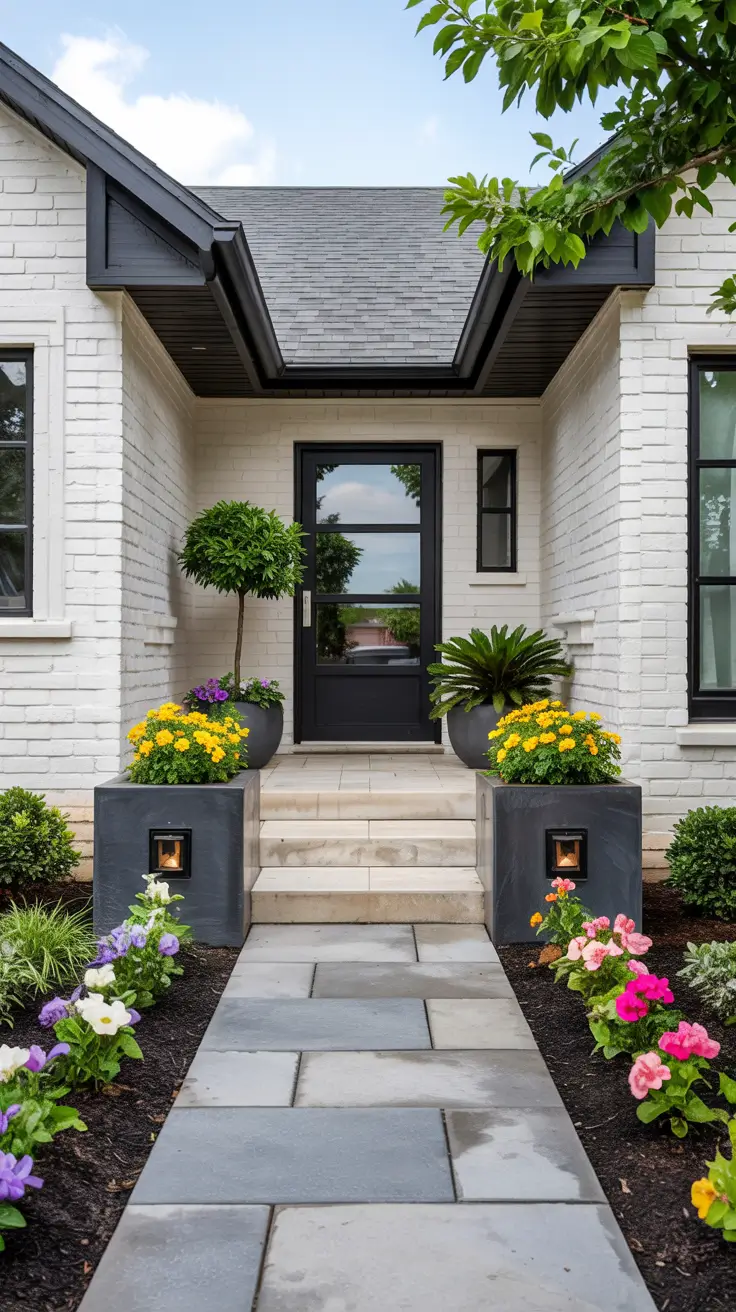
I typically include symmetrical planters, updated pathway lighting, and tidy mulch layers. Adding a medium-sized tree near the walkway entrance can instantly enhance the appearance of the home and add vertical interest. Bright seasonal flowers arranged in clusters or layered beds near the porch create a welcoming feel that complements the façade. These elements work well together and create a cohesive, inviting atmosphere.
From personal experience, even small transformations can dramatically improve curb appeal. Popular US landscape experts frequently emphasize the importance of proportion—plants should complement the house, not overwhelm it. I always follow this rule, especially with compact homes or narrow lots.
I would also add a tip about choosing neutral-toned mulch or gravel because it visually organizes the entire yard and creates stronger curb appeal with minimal effort.
Modern Front Yard Landscaping Ideas for Contemporary Homes
When working on front yard landscaping ideas modern, I focus on strong geometry, bold contrasts, and streamlined plant selections. Modern design in 2026 leans toward minimal greenery with structured shapes, combining natural materials like stone, metal, and wood. Clean horizontal lines, black accents, and architectural plants create a sleek and polished look that fits contemporary architecture perfectly.
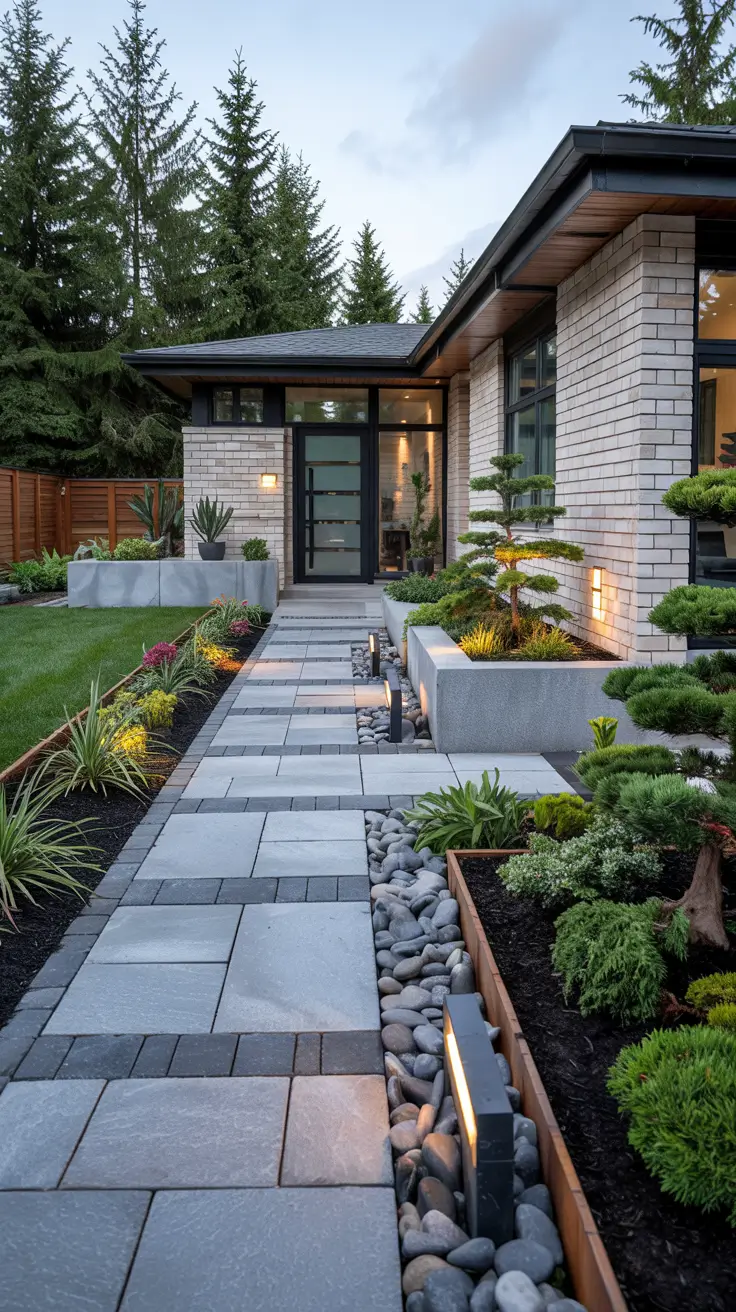
In terms of materials, I prefer large-format pavers, river stones, polished rocks, and sculptural evergreen shrubs. A rectangular planter with vertical grasses or a group of agaves can create a strong focal point without overcrowding the space. LED path lights and matte steel edging also work well for emphasizing clean lines.
I’ve found that modern landscapes often work best when there is a clear visual rhythm—repeated shapes, evenly spaced plants, and consistent color palettes. Many well-known US outdoor designers recommend mixing warm wood with cool stone for a balanced modern composition, and I apply this principle frequently.
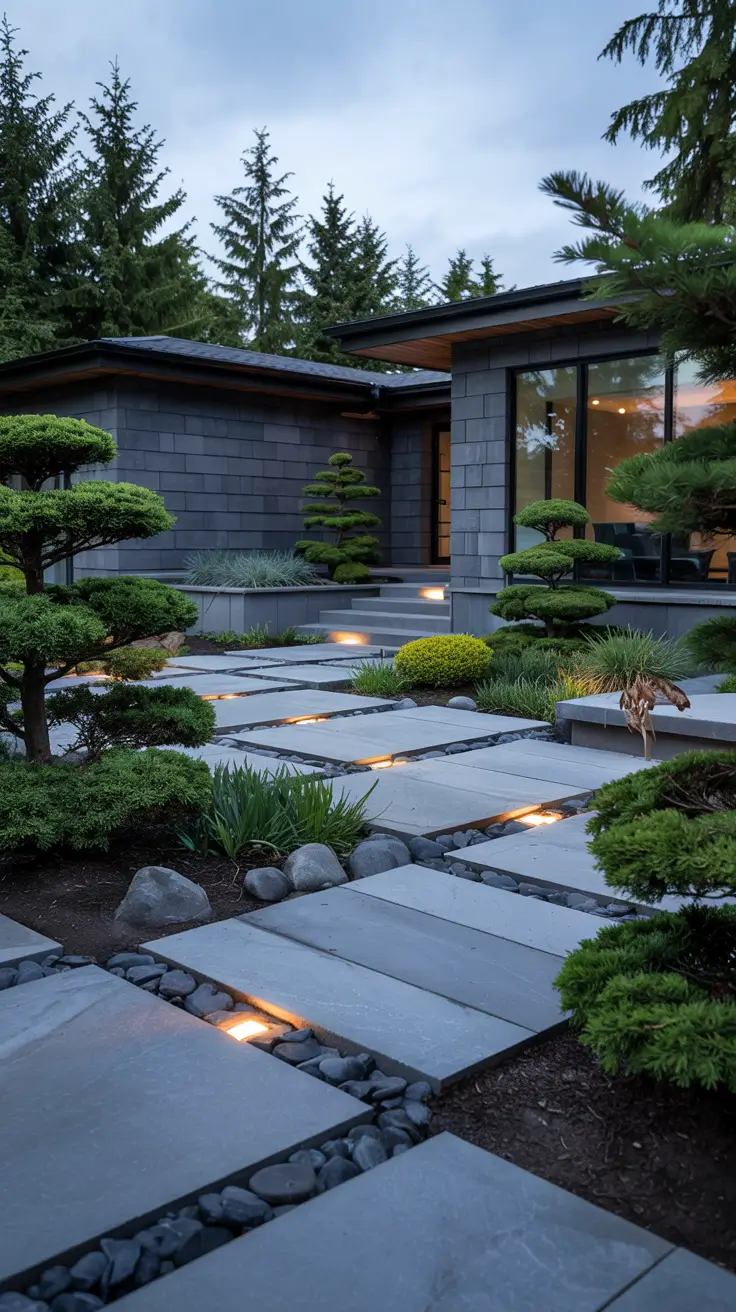
To further elevate this section, I would add suggestions for integrating a linear water feature or a floating step walkway to reinforce the modern style.
Easy Front Yard Landscaping Ideas Anyone Can Do
For homeowners seeking front yard landscaping ideas easy, I use simple but reliable methods that require minimal skill and deliver strong results. The idea is to choose elements that don’t require specialized tools or advanced gardening knowledge. Easy landscaping in 2026 primarily revolves around modular features, beginner-friendly plants, and low-maintenance layouts.
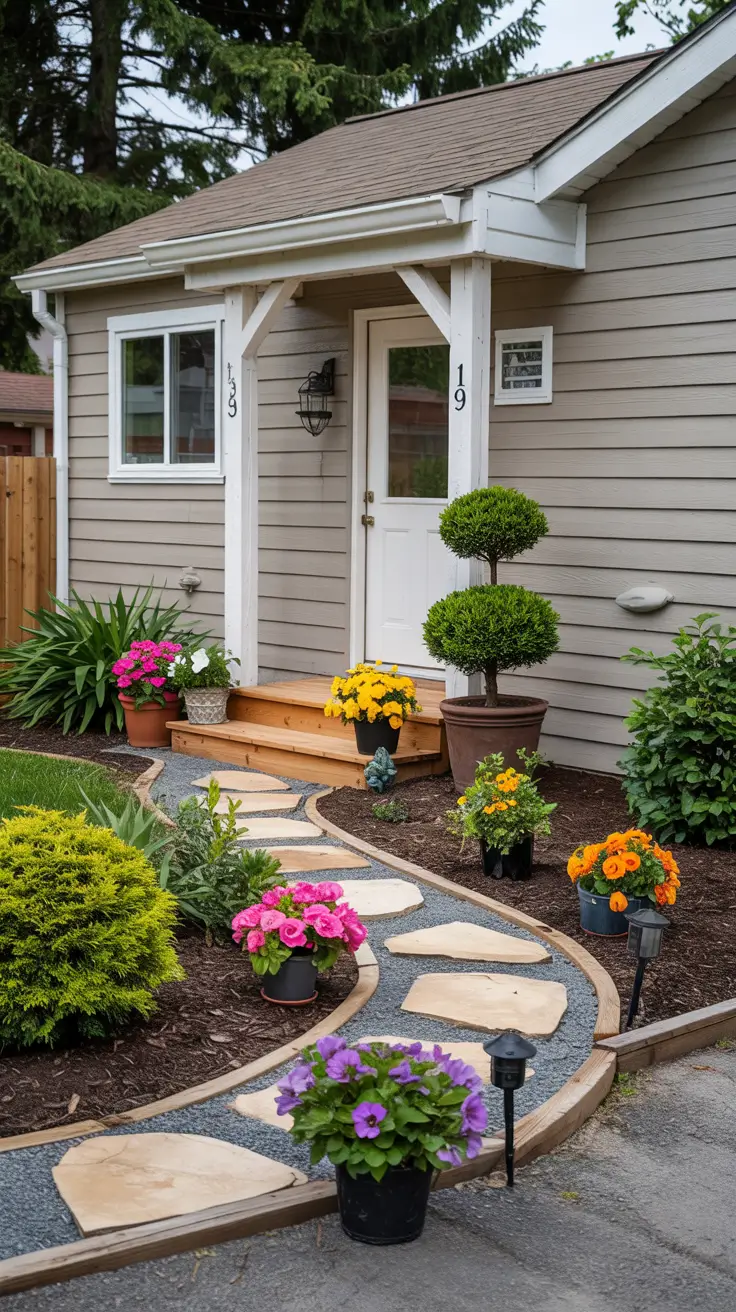
I often choose ready-made planters, solar lights, mulch pathways, and hardy perennials. These elements are easy to install and instantly improve the space. A small gravel bed with two or three colorful shrubs can bring structure without effort. Adding a few pots with seasonal flowers next to the entryway also creates quick charm.
In my experience, clients appreciate easy solutions when they want a refreshed look without major work. US gardening publications frequently recommend ground covers like creeping thyme or sedum because they spread naturally and require minimal care, and I’ve used them in many successful projects.
To refine this section further, I would add recommendations for pre-built edging kits that help define pathways and beds without complex installation.
Rock-Focused Front Yard Designs for Texture and Style
When I plan front yard landscaping ideas with rocks, my main goal is to use stones as both functional and decorative elements. Rocks add texture, depth, and structure, making them ideal for modern, low-maintenance yards. They also perform extremely well in sloped landscapes because they prevent erosion and visually stabilize the terrain.
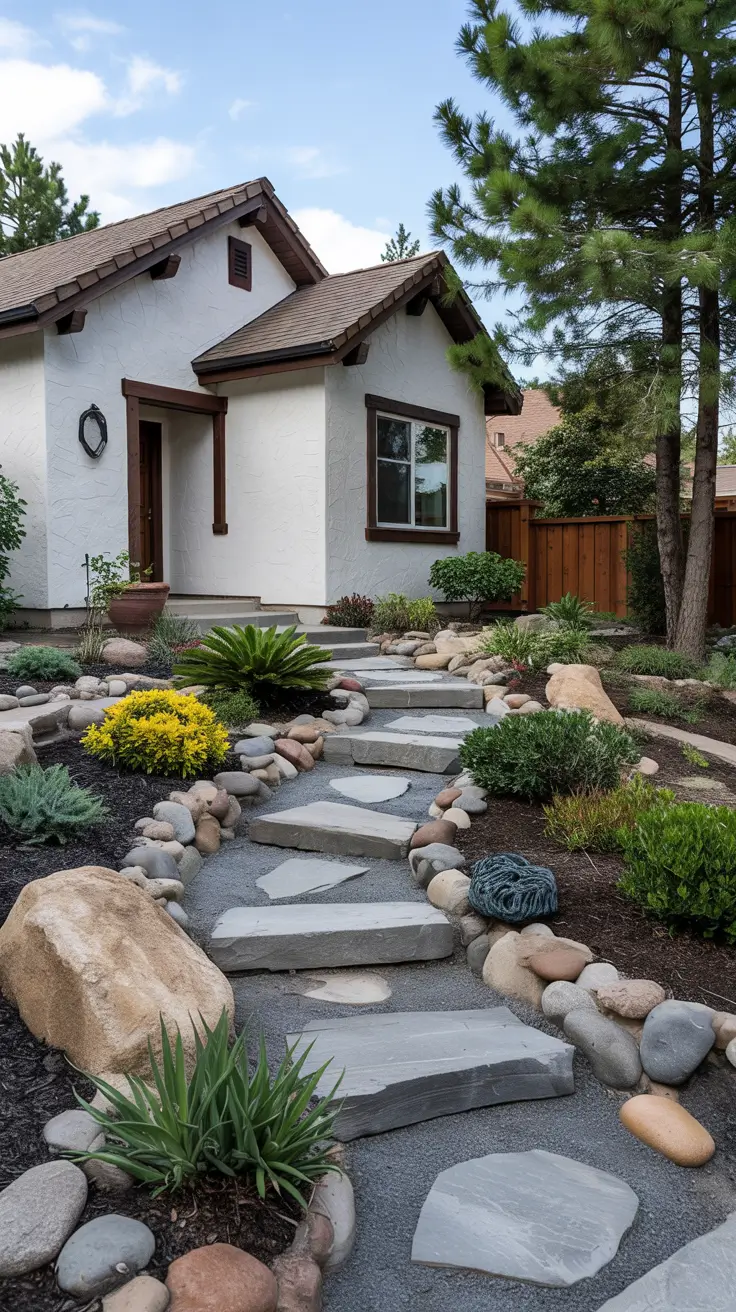
I often work with river stones, boulders, stacked slate, and gravel variations. Larger stones can frame planting beds, while smaller gravel fills open areas where traditional grass might struggle. Combining rocks with drought-tolerant plants creates a natural yet refined look. Adding layered rock borders around pathways helps guide movement and enhance the visual flow.
From my experience, rock-based landscapes are durable and timeless. Leading landscape designers often suggest mixing two stone sizes to create a more natural look, and I find this method very effective. It prevents the yard from appearing flat or too uniform.
I would add a suggestion for incorporating dark mulch or charcoal-toned stones to create strong contrast between plant greenery and hardscape elements.
Pea Gravel Landscaping Ideas for a Clean, Modern Look
Working with front yard landscaping ideas pea gravel allows me to create clean, flexible, and visually light outdoor designs. Pea gravel is one of the most versatile materials, offering affordability and great drainage. It works beautifully with modern and minimalist front yard layouts because of its smooth, polished texture.
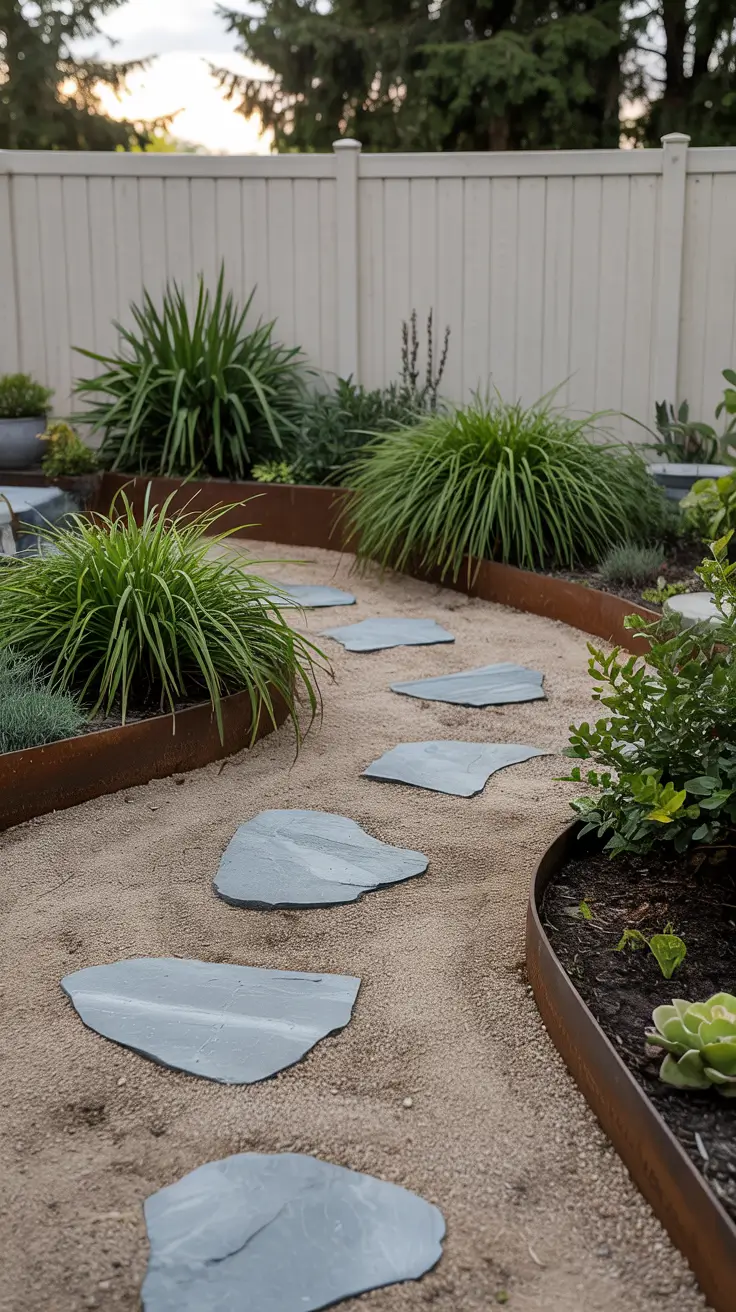
I often design pea gravel patios, walkways, and border areas. It pairs well with stepping stones, raised planters, and metal edging. When used with drought-resistant plants or small clusters of ornamental grasses, the look becomes refined and structured. This material also works well near contemporary façades because its uniform surface creates a calm and organized appearance.
I personally appreciate pea gravel because it fits almost any landscape style—farmhouse, minimalist, rustic, or modern. US outdoor design magazines often recommend it as a low-cost alternative to concrete or pavers, especially for homeowners wanting flexibility and simplicity.
To enhance this section, I would include a suggestion for using a compacted gravel base under pea gravel to improve stability and reduce scattering.
Flower-Filled Front Yard Ideas to Add Color and Charm
When I create front yard landscaping ideas flowers, I focus on building a balanced and vibrant composition that feels natural yet intentional. Flowers can completely transform the mood of a front yard, especially when used in layered planting beds or colorful borders near the entryway. In 2026, homeowners increasingly prefer drought-tolerant blooms and long-lasting perennials that provide strong visual appeal without high maintenance demands.
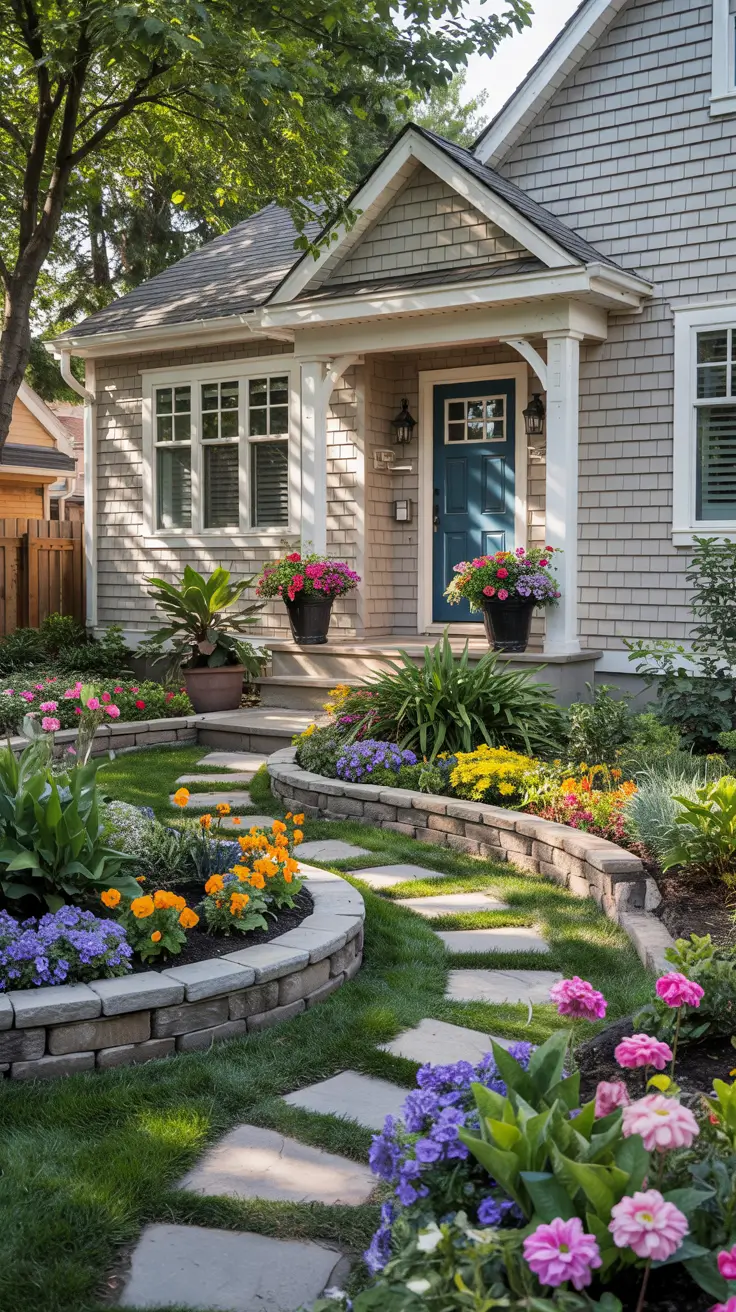
I typically combine flowering shrubs, perennials, and annuals to keep the yard colorful throughout the seasons. Hydrangeas, coneflowers, black-eyed Susans, and lavender work extremely well because they require minimal care yet deliver beautiful color. I also like incorporating curved flower beds, low edging, and accented stone borders to structure the garden and prevent the design from feeling chaotic.
From my experience, flowers near the main entry create the most welcoming impression. Many U.S. garden experts recommend mixing heights and textures, such as pairing tall perennials with ground-level blossoms, and I follow this rule in most projects because it builds visual depth. It’s a simple technique but always elevates the entire design.
A helpful addition to this section would be suggesting a seasonal rotation plan so homeowners can maintain year-round color without constant replanting.
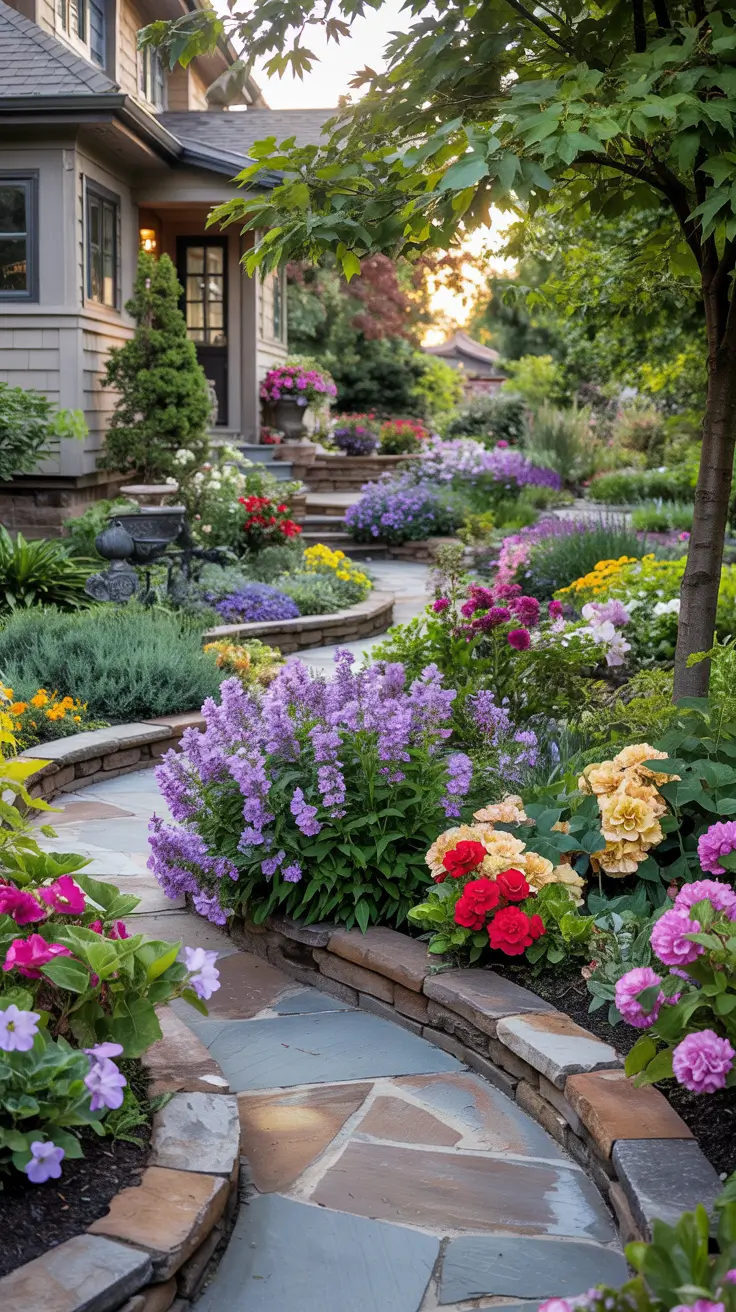
Small House Front Yard Ideas With Big Visual Impact
Designing front yard landscaping ideas small house requires strategic planning, especially when the goal is to maximize visual space and avoid overcrowding. I usually focus on vertical elements, modest plant groupings, and narrow pathways that visually open the area. Small homes benefit from clean edges, symmetrical arrangements, and compact greenery that doesn’t overwhelm the façade.
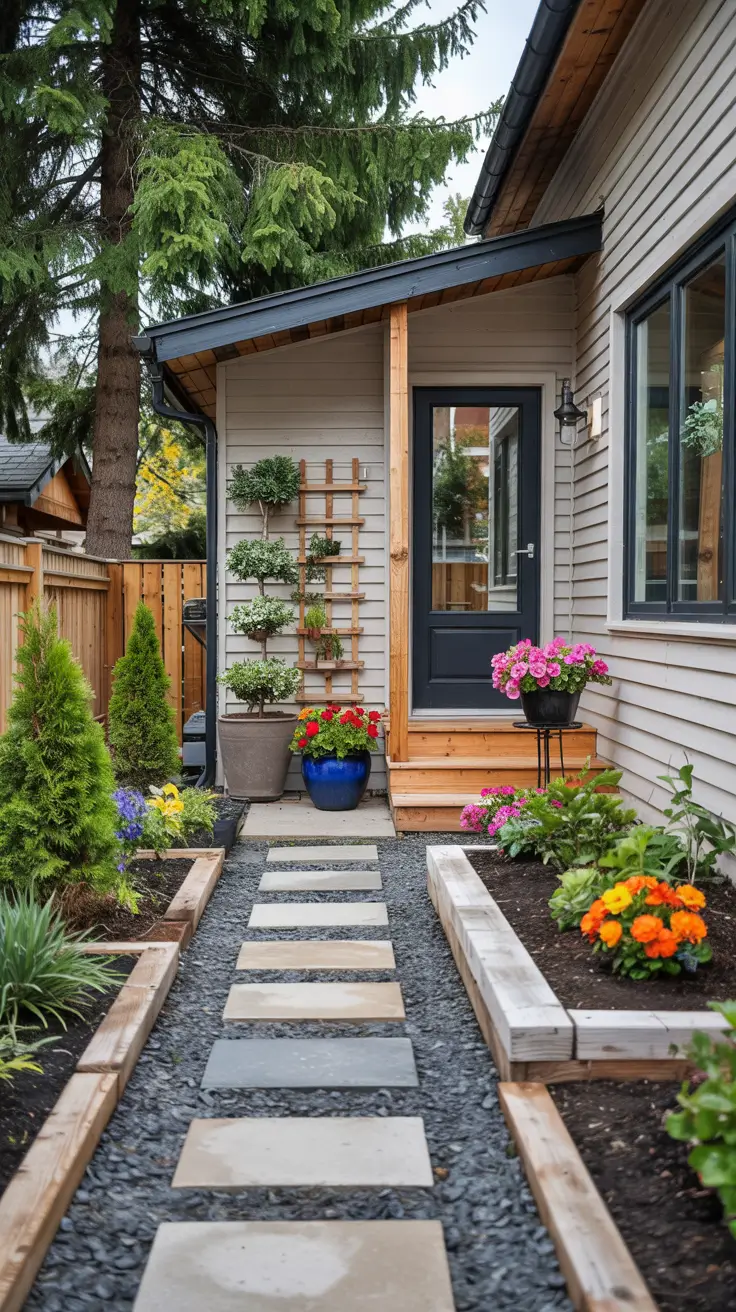
I often include slim raised beds, slender evergreens, small ornamental grasses, and light-colored gravel or mulch. These items allow the yard to breathe while still looking curated. A small stone or gravel path leading to the door can also make a narrow yard feel larger by creating directional flow. Potted plants around the porch help soften the architecture without taking up ground space.
In my experience, small homes actually look more stylish with fewer, well-defined elements. Many U.S. landscape designers encourage avoiding large shrubs or too many mixed colors in small front yards, and I agree because it maintains clarity and visual calm. The goal is to enhance—not hide—the home’s architecture.
I would consider adding a small vertical trellis or slim water feature to introduce height and create an illusion of depth.
DIY Front Yard Landscaping Projects for 2026
When homeowners ask me for front yard landscaping ideas diy, I look for projects that are simple, affordable, and high-impact. DIY landscaping in 2026 focuses on modular designs, easy-to-install features, and materials that don’t require professional tools. This allows homeowners to build attractive additions to their yard without hiring a contractor.

I frequently recommend building wooden planter boxes, installing mulch pathways, creating pea gravel seating nooks, or adding small stone borders. These projects are manageable for beginners and don’t require heavy equipment. Potted flowers, solar lights, and modular edging kits are also excellent options that enhance the yard instantly.
From my experience, DIY improvements are often more successful when homeowners keep the design minimal. U.S. home improvement sources often suggest starting with a single project at a time—such as upgrading the walkway—before moving to larger tasks. I’ve seen homeowners gain confidence as they complete each step, which makes the entire yard makeover more enjoyable.
I would also suggest adding a section on simple irrigation solutions, such as soaker hoses, to help beginners maintain their DIY plantings with minimal effort.
Farmhouse-Style Front Yard Ideas for Rustic Appeal
When planning front yard landscaping ideas farmhouse, I always aim for a cozy, natural, and welcoming aesthetic. The farmhouse style blends rustic charm with modern simplicity, relying heavily on natural textures such as wood, stone, and soft greenery. In 2026, farmhouse trends lean toward warm color palettes, vintage accents, and relaxed plant arrangements.
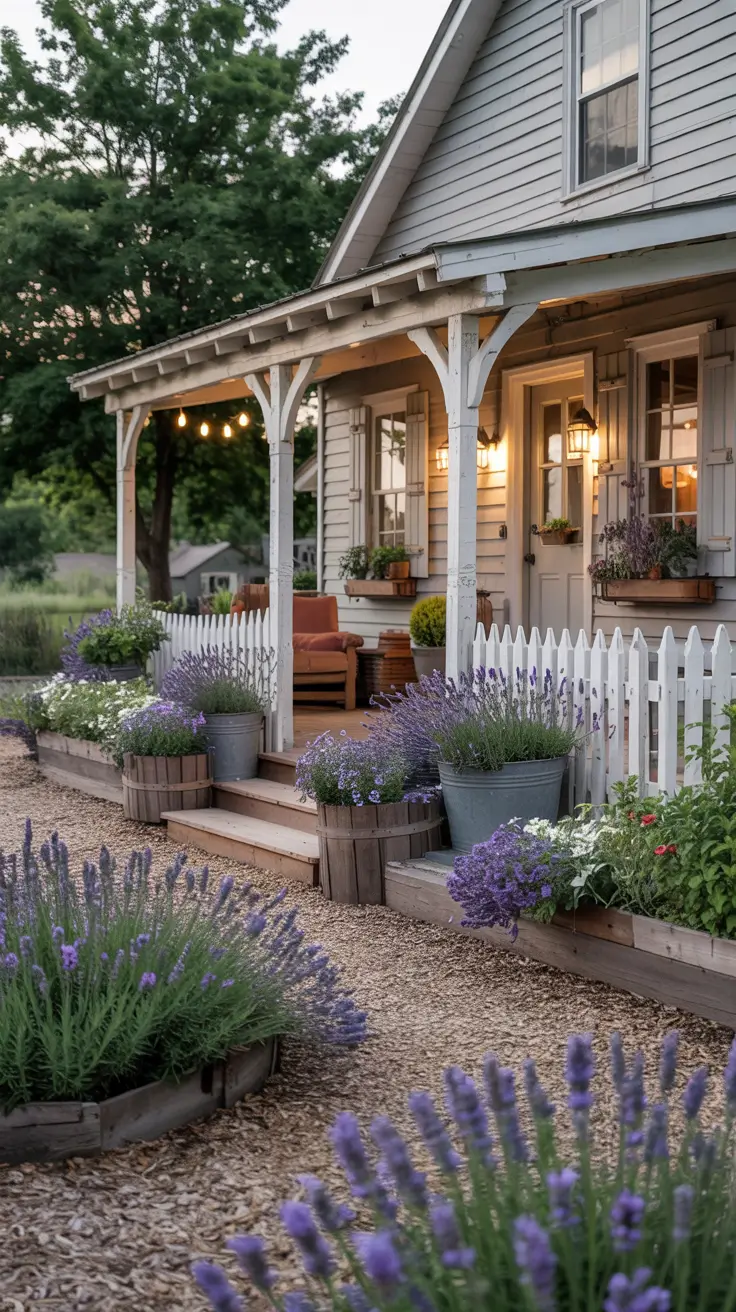
I usually include weathered wooden planters, galvanized metal buckets with flowers, gravel or mulch walkways, and soft shrubs like boxwood or lavender. A traditional porch with wooden rocking chairs or lantern lighting also reinforces the farmhouse mood. Natural tones, such as beige, cream, and soft green, pair beautifully with rustic wood and stone.
I’ve noticed that farmhouse front yards feel most authentic when they avoid overly manicured layouts. Many U.S. outdoor designers recommend incorporating wildflower-inspired arrangements for a natural look, and I often follow this advice because it complements the rustic style perfectly.
For this section, I would add a suggestion for a split-rail or white picket fence, which instantly enhances the farmhouse atmosphere and frames the landscape beautifully.
Full Sun Front Yard Landscaping Ideas That Thrive
When designing front yard landscaping ideas full sun, I choose plants and materials that handle intense sunlight without fading or requiring constant watering. Full-sun front yards can be incredibly beautiful when the right drought-tolerant plants, stones, and ground covers are included. This approach leads to long-lasting, low maintenance results.
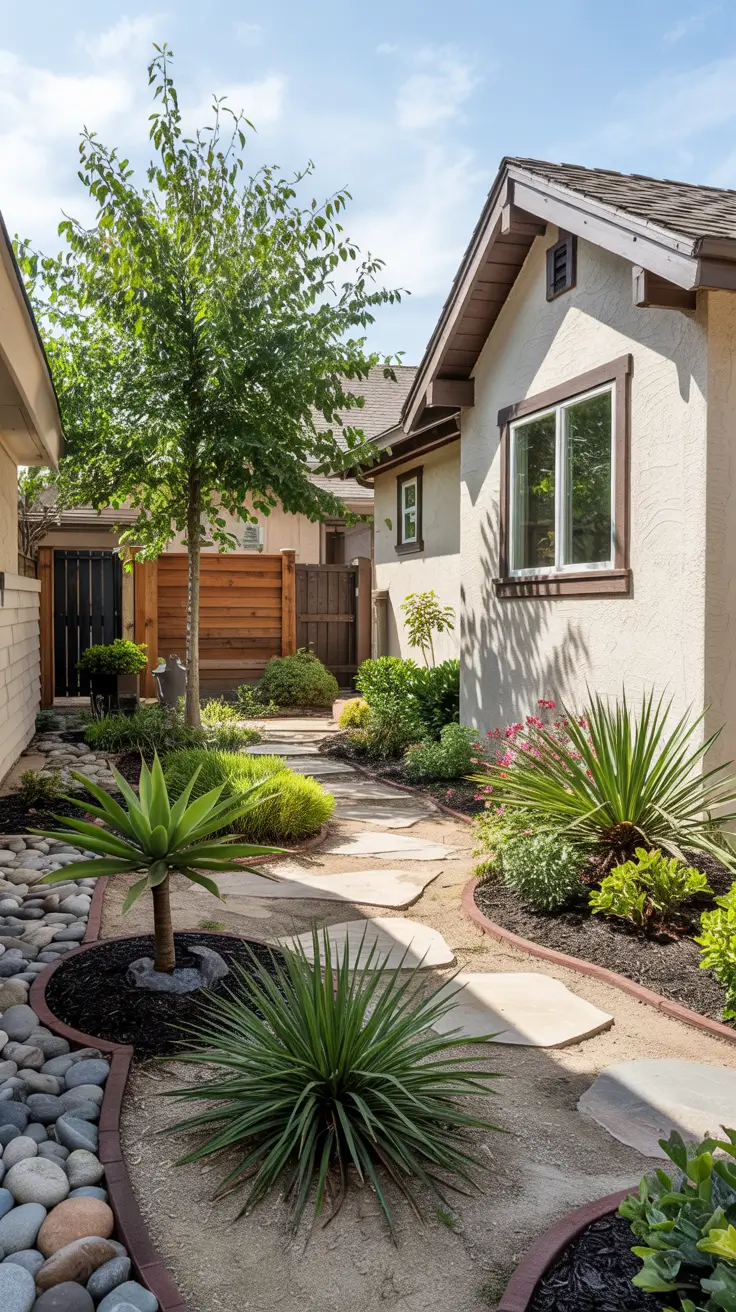
I typically select hardy perennials such as lavender, yarrow, salvia, and ornamental grasses. River rocks, gravel mulch, and stone pathways also perform exceptionally well under full sun because they don’t degrade or dry out. Adding a single shade-providing tree can balance the layout and create a focal point while helping neighboring plants thrive.
From my experience, full-sun landscapes often look more organized when plants are grouped by their water needs. U.S. horticulture experts consistently recommend using native species because they naturally adapt to high heat and intense sunlight. I follow this principle because it ensures healthier landscapes and reduces maintenance significantly.
I’d also include a recommendation for installing a drip irrigation system to keep plants hydrated efficiently without wasting water.
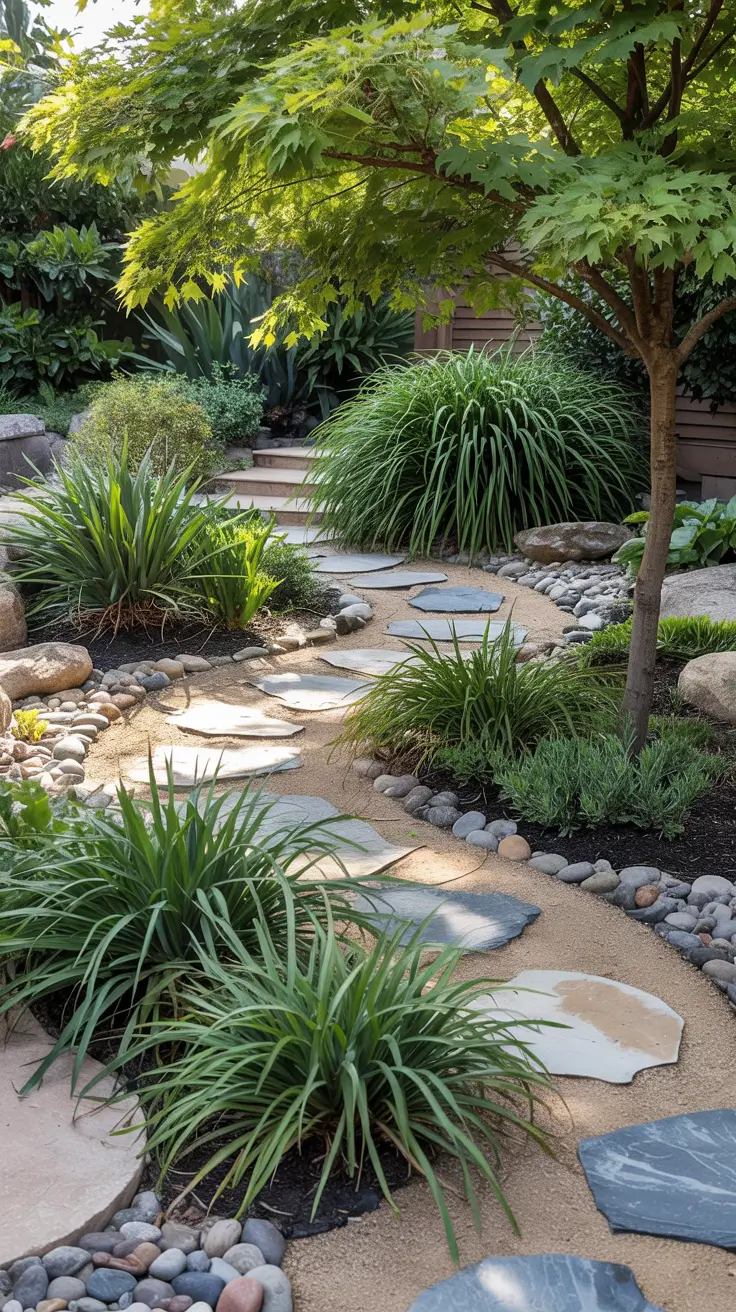
Low-Maintenance Front Yard Ideas for Busy Homeowners
When homeowners want low maintenance solutions, I design front yards that reduce pruning, watering, and upkeep through smart plant selection and simplified layouts. The goal is a stylish front yard that stays attractive year-round without constant attention. This approach is ideal for homeowners seeking long-term convenience.
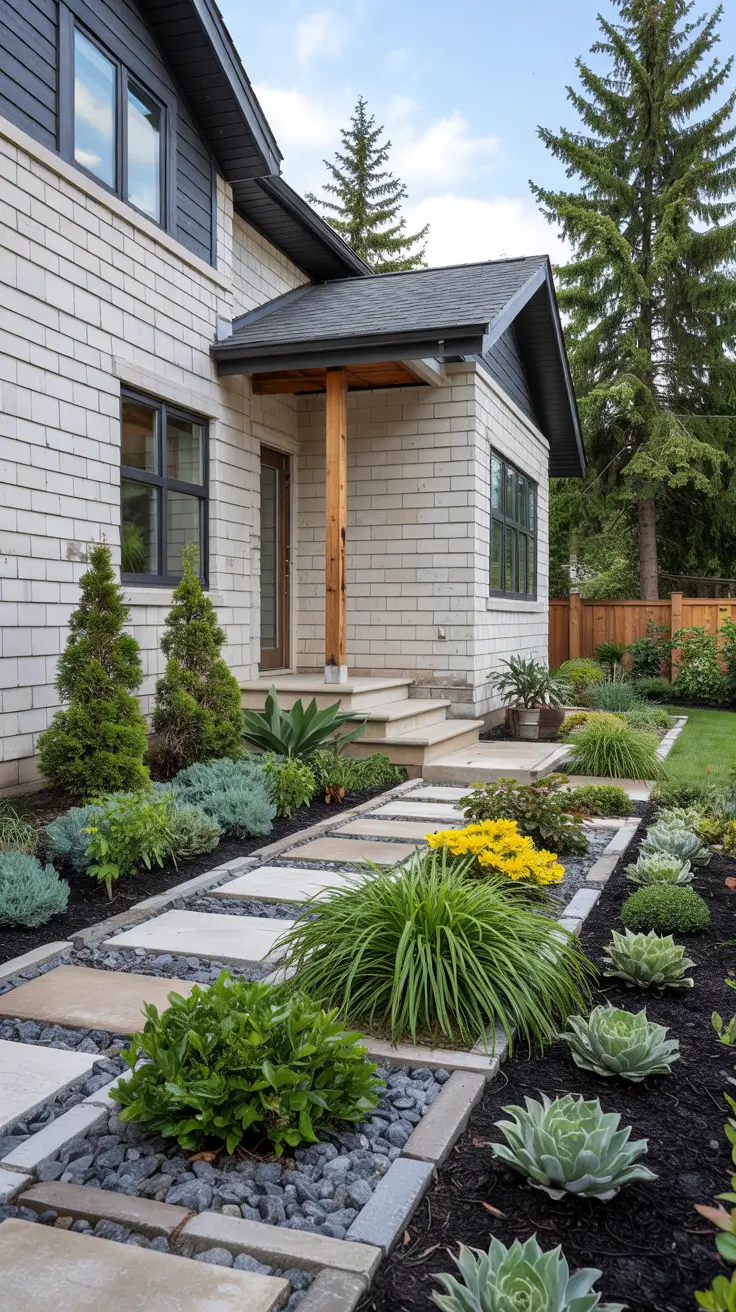
I usually include evergreen shrubs, drought-tolerant perennials, gravel or mulch ground cover, and simple geometric edging. Ornamental grasses, native plants, and stone pathways are staples in my low-maintenance designs because they require almost no care. Replacing traditional grass with gravel or hardy ground cover also dramatically reduces upkeep.
In my experience, low-maintenance yards look best when there are fewer plant varieties but stronger structure. Many U.S. outdoor magazines suggest using repetition—repeating the same plant or shape—to create a cohesive look without extra work. I use this method often to ensure minimal upkeep while still maintaining strong curb appeal.
This section could also include a suggestion for automated lighting or automated irrigation systems, which further minimize maintenance.
Large Front Yard Landscaping Ideas for Spacious Lots
When creating Large front yard designs, I take advantage of the space to build wide pathways, layered plant beds, and strong focal points. A spacious yard offers endless possibilities, but it must be structured well to avoid looking empty or disconnected. Large front yards benefit from scaled-up elements that match the property’s proportions.
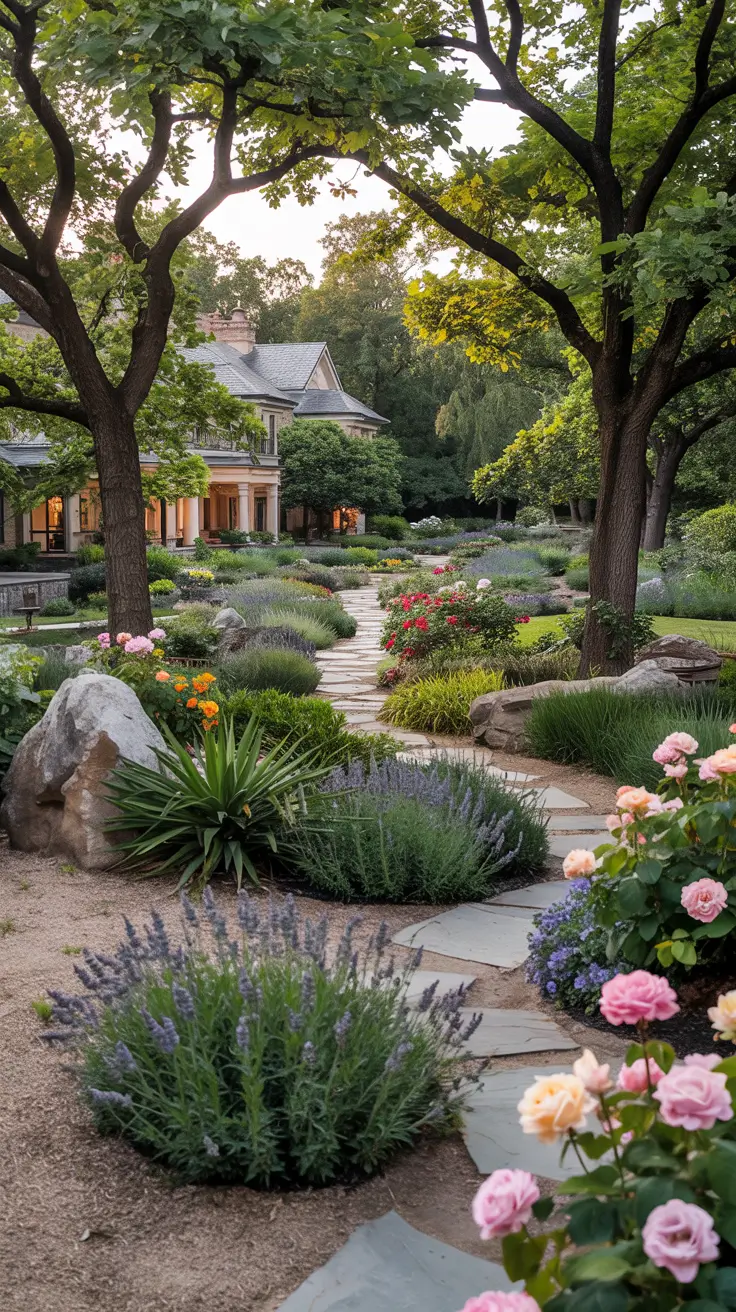
I usually incorporate long walkways, multiple planting zones, medium to large trees, and mixed hardscapes such as stone walls or wide gravel sections. Using clusters of shrubs, tall grasses, and sweeping flower beds helps fill the space without overwhelming it. Larger yards can also accommodate seating areas, water features, or ornamental rock arrangements.
From my experience, the biggest challenge with spacious lots is maintaining balance. U.S. landscape designers often advise using “zones” to break the yard into manageable sections, and I follow this strategy frequently because it keeps the space organized and visually appealing.
For this section, I would add a suggestion to include large-format pavers or oversized planters to ensure the scale matches the size of the property.
Landscaping Ideas for Front Yards With a Slope
When working with a sloped front yard, I always focus on structure and stability before selecting decorative elements. Terracing is usually the most practical approach, allowing the space to be divided into visually appealing, functional levels. It also helps create planting areas that prevent soil erosion, making it easier to maintain a clean and balanced design. This is especially helpful when homeowners want front yard landscaping ideas easy, where the layout itself supports the design. I also incorporate rocks and retaining walls because they strengthen the slope while adding character.
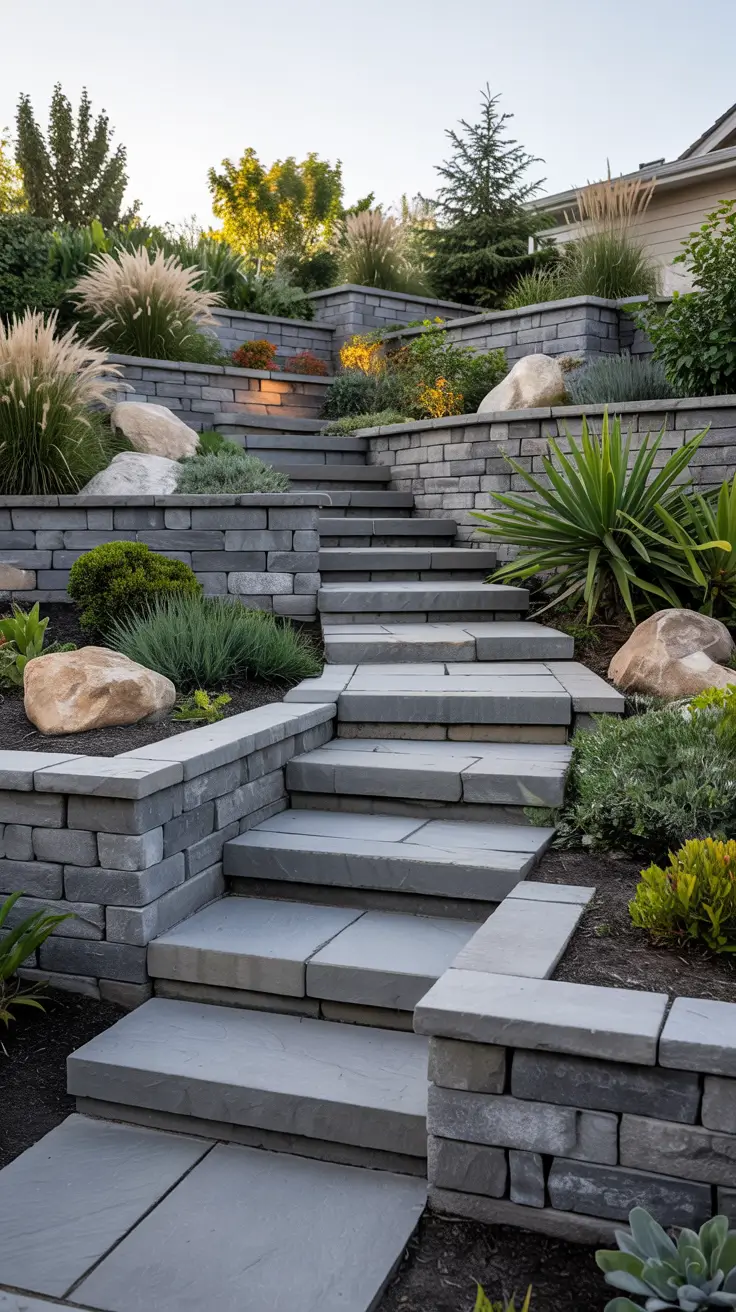
To build a functional yet beautiful sloped yard, I start by installing a multi-level retaining system—either using stone blocks, concrete, or large boulders. Terraced steps or pathways often run through the middle, giving the yard a polished and accessible feel. I include plants that thrive on slopes, such as ornamental grasses, creeping groundcovers, and drought-resistant shrubs, especially when the area receives full sun. These plants hold soil in place better and require less frequent watering, which makes the design both attractive and practical.
From my experience, sloped yards are frequently underestimated by homeowners, but they offer some of the best opportunities for standout curb appeal. Experts at Better Homes & Gardens regularly emphasize terracing as one of the most effective ways to turn a challenging slope into a high-impact, low-maintenance feature. I agree completely—proper grading and thoughtful design transform a once-difficult space into a highlight of the home.
If I were to expand this section, I would add lighting along the terraces and steps to enhance visibility and create a layered glow at night. This not only improves safety but makes the slope look even more structured and intentional.
Front Yard Tree Ideas for Shade, Structure, and Beauty
When choosing a tree for the front yard, I look at the home’s architecture, the available space, and how much shade the homeowner wants. A well-chosen tree helps define the entire front yard layout, provides natural cooling, and enhances curb appeal. In modern designs, I often use columnar trees for narrow yards or sculptural trees for homes leaning toward contemporary style. A single, visually striking tree can even become the centerpiece around which the rest of the landscaping revolves.
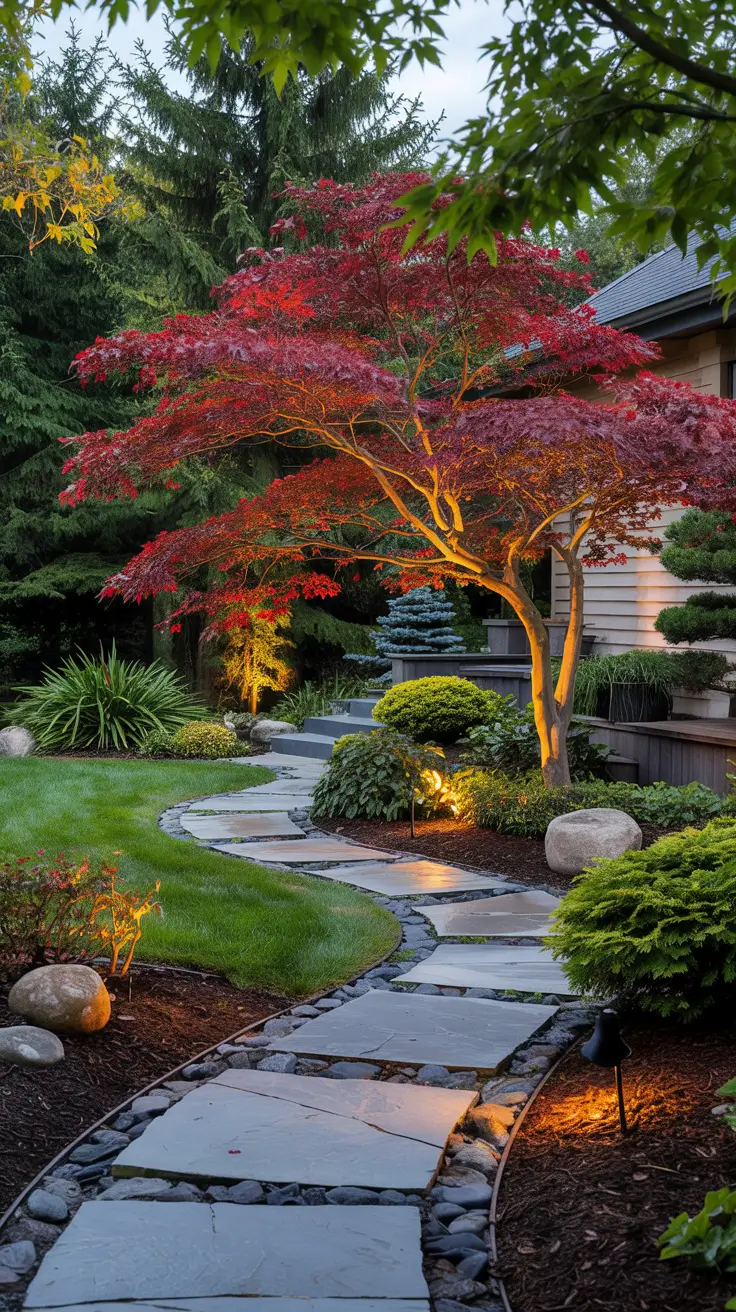
In my design plans, I include species such as Japanese maple, crepe myrtle, river birch, or ornamental pear trees. These trees work well in a variety of climates and deliver impressive seasonal color. If the yard gets full sun, I choose species specifically adapted to high light levels. Beneath the tree, I add layered landscaping: mulch beds, shade-tolerant plants, and sometimes a simple stone border to visually anchor the tree.
From personal experience, a tree improves the aesthetic value of the home more than nearly any other landscaping element. Landscape architects from HGTV consistently recommend planting a single ornamental tree as an affordable way to dramatically improve a home’s presence from the street. I’ve found this to be true time and time again.
If I were to add anything to this section, it would be a recommendation for up-lighting the tree. A soft, warm spotlight creates nighttime drama and makes the tree stand out even after dark.
Low-Maintenance Large Front Yard Ideas for Easy Care
In a large front yard, low-maintenance design is essential to prevent overwhelming upkeep. I generally reduce the lawn area and replace it with structural planting beds, wide pathways, and durable hardscaping. This not only minimizes weekly chores but makes the yard feel more organized. Using drought-tolerant plants and large groupings of vegetation also supports practical, low maintenance landscaping for spacious properties.
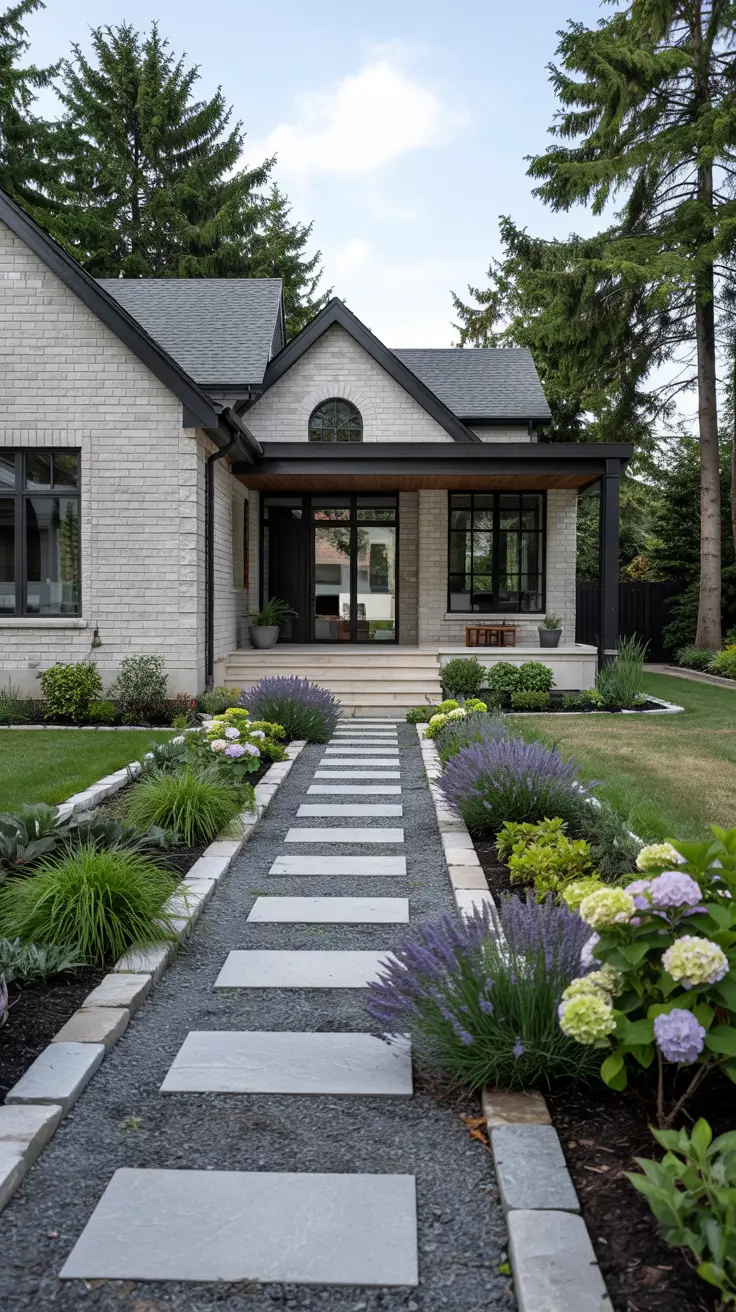
I often incorporate wide gravel or pea gravel pathways, mulched plant beds, and mass plantings of shrubs and perennials. Ornamental grasses, lavender, hydrangeas, and junipers create a balanced mix of color and structure while requiring minimal attention. Stone borders, raised beds, and boulder groupings add visual interest without increasing maintenance needs. This approach works especially well with front yard landscaping ideas modern because it feels clean and intentional.
Large yards can be intimidating, but simplifying them makes a transformation achievable. Sunset Magazine often recommends reducing grassy areas in favor of low-care foundation plantings—a strategy I fully endorse. With fewer high-maintenance features, the yard becomes easier to care for and more enjoyable year-round.
If needed, I would add a drip irrigation system here. It ensures that even a large, low-maintenance yard gets efficient watering with minimal effort.
Front Yard Grass Alternatives for a Modern Look
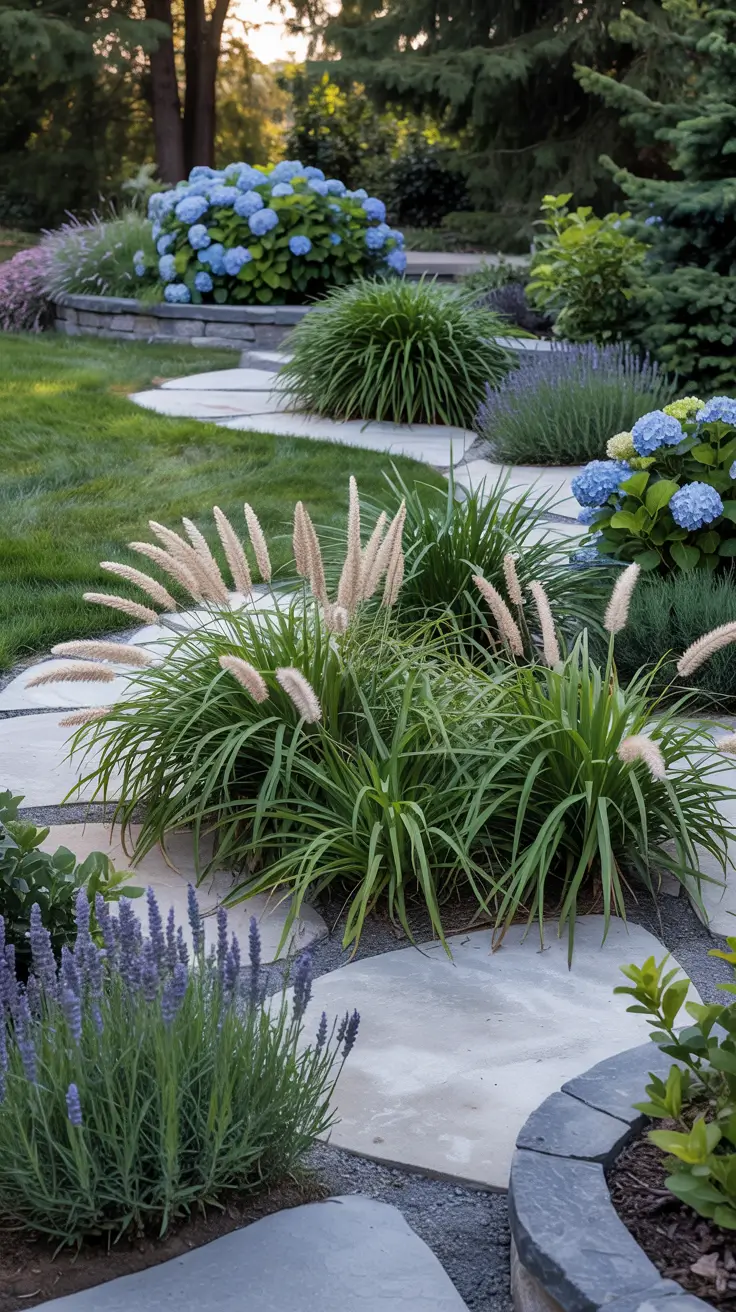
When I want to modernize a front yard, eliminating or reducing traditional grass is usually the fastest and most visually impactful change. Grass requires mowing, fertilizing, and watering, which doesn’t align with the trend toward sustainability and low maintenance landscaping. Instead, I often recommend groundcovers, gravel, pavers, and mixed hardscapes that bring texture and style while staying eco-friendly.
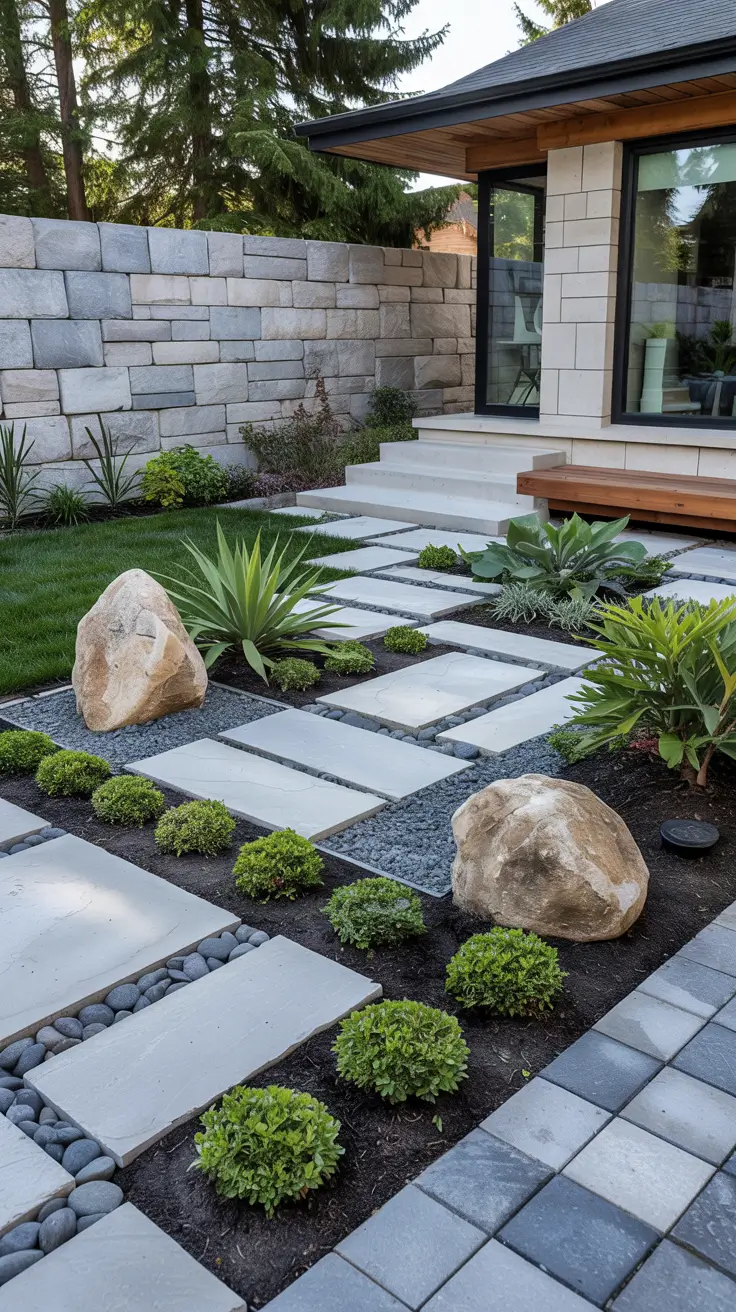
To replace grass, I typically use creeping thyme, sedum, clover, decomposed granite, or pea gravel as foundational materials. I often incorporate large-format pavers to create geometric walkways and gathering zones. These materials look especially good in modern front yards where symmetry and structure play a big role. Planters, boulders, and raised beds also help break up the space and keep the yard looking intentional rather than sparse.
From my professional perspective, grass alternatives not only save time but significantly reduce water consumption. The American Society of Landscape Architects continues to highlight lawn replacement as one of the strongest landscaping trends across the country.
If I expanded this section, I would recommend integrating a small seating area with gravel flooring to make the space even more functional.
Eco-Friendly Front Yard Landscaping Ideas for 2026
Eco-friendly landscaping is more popular than ever, and I always encourage homeowners to adopt sustainable practices wherever possible. These designs focus on water reduction, natural materials, native plants, and minimal chemical use. This approach works beautifully with both front yard landscaping ideas simple and more elaborate designs since sustainability complements any aesthetic.
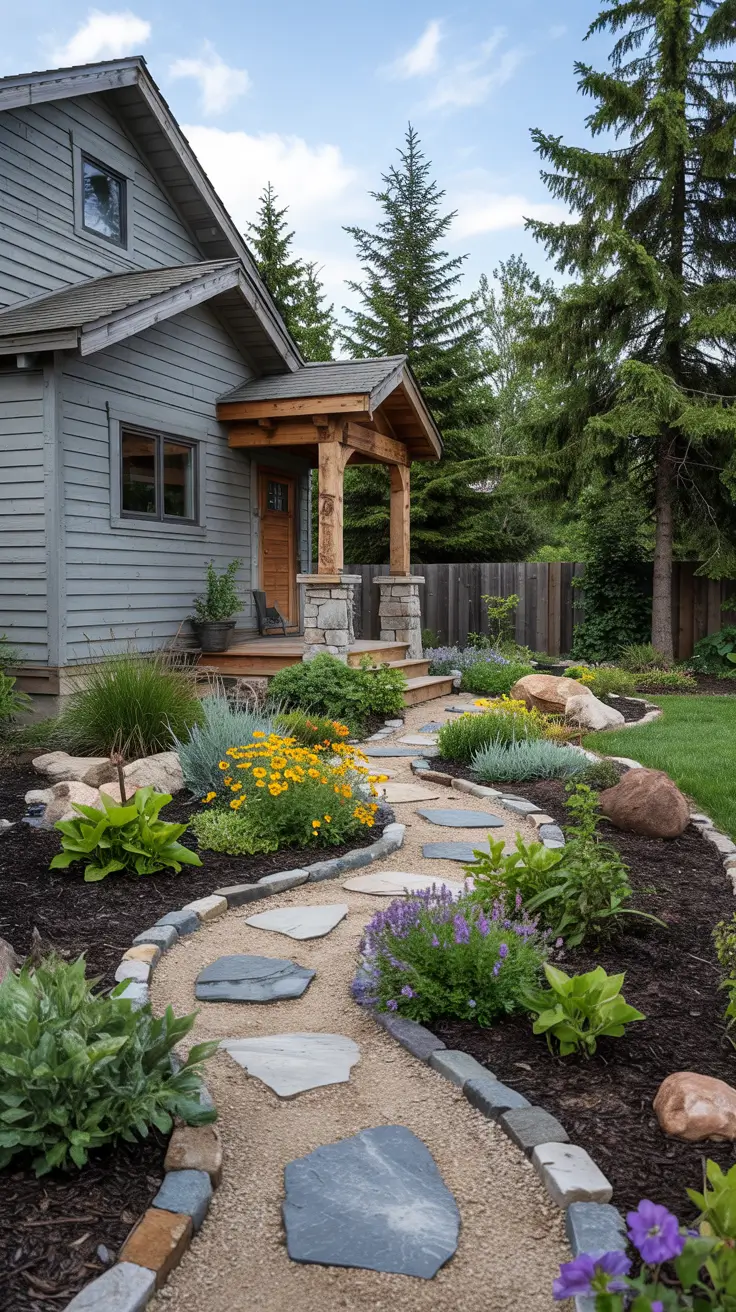
I incorporate native plant varieties, permeable pathways, rain gardens, and reclaimed materials into eco-friendly front yard plans. Native shrubs, wildflowers, and drought-tolerant groundcovers require less watering and maintenance while supporting local wildlife. Mulch beds, stone borders, and gravel areas help regulate soil moisture. Even using rocks strategically reduces the need for irrigation while adding visual contrast.
Professionally, I see sustainability becoming a long-term standard, not just a trend. Garden Design Magazine often encourages homeowners to plant native species and reduce lawn areas to protect local ecosystems—advice I regularly apply in my work.
If I added anything here, it would be a recommendation for compost mulch. It enriches the soil naturally and supports plant health without chemicals.
Water-Wise Front Yard Designs for Sustainable Living
Water-wise landscaping is essential in areas where water restrictions or drought conditions are common. I try to design yards that prioritize efficiency while still offering beauty. This includes reducing turf, choosing drought-resistant plants, and incorporating materials that help retain moisture. Many homeowners search for front yard landscaping ideas on a budget, and water-wise designs often help save money long-term.
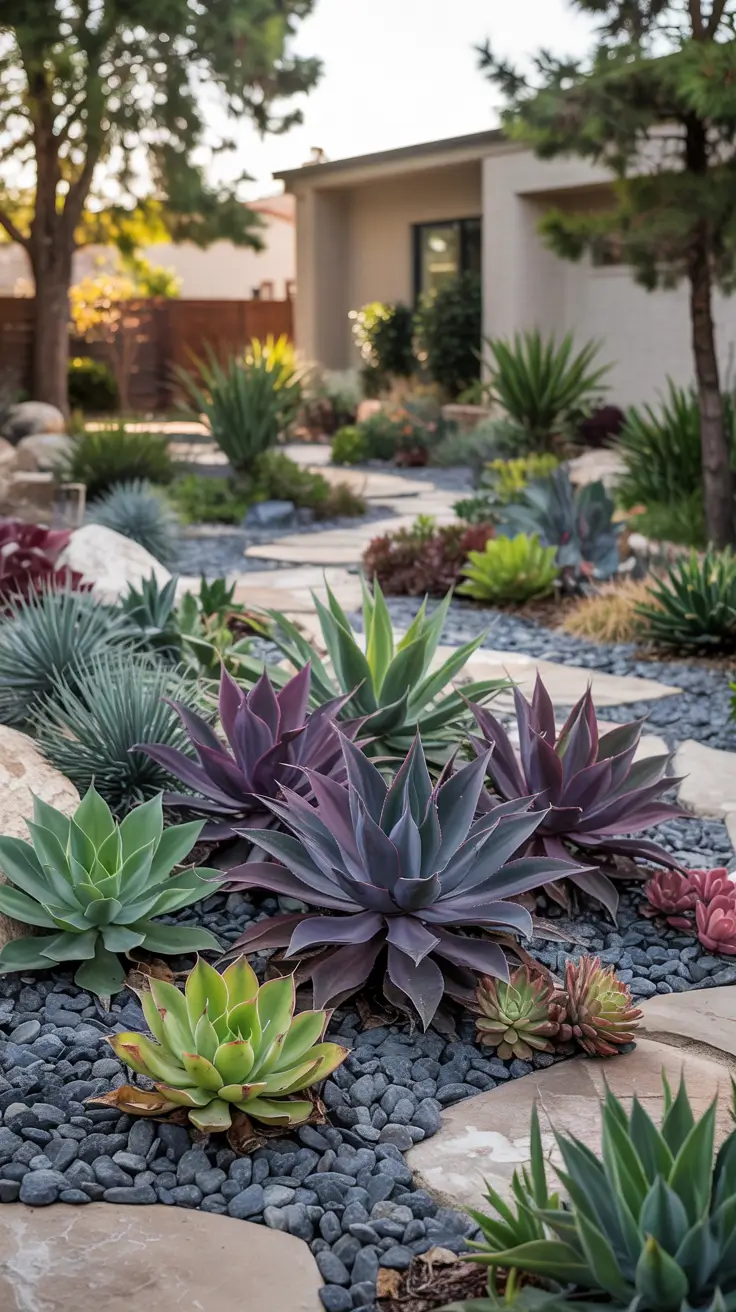
I frequently use xeriscaping principles, gravel mulches, drip irrigation, and heat-resistant plants such as succulents, agave, and ornamental grasses. Stone pathways, gravel zones, and raised rock gardens support this type of design. When paired with front yard landscaping ideas flowers—specifically drought-tolerant blooms like yarrow or black-eyed Susan—the result feels natural and vibrant rather than dry or sparse.
In my experience, water-wise designs are some of the most durable and future-proof. The Environmental Protection Agency (EPA) continuously highlights the value of xeriscaping for reducing water usage while maintaining curb appeal.
If I expanded this section, I would suggest adding a rainwater catchment system to further support sustainability efforts.
Front Yard Lighting Ideas for Nighttime Curb Appeal
Outdoor lighting is a crucial part of front yard design, especially for homeowners wanting strong curb appeal and functional pathways. I typically use layered lighting to highlight the home’s architecture, landscaping accents, and trees. Proper lighting also increases safety while giving the property a warm, inviting nighttime appearance. This is an essential component of front yard landscaping ideas modern because clean, strategic lighting defines the overall aesthetic.
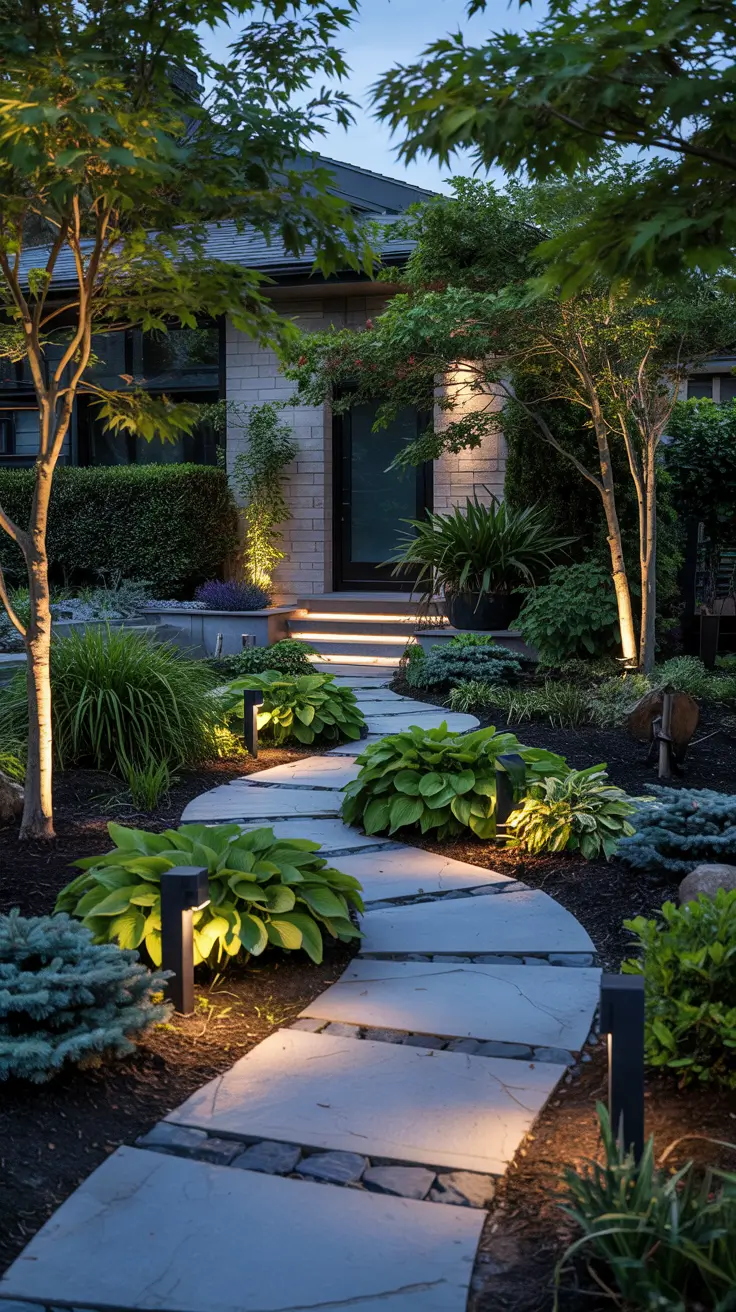
I incorporate pathway lights, uplights for trees, lantern-style fixtures near the entryway, and soft LED spotlights for plant beds. Under-step lighting looks excellent on terraced or sloped yards, while wall-mounted sconces help illuminate the porch area. Warm white lighting is my go-to because it creates a cozy yet sophisticated glow.
From my experience, lighting is one of the easiest upgrades with the biggest visual payoff. Designers at Architectural Digest often emphasize that exterior lighting can completely transform how a home appears at night. I fully support this approach and make it a standard part of my landscaping plans.
If I added anything to this section, it would be smart lighting systems that allow homeowners to control the brightness and schedule lighting from their phones.
Save Pin