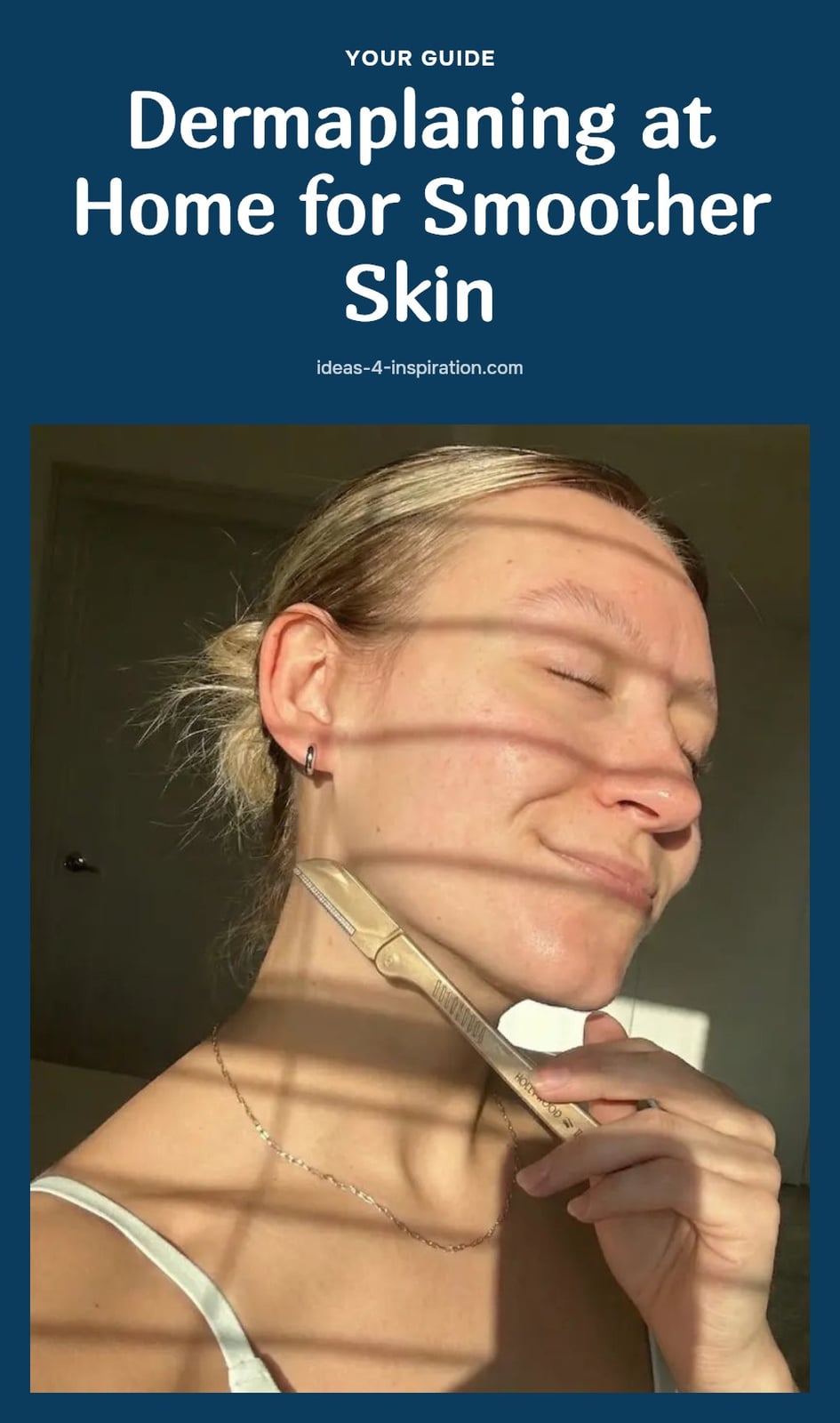
If you’ve been noticing peach fuzz and dull-looking skin, dermaplaning might be the gentle exfoliation your routine is missing. This at-home treatment uses a sterile blade to sweep away dead skin cells and vellus hair, leaving your face smoother and helping your serums sink in better. In this article, I’ll walk you through the full process, from prepping your skin to post-care, plus common mistakes to avoid and answers to your burning questions.
Key Takeaways
- Always start with clean, completely dry skin before dermaplaning.
- Hold the blade at a 45-degree angle and use light, short strokes.
- Never dermaplane over active acne, cuts, or irritated skin.
- Space sessions three to four weeks apart for best results.
- Apply moisturizer and broad-spectrum sunscreen after every session.
What is Dermaplaning and How Does It Work?
Dermaplaning is a physical exfoliation method that uses a sterile blade to remove dead skin cells and vellus hair (peach fuzz) from your face. It reveals smoother, brighter skin and helps skincare products absorb better. You can do it at home with specialized tools, but careful technique is essential for safety.
1. Gather Your Dermaplaning Essentials

You will need a specialized dermaplaning tool or a single-edge razor designed for facial use. Always use a new, sterile blade for each session to prevent infection and ensure effectiveness.
- Gentle cleanser to prep your skin
- Rubbing alcohol for blade sanitation if reusing, though new is best
- Hydrating serum and moisturizer to soothe after
- Broad-spectrum sunscreen (SPF 30+) for daily protection
2. Cleanse and Dry Your Face Thoroughly
Start with a clean slate: wash your face with a gentle cleanser to remove makeup, oil, and impurities. Ensure your skin is completely dry before you begin. Dermaplaning on damp skin can cause tugging and irritation.
My tip: Pat your skin dry with a clean towel and let it air dry for a minute or two to be absolutely sure.
3. Hold Skin Taut and Blade at 45 Degrees

This is crucial for safety and effectiveness: use your free hand to stretch a small section of skin taut. Hold your dermaplaning tool at a 45-degree angle to your skin, not flat or perpendicular. A proper angle allows the blade to gently exfoliate without digging into the skin.
4. Use Light, Short, Downward Strokes
Keep the pressure feather-light and the strokes short, no longer than an inch, moving downward across each cheek, the jaw, and the upper lip. Work in small sections and run the blade with the direction of hair growth, which is usually downward and slightly outward, so the blade glides smoothly without tugging.
- Check the blade: if it starts to drag instead of glide, stop and swap it out.
- Skip repeat passes: avoid going over the same area multiple times to prevent irritation and keep results even.
5. Avoid Sensitive or Compromised Areas
Skip any spot with active acne, a breakout, a mole, a cut, or skin that already looks red or irritated. A blade over a pimple can spread bacteria to the rest of your face, and going over a raised mole or an open cut risks injury rather than exfoliation.
If you have eczema, psoriasis, cold sores, or skin that reacts easily, ask a dermatologist before you try dermaplaning at home. These conditions can flare from physical exfoliation, and a professional can tell you which areas, if any, are safe to treat.
6. Soothe and Protect Your Skin Post-Dermaplaning

Wipe the blade and your face with a clean, damp cloth to lift away the fuzz and dead skin, then move straight into hydration. A hydrating serum followed by a rich moisturizer helps calm the skin and supports the barrier right after exfoliation.
My tip: your skin is extra receptive right now, so this is the moment for a hyaluronic acid serum. Apply it to dry skin and seal it in with moisturizer.
Caution: apply a broad-spectrum sunscreen of SPF 30 or higher every morning after dermaplaning. Freshly exfoliated skin is more sensitive to the sun, and daily SPF is what protects the smooth result you just created.
7. Maintain Your Smooth Skin Routine
Space sessions three to four weeks apart. That gap lets the top layer of skin recover before you exfoliate physically again, and it matches the natural cycle of skin cell turnover.
Hold off on retinoids and AHAs or BHAs for a few days before and after each session, since stacking chemical exfoliation on fresh dermaplaned skin can sting and irritate. Steady timing, rather than more frequent passes, is what keeps skin smooth and bright over the long run.
Common Dermaplaning Mistakes to Avoid
Most problems with at-home dermaplaning come down to a handful of habits, and each one is easy to fix once you know what to watch for.
- Using too much pressure: Pressing hard does not remove more skin, it just invites nicks, cuts, and redness. Feather-light strokes are all you need.
- Not stretching skin taut: Loose skin lets the blade skip or tug, which causes uneven exfoliation and the occasional cut. Stretch each small section before the blade touches it.
- Using a dull or dirty blade: A dull edge drags on the skin instead of gliding, and a dirty one risks infection. Start every session with a new, sterile blade.
- Dermaplaning on active breakouts: A blade over a pimple can spread bacteria and make the breakout worse. Work around those spots and wait until the skin calms down.
- Skipping SPF afterward: Freshly exfoliated skin is more vulnerable to sun damage, so sunscreen is non-negotiable. Apply a broad-spectrum SPF 30 or higher the same day and every day after.
Caution: If you notice severe redness, swelling, or pain after a session, stop and have a dermatologist take a look.
Frequently Asked Questions
How often should I dermaplane?
Most people can safely dermaplane every three to four weeks. This gap matches your skin’s natural cell turnover cycle and gives the top layer time to recover. If you have very sensitive skin, you might need to wait longer between sessions, so listen to your skin and adjust accordingly.
Will dermaplaning make my hair grow back thicker?
No, that’s a common myth. Dermaplaning only removes the hair at the surface, so it doesn’t change the follicle or the thickness of regrowth. When the hair does grow back, it may feel stubbly for a few days, but it will look and feel the same as before, not darker or coarser.
Can I dermaplane if I have sensitive skin?
Yes, but proceed with caution. Sensitive skin is more prone to redness and irritation, so do a patch test on a small area first. Use the lightest pressure possible, avoid active breakouts or irritated patches, and stop if you notice severe redness or discomfort. If you have a condition like eczema or rosacea, talk to your dermatologist first.
What should I avoid after dermaplaning?
Right after dermaplaning, your skin is freshly exfoliated, so skip harsh exfoliants like AHAs or BHAs, retinoids, and any scrubs for at least a few days. Also avoid direct sun exposure and always wear a broad-spectrum sunscreen. Stick to gentle cleansing, hydrating serums, and a rich moisturizer to help your skin recover.
Is dermaplaning painful?
For most people, dermaplaning is not painful. You may feel a light scraping sensation, but it shouldn’t hurt. If you experience any sharp pain, you’re likely using too much pressure or the blade is dull, so stop and adjust your technique. Redness or mild tingling afterward is normal, but severe discomfort is a sign to stop.
Final Thoughts
My tip: treat dermaplaning like a mini ritual, not a chore. Set aside 10 to 15 minutes, use a fresh blade each time, and follow the steps in order. You’ll likely see smoother skin right away, but the real payoff comes with consistency, so plan to repeat it every three to four weeks. If you have any doubts about your skin type or a specific condition, check with a dermatologist before your first session.
This article is for general informational purposes only and is not a substitute for professional medical or dermatological advice. Always consult a qualified healthcare provider or dermatologist before starting any new skincare treatment, especially if you have sensitive skin, a skin condition, or any concerns. If you experience severe redness, swelling, pain, or signs of infection, stop use and seek medical attention.