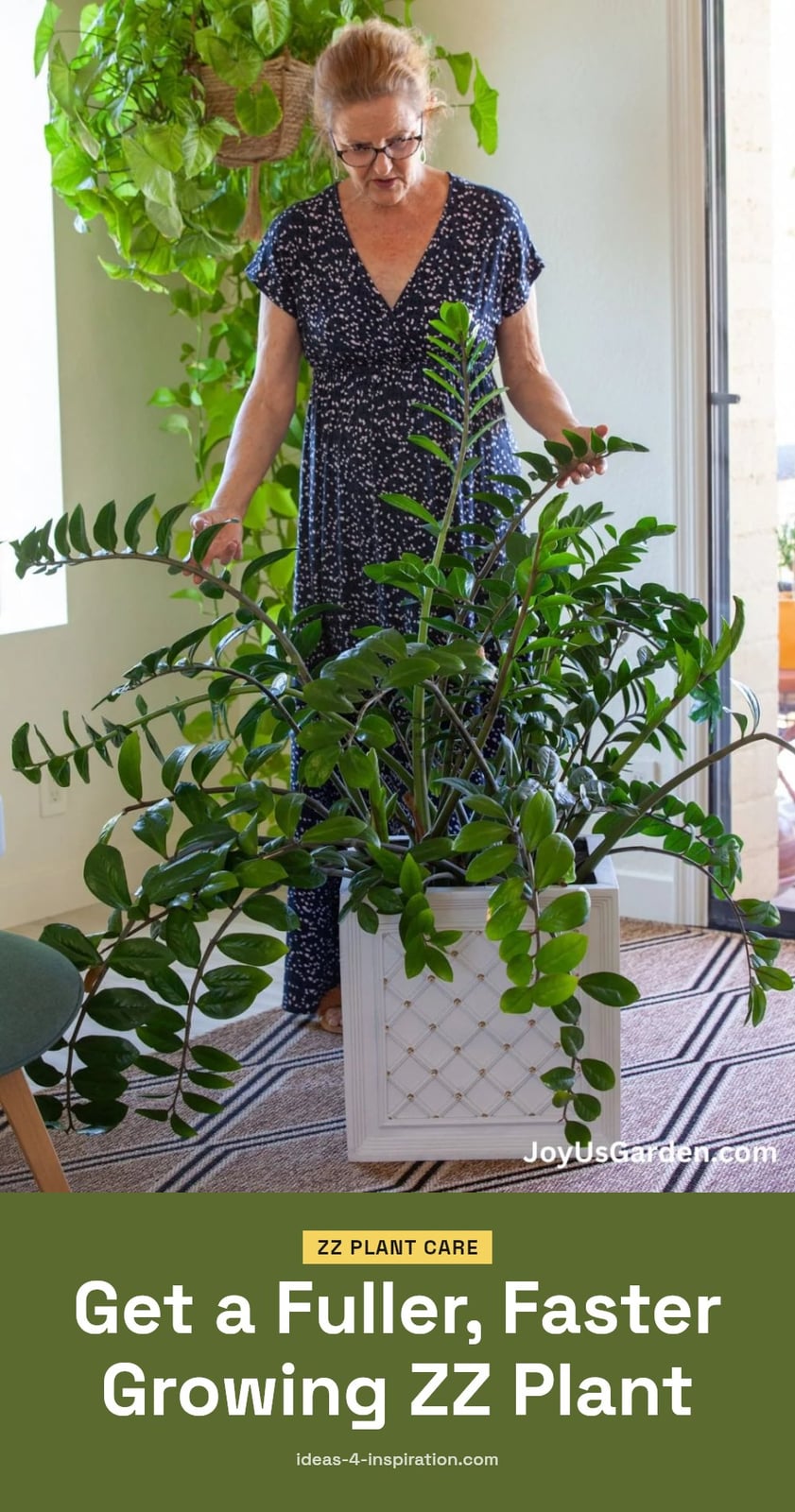
If your ZZ plant has been sitting in the same spot for months without much to show for it, the fix is usually less about doing more and more about doing the right things consistently. This plant is built to survive neglect, so coaxing faster, fuller growth means getting light, water, and feeding right rather than piling on extra care.
This article walks you through picking a healthy plant, setting up a simple care routine, and avoiding the habits that stall growth, so you know exactly where to focus.
Key Takeaways
- Give bright, indirect light for about 12 hours a day; low light slows growth and makes stems leggy.
- Water only when the soil is completely dry, typically every 3 to 4 weeks.
- Fertilize monthly at half strength during the growing season, dropping to 25% as growth slows.
- Flush the soil every 3 to 4 waterings to clear fertilizer and tap water salt buildup.
- Repot every 2 to 3 years into a pot only one size larger, using a well-draining mix.
Encourage Faster, Fuller ZZ Plant Growth
Faster, fuller growth comes from steady care, not quick fixes. Give your ZZ plant bright, indirect light, water only when the soil is completely dry, and fertilize sparingly during the growing season. Wipe the leaves now and then and trim leggy stems at the base, and the plant will look denser and glossier. Patience: this species is a slow grower, so expect visible changes over several months to a year, not weeks.
Choosing a Healthy ZZ Plant to Start With

Start with a strong plant and half the care battle is already won. Pass on anything with yellowing, limp, or wrinkled leaves or soft, drooping stems, since those signal overwatering, underwatering, stress, or rot.
- Leaves: look for vibrant, glossy, firm, waxy foliage on upright, firm stems.
- Soil: it should be slightly dry, not damp and compacted, which can point to root rot.
- Roots: pale and firm, never brown or mushy.
- Pests: check the top and underside of leaves for sticky residue, sooty mold, or holes.
- Shape: shorter stems with thick leaves usually mean a well-cared-for plant.
Step-by-Step Care for a Thriving ZZ Plant

Once the plant is home, a simple routine keeps it healthy. Work through these in order and repeat the watering and cleaning steps as the seasons go.
- Set the light: place the plant where it gets bright, indirect light for about 12 hours a day, near a window or under grow lights in winter or in dim rooms.
- Hold the temperature steady: aim for 65-75°F and keep the plant away from cold drafts, air conditioning vents, and open windows, because temperature swings stress the leaves.
- Check before you water: push a wooden dowel or moisture meter into the soil and water only when it comes out completely dry, usually every 3-4 weeks.
- Water top and bottom: set the pot in a bowl, pour from the top until water collects in the bowl, and let the plant soak. Even hydration like this also helps prevent fungus gnats.
- Fertilize lightly: feed monthly in spring and summer with a balanced liquid houseplant fertilizer at half the recommended strength, dropping to 25% as growth slows.
- Leach the soil: every 3-4 waterings, flush the pot thoroughly in a shower, sink, or outdoors to wash out salt buildup from fertilizer and tap water.
- Prune sparingly: cut only yellowing or dead leaves with clean, sharp shears, since the plant needs its healthy foliage to grow.
- Wipe the leaves: dust blocks photosynthesis, so clean the foliage with a damp microfiber cloth to keep it working and shiny.
- Repot rarely: move the plant into a pot one size larger every 2-3 years, or when it is visibly pot-bound, using a well-draining succulent or cactus mix.
Here is the method in action: MonstroFarm demonstrates it in about 10 minutes. The how-to part starts at 0:31.
Common ZZ Plant Care Mistakes to Avoid
Most struggling ZZ plants are reacting to one of a few fixable habits. Watch for these:
- Overwatering: it is the most common cause of death and leads to root rot. Check soil moisture with a dowel or meter before every watering instead of following a calendar.
- Wrong potting soil: heavy, moisture-retentive mixes smother roots. Use a well-draining succulent or cactus blend.
- Direct sunlight: intense sun scorches the leaves. Bright, indirect light is the target.
- Over-fertilizing: these plants need little food, and excess fertilizer burns roots, especially during dormancy.
- Repotting too often or too large: ZZ plants like being slightly root-bound, and an oversized pot holds water the roots cannot use.
- Standing water: a pot without drainage holes traps moisture at the bottom. Always empty the saucer.
Expert Tips for a Healthier, Fuller ZZ Plant

Some habits do more for fullness than any product on a shelf. Keep these in mind as you settle into a routine.
- Patience is key: ZZ plants are naturally slow growers, so expect visible changes in growth and fullness to take several months to a year of consistent care. A plant that looks the same in six weeks is not failing you.
- Rhizome power: The potato-like rhizomes underground store water, which is why the plant handles drought so well. When you are tempted to water early, remember that reserve is doing its job.
- Pest resistance: ZZ plants are generally pest-resistant. If mealybugs show up, spray with insecticidal soap, rinse the plant, and consider a systemic insecticide for the soil. Repeat applications may be needed.
- Propagation: Stem or leaf cuttings are a low-cost way to get more plants or fill out a sparse pot. It takes time, but the rhizomes do the work.
Caution: Wear gloves when pruning or taking cuttings, since the sap can irritate sensitive skin, and keep the plant away from children and pets because it is toxic if ingested.
Frequently Asked Questions
How often should I repot my ZZ plant?
Repot every 2 to 3 years, or sooner if the plant is visibly pot-bound and roots are circling the pot. Move it into a container only one size larger and use a well-draining succulent or cactus mix. A pot that is too big holds excess moisture the roots cannot use, which raises the risk of rot.
Can ZZ plants grow in very low light?
Yes, they can survive in low light, but growth will be slower and stems may come out thinner and leggier. If you want a fuller, faster-growing plant, bright indirect light for about 12 hours a day is the better setup. A grow light helps in winter or in rooms with small windows.
What are the signs of an overwatered ZZ plant?
Yellowing, limp, or wrinkled leaves and soft, drooping stems are the usual warning signs, and brown or mushy roots point to rot. Overwatering is the most common cause of death for this plant. If you spot these signs, stop watering, let the soil dry out completely, and check that the pot drains freely.
Is ZZ plant sap dangerous?
The plant is toxic if ingested because of calcium oxalate crystals, so keep it out of reach of children and pets. The sap can also irritate skin in sensitive people. Wear gloves when you prune or handle it, and wash your hands thoroughly afterward.
Final Thoughts
If you take one thing from all this, make it the watering check: feel the soil with a dowel or moisture meter before you reach for the can, and let it dry completely. That single habit prevents most of the problems that keep a ZZ plant from filling out. Then pair it with bright, indirect light and a light hand with fertilizer.
Expect patience to pay off slowly. This is a slow grower, so visible changes in size and fullness usually take several months to a year of steady care. My tip: keep a simple note of when you last watered and fed, because this plant is easy to forget and even easier to over-love. Treat it like the tough, drought-ready plant it is, and it will reward you with glossy, upright growth.
This article is general information about caring for a ZZ plant, not medical or veterinary advice. If a person or pet has ingested any part of the plant, contact a doctor, poison control, or your veterinarian right away. For persistent skin irritation, see a professional.