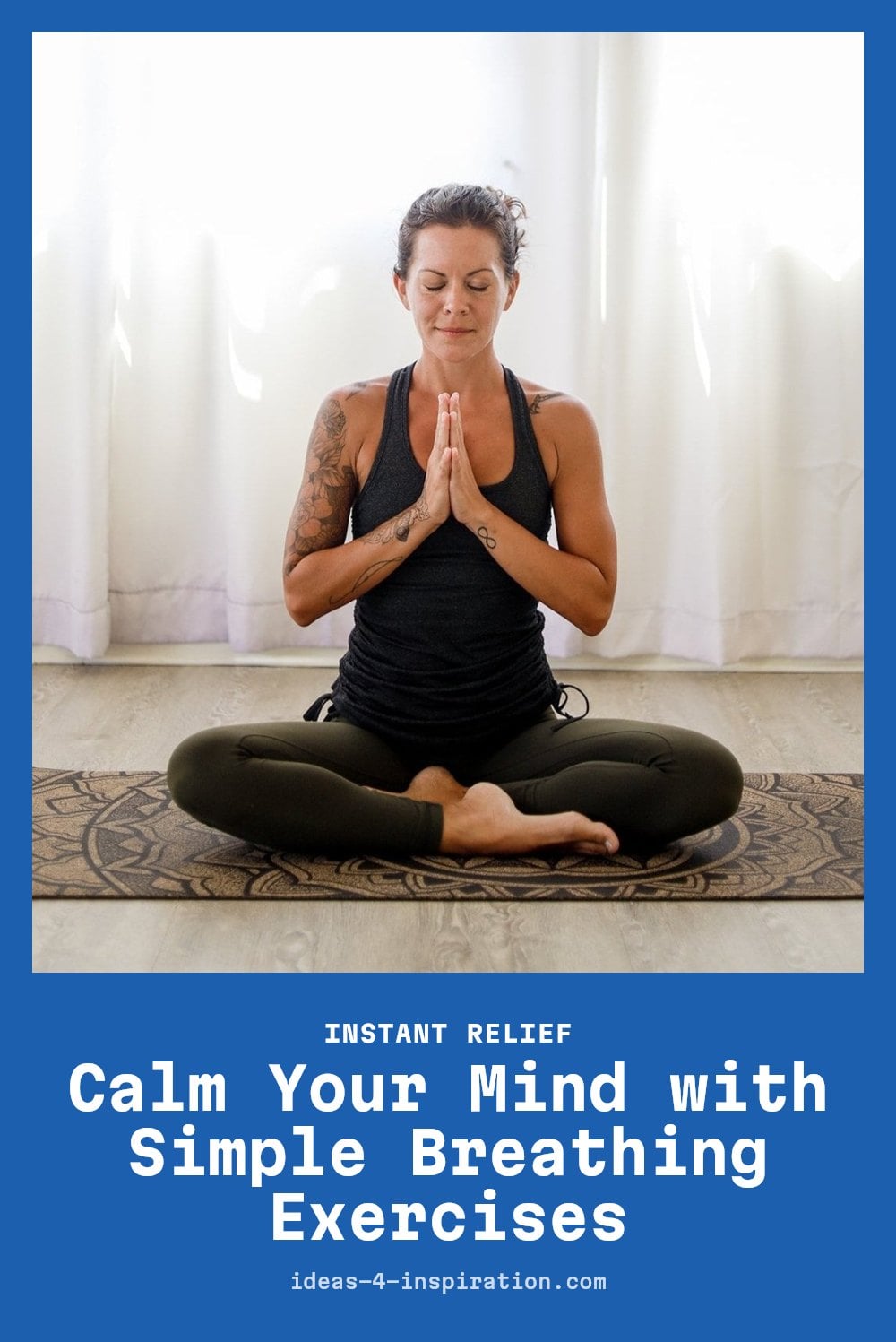
When stress hits, your breath is one of the fastest tools you have to calm your mind. By consciously slowing down and deepening your breathing, you can signal your body to relax, lowering your heart rate and easing tension. This article walks you through simple, effective breathing techniques you can use anywhere, plus tips to make them work for you.
Key Takeaways
- Start with 2-5 minute sessions daily, then gradually increase to 10 minutes.
- Focus on belly breathing, not shallow chest breaths, to activate calm.
- Exhale fully to clear stale air and boost relaxation.
- Stop if you feel lightheaded or dizzy and return to normal breathing.
- Consistent daily practice for weeks brings lasting benefits.
How Breathing Exercises Instantly Calm Your Mind
Conscious breathing works because it directly activates your parasympathetic nervous system, the part of your body that handles rest and digestion. Slow, deep breaths signal your brain that it is safe, which lowers heart rate and reduces stress hormones. I usually feel calmer within a minute of starting. With regular practice, many people notice better mood, deeper sleep, and sharper focus throughout the day.
Essentials for Your Breathing Practice

You do not need any special equipment to start breathing exercises. Here is what helps:
- A quiet space: A corner of your bedroom or a spot on the couch where you will not be interrupted.
- Loose clothing: Tight waistbands or bras restrict your diaphragm. Wear something that lets your belly expand freely.
- Comfortable seat or mat: A chair, floor cushion, or yoga mat works. The goal is to sit upright without slouching.
That is it. No apps, no gadgets, no expense.
Effective Breathing Techniques to Try

Diaphragmatic Breathing
This technique targets belly movement rather than shallow chest breaths. Sit upright, place one hand on your chest and the other on your belly. Inhale slowly through your nose, letting your belly rise. Exhale fully through your mouth, feeling your belly fall. My tip: Keep your chest hand still; if it moves, you are breathing too shallowly. This method stimulates the vagus nerve, which helps lower heart rate and blood pressure.
Box Breathing
Also called square breathing, this uses a steady 4-count rhythm. Inhale for four seconds, hold for four, exhale for four, hold for four. Repeat for 3-5 cycles. Caution: If holding your breath feels uncomfortable, shorten the hold to 2-3 counts. The even pattern anchors your attention and prevents racing thoughts.
4-7-8 Breathing
This technique emphasizes a longer exhale to activate the relaxation response. Inhale through your nose for four counts, hold for seven, then exhale completely through your mouth for eight counts. Caution: If holding your breath for seven counts feels uncomfortable, shorten the hold to a duration that feels comfortable, such as 3-4 counts. Exhaling slowly and fully helps release carbon dioxide and deepens the parasympathetic effect. Start with 2-3 rounds and build up.
Alternate Nostril Breathing
This yogic technique is believed to balance the left and right hemispheres of the brain. Close your right nostril with your thumb, inhale through the left for four counts. Close your left nostril with your ring finger, exhale through the right for four counts. Then inhale through the right, close it, and exhale through the left. That is one cycle. Good to know: Breathing through your nose filters and warms the air and can increase nitric oxide production, which improves oxygen absorption.
Common Breathing Exercise Mistakes to Avoid
Even simple breathing exercises can go wrong if you overlook a few basics. Here are the most common mistakes I see and how to fix them.
- Shallow chest breathing: Many people breathe only into their upper chest. Focus on your belly rising and falling instead. Place a hand on your abdomen to check.
- Rushing the rhythm: Speeding through counts defeats the purpose. Keep a steady, comfortable pace. If you feel short of breath, slow down.
- Holding tension: Check your shoulders and jaw during practice. If they are tight, consciously release them. Tension blocks the relaxation response.
- Not exhaling fully: A complete exhale clears stale air and optimizes oxygen exchange. Let your breath out until your belly is flat before the next inhale.
- Expecting a quick fix: One session can help, but lasting benefits come from daily practice. Consistency matters more than intensity.
Best Tips for a Deeper Breathing Practice

My tip: Start with just 2-5 minutes per session. It is better to build a habit with short, consistent practice than to force a long session and quit after a week. Gradually increase to 10 minutes as your comfort grows.
Focus on exhaling completely. Many people take a deep inhale but rush the exhale, leaving stale air in the lungs. A slow, full exhale activates your parasympathetic response more effectively. When possible, breathe through your nose, especially during inhales, as it filters and warms the air and the nitric oxide produced helps your body absorb oxygen better. You can exhale through your mouth or nose, whichever feels more natural.
Keep your practice space consistent, a quiet spot where you won’t be interrupted. Consistency matters more than duration. A daily 5 minutes will give you far more benefit than a 20-minute session once a week.
How Long Until You Feel the Benefits
You can feel calmer after just one session. A single round of box breathing or 4-7-8 breathing can lower your heart rate and quiet your mind within minutes. That immediate effect is why many people turn to these exercises during stressful moments.
For lasting changes in mood, sleep, and focus, aim for 5-10 minutes of daily practice. Over a few weeks, consistent work builds your lung capacity and trains your nervous system to respond more quickly to stress. The best part: breathing exercises cost nothing. No app subscription, no equipment, no gym fee.
When to Consult a Professional
If you feel lightheaded, dizzy, or uncomfortable at any point, stop the exercise and return to normal breathing. Pushing through discomfort is not helpful and can be counterproductive.
Consult a doctor before starting if you have a respiratory condition like asthma or COPD, or a cardiovascular condition such as high blood pressure or heart disease. Some breathing patterns can affect heart rate and blood pressure, so professional guidance is important.
Breathing exercises are a complementary tool. They can help manage anxiety and stress, but they are not a replacement for medical treatment for anxiety disorders, panic attacks, or other health conditions. Use them alongside professional care, not instead of it.
Frequently Asked Questions
How often should I do breathing exercises?
Aim for daily practice, even if it’s just 2-5 minutes. Consistency matters more than session length. You can do them once a day or break it into shorter moments, like a few minutes in the morning and a few before bed. Over weeks, this builds a lasting effect.
Can breathing exercises help with panic attacks?
Breathing exercises can be a helpful tool during a panic attack, as they may activate the parasympathetic nervous system and reduce the body’s stress response. However, they are not a substitute for professional treatment. If you experience panic attacks regularly, talk to a doctor or therapist for a complete plan.
What’s the best time of day to practice breathing?
There’s no single best time, but many people find morning practice sets a calm tone for the day, while evening practice helps unwind before sleep. Choose a time when you can sit quietly without interruptions. Consistency is more important than the clock.
Can kids do breathing exercises?
Yes, children can learn simple breathing exercises, and they may help with focus or relaxation. Keep sessions short, like 1-2 minutes, and make it playful, such as pretending to blow out candles. Always supervise younger kids and stop if they feel uncomfortable.
How do I know if I’m breathing correctly?
Place one hand on your chest and the other on your belly. When you inhale, your belly should rise more than your chest. Your exhale should be slow and complete. If you feel lightheaded, you may be breathing too fast or forcing it, so slow down and return to normal.
Final Thoughts
For a quick calm, try box breathing or 4-7-8 breathing whenever you feel stressed. Expect to feel a difference within minutes of one session, but know that real, lasting change comes from practicing daily for several weeks. My tip: keep it simple, and don’t force it. Just breathe, and let your body find its rhythm.
This article is for general information only and is not a substitute for professional medical advice. Breathing exercises are complementary practices and do not treat or cure any health condition. If you have a respiratory or cardiovascular condition, or if you experience persistent anxiety, panic attacks, or other symptoms, consult a doctor or qualified professional.