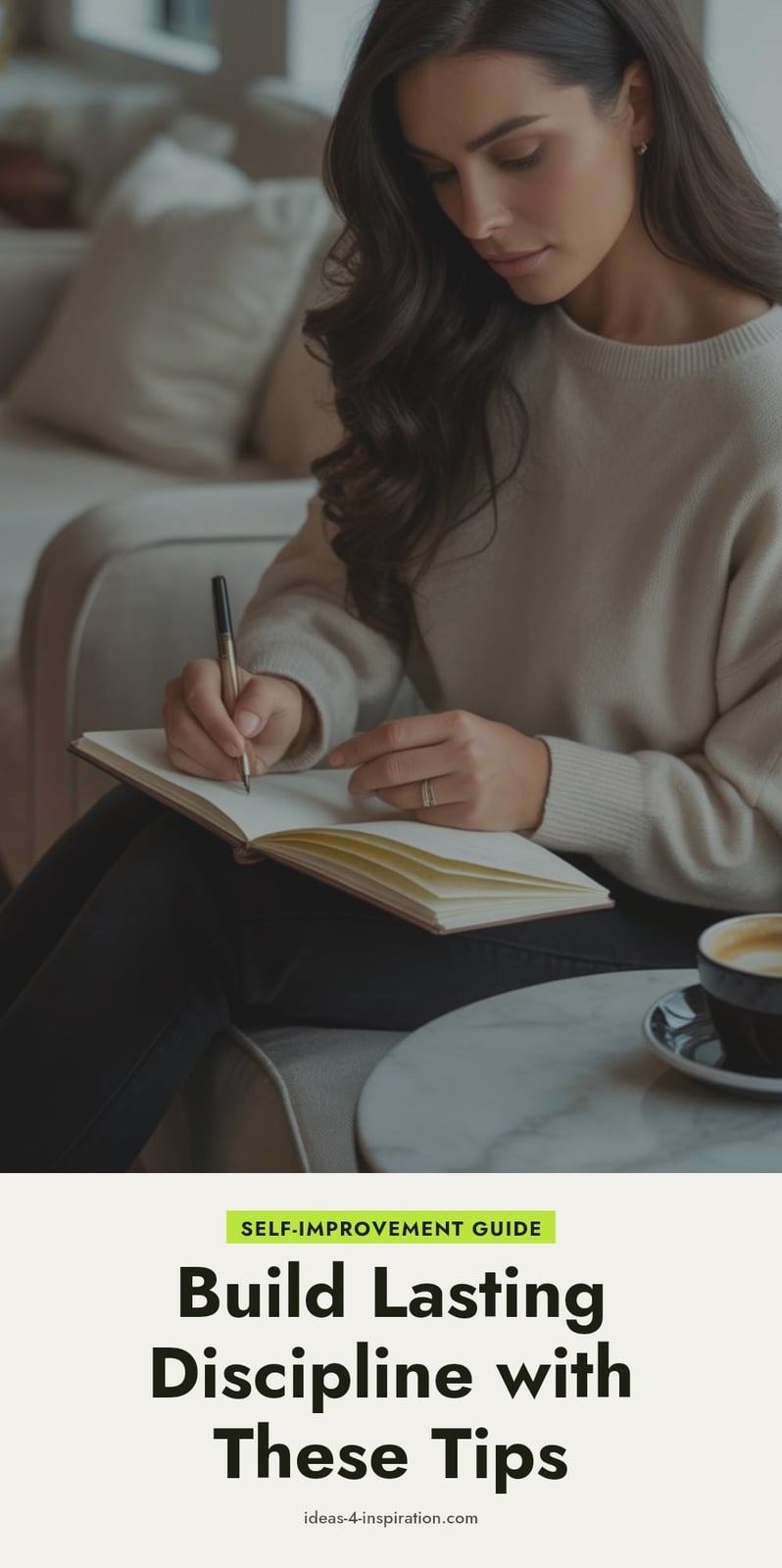
Do you ever set a goal with the best intentions, only to find yourself reaching for your phone or skipping your workout a few days later? You’re not alone. The good news is that self-discipline is not a fixed trait you’re born with; it’s a skill you can build with the right strategies. This article covers 10 practical, proven tips to help you strengthen your self-discipline, from setting clear goals to managing your environment and supporting your well-being.
Key Takeaways
- Set SMART goals to turn vague intentions into clear, actionable targets.
- Build consistent routines to make disciplined actions automatic and reduce willpower drain.
- Break big goals into small steps to make progress less daunting.
- Design your environment to make desired behaviors the easiest option.
- Practice self-compassion and learn from setbacks instead of criticizing yourself.
What is Self-Discipline and Why Does It Matter?
Self-discipline is the ability to control impulses and stay focused on long-term goals, even when you don’t feel like it. It’s not something you’re born with. It’s a skill you build through consistent practice and strategic habits. When you strengthen self-discipline, you rely less on fleeting motivation and more on steady action. That’s what helps you make real progress in fitness, personal development, and daily routines.
1. Set Clear, Achievable Goals

Start with goals that give you a clear target. Vague intentions like “get fit” are hard to follow through on. Use the SMART framework to make each goal:
- Specific: “Walk 20 minutes after dinner” instead of “exercise more.”
- Measurable: Track how many days you do it each week.
- Achievable: Pick a step you can actually fit into your day.
- Relevant: Connect it to a bigger reason, like having more energy.
- Time-bound: Set a deadline, like “for the next 30 days.”
Knowing exactly what you’re working toward and how to measure it makes the path less abstract and keeps you motivated.
2. Establish Consistent Routines
A consistent routine turns disciplined actions into automatic habits. When you do the same thing at the same time each day, it requires less mental effort over time. That means you’re not draining your willpower deciding whether to act. Start small: commit to one five-minute routine, like making your bed or prepping a healthy snack. Once that sticks, add another small step. Building gradually prevents overwhelm and makes discipline feel natural.
3. Break Down Big Goals

A big goal like “run a 5K” can feel overwhelming if you look only at the finish line. Break it into smaller steps: walk for 10 minutes three times this week, then jog for one minute at a time, then increase distance gradually. Each small win gives you a sense of accomplishment and builds momentum. Focus on one action at a time instead of the whole picture. That way you keep moving forward without getting stuck.
4. Manage Your Environment

Your surroundings either support your discipline or work against it. If the pantry is full of snacks you’re trying to avoid, willpower has to fight every time you walk by. Make the desired action the easiest option. Lay out workout clothes the night before. Keep a water bottle on your desk. Remove junk food from the house or store it out of sight. This way you rely less on daily decisions and more on a setup that does the work for you.
5. Practice Mindfulness and Awareness
Impulses often win because they catch you off guard. Mindfulness builds a pause between the urge and the action. When you notice the desire to skip a workout or grab a sugary snack, take a breath before deciding. That short gap is enough to ask yourself what aligns with your goal. My tip: set a timer for two minutes of mindful breathing each morning. It trains that pause reflex so it becomes automatic when temptations show up.
6. Prioritize and Tackle Important Tasks

Willpower is like a battery that drains as the day goes on. By evening, small decisions feel heavier and temptations hit harder. That is why the most important task of the day should be the first thing you do. Identify one high-priority action each morning and complete it before checking email or social media. You get it done while your mental energy is still full, and the rest of the day feels easier by comparison.
7. Reward Your Milestones
Your brain responds to rewards by releasing dopamine, which reinforces the behavior you just did. Use that to your advantage by celebrating small wins. After sticking to a routine for a week, treat yourself to something you enjoy. The key is picking a reward that does not undo your progress. A massage or a new book works better than a cheat meal if you are working on nutrition. The reward makes discipline feel good, not punishing.
8. Cultivate Self-Compassion
Practice self-compassion: When you slip up, resist the urge to criticize yourself. Research shows that self-criticism actually weakens motivation and makes it harder to get back on track.
View setbacks as data: Ask yourself what you can learn from the situation. Did you need a different routine? A clearer goal? Treat mistakes as information, not failures.
Reframe the narrative: Instead of thinking “I have no discipline,” try “I’m still learning how to build this habit.” This mindset shift keeps you moving forward instead of shutting down.
9. Support Your Well-being

Sleep, nutrition, and stress management directly affect your willpower reserves. When you’re sleep-deprived or running on empty, every disciplined choice feels harder.
Prioritize sleep: Aim for 7-8 hours per night. Even one night of poor sleep can reduce impulse control the next day.
Eat for steady energy: Include protein and fiber at meals to avoid blood sugar crashes that trigger cravings and fatigue.
Manage stress proactively: A short walk, deep breathing, or a few minutes of stretching can reset your nervous system and preserve willpower for what matters.
10. Utilize Accountability
Accountability turns a private goal into a public commitment, which makes it harder to quit. Tell a friend what you’re working on and ask them to check in weekly.
My tip: A simple habit tracking app can be incredibly effective. Seeing a streak of checkmarks builds momentum and makes you think twice before breaking it.
Pair up: Find someone with a similar goal and agree to report progress to each other. Knowing someone else is counting on you can push you through moments of low motivation.
When to Seek Professional Help
If your struggles with self-discipline are accompanied by persistent feelings of hopelessness, a severe lack of motivation, or significant impact on daily functioning, it may indicate an underlying mental health condition. These symptoms are not a sign of weakness and should not be ignored.
Consult a healthcare professional or therapist if you experience these signs. They can help determine whether depression, anxiety, or another condition is affecting your ability to follow through.
Caution: Excessive self-criticism or pushing yourself to extreme limits can lead to burnout or negative self-talk. Practice balance and self-care alongside any discipline-building efforts.
Frequently Asked Questions
Is self-discipline an innate trait or a learned skill?
Self-discipline is a learned skill, not something you’re born with. It’s built through consistent practice and strategic approaches. Research shows that willpower is like a muscle that can be strengthened over time, so even if you feel undisciplined now, you can develop this ability with effort and the right techniques.
How long does it take to build self-discipline?
There’s no fixed timeline, but consistent effort over weeks and months typically shows gradual improvements in habit formation and goal achievement. Some habits may feel automatic after a few weeks, while others take longer. Focus on consistency rather than a specific deadline, and be patient with yourself.
What is the ‘two-minute rule’ for self-discipline?
The two-minute rule suggests that if a task takes less than two minutes, do it immediately instead of putting it off. This helps prevent procrastination and builds momentum. For example, if you need to reply to an email or tidy a small area, doing it right away reduces the mental load and keeps you on track.
Can mindfulness help with self-discipline?
Yes, mindfulness can be a helpful tool. It builds awareness of your impulses and creates a pause between the urge and your action. This pause gives you a chance to make a conscious choice rather than reacting automatically. Many people find that regular mindfulness practice makes it easier to resist temptations and stay focused on their goals.
What role does environment play in self-discipline?
Your environment has a powerful impact on your behavior. If your surroundings are full of temptations, you’ll constantly fight against them. By making desired actions easier and removing obstacles, you reduce the need for willpower. For example, laying out workout clothes the night before or keeping healthy snacks visible can significantly support your discipline.
How do I stay motivated when building self-discipline?
Motivation often dips, so it’s important to rely on systems rather than feeling motivated all the time. Set clear goals, track your progress, and reward yourself for milestones. Also, identify your ‘why’ for each goal to keep your purpose in mind. If you’re struggling with persistent lack of motivation, it may be worth consulting a professional if it affects your daily functioning.
Final Thoughts
Building self-discipline is a gradual process, not an overnight transformation. Start by picking one or two strategies from this list and applying them consistently for a few weeks. Expect to see small improvements in your habits and goal progress over time, and remember that setbacks are part of the journey. The key is to keep going, adjust your approach when needed, and celebrate your wins along the way.
This article is for general informational purposes only and is not a substitute for professional medical or mental health advice. If you experience persistent feelings of hopelessness, severe lack of motivation, or significant impact on daily functioning, please consult a qualified healthcare provider. They can offer personalized guidance and support.