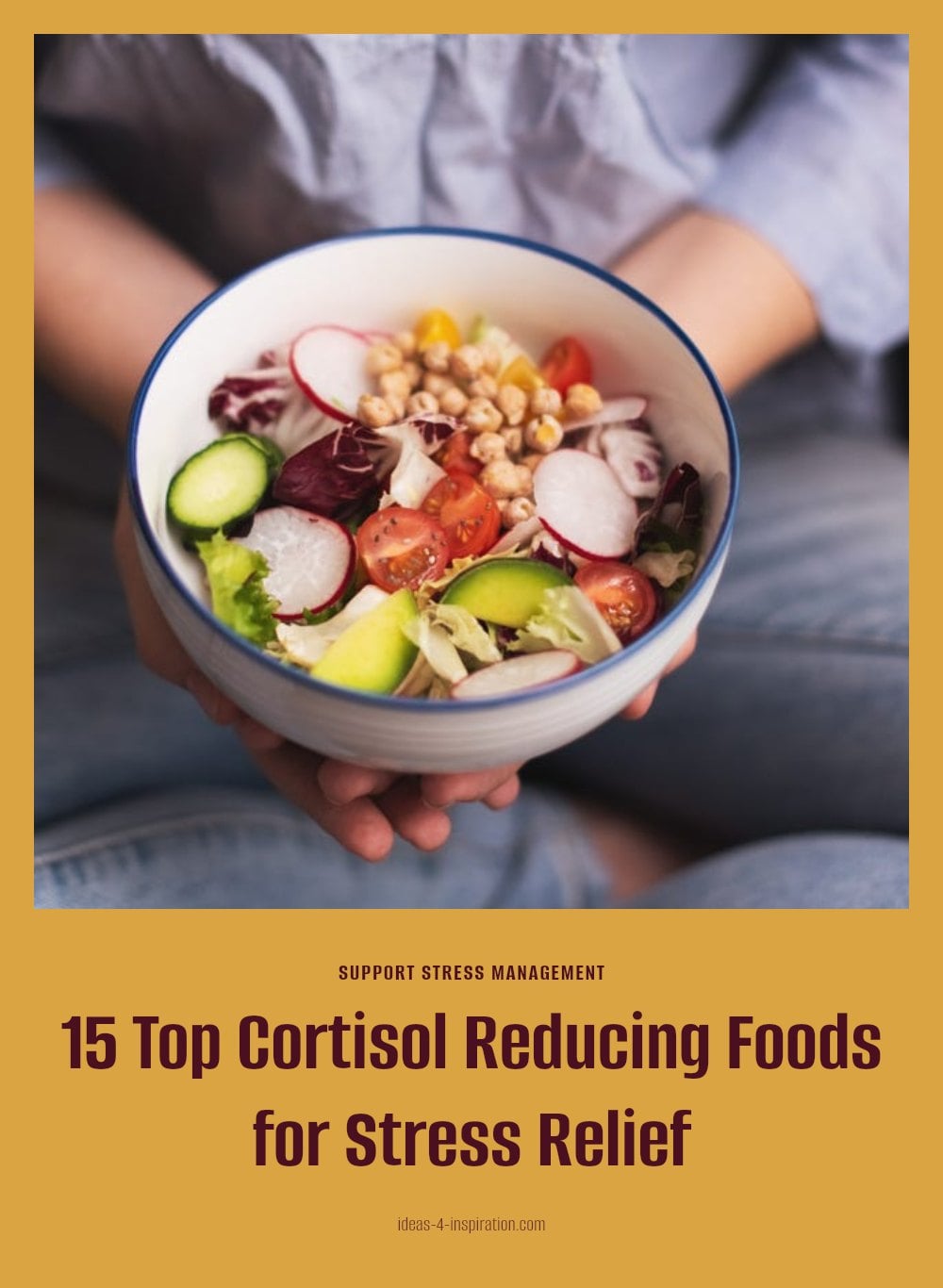
You’re probably here because stress has become an unwanted companion, and you’re wondering if what’s on your plate can actually help. The short answer is yes, but it’s not about a single magic food. This article covers 15 evidence-backed foods that can support your body’s natural ability to manage cortisol, along with common pitfalls to avoid and realistic expectations for how long it takes to feel a difference.
I’ve organized this by nutrient type, so you can see exactly why each food earns a spot on the list. My tip: think of these as building blocks for a balanced diet, not a quick fix.
Key Takeaways
- Fatty fish like salmon provide omega-3s that may help reduce inflammation tied to stress.
- Leafy greens such as spinach are rich in magnesium, which supports a calming effect.
- Complex carbs like oats stabilize blood sugar and prevent cortisol-triggering crashes.
- Probiotic foods like yogurt support the gut-brain axis linked to mood regulation.
- Consistent dietary changes over weeks to months are needed to see potential effects.
Eating Your Way to Calm: The Role of Food in Cortisol Management
While no single food is a magic bullet, a balanced diet rich in specific nutrients can support your body’s ability to manage cortisol, the primary stress hormone. I focus on foods with omega-3 fatty acids, magnesium, B vitamins, vitamin C, and probiotics. My tip: think of omega-3s and vitamin C as the inflammation fighters, while magnesium and B vitamins help with nerve function and neurotransmitter production. Probiotics support gut health, which plays a role in mood regulation. These foods work best as part of a holistic strategy, not a quick fix. Pair them with good sleep and regular movement for the biggest impact.
1. Fatty Fish

Salmon, mackerel, and sardines are packed with omega-3 fatty acids, which may help reduce inflammation and support brain health. That matters because chronic inflammation can interfere with your body’s stress response. My tip: aim for two servings a week to really get those beneficial fats working for you. They’re great grilled or baked, and I like to toss flaked salmon into salads for an easy lunch.
2. Leafy Green Vegetables

Spinach, kale, and Swiss chard are magnesium powerhouses. Magnesium is involved in over 300 biochemical reactions, including nerve and muscle function, and it can have a calming effect. I love adding a handful of spinach to my morning smoothie or making a big kale salad for lunch to boost my magnesium intake. If you’re not used to leafy greens, start with baby spinach in soups or omelets.
3. Nuts and Seeds

Almonds, walnuts, chia seeds, and flaxseeds offer a blend of omega-3s, magnesium, and B vitamins, all vital for stress resilience. The combination helps cover multiple bases at once, which is why they’re a staple in my pantry. My tip: keep a small bag of mixed nuts and seeds in your purse for a quick, stress-busting snack on the go. Just watch portion sizes, as they’re calorie-dense.
4. Legumes
Lentils, chickpeas, and black beans are excellent sources of magnesium and B vitamins, and those B vitamins (especially B6 and folate) play a role in neurotransmitter production, which can influence mood and stress levels.
I find that adding legumes to my soups and stews makes them more filling and nutritious, helping to keep my blood sugar stable throughout the day. Stable blood sugar means fewer spikes and crashes, and those crashes are what tend to trigger cortisol release.
Tip: Rinse canned beans well before using them, and add a handful of lentils to a pot of soup near the end of cooking so they hold their shape.
5. Whole Grains

Oats, quinoa, and brown rice are complex carbohydrates that help stabilize blood sugar levels, preventing the spikes and crashes that can trigger cortisol release. Because they break down slowly, you get a steadier supply of energy instead of a quick high followed by a dip.
My tip: Starting your day with a bowl of oatmeal is a great way to ensure steady energy and mood. Cook it with milk or water, then top with nuts and fruit for extra magnesium and fiber.
6. Yogurt and Kefir
These probiotic-rich foods support gut health, which is increasingly linked to mood and stress regulation via the gut-brain axis. In plain terms, the bacteria in your gut appear to communicate with your brain, so keeping that community healthy may help your overall stress response.
I always opt for plain, unsweetened varieties and add my own fruit for a healthy, gut-friendly snack. That way you skip the added sugar, which can work against stable blood sugar.
7. Citrus Fruits

Oranges, grapefruits, and lemons are high in Vitamin C, an antioxidant that may help protect the body from the damaging effects of stress. Your body uses up antioxidants faster during stressful periods, so keeping them topped up makes sense.
A glass of freshly squeezed orange juice or a lemon wedge in my water is a simple way to get a quick Vitamin C boost. Whole fruit gives you fiber along with it, so I lean on that most days.
8. Dark Chocolate

A bar with 70% cocoa or more contains flavonoids, plant compounds that can stimulate endorphin production, which may help lift your mood and take the edge off stress. The higher the cocoa, the less sugar you’re getting with it.
Tip: Keep it to a small square as a treat rather than a whole bar. It’s calorie-dense, so a little goes a long way.
9. Green Tea

Green tea contains L-theanine, an amino acid that may promote relaxation without causing drowsiness. That makes it a solid swap for coffee, especially later in the day when caffeine can keep you wired.
I’ve found that trading my afternoon coffee for a cup of green tea helps me stay focused and calm without the jitters.
10. Bananas
Bananas are rich in potassium, which can help regulate blood pressure and counteract some of the physical effects of stress. They also contain tryptophan, a precursor to serotonin, the neurotransmitter linked to feelings of well-being.
I like them best as a pre-workout snack, since the carbs give you quick energy without a heavy feeling.
11. Avocados

Avocados bring healthy fats, potassium, and B vitamins to the table, a combination that supports overall stress resilience and hormonal balance. The fats also help you absorb fat-soluble nutrients from the rest of your meal.
I love adding avocado slices to my toast or salads for a creamy texture and a boost of nutrients.
12. Eggs
Eggs are a fantastic source of tryptophan, the amino acid your body needs to produce serotonin, the feel-good neurotransmitter tied to a calmer mood. They’re also packed with protein, which helps keep you feeling full and your blood sugar steady between meals.
I keep hard-boiled eggs in the fridge for a quick breakfast or afternoon snack, and a scramble with spinach covers both tryptophan and magnesium in one pan.
13. Turkey
Like eggs, turkey is high in tryptophan, which can aid serotonin production and promote a sense of calm. It’s also a lean protein that supports stable blood sugar, so you avoid the energy dips that can make stress feel worse.
I use sliced turkey in wraps and salads all week, not just at the holidays.
14. Bell Peppers
Red and yellow bell peppers are a solid source of Vitamin C, an antioxidant that may help protect your body from the damaging effects of stress. They also add crunch and color to a plate without much effort.
I love snacking on bell pepper strips with hummus for a vibrant and healthy treat. Slice a few at the start of the week so they’re ready when the afternoon slump hits.
15. Fermented Vegetables
Kimchi and sauerkraut are excellent sources of probiotics, similar to yogurt and kefir. Those live cultures contribute to a healthy gut microbiome and, by extension, may support a more balanced mood through the gut-brain connection.
Good to know: Start with small portions if you’re new to fermented foods, since their strong flavors can be an acquired taste. A spoonful alongside rice or eggs is an easy way in.
Common Mistakes When Using Food to Manage Stress
Here are the traps I see most often when people try to use food to manage stress.
- Believing in instant fixes: No food will instantly or dramatically lower cortisol. Dietary changes take weeks to months to affect physiological processes, so consistency matters more than any single meal.
- Focusing on superfoods only: A balanced eating pattern across all food groups beats a short list of star ingredients. Variety is what keeps blood sugar and nutrient intake steady.
- Ignoring other lifestyle factors: Diet is one piece of the puzzle. Sleep, exercise, and dedicated stress management like meditation are equally vital for cortisol regulation.
- Using food as a coping mechanism: Be honest if you’re eating mainly to soothe stress, since that pattern can build into unhealthy habits. Address the root causes of your stress instead.
- Skipping meals or extreme dieting: Both create blood sugar imbalances that actually trigger cortisol release. Aim for regular, balanced meals throughout the day.
If you suspect chronically high cortisol or a stress-related condition, see a doctor or registered dietitian rather than self-treating with food.
Frequently Asked Questions
How quickly can diet changes affect cortisol levels?
There’s no instant fix. Consistent dietary changes over several weeks to months are typically needed to observe potential effects on overall well-being and stress response. Your body’s hormonal system adjusts slowly, so patience and consistency matter more than any single meal.
Can I rely solely on food to manage chronic stress?
No. No food can replace a comprehensive stress management strategy that includes adequate sleep, regular exercise, and relaxation techniques. Relying only on food can lead to unhealthy eating habits and overlook other critical factors. If you suspect chronically high cortisol, consult a healthcare professional.
What foods should I avoid because they raise cortisol?
Limiting caffeine and refined sugars is key, as they can cause blood sugar fluctuations and overstimulation that may elevate cortisol. Skipping meals can also trigger a stress response. Focus on whole, unprocessed foods and stable blood sugar levels instead.
What is the best time of day to eat cortisol-reducing foods?
There’s no single best time, but eating regular meals throughout the day helps maintain stable blood sugar, which supports a balanced stress response. Many people find that including a protein- and fiber-rich breakfast and swapping afternoon coffee for green tea works well, but consistency overall is what matters.
Do supplements work better than food for cortisol reduction?
Whole foods are generally preferred because they provide a complex matrix of nutrients that work together. Supplements can be useful if you have a confirmed deficiency, but they should never replace a balanced diet. Always consult a doctor or dietitian before starting any supplement, especially for stress-related concerns.
Final Thoughts
If you take one thing away, let it be this: choose a balanced diet with a variety of whole foods rather than chasing a few ‘superfoods.’ Realistic expectation? You’ll need to stick with these changes for several weeks to months before you might notice a shift in how your body handles stress. And remember, diet is just one piece of the puzzle, alongside good sleep, regular movement, and stress management techniques. Start with one or two swaps from the list and build from there.
This article provides general information about foods that may support stress management and is not a substitute for professional medical advice. If you have an underlying health condition, suspect chronically high cortisol, or are pregnant or breastfeeding, please consult a doctor or registered dietitian before making significant dietary changes.