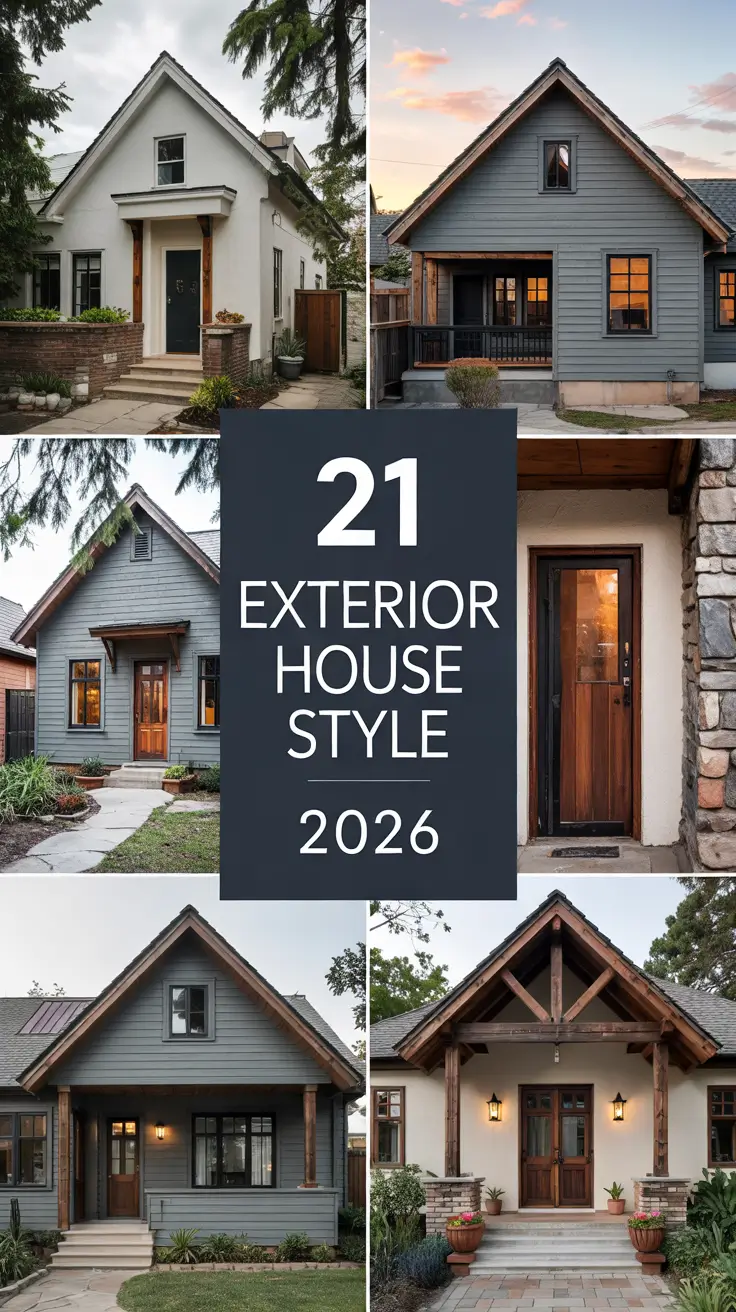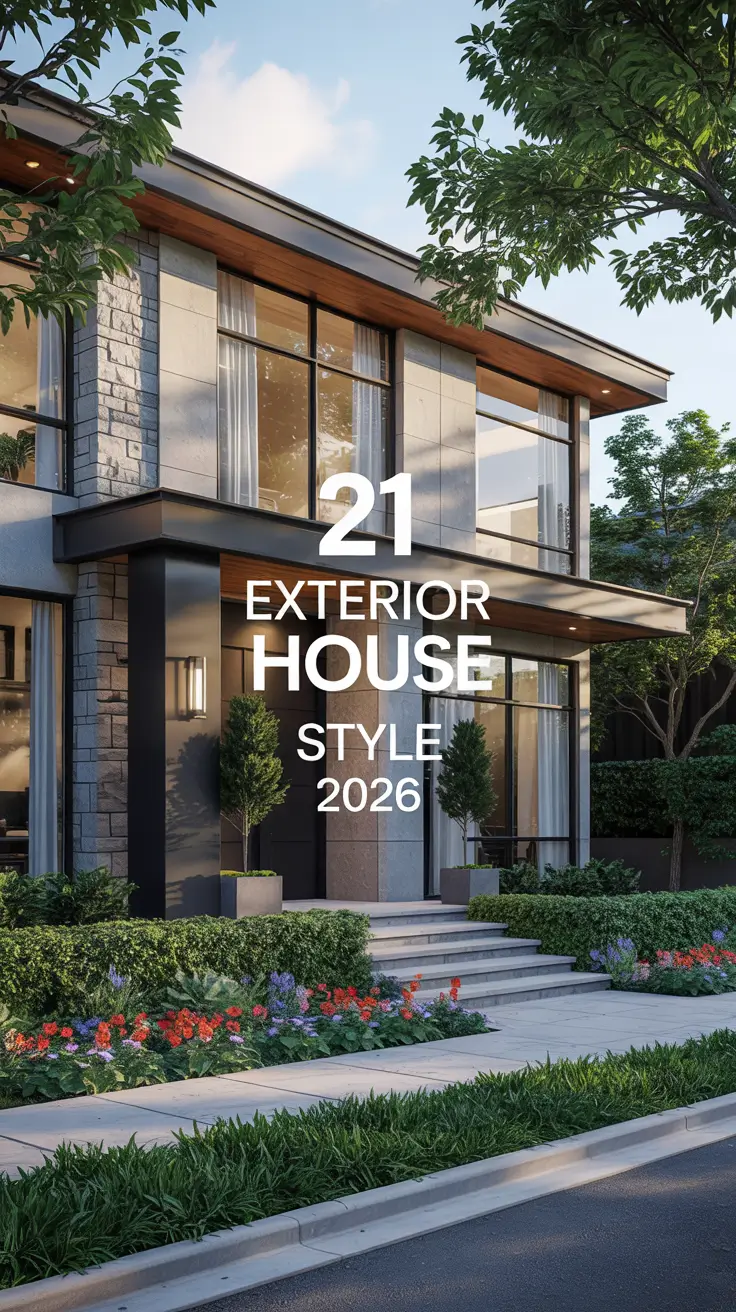
If you’re planning a refresh in 2026, you’ve probably noticed how fast exterior house styles are evolving – and how exterior house styles modern are suddenly borrowing warmth from classics. Which looks are actually worth investing in, and what details make a home feel current without turning into a trend trap?
In this article, I’m walking you through the biggest exterior directions I’m seeing for 2026, from exterior house styles traditional to exterior house styles farmhouse, plus practical material and color choices that hold up in real life. I’ll also point out the specific design moves that make each style feel intentional – not copied.
Exterior House Styles 2026: The Big Trends You’ll See Everywhere
In 2026, what I’m calling the new baseline is “quiet confidence” – fewer fussy details, more deliberate shapes, and a stronger connection between the façade and the landscape. I’m seeing homeowners choose clearer rooflines, larger openings, and cleaner material transitions, especially when they want a home to feel updated without losing resale-friendly appeal. The biggest shift is that people are mixing Different influences in a controlled way, so the exterior reads curated, not chaotic.
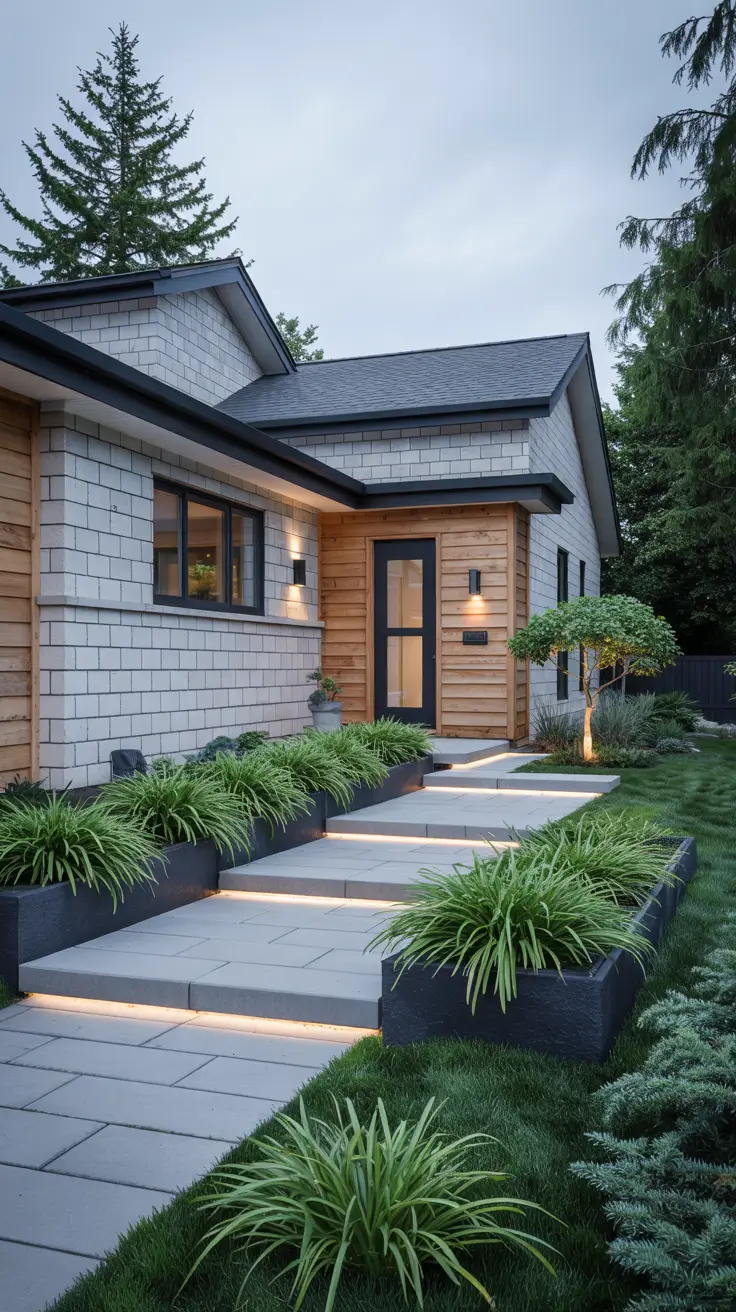
When I plan an exterior update, I treat it like a complete composition: siding or cladding, trim thickness, roofing color, windows, lighting, entry door, and landscaping all working together. For 2026, the “must-have” items tend to be modern black or bronze hardware, layered outdoor lighting (sconces plus pathway lights), and a front entry moment that feels welcoming – think a wider landing, a simple bench, and planters that repeat the home’s materials. Even subtle upgrades like a new garage door style or a straighter, cleaner walkway edge can make the entire home look newer.
My personal rule is to pick one hero element and let everything else support it. That hero might be a warm wood accent, a stone skirt, or a paint color with depth. If you’re unsure where to start, I take the “Types first” approach: decide the style category you want to land in, then build your material and color palette around it so every choice feels cohesive.
Exterior House Styles Modern 2026: Clean Lines, Smart Details, Zero Clutter
For exterior house styles modern, 2026 is all about streamlined geometry with warmer, more livable finishes. Instead of stark “all-white boxes,” I’m seeing modern exteriors softened with natural wood tones, textured stucco, and matte metal accents. The practical advantage is maintenance and longevity: fewer ornate trim pieces means fewer places for water to sit, and modern materials often come in durable, UV-stable finishes.
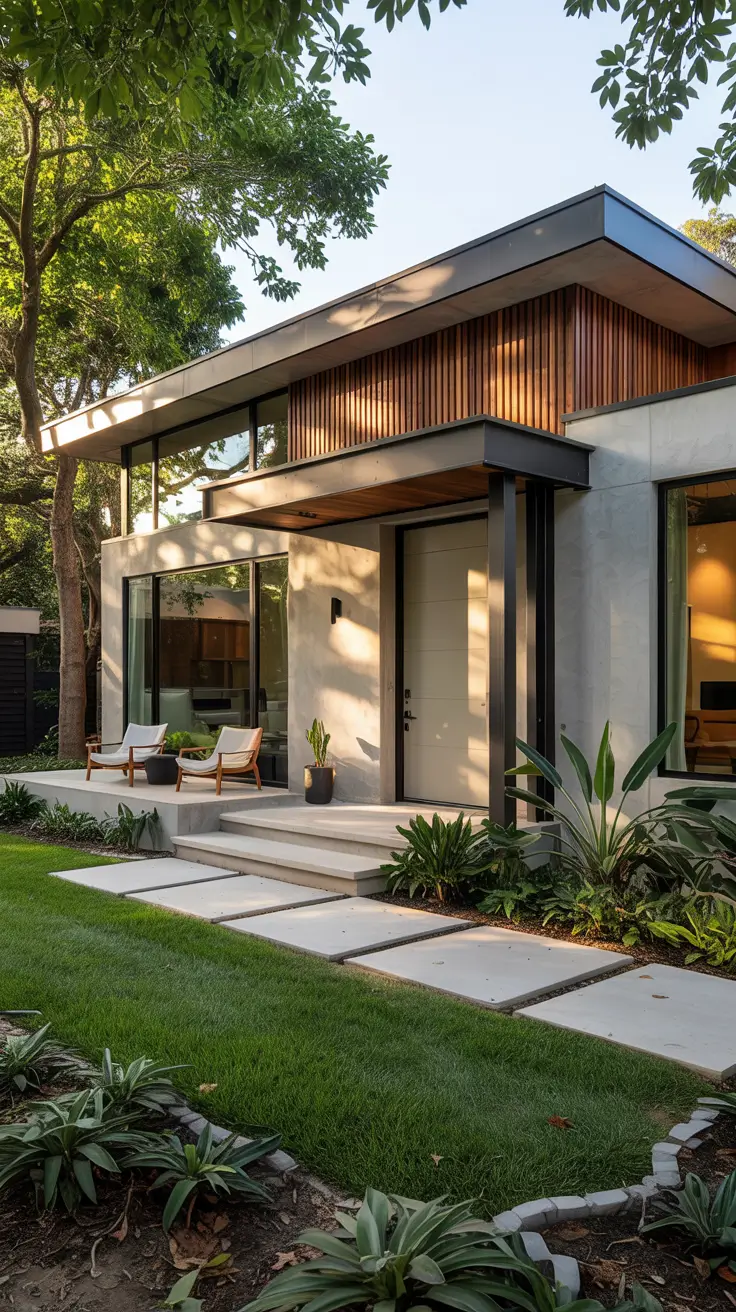
The details I prioritize are oversized windows with slim frames, a confident front door (often pivot-style or extra tall), and lighting that looks architectural rather than decorative. I also like modern landscaping that’s simple but not bare: one or two sculptural trees, layered grasses, and clean stone edging. If the home has a porch, I keep the furniture minimal – a pair of modern lounge chairs, a small side table, and a tight color palette so the architecture stays the focus.
What I’ve learned from real projects is that modern looks best when you limit your material count. I aim for two main materials plus one accent, max. That’s how you get “high-end modern” instead of “renovation patchwork.” If you want the quickest modern upgrade, I’d start with the door, exterior lighting, and a clearer trim color strategy – those three changes can shift the vibe immediately.
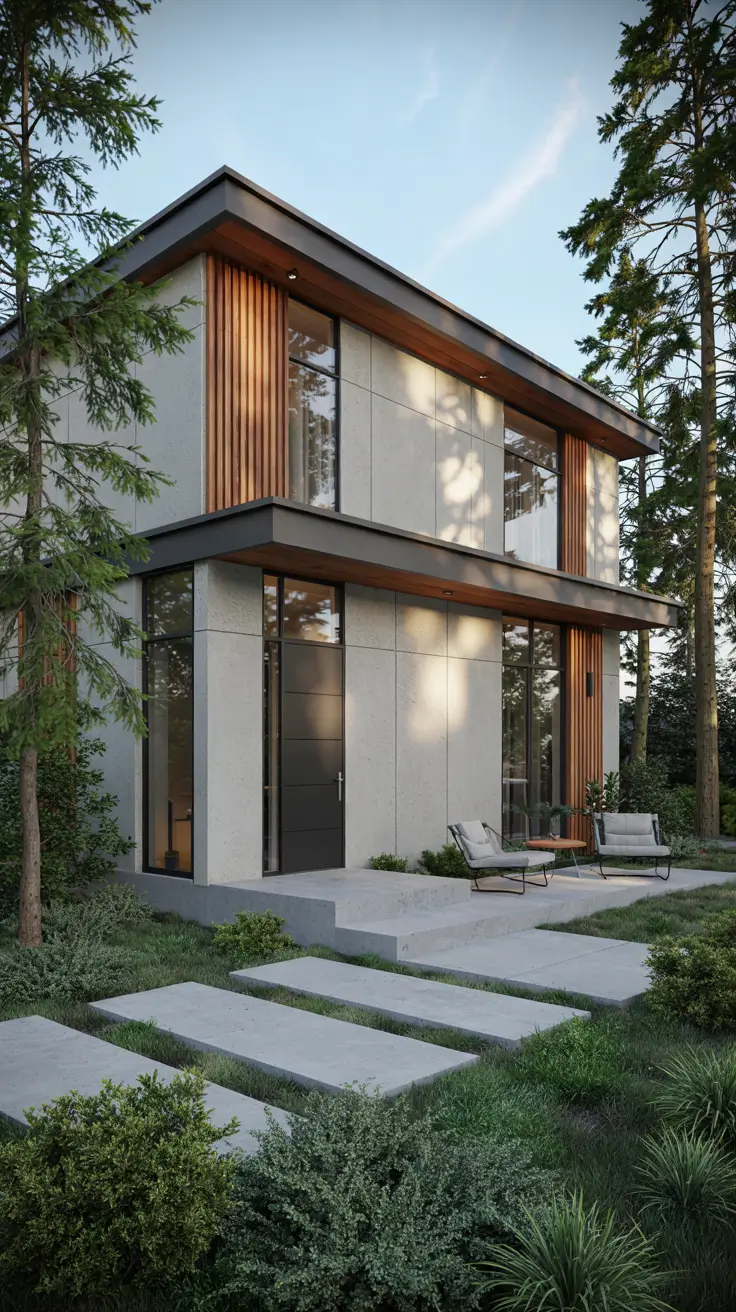
Exterior House Styles Contemporary 2026: Warm Minimalism With Personality
For exterior house styles contemporary, 2026 brings a more welcoming kind of minimalism. Contemporary exteriors still favor clean forms, but they’re less rigid than modern – you’ll see softer color palettes, mixed textures, and subtle curves in landscaping or pathways. The practicality here is flexibility: contemporary styling works on many home shapes, so you can update without rebuilding the entire façade.
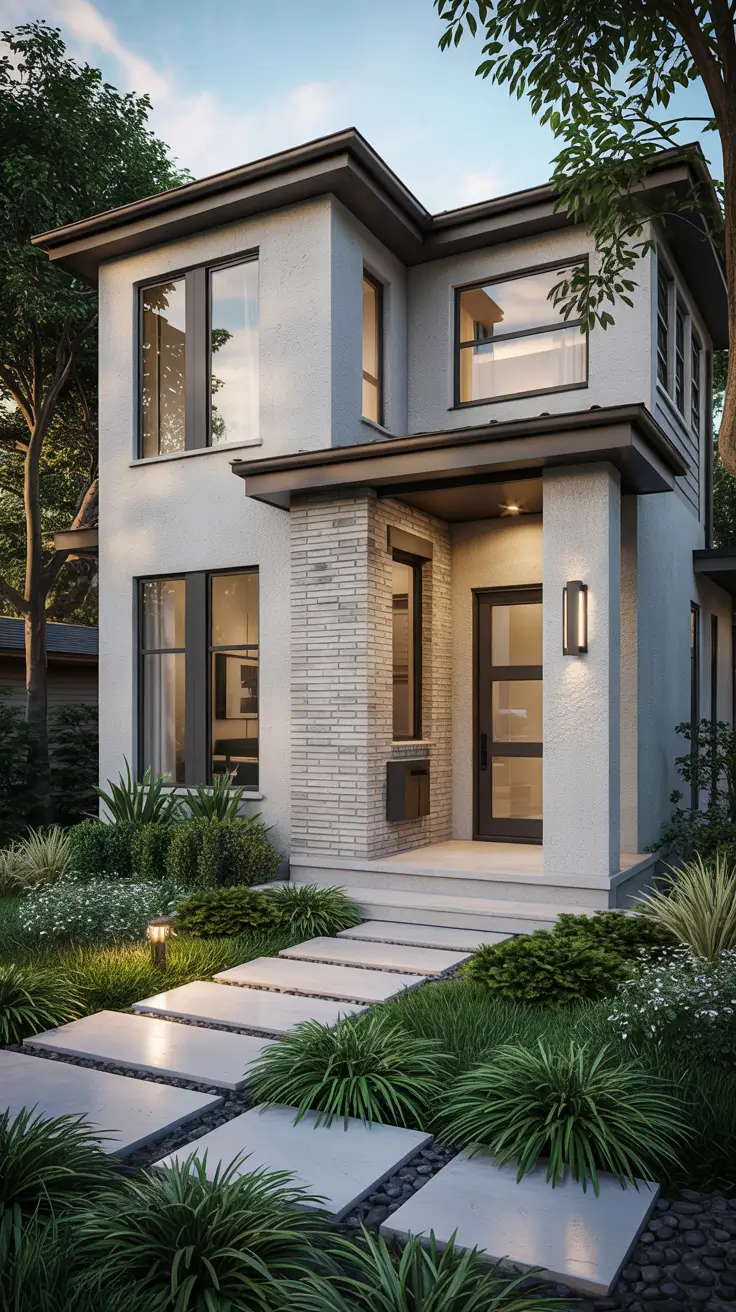
I like to build contemporary exteriors around texture and tone: smooth stucco paired with vertical wood slats, thin-profile brick, or a stone accent that feels refined rather than rustic. Window sizes can vary more than in strict modern design, which helps if you’re renovating an existing house. For outdoor pieces, I’ll often add a sculptural house number, a modern mailbox, and a simple seating moment near the entry (even a slim bench under a covered area) to make the front feel lived-in.
In my experience, contemporary works best when your finishes have a “matte and tactile” feel – matte paint, natural wood grain, honed stone, or lightly textured brick. If you want to push this style further in 2026, I’d add layered lighting and a more intentional entry path with stepping stones or large-format pavers. Those choices instantly make the exterior feel designed, not just painted.
Exterior House Styles Traditional 2026: Classic Shapes With Fresh Updates
For exterior house styles traditional, the 2026 update is not about erasing history – it’s about editing it. Traditional homes look best when their symmetry and proportions are respected, but the finishes feel slightly simplified and current. The practical win is timeless curb appeal: traditional exteriors tend to age well, and they’re easier to “refresh” every 8 to 12 years with paint, lighting, and landscaping.
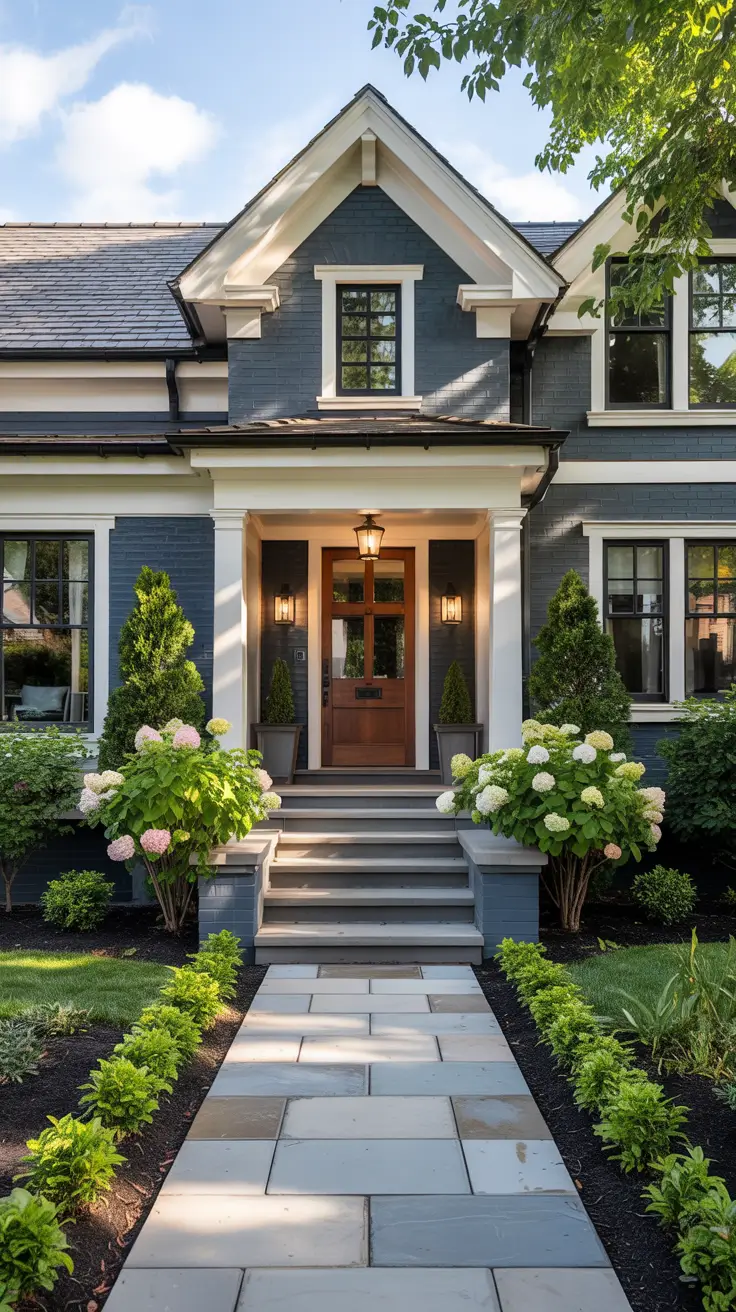
The design elements I keep are the ones that communicate craftsmanship: substantial trim, a defined front entry, and window groupings that feel balanced. What I update is the palette and the hardware. A deeper body color with crisp trim, richer wood stains, and modern lantern-style lighting can make traditional exteriors feel sophisticated without losing their character. I also love swapping overly ornate railings for simpler profiles, and using classic landscaping shapes (boxwoods, hydrangeas, structured beds) with cleaner edging.
My opinion – traditional looks strongest when you avoid going too bright or too trendy on color. If you want a modern edge, do it through the door color, lighting finish, or a subtle contrast trim rather than a loud exterior hue. I also like to add one “quiet luxury” detail, like upgraded stone steps, a thicker door surround, or more substantial shutters, because those are the touches that read expensive even from the street.
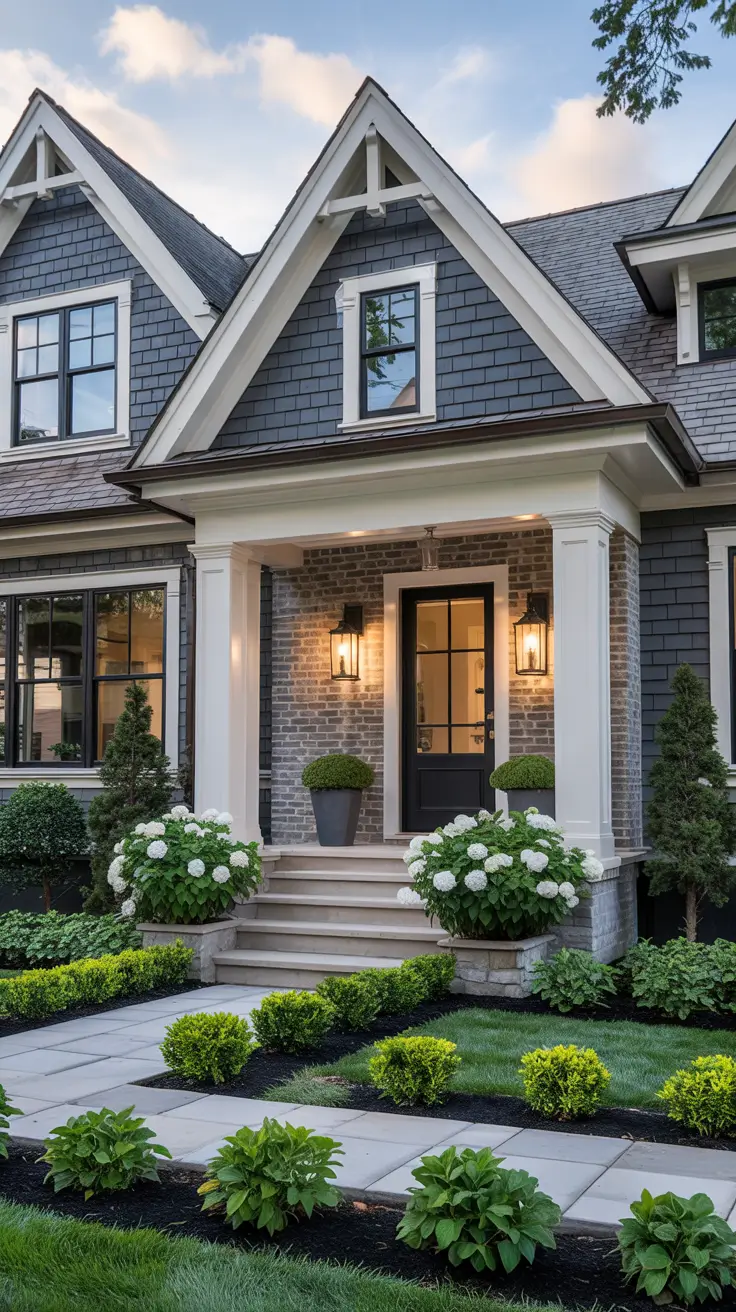
Exterior House Styles Farmhouse 2026: Modern Farmhouse That Doesn’t Feel Overdone
For exterior house styles farmhouse, 2026 is steering away from copy-paste black-and-white and leaning into warmer, more regional farmhouse looks. The best modern farmhouse exteriors keep the familiar comfort – gable rooflines, welcoming porches – but use more nuanced colors, natural materials, and thoughtful proportions. Practically, farmhouse design is great for families because it’s forgiving, approachable, and easy to maintain when you choose the right siding and finishes.
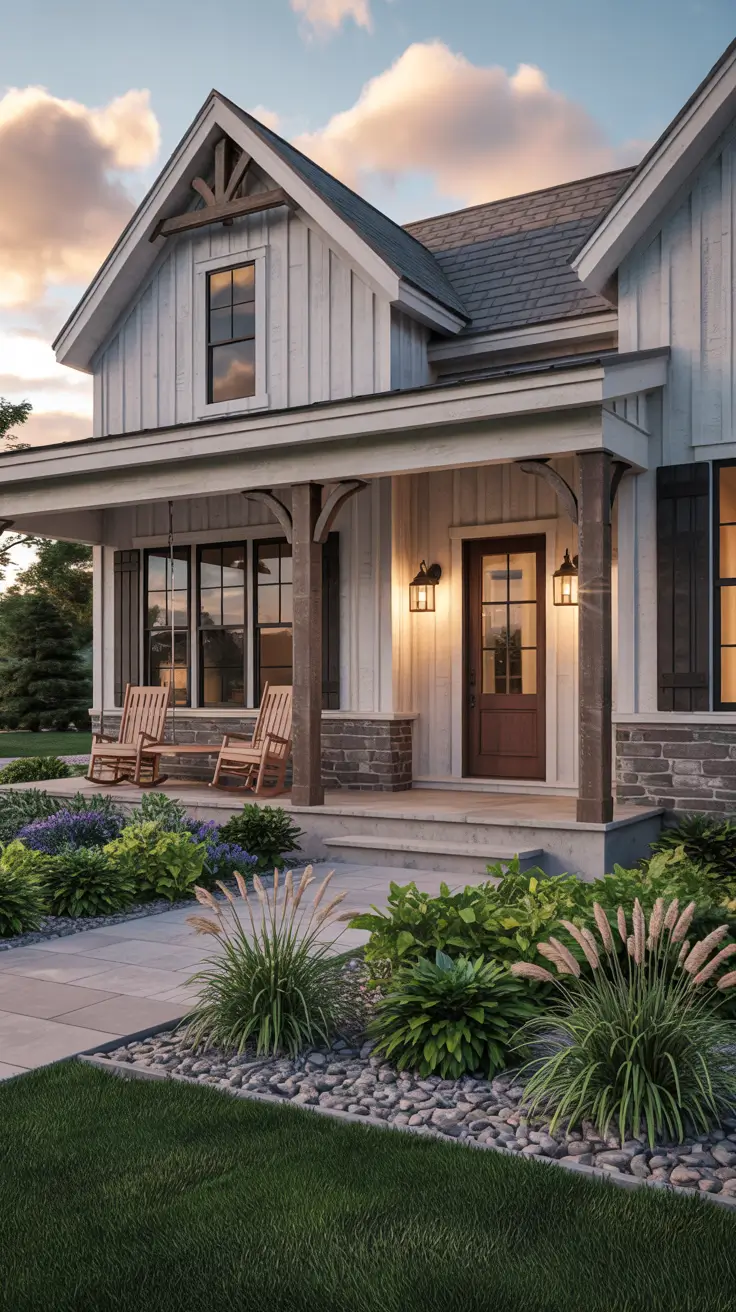
The farmhouse mix I recommend is durable siding (board-and-batten or lap), a warm wood front door, and a black or dark bronze light fixture set that feels cohesive. I love adding a real porch moment here: rocking chairs or a swing, outdoor lanterns, and planters that repeat the home’s palette. If you use stone, I prefer it as a grounded base or column accent rather than covering the entire façade. The landscape should look intentional but relaxed – gravel borders, native grasses, and layered shrubs.
If you’re tired of the “same farmhouse everywhere,” my advice is to shift the palette warmer and let the materials do more of the talking. Creamy whites, soft greiges, clay tones, or muted greens can still feel farmhouse, just more 2026.
What I’d add to complete this look is a stronger connection to the driveway and walkway – farmhouse exteriors look their best when the path feels generous and welcoming, with lighting that guides guests toward the porch.
Exterior House Styles Colonial 2026: Symmetry, Shutters, And Timeless Curb Appeal
For exterior house styles colonial, the 2026 refresh is about crisp symmetry with cleaner detailing. Colonials already have a strong “bones” advantage: centered doors, balanced windows, and a classic roofline. The practical benefit is straightforward updating – a colonial can look dramatically improved with a focused set of changes instead of a full rebuild.
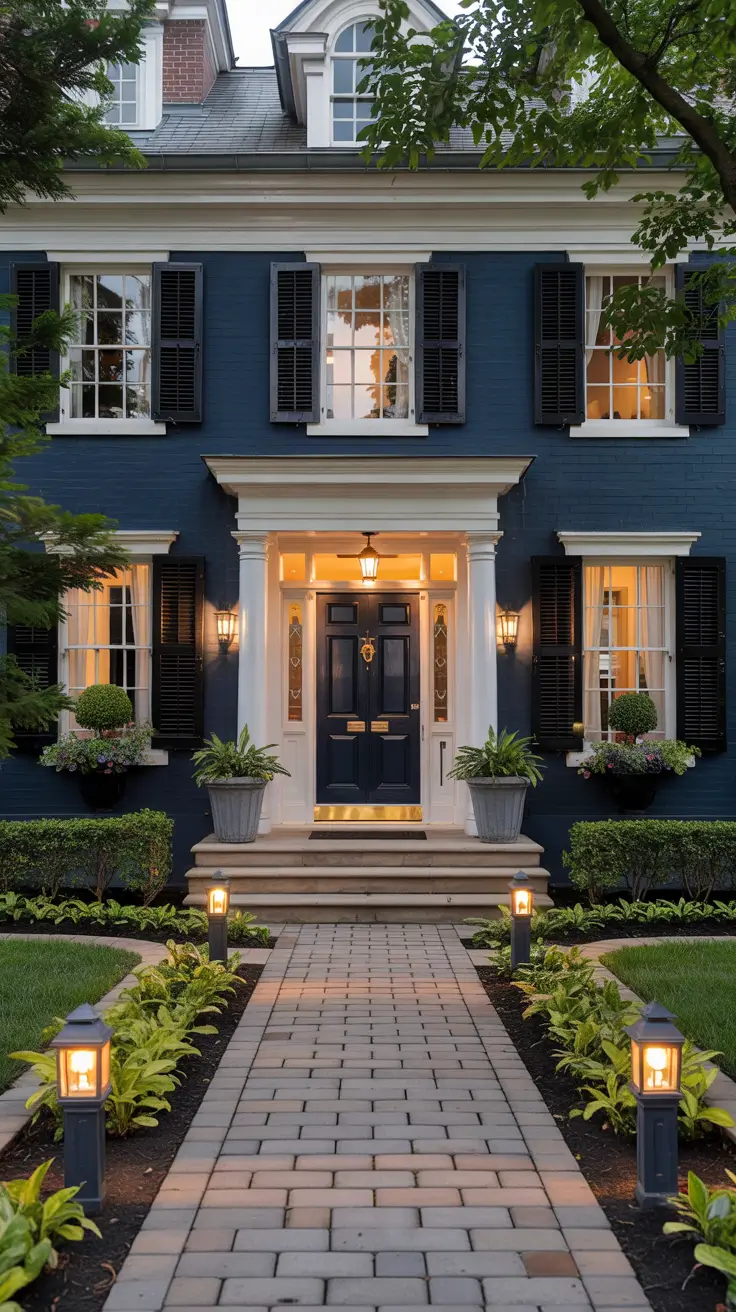
I focus on elevating the entry: a stronger door surround, upgraded lighting, and hardware that feels substantial. Shutters still matter here, but I prefer ones sized correctly for the windows, not skinny decorative strips. Color is where you can modernize – deeper navies, charcoals, or muted historic greens with brighter trim can feel fresh while staying appropriate. Landscaping should reinforce symmetry: matching planters, aligned pathway lighting, and structured planting beds.
In my experience, colonials look best when you resist trendy materials that fight the style. Instead, modernize with precision: better window trim profiles, more refined exterior lighting, and a front door color that adds personality without breaking the classic feel. If you want to lean more upscale in 2026, consider upgrading the walkway to larger pavers and adding subtle copper or bronze accents – they read polished and timeless.
French Country Exterior House Styles 2026: Soft Charm With Elevated Texture
For French country exteriors in 2026, the mood is romantic but grounded – creamy plaster-like finishes, gentle rooflines, and natural textures that feel collected over time. The practicality is that this style hides everyday wear beautifully: textured walls, stone, and warm-toned materials tend to look better as they age, not worse, especially when the palette stays earthy and soft.
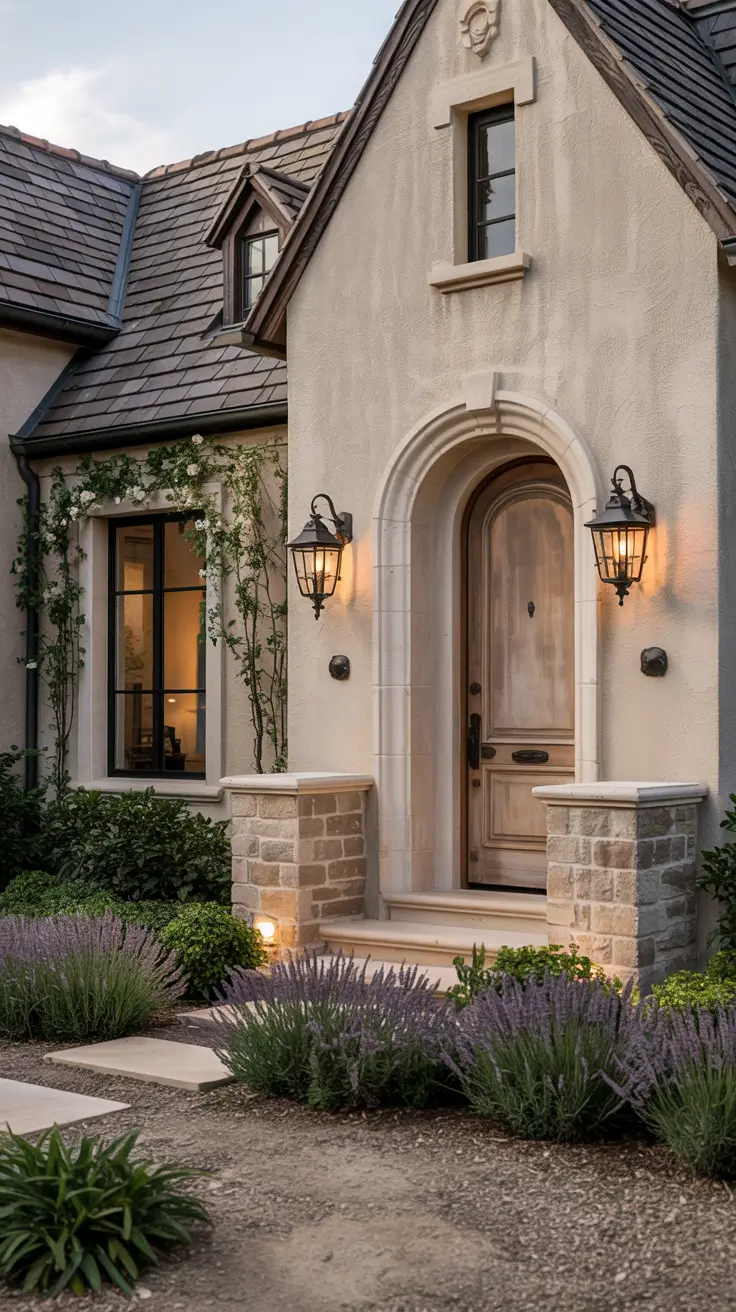
The pieces I like to include are arched elements (even a subtle arch at the entry), antique-inspired lanterns, and layered natural materials like limestone-style accents, aged wood doors, and understated iron details. Landscaping matters a lot here: gravel paths, lavender-like planting, climbing greenery, and softer bed shapes that don’t feel too rigid. If there’s a porch or terrace, I’ll add classic outdoor furniture – bistro-style seating, a small dining set, and warm ambient lighting.
My personal advice is to keep French country from drifting into “theme” by editing the décor and letting the materials do the charm. One or two artisan touches go a long way – a beautiful door, a textured wall finish, or stone at the base of the home.
What I’d add to make this section feel complete is a stronger outdoor lighting plan – French country looks magical at dusk, so I’d layer lanterns, subtle uplighting for trees, and warm pathway lights for that welcoming glow.
Scandinavian Exterior House Styles 2026: Light Woods, Calm Colors, Crisp Simplicity
In 2026, Scandinavian exteriors are winning because they feel fresh, practical, and quietly luxurious without trying too hard. I see this style working especially well in neighborhoods where you want a modern look that still feels approachable – clean forms, minimal fuss, and materials that age gracefully. The big advantage is livability: the palette is calm, the shapes are simple, and the details are designed to stay timeless rather than trendy.
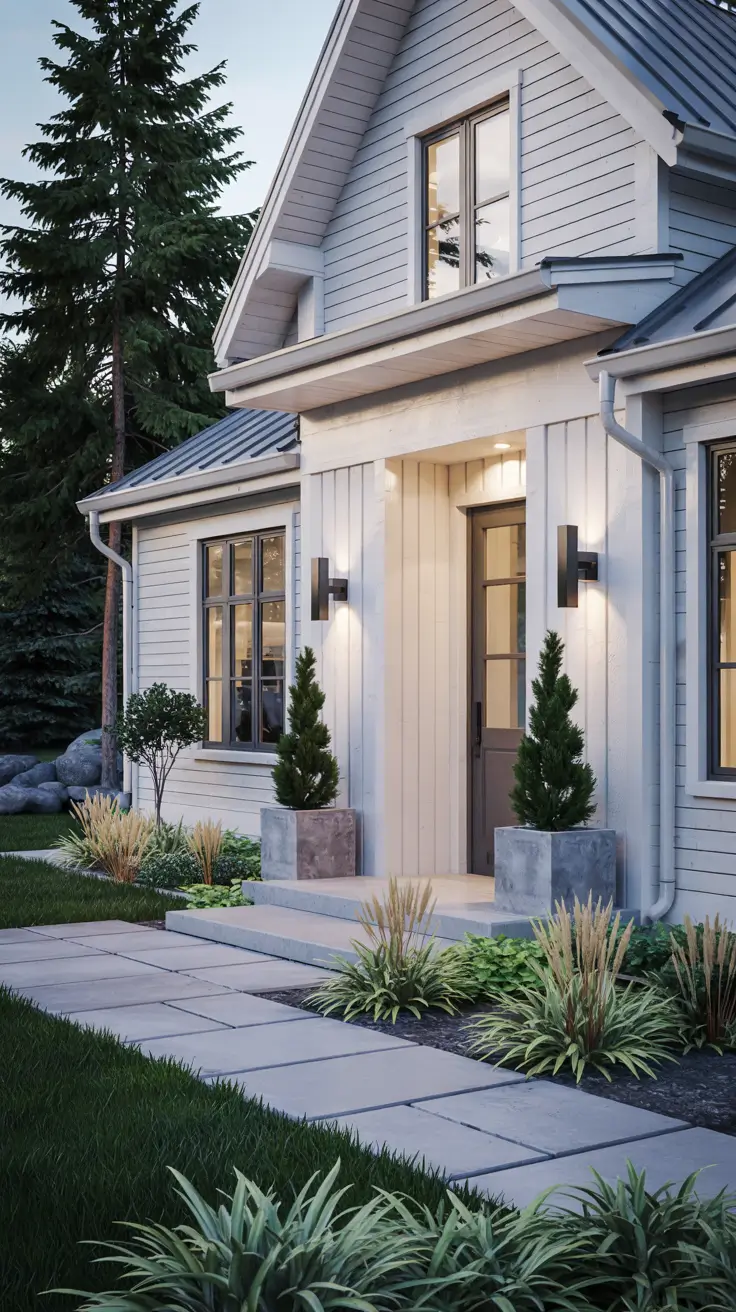
When I design a Scandinavian-inspired exterior, I focus on three things: light-toned wood, soft neutral paint, and strong window rhythm. I’ll often choose pale wood cladding or thermally treated timber accents, pair it with warm white or light greige siding, and keep trim minimal. For the entry, I like a simple bench, black or bronze wall sconces, and oversized planters with evergreen structure so the home looks intentional year-round. Even the walkway matters – large concrete pavers or compact gravel with clean edging keeps the look crisp.
My personal take is that Scandinavian exteriors look best when you protect the simplicity by avoiding visual noise. If you want personality, I’d add it through texture, not extra decorations: wood grain, subtle vertical siding, or a softly textured plaster finish. What I’d add to complete this look in 2026 is a lighting plan that feels warm and layered – Scandinavian homes look incredible at dusk when the glow feels calm, not harsh.
Modern Rustic Exterior House Styles 2026: Refined Timber, Metal, And Stone
In 2026, Modern rustic is the sweet spot for people who want warmth without feeling dated. I’m seeing this style become more refined: less “cabin,” more architect-designed retreat. The practicality is huge – the material choices are often durable, weather-friendly, and forgiving, especially when you blend wood, stone, and metal in a balanced way.
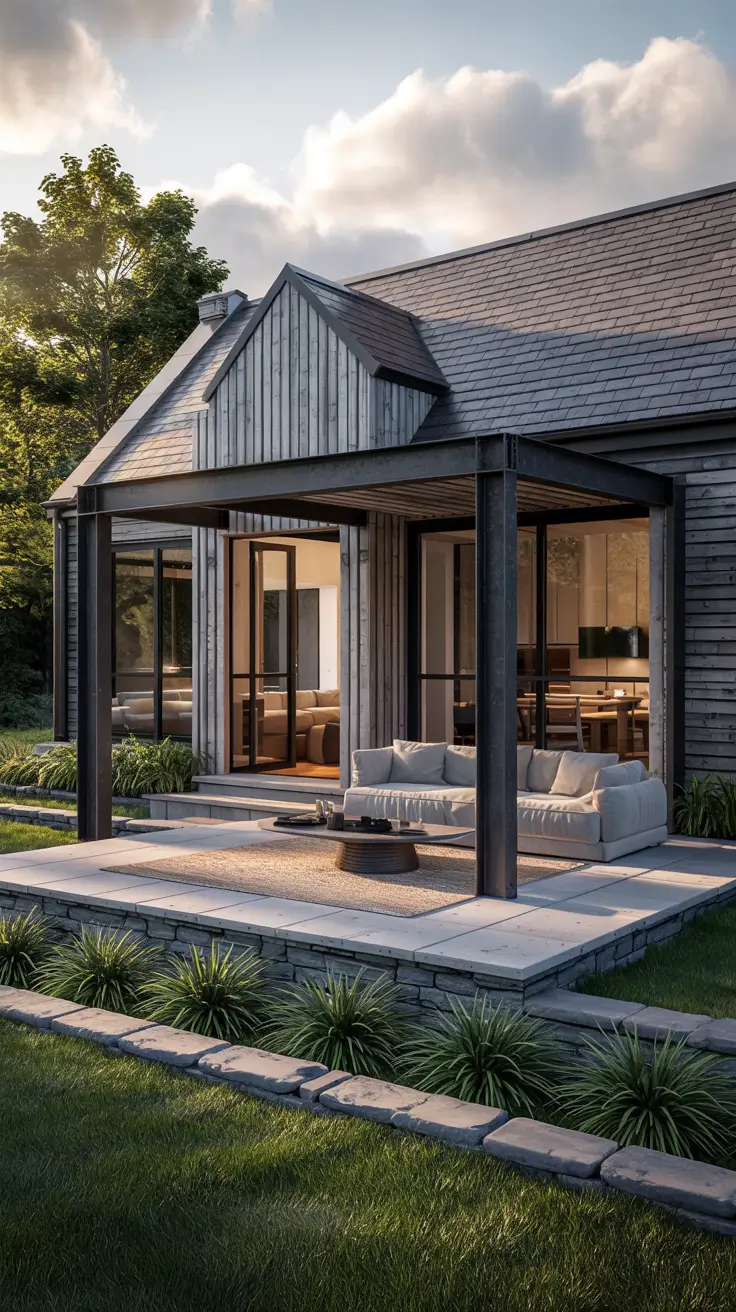
My go-to formula is a clean roofline with warm timber accents, matte black metal details, and grounded stone at the base or on key volumes. I like using vertical wood slats at the entry, a steel or aluminum canopy, and large black-framed windows that keep it current. If there’s a porch or terrace, I’ll add modern outdoor seating with thick cushions, a low table, and a subtle outdoor rug so the space feels like a real extension of the home, not an afterthought.
I’ve learned that modern rustic can look messy if you use too many competing textures. I keep the material palette controlled and repeat finishes across the exterior – the same metal finish on lighting, house numbers, and hardware, the same wood tone in two or three places. What I’d add here, if anything is missing, is landscaping that supports the rugged-polished vibe: boulders or natural stone edging, structured grasses, and one or two statement trees to frame the architecture.
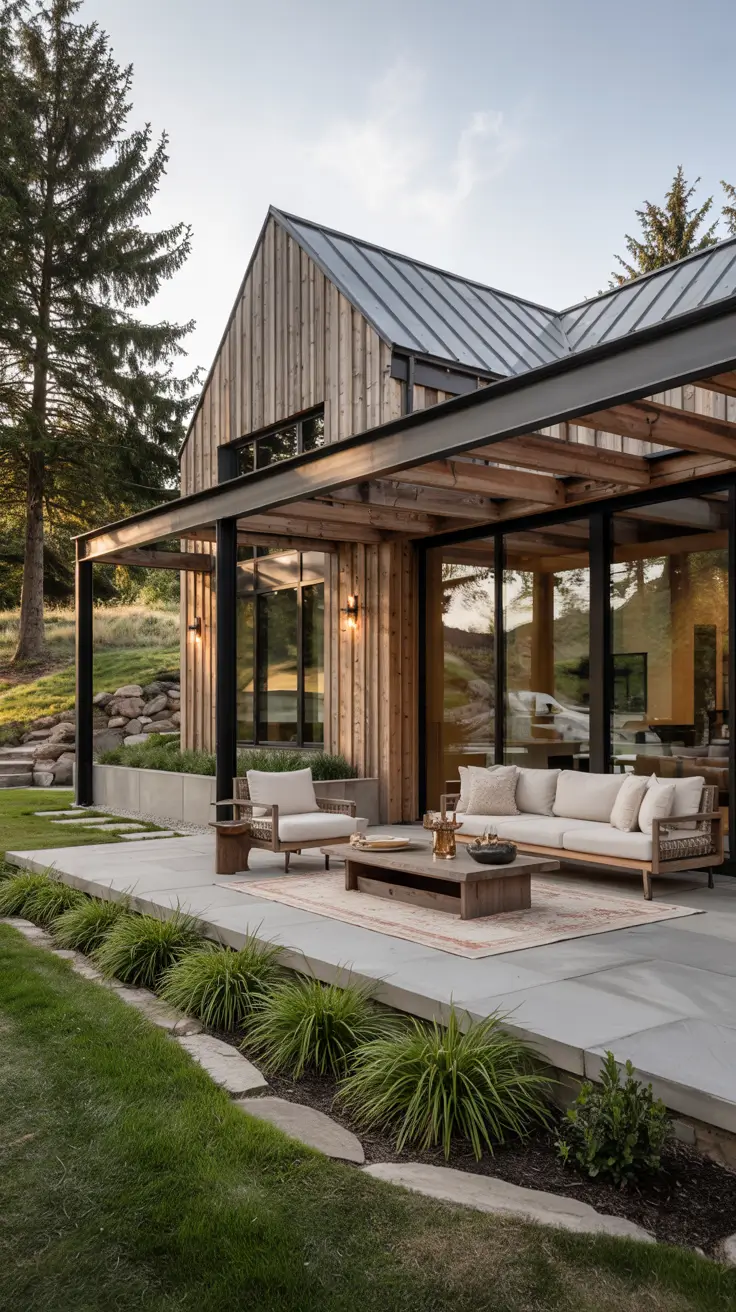
Exterior House Styles With Big Windows 2026: Bright Facades And Indoor-Outdoor Flow
This is the year I’m seeing exterior house styles big windows go fully mainstream – and for good reason. Big windows immediately modernize a home and make the exterior feel lighter, more open, and more premium. The practical benefit is daily comfort: more natural light, stronger indoor-outdoor connection, and better views if you plan landscaping with the windows in mind.
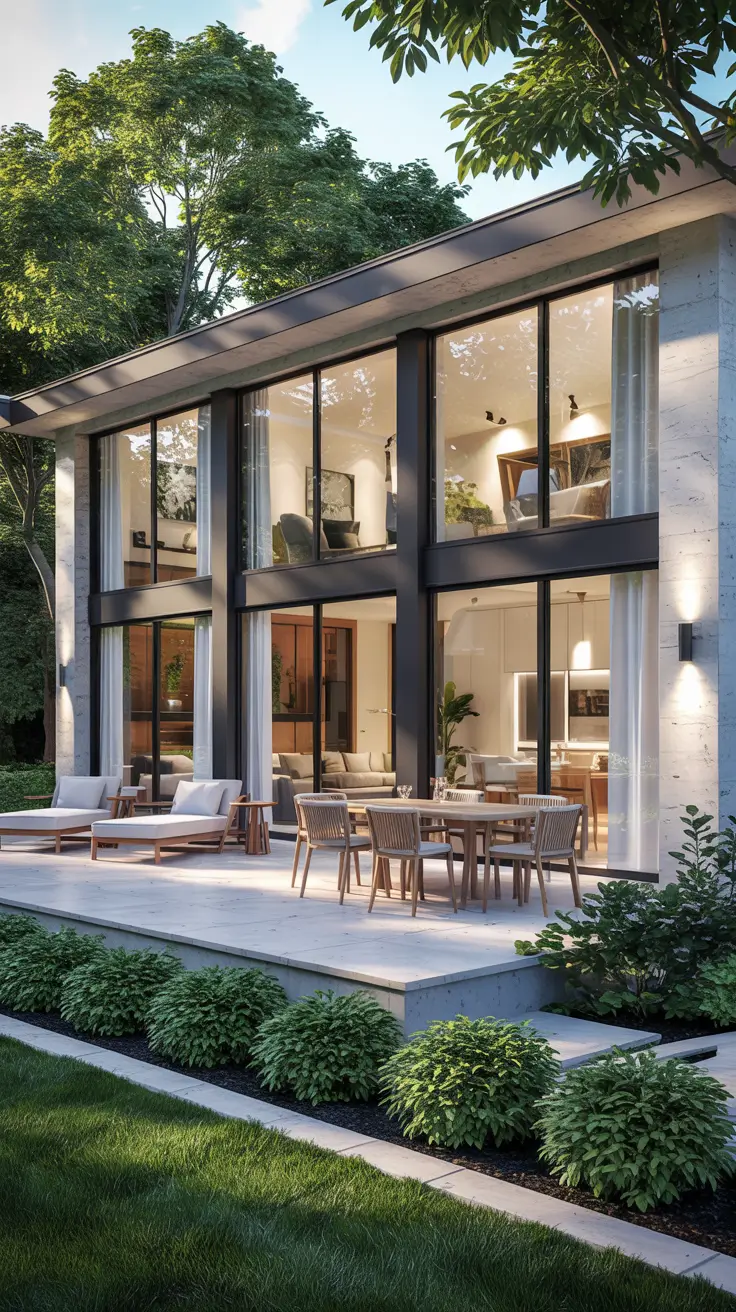
For the exterior, I design around window proportion first, then build the materials around that rhythm. I love slim black or bronze frames, large picture windows paired with smaller operable panels, and glass doors that align with interior sightlines. Outside, I’ll add a seating zone that “answers” the windows – a patio with modern lounge chairs, a dining set, or even a simple fire feature – so the exterior looks purposeful from both the street and the inside.
My advice is to treat big windows as a full system, not just a swap. You need privacy planning, shading, and exterior lighting that won’t create glare at night. If you’re updating an older home, I often recommend upgrading the entry and walkway at the same time so the home looks cohesive, not like it has one modern feature pasted onto a dated façade.
Different Exterior House Styles 2026: Mixing Eras Without Looking Messy
In 2026, the best updates are confident blends – but only when they’re guided by rules. When clients ask for Different influences, I translate that into “one dominant style, one supporting accent,” so the exterior still reads intentional. This approach is practical because it lets you modernize without erasing the original architecture, and it’s often cheaper than a full style overhaul.
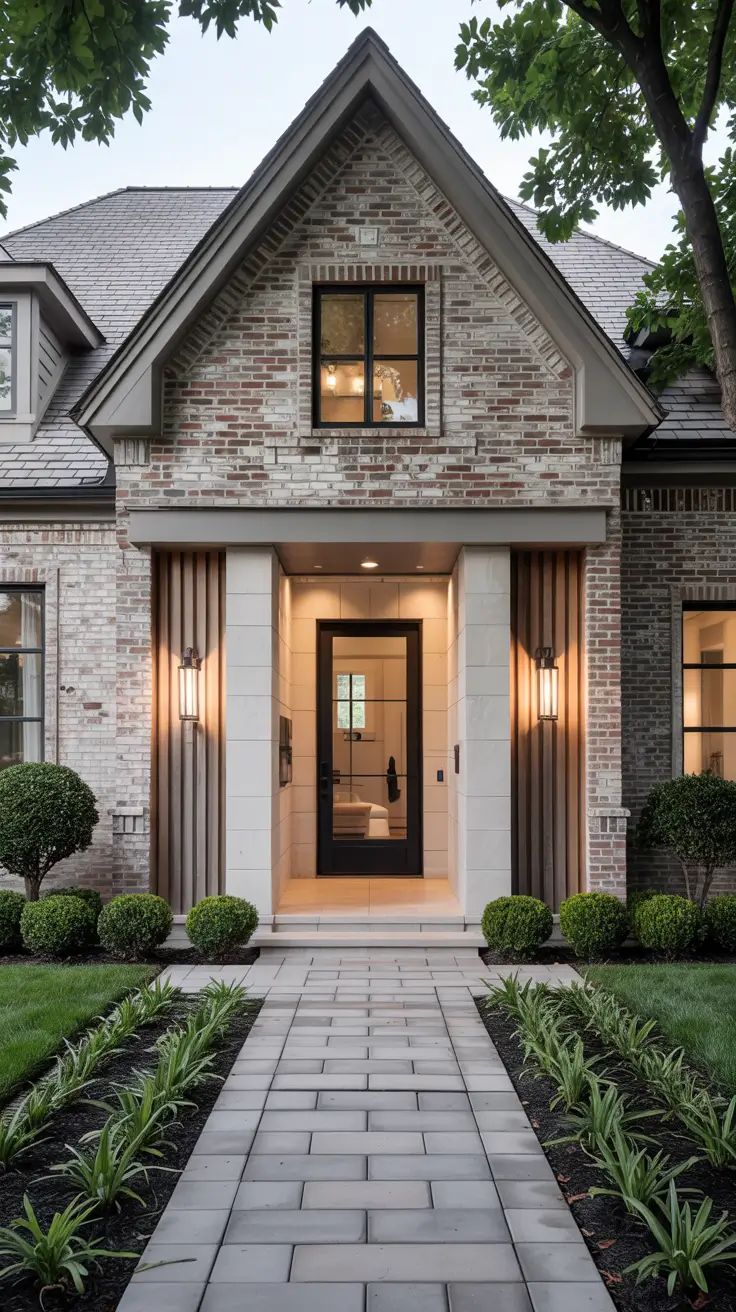
I usually choose one anchor material and repeat it. For example, you can keep a traditional roofline but introduce modern lighting, a simplified railing, and a fresh trim strategy. Or you can pair classic brick with contemporary wood slats at the entry, then tie it together with one hardware finish across the whole exterior. Even landscaping can help the blend: structured foundation plantings support traditional shapes, while cleaner pavers and grasses introduce a modern edge.
From my experience, mixed-style exteriors fail when there’s no hierarchy. Too many materials, too many colors, too many “statement” pieces – and suddenly nothing looks like it belongs. What I’d add to keep this approach successful is a simple exterior checklist: limit the palette, align window trims, unify lighting finishes, and choose one focal point at the entry that tells the viewer what the home is trying to be.
Types Of Exterior House Styles 2026: Finding The Right Look For Your Home Shape
Choosing the right Types of exterior styles in 2026 starts with the home’s shape, not your mood board. I always look at rooflines, window placement, and massing first, because those structural cues decide what will look natural. The practical benefit of getting this right is that your upgrades look believable, and you avoid wasting money forcing a style that fights the architecture.
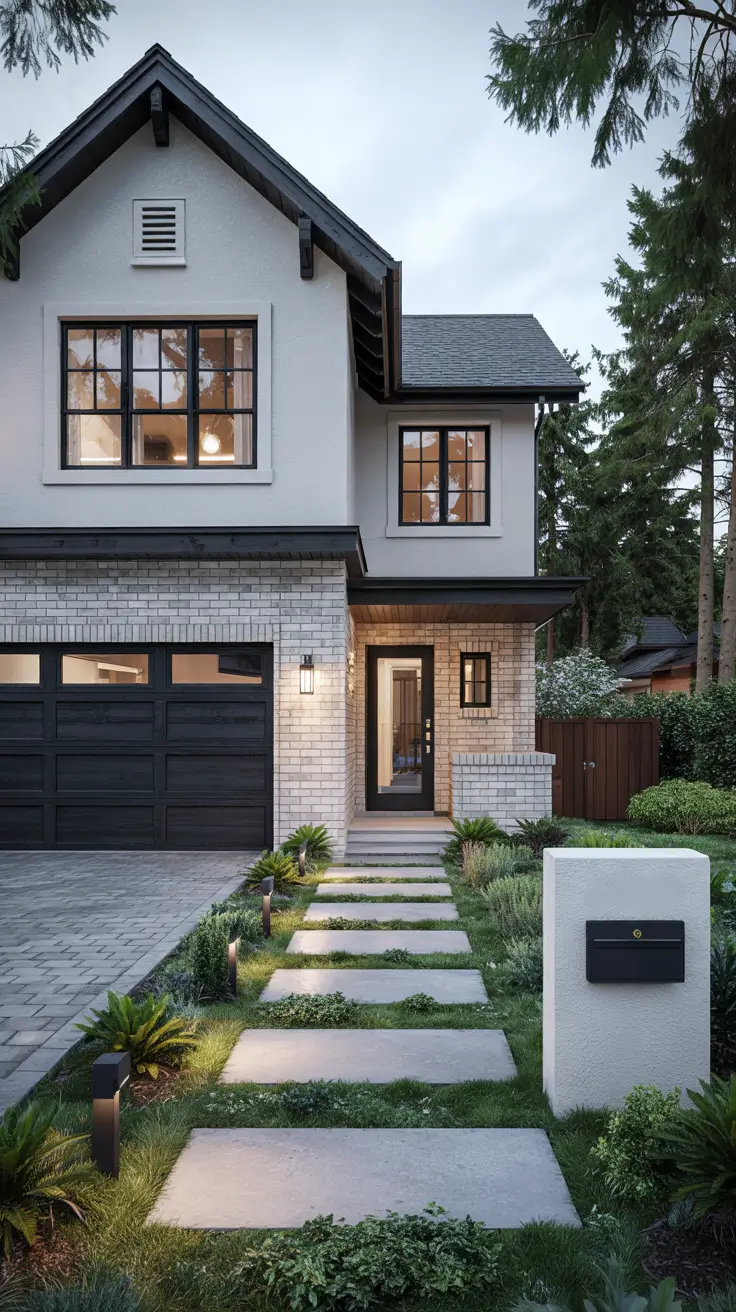
If the house has simple massing and long horizontal lines, it often leans modern or contemporary easily. If it has symmetry and a centered entry, traditional families like colonial or classic traditional will feel more natural. If it has gables and a porch-friendly layout, farmhouse or modern rustic can fit beautifully. I also consider the neighborhood context – sometimes the smartest move is a “quiet update” that improves curb appeal while staying compatible with the street.
My personal approach is to pick your style lane, then choose upgrades that reinforce it: materials, colors, lighting, and landscaping that all tell the same story. What I’d add here is one missing piece most people forget – the garage door. In 2026, a garage door that matches the style language (modern flush, carriage-inspired, or simple paneled) can make the entire exterior feel more expensive and cohesive.
Exterior House Design 2026: Proportion, Balance, And The “Stand Back” Test
Great Design in 2026 is less about decoration and more about proportion. I use what I call the “stand back” test: if you step to the curb, does the home feel balanced, or do your eyes jump to one awkward element? The practical value is real – proportion fixes often improve curb appeal more than expensive materials, and they can be achieved with smart trim, color placement, and lighting.
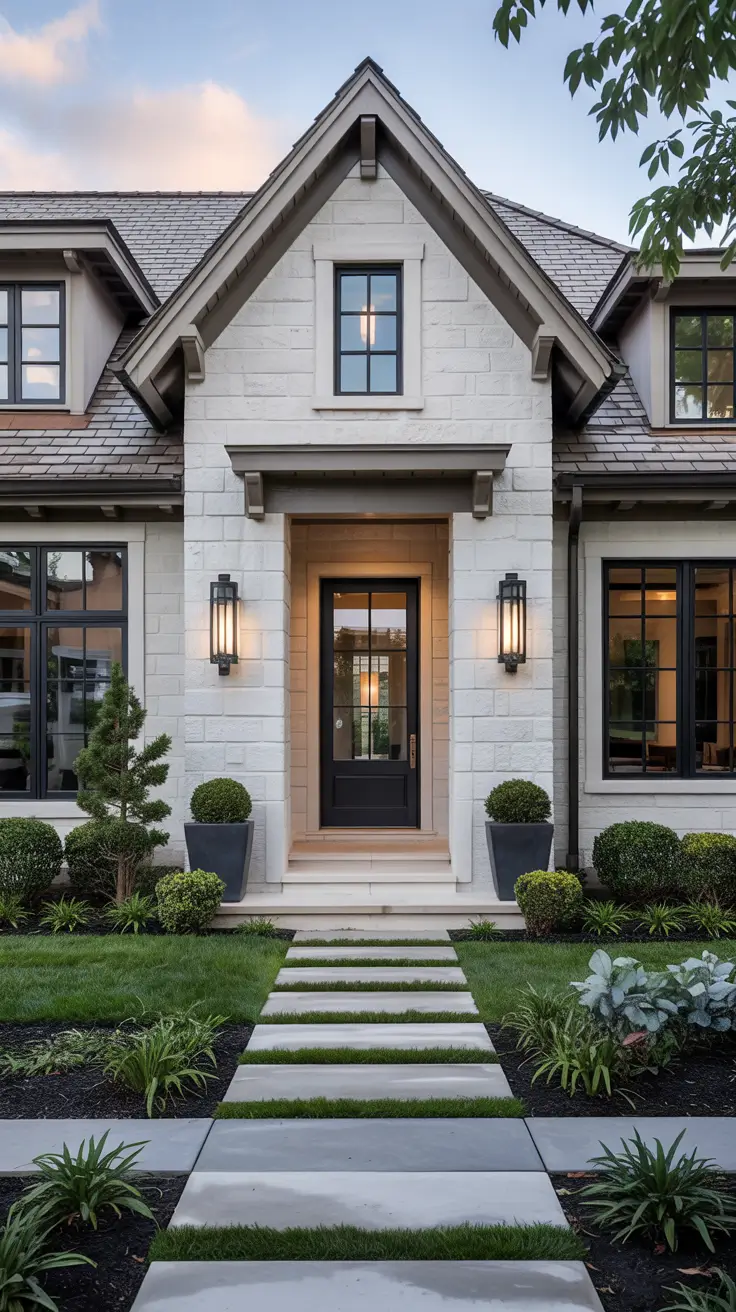
I pay attention to trim thickness, the scale of the front door, the size of the porch columns, and how the entry relates to the rest of the façade. Even simple changes – thicker window trim, a larger light fixture, or a wider step and landing – can correct a home that looks under-scaled. I also like to visually “ground” the home with darker tones at the base or a material transition that feels intentional, because it makes the structure look stable and elevated.
My experience is that homeowners often choose fixtures that are too small. In 2026, slightly oversized exterior lighting and a more substantial door presence reads modern and confident. If you want one quick improvement, I’d upgrade the entry scale: a larger door, better sidelights, stronger hardware, and lighting that matches the home’s proportions rather than being an afterthought.
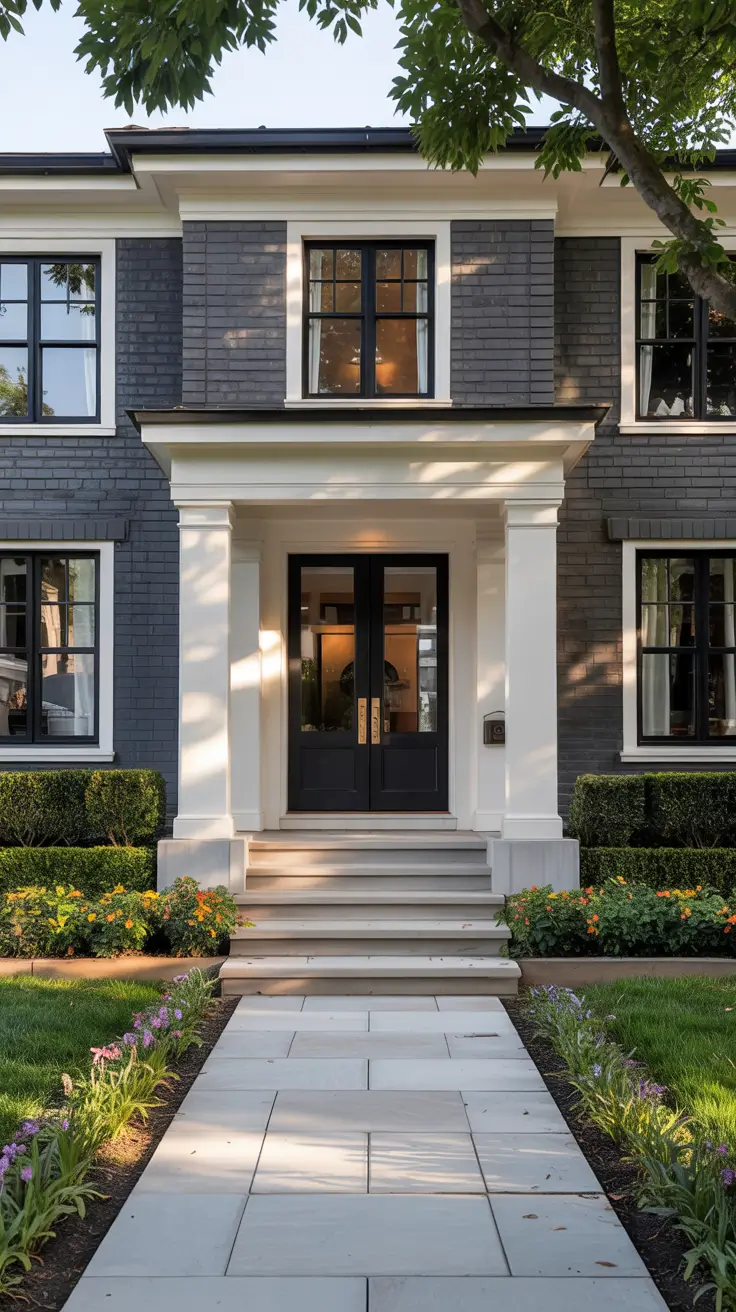
Exterior House Styles With Stone 2026: Modern Stonework That Feels Natural
Stone is having a big moment in 2026, but the best applications feel modern, not heavy. With Stone exteriors, I focus on placement and restraint so the home looks elevated instead of bulky. The practical advantage is durability and low maintenance, especially on lower walls where weather and splashback can wear finishes down.
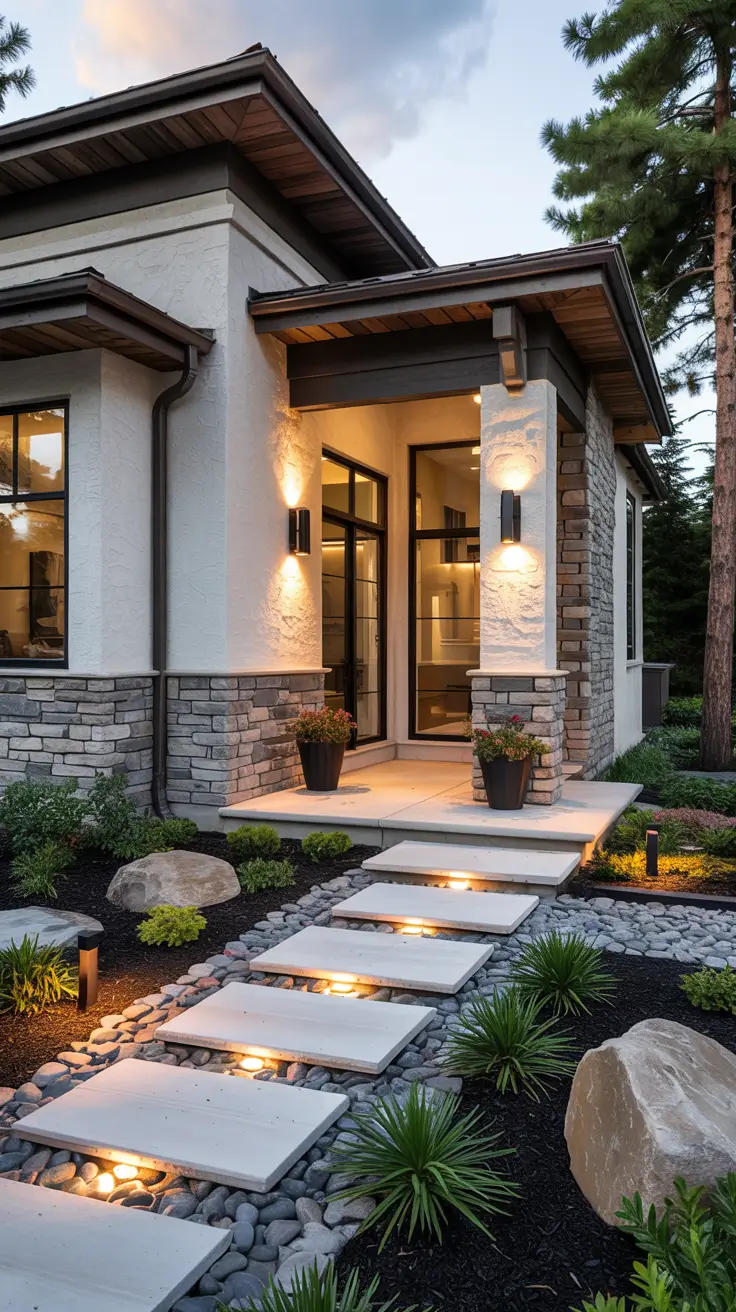
I like using stone as a base skirt, around the entry volume, or on one key section to create a focal point. In many projects, I’ll pair stone with smooth siding or stucco so the textures feel intentional. The stone color matters, too: I’m leaning toward warmer neutrals, soft grays, and mixed tones that look natural in daylight. Then I echo that tone in the landscaping with gravel, boulders, and warm exterior lighting to keep everything cohesive.
My advice is to avoid stone that looks overly manufactured or too uniform. If you want a modern look, choose cleaner cuts or a more linear stone profile and keep mortar lines refined. What I’d add to complete this section is a trim-and-lighting strategy that matches the stone tone – the wrong light temperature or hardware finish can make beautiful stone look flat.
Exterior House Styles With Brick 2026: Updated Brick Tones And Fresh Mortar Looks
In 2026, brick is getting a refresh that feels Modern without losing the soul that made people fall for brick in the first place. I’m seeing a move toward warmer, more complex brick tones, and mortar that’s intentionally part of the palette – not an afterthought. If you want an exterior that feels grounded and durable, Brick is still one of the most forgiving choices for everyday life because it hides wear, doesn’t need constant repainting, and instantly adds weight to the facade.
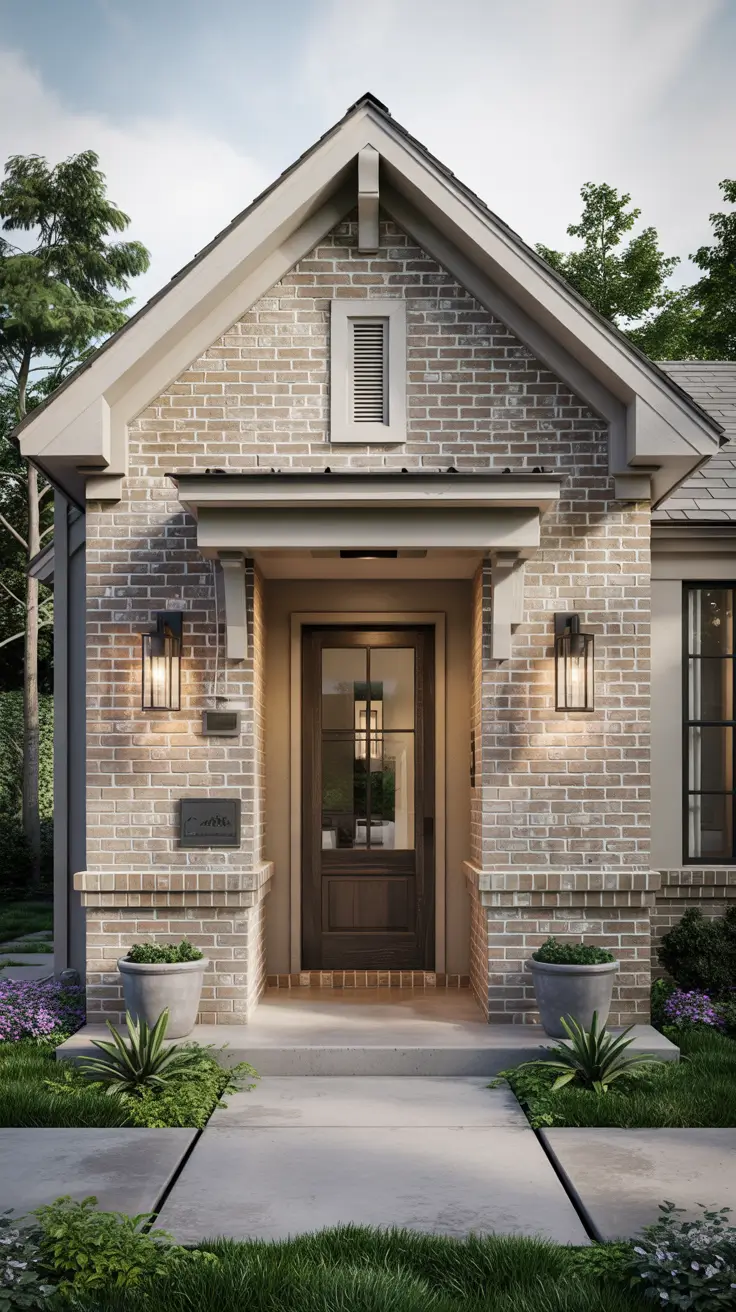
When I design around brick, I treat it like the “anchor” material and build the rest of the exterior to support it. I like pairing updated brick with a simpler trim profile, matte black or dark bronze lighting, and a front door that reads like a focal point – stained wood, deep green, or a sophisticated charcoal. For practical curb appeal, I also add outdoor pieces that feel intentional: two structured planters, a clean-lined bench or porch chairs, and hardware that matches the lighting so the whole exterior feels coordinated.
My personal rule is to choose one brick “statement” moment and let everything else be quieter. If the brick is bold or varied, I keep the siding and trim calm; if the brick is subtle, I’ll let the door color and landscaping do more talking. I’ve learned that the fastest way to make brick look dated is mixing too many competing finishes – so I stay consistent with metals and keep the palette tight.
What I’d add to make this section complete for your specific house is a quick audit of the brick undertone in daylight. Stand outside in the morning and late afternoon, note whether your brick reads warm, cool, or neutral, then choose trim and door colors that agree with that undertone instead of fighting it.
Exterior House Styles Ideas 2026: Instant Upgrades That Change Everything
If you want Ideas that actually move the needle in 2026, I focus on upgrades that change the “read” of the home from the street – not tiny tweaks you only notice up close. The most impactful approach is thinking in Different layers: architectural lines, materials, color blocks, lighting, and landscape structure. Even if you’re not doing a remodel, you can make a home look more contemporary just by simplifying visual clutter and sharpening contrast in the right places.
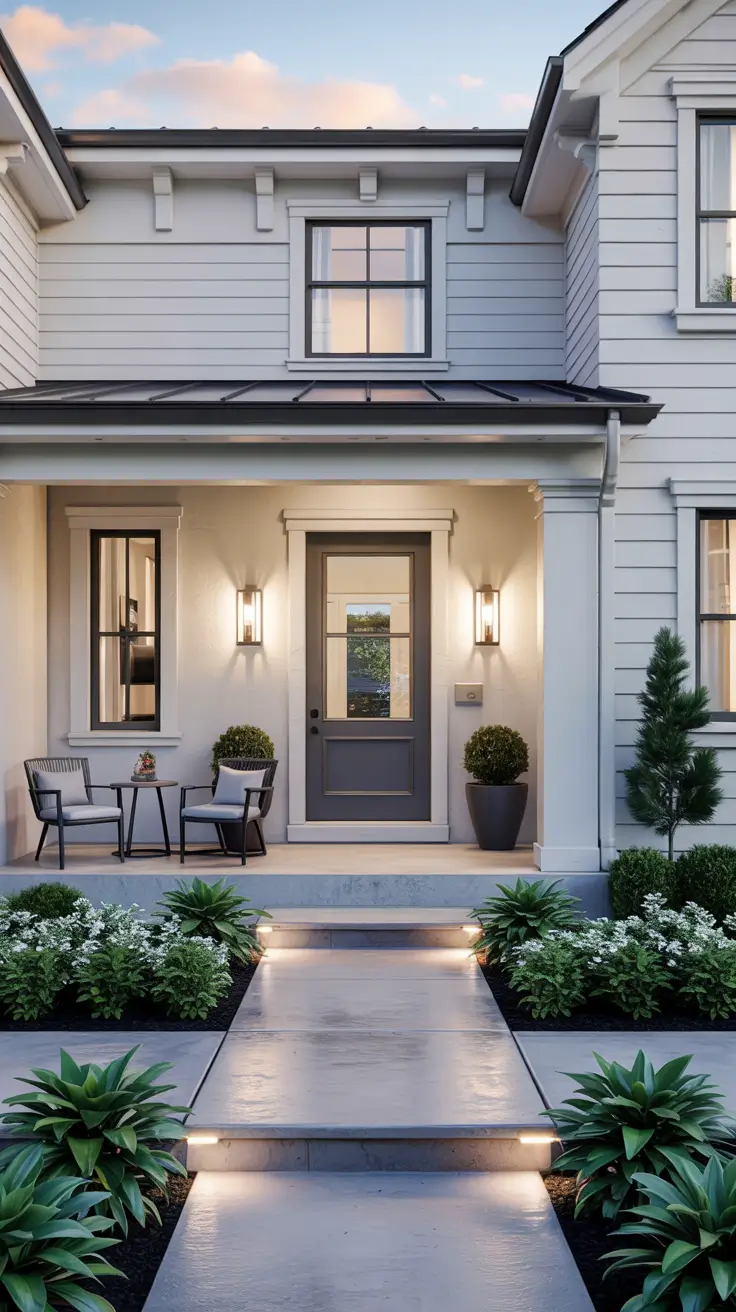
The pieces I prioritize are the ones that behave like exterior “furniture.” A new set of oversized house numbers, a modern mailbox, matching sconces, and a confident front-door moment can transform the entry. Then I build a frame around it: symmetrical planters, a simple seating vignette (two chairs and a small table, or a bench), and a defined walkway edge with low lighting. These aren’t expensive concepts – they’re Design decisions that create order, and order always reads premium.
I’m also a big believer in upgrading what your hand touches: door handle, knocker, deadbolt, garage hardware, and gate latch. When these finishes match – and the lighting matches too – your exterior instantly feels “intentional,” which is the real luxury signal. If you’ve ever driven past a house and thought, “That looks put-together,” it’s usually this level of consistency doing the work.
What’s often missing in quick-upgrade plans is a night-time check. I always walk outside after dark and look at the house like a guest arriving. If the entry is dim or the path disappears, the exterior loses half its curb appeal – so adding warm pathway lights and proper porch illumination is one of my favorite high-return moves.
House Exterior Paint Colors For Ranch-Style Houses 2026: Low, Long, And Gorgeous
Ranch homes are having a real moment, and house exterior paint colors for ranch-style houses in 2026 are all about making that low, horizontal shape look intentional and sleek. The trick is respecting the ranch profile: long roofline, wide frontage, and often a simpler facade. I like paint choices that visually stretch the home in a calm way – warm whites, soft greiges, muted taupes, and grounded mid-tones that pair well with stone or brick accents.
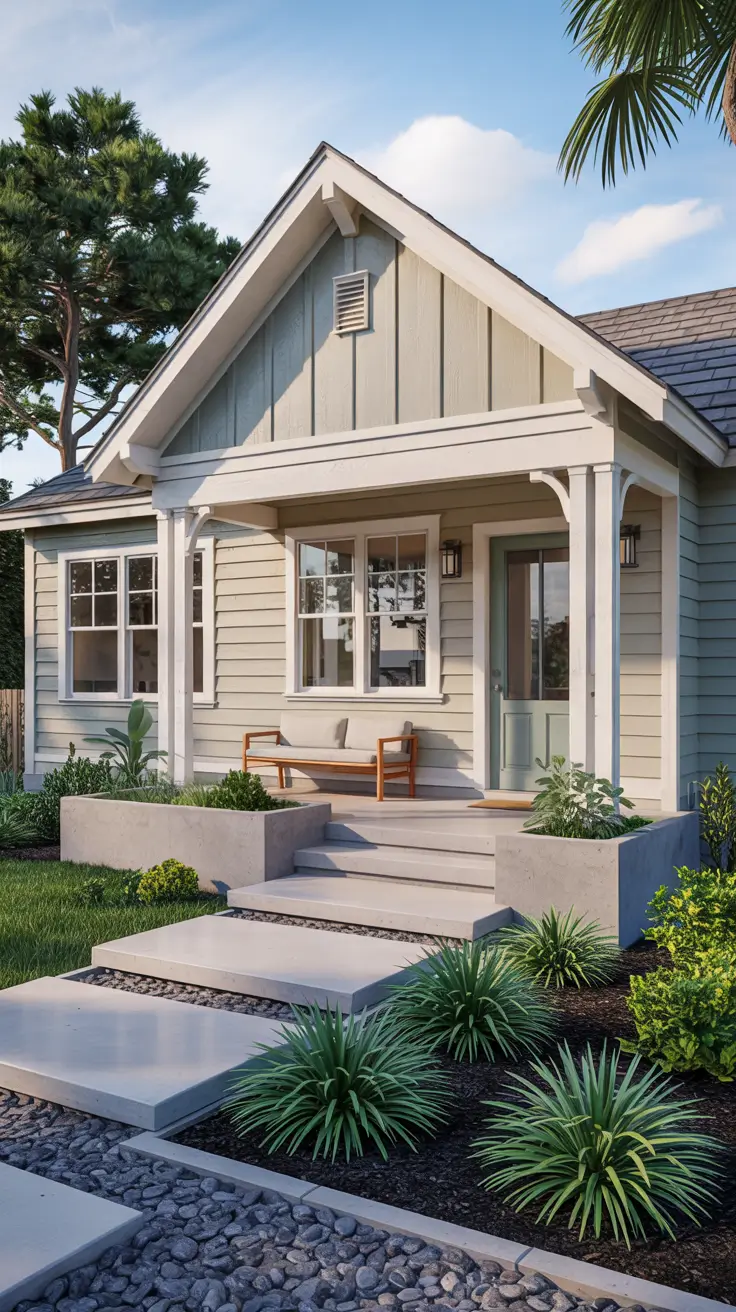
When I’m picking paint for a ranch, I map the exterior like a composition: main body color, trim color, and one accent for the door or shutters (if they exist). Then I make the “supporting cast” match: garage door color that doesn’t jump out, gutters that blend, and lighting in a finish that looks clean against the paint. Ranch exteriors also love a tidy, modern porch setup – low-profile seating, a simple doormat, and planters that sit wide rather than tall, so everything matches the home’s horizontal vibe.
In my experience, ranch homes look best when you avoid harsh, high-contrast trim unless the architecture is already crisp and modern. If the roofline is soft or the detailing is minimal, super stark contrast can feel chopped up. I prefer a slightly softer contrast – body in a warm neutral, trim one shade lighter or darker, and an accent door color that adds personality without yelling.
What I’d add here is a note about landscaping color temperature. If you choose a cool paint, lean into cooler greens and gray stone; if you choose a warm paint, add warm mulch, tan gravel, and creamy-toned planters. Those little choices make the paint feel like it belongs – and they make ranch homes look finished instead of “painted.”
Exterior House Styles For Ranch Homes 2026: Modernizing A Classic Single-Story
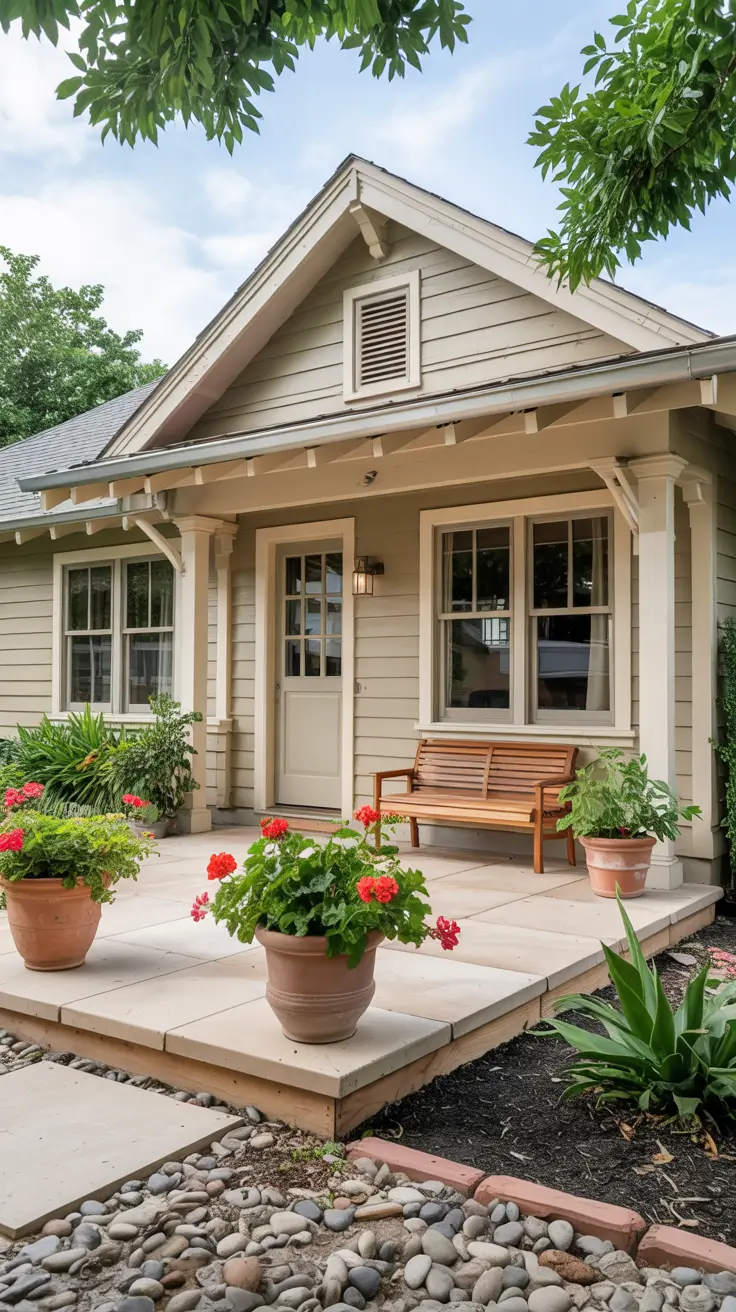
Modernizing a ranch is less about changing its DNA and more about refining it. In 2026, I’m seeing ranch updates that lean into exterior house styles contemporary energy: clean lines, simplified trim, and smarter material pairings. You can keep the ranch silhouette while making it feel more current by updating the entry, enlarging the visual impact of windows, and using materials like wood accents, textured stone, or updated brick to give the facade depth.
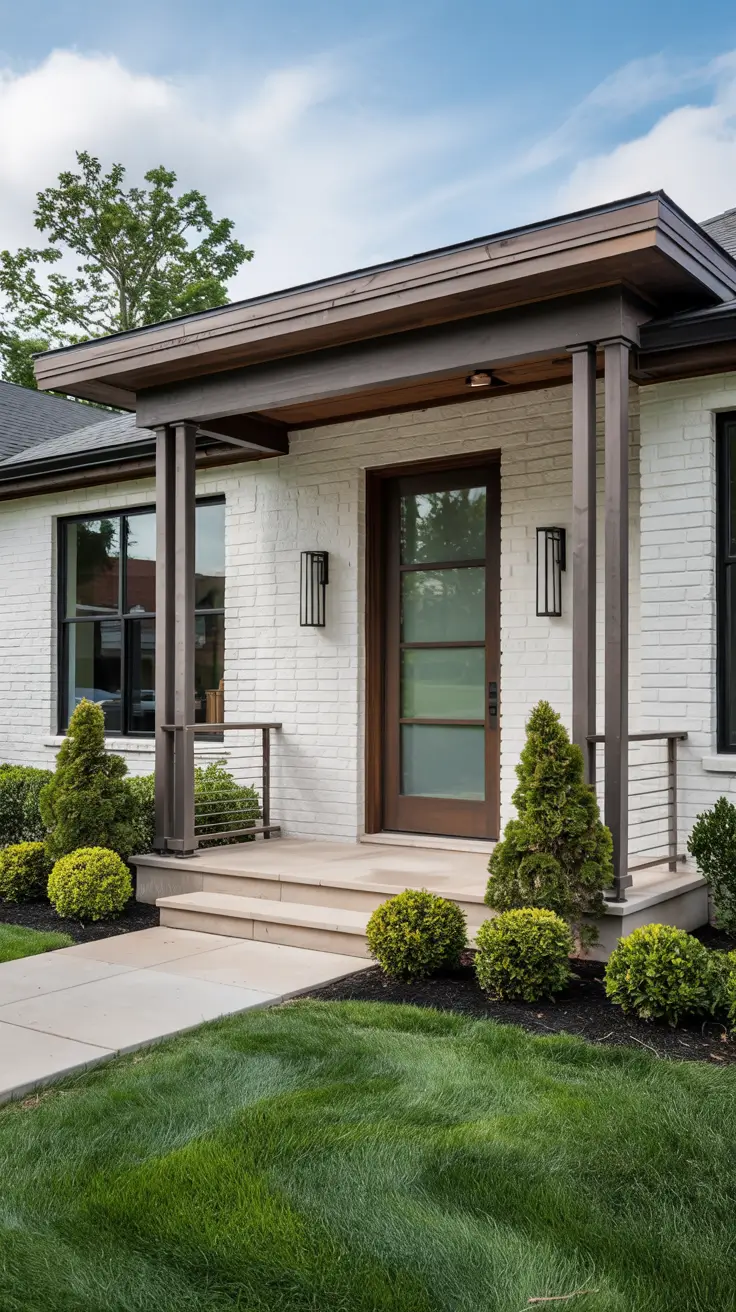
The elements I use most are simple but powerful: a modern front door (often with a glass panel), a new awning or porch cover with a thinner profile, and lighting that looks architectural rather than decorative. If the home has a carport or garage, I like a garage door that feels flush and calm, not heavily paneled. I also add exterior “furniture” on purpose – even a small bench, sculptural planters, and a clean-lined railing can make the front look like a designed space rather than leftover square footage.
I’ve found that ranch homes respond especially well to one strong focal point – usually the door and surrounding entry zone. If you upgrade that area and coordinate finishes across the house (lighting, hardware, numbers, mailbox), the entire exterior reads elevated. It’s the same principle as styling an outfit – one standout piece, everything else coordinated.
What’s often missing is window strategy. Even without replacing windows, you can modernize the look by updating trim color, adding a consistent casing style, and keeping window treatments minimal and clean behind the glass. Ranch homes look best when the facade feels open and uncluttered.
Exterior House Paint Ideas 2026: Where To Use Contrast For Maximum Impact
Contrast is one of my favorite 2026 tools because it’s dramatic when done right and messy when done randomly. The key is choosing contrast that supports the architecture. I like using contrast to outline structure – rooflines, entry volumes, and major material breaks – rather than painting every little detail a different color. This approach works across exterior house styles modern, exterior house styles farmhouse, and even more classic looks when it’s applied with restraint.
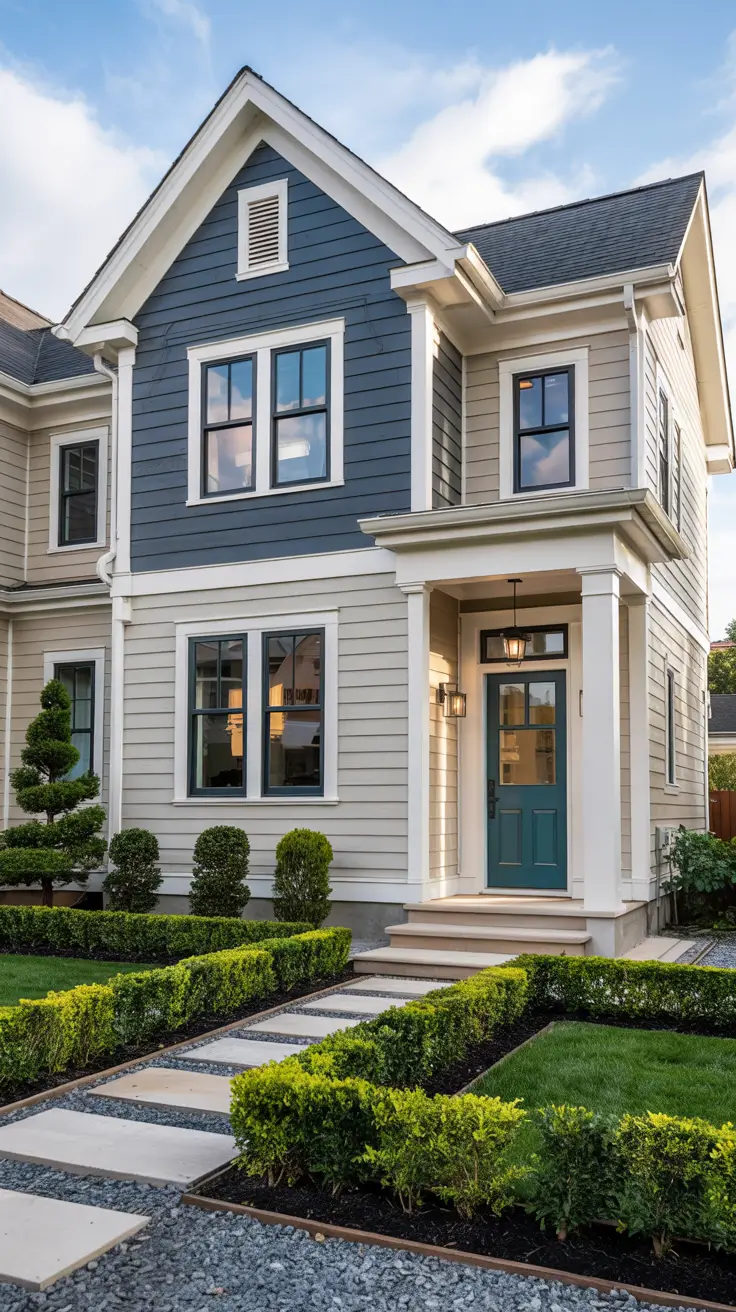
The easiest places to use contrast are the front door, garage door (sometimes), trim, and a single architectural feature like a gable, porch beam, or siding accent. I also love contrasting finishes, not just colors: matte metal lighting against smooth paint, warm wood against crisp trim, or a stone base beneath a lighter upper body. If you want a look that photographs beautifully, add layers: a darker door, a subtle trim shift, and planters or seating in materials that repeat your hardware finish.
My rule is that contrast should create “readability.” From the street, you should instantly understand where the entry is, where the home starts and ends, and what the main shapes are. If contrast creates visual confusion, it’s not contrast – it’s noise. I keep it professional by choosing one contrast story and repeating it: black lighting + black hardware + maybe black window frames, then stop.
What I’d add to strengthen this section is a quick test: take a photo of your house, convert it to black-and-white, and see if the shapes look clear. If everything blends into one gray blob, you need more contrast; if it looks striped and choppy, you need less.
Exterior House Color Palettes 2026: Neutrals, Deep Tones, And Nature-Inspired Hues
Color palettes in 2026 are leaning calmer and more nature-coded – think stone, bark, clay, fog, and deep evergreen. This works beautifully across exterior house styles traditional, exterior house styles contemporary, and Scandinavian-inspired homes because it feels timeless and grounded. I like palettes that have a “quiet base” plus one rich, confident accent so the house feels current but not trendy in a disposable way.
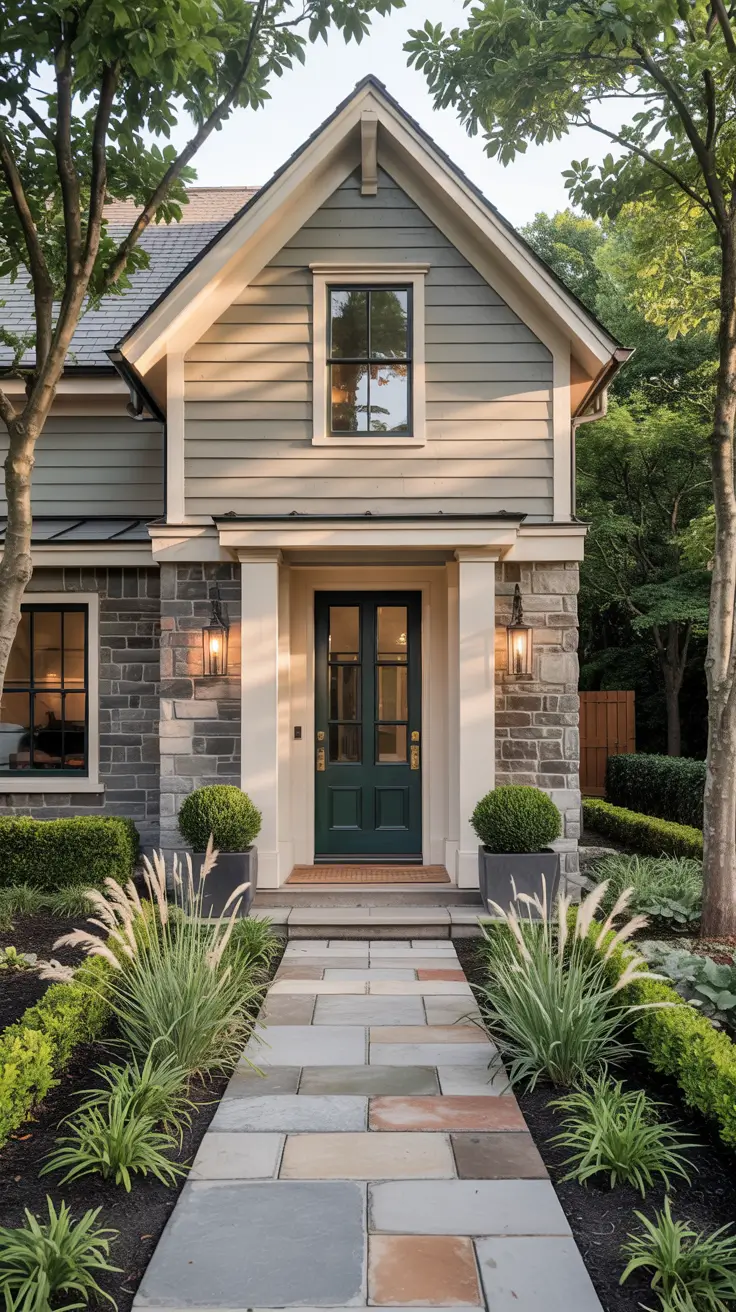
When I build a palette, I choose a main body color first, then select trim that either blends softly or creates a gentle outline, and finally pick an accent for the door. Then I match the exterior details to the palette: warm metals for warm colors, cooler metals for cooler colors, and landscaping that supports the vibe. This is where material matters – Stone can cool down a palette, Brick can warm it up, and wood accents can make everything feel more human and less flat.
I personally love a deep tone moment – charcoal, inky green, or espresso – but only when the rest of the exterior is simplified. Deep colors make a home look sophisticated, but they also highlight every awkward line, so I only use them when the architecture can carry it. If your home has lots of little angles and trim changes, a softer neutral is usually the smarter choice.
What’s missing from most palette conversations is sheen. Exterior finishes look best when you keep them modern: more matte on siding, a soft sheen on trim for durability, and a door finish that can handle fingerprints and weather. It’s a small detail, but it makes the whole palette look more expensive.
Exterior House Styles Modern Color Ideas 2026: Crisp Whites, Charcoal, And Soft Greige
Modern exteriors in 2026 are all about clarity – crisp shapes, fewer visual interruptions, and color choices that highlight geometry. That’s why exterior house styles modern pair so well with crisp whites, charcoal, and soft greige: these shades act like a clean backdrop for strong lines, Big windows, and modern lighting. If you’re aiming for exterior house styles big windows, this palette is especially flattering because it makes the glass feel like a feature, not an afterthought.
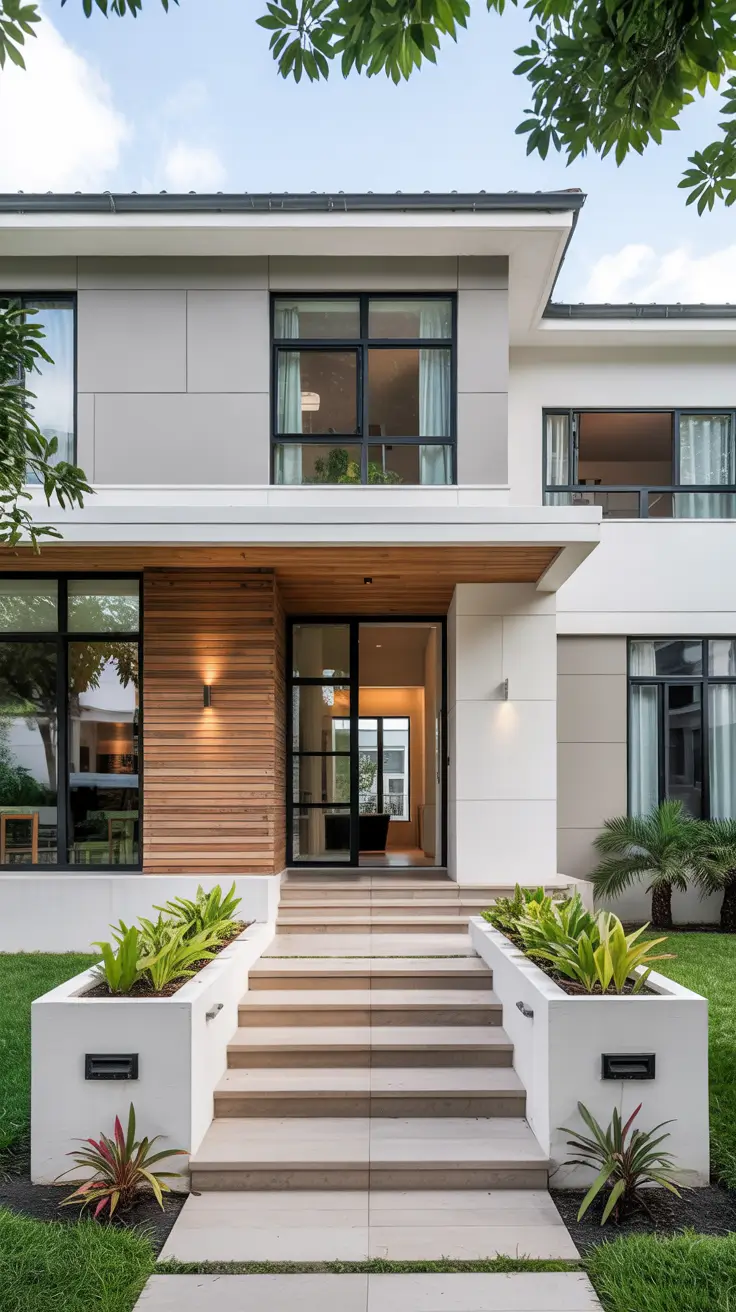
I design modern color schemes like a three-piece outfit: a base neutral (white or greige), a deep anchor (charcoal or near-black), and a warm natural accent (wood or stone). Then I choose exterior details that keep the modern story consistent: black-framed windows if possible, linear sconces, minimal railings, and simple outdoor seating with low silhouettes. Even planters should feel sculptural – cylinder shapes, matte finishes, and planting that’s neat and architectural.
In my own projects, the biggest modern color mistake is going too stark without balancing warmth. If everything is white and black with no natural material, the home can feel cold. Adding wood slats, a warm stone base, or even a natural-toned walkway instantly makes the palette feel livable. Modern rustic touches can also work here – a hint of Modern rustic texture without leaving the modern lane.
What I’d add to complete this section is a window reflection check. Modern palettes look best when you keep the view through the glass tidy – minimal interior clutter near windows, clean landscaping lines outside, and lighting that doesn’t create harsh glare at night. With big glass, the inside and outside visually merge, so both sides matter.
Save Pin