Most hygiene advice is simple, but the details are where routines quietly fall apart. A quick rinse instead of a full 20 seconds of handwashing, a towel that never quite gets washed, a makeup brush that has seen better days: these small gaps add up. The good news is that closing them takes a minute or two, not a whole new routine.
This article walks through the everyday habits that protect your health, from handwashing and oral care to clean surfaces and food safety, plus the common mistakes worth fixing.
Key Takeaways
- Wash hands with soap and water for at least 20 seconds, especially before eating and after the restroom.
- Brush twice a day with fluoride toothpaste and floss once daily.
- Change underwear daily and wash underwear, socks, and sweat-soaked clothes after each wear.
- Wipe high-touch surfaces like doorknobs and light switches at least weekly.
- Never share razors, toothbrushes, towels, or nail clippers with anyone in your household.
What is Hygiene and Why Is It So Important?
Hygiene is the set of practices that promote health and prevent disease through cleanliness. It covers personal care like bathing, handwashing, and oral care, plus broader habits around food safety and keeping your home clean. Good hygiene is basic protection: it helps stop germs from spreading, lowers your risk of infection, and supports both physical and mental well-being. Most of it comes down to small routines you repeat daily, not a big overhaul.
1. Wash Your Hands Regularly
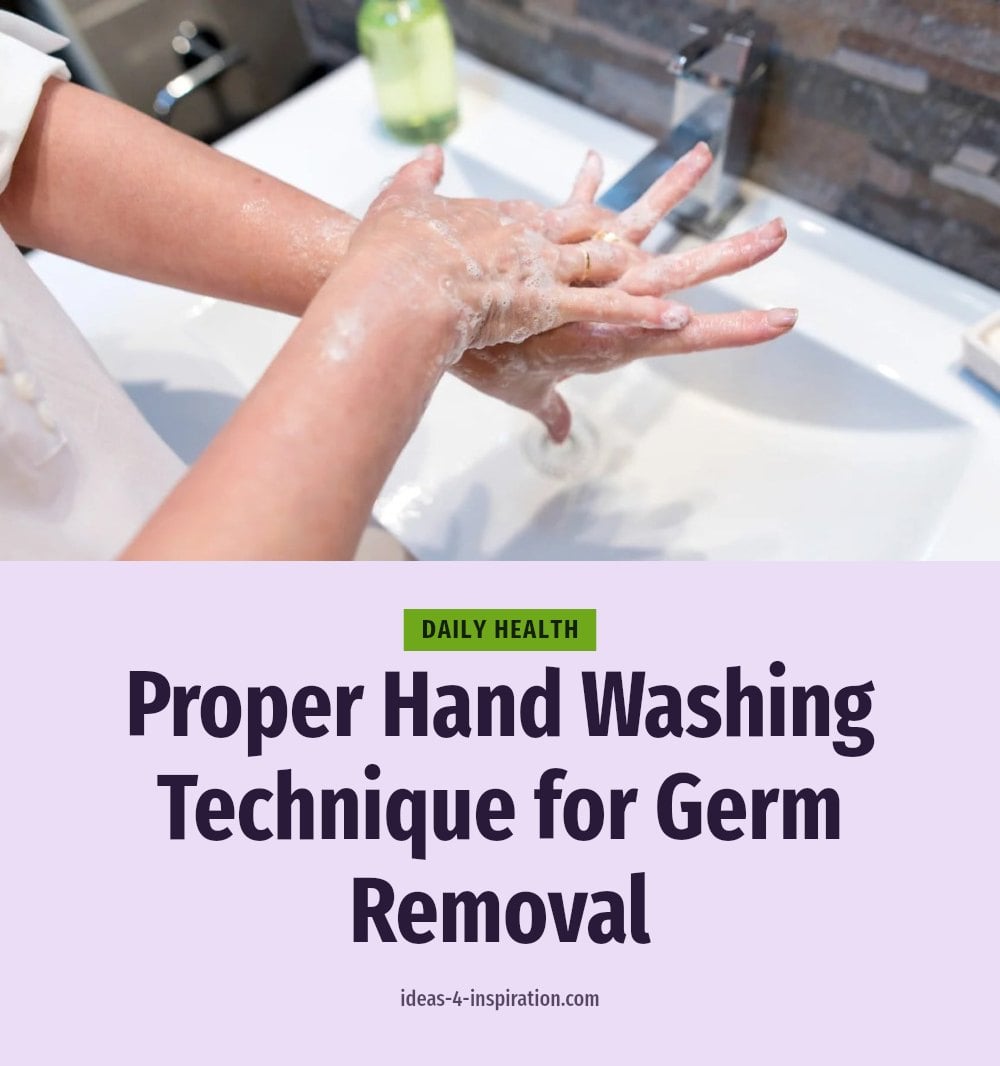
Washing with soap and water is one of the most effective ways to prevent the spread of germs and reduce the risk of respiratory and diarrheal illnesses. The CDC recommends scrubbing for at least 20 seconds.
- After using the restroom
- Before eating or handling food
- After coughing, sneezing, or blowing your nose
Tip: Time it by humming a short song twice, and don’t forget the backs of your hands, between fingers, and under nails.
2. Shower or Bathe Daily
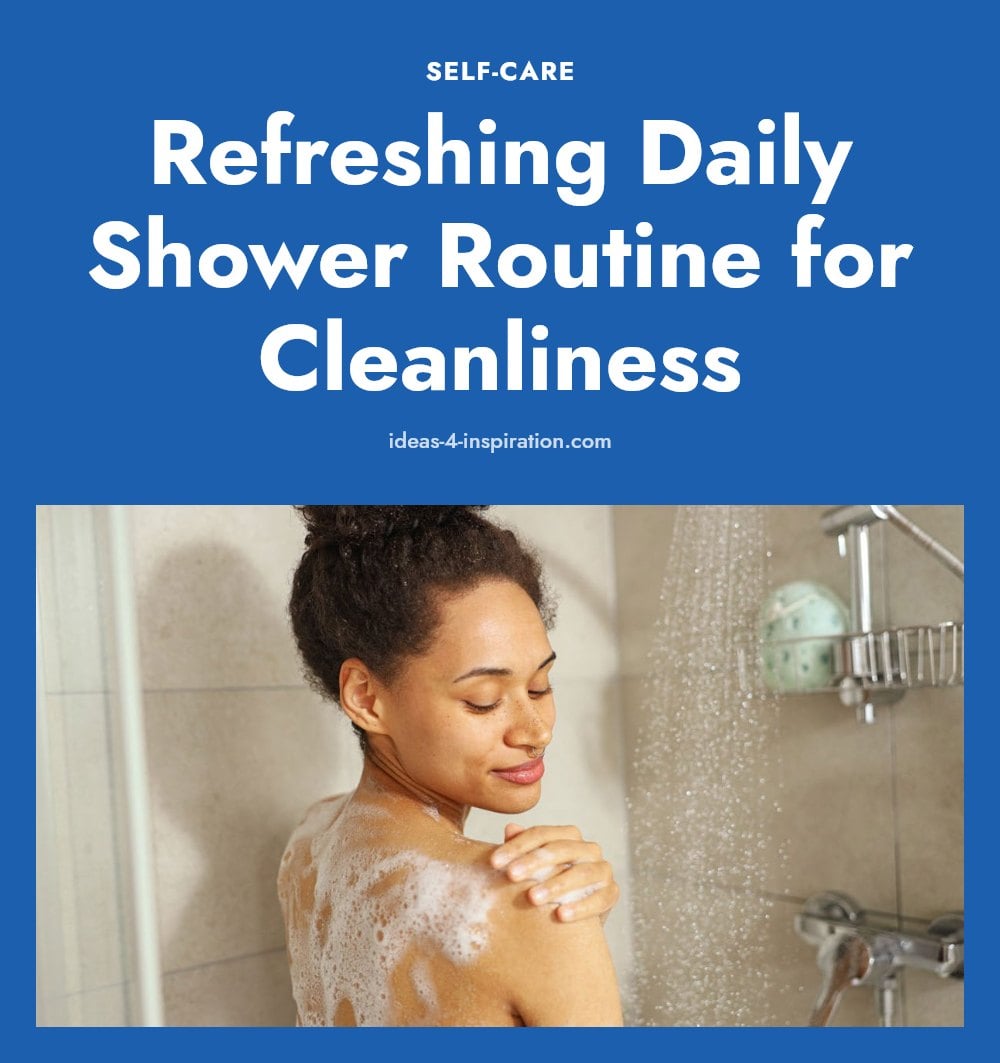
Daily bathing or showering removes dirt, sweat, and dead skin cells. That buildup is what feeds body odor and can clog pores, so rinsing it off regularly keeps skin clearer and leaves you feeling fresh. If daily showers leave your skin dry or irritated, showering every other day is a reasonable option. When you do shower, use a gentle cleanser and apply moisturizer right after to protect your skin barrier.
3. Prioritize Oral Care
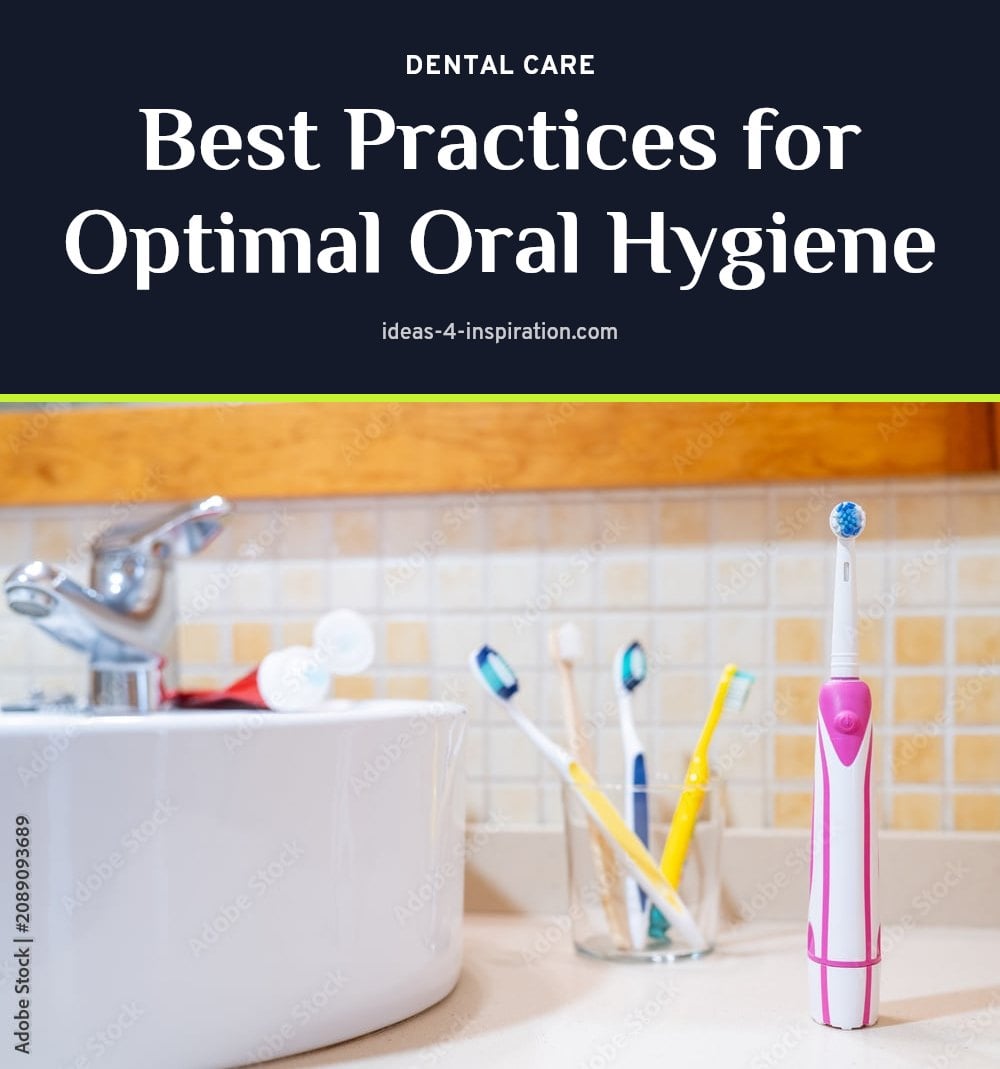
Brush your teeth twice a day with fluoride toothpaste and floss once daily. Brushing cleans the surfaces, while flossing reaches the spaces between teeth where a brush can’t, and together they help prevent cavities, gum disease, and bad breath.
- Brush for about two minutes, gently, along the gumline
- Floss before bed so debris doesn’t sit overnight
- Replace your toothbrush every few months
Good to know: Bleeding gums that persist are worth a dentist visit rather than more scrubbing.
4. Change Underwear Daily
Fresh underwear every day is the baseline for genital hygiene. Underwear traps moisture and warmth, which is exactly the environment where bacteria and yeast can multiply, so a daily change helps lower the risk of irritation and infections. Keep it simple: cotton or breathable fabrics, a clean pair after every shower, and a spare in your bag for long days or workouts.
5. Manage Body Odor
Antiperspirant or deodorant can manage underarm sweat and odor through the day. Deodorant targets smell, while antiperspirant reduces how much you sweat, so pick based on what bothers you most. Apply to clean, dry skin, and let it set before dressing so it doesn’t transfer to clothes.
- Tip: If a product stings or itches, switch formulas or patch test a new one first.
6. Maintain Nail Cleanliness
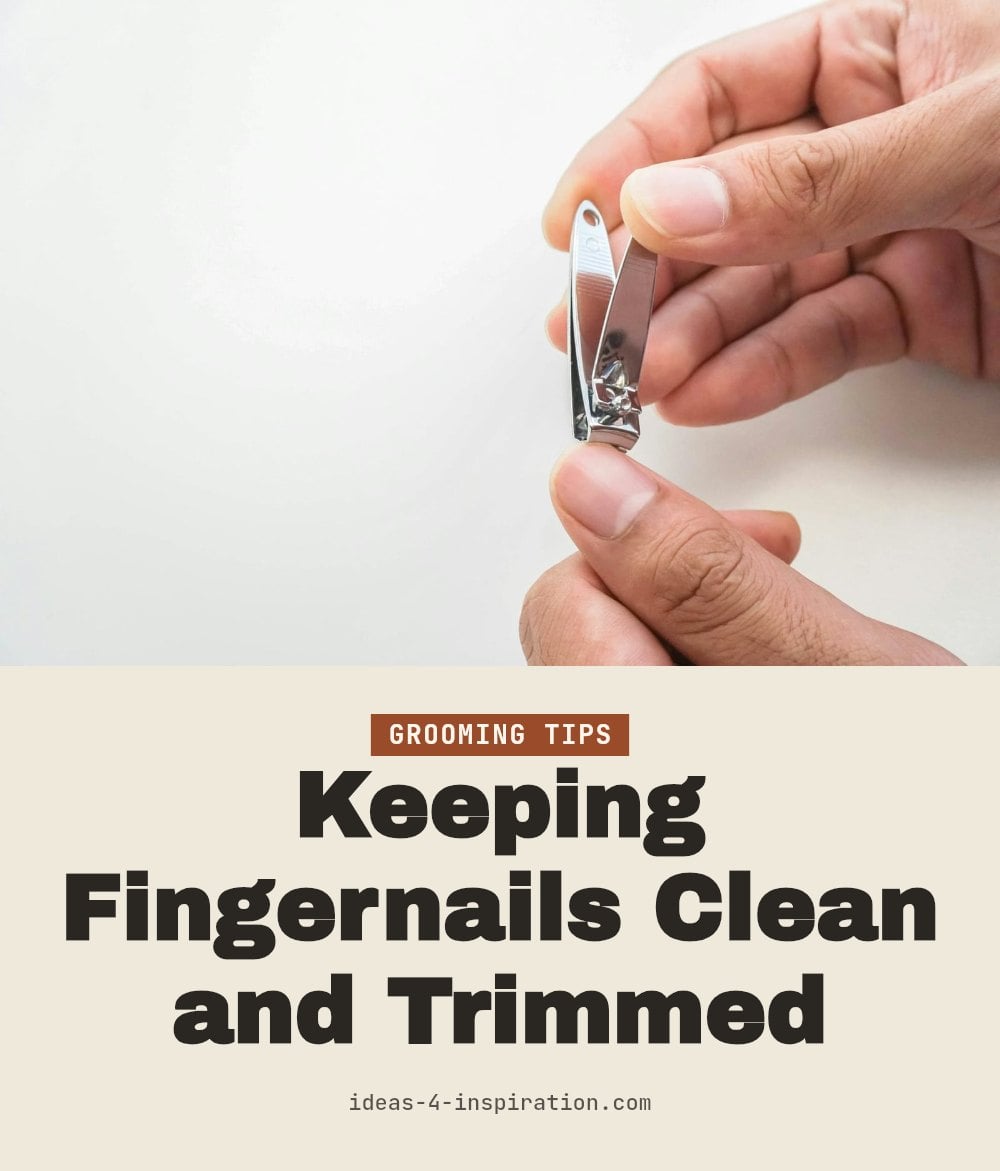
Trim your fingernails and toenails regularly, and keep them short enough that dirt has nowhere to collect. Germs gather under longer nails and around the edges, and that buildup is easy to spread to your face, food, and anyone you touch. A quick scrub with soap and a nail brush when you wash your hands does the rest.
- Good to know: Clean under the tips after gardening, cooking with raw meat, or any messy task.
- Caution: Don’t cut cuticles; they seal the nail bed against infection.
7. Practice Menstrual Hygiene
Change pads, tampons, and menstrual cups on a regular schedule rather than waiting until they feel full. Sitting in a used product for too long traps moisture and can lead to odor and, in some cases, irritation or infection. Carry a spare in your bag, and if you notice persistent itching, unusual discharge, or a strong odor, check with a healthcare professional.
8. Wash Clothes Regularly
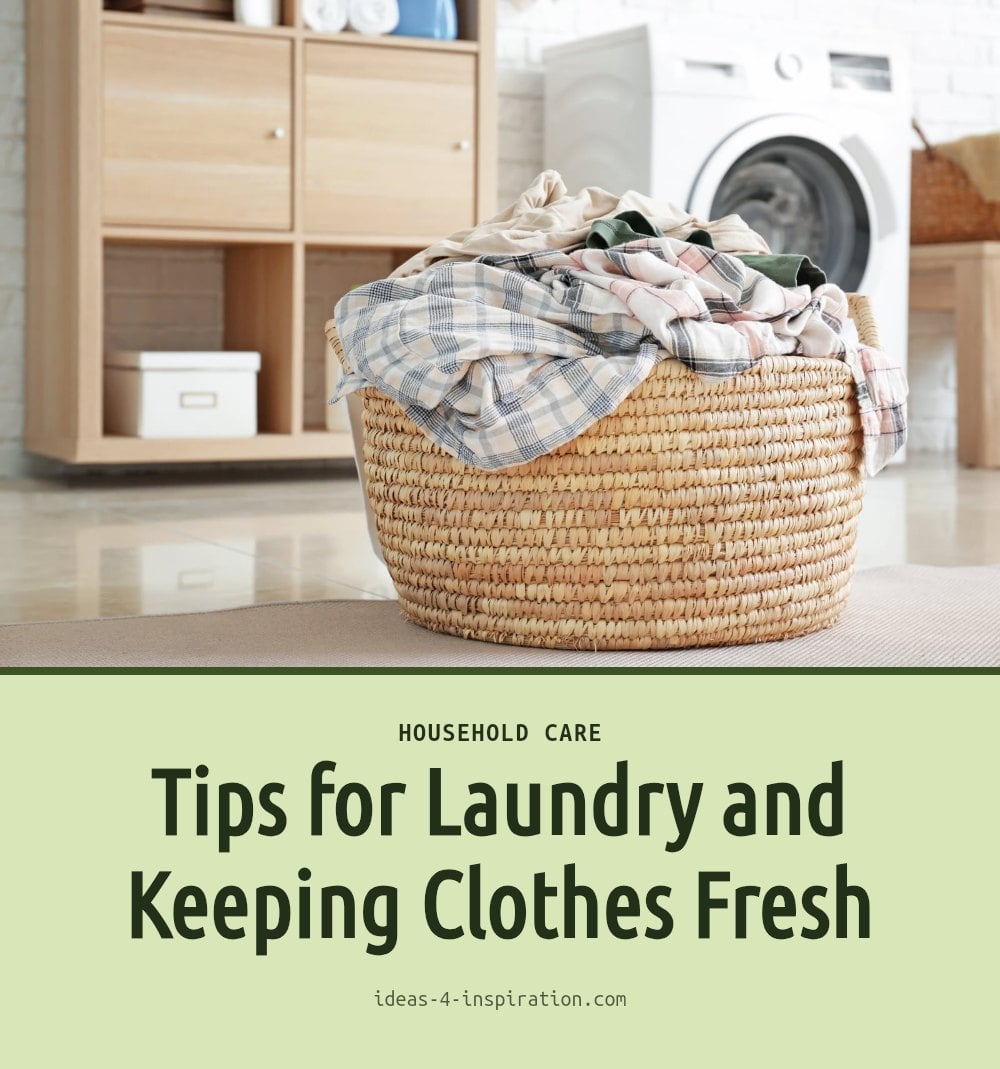
Wash underwear, socks, and anything you sweat in after each wear. Fabric holds bacteria, sweat, and skin cells, and that buildup is what keeps odor hanging on even after a shower. Regular laundry keeps clothes fresh and can help prevent skin irritation in creases and folds.
- Sort first: keep underwear and socks separate from towels so lint and bacteria don’t transfer.
- Check the label: hot water for socks and underwear, cooler for delicate fabrics that shrink.
- Dry fully: damp fabric left in the drum is where musty smells start.
9. Clean High-Touch Surfaces
Wipe down high-touch surfaces at least weekly: doorknobs, light switches, countertops, faucet handles, and the fridge door. These are the spots hands land on constantly, so cleaning them can help reduce how far germs travel through the house.
- Order of work: clean with soap or spray first, then disinfect, since dirt can block the disinfectant from working.
- Good to know: let the product sit on the surface for the time stated on the label.
- Caution: open a window when using strong cleaners.
10. Don’t Share Personal Items
Keep razors, toothbrushes, towels, and nail clippers to yourself. These items can carry blood or saliva, and sharing them makes it easy to pass on infections, including ones you may not know someone has. Give each person in the house a hook or a spot for their own towel, and wash towels after a few uses rather than letting them hang for weeks.
11. Practice Food Hygiene
Rinse produce under running water before you eat or cook it, and use a food thermometer to confirm meat has reached a safe internal temperature. These two habits are the core of food hygiene and help prevent foodborne illness at home. Keep raw meat away from ready-to-eat foods, wash hands and boards after handling it, and refrigerate leftovers promptly.
Common Hygiene Mistakes to Avoid
Most hygiene routines fail on the details, not the big habits. These five fixes take a minute each and close the gaps.
- Not washing hands long enough: Lather with soap and scrub for at least 20 seconds. A quick rinse under the tap leaves the germs where they started.
- Over-washing skin with harsh soaps: Stripping cleansers can lead to dryness or irritation. Switch to a gentle, moisturizing cleanser, especially on the face and hands.
- Forgetting less obvious areas: Clean behind the ears, between the toes, and your belly button. These spots trap sweat and lint, and they are easy to skip in the shower.
- Neglecting frequently touched personal items: Wipe down your cell phone, keys, and makeup brushes on a regular schedule. They touch your hands and face all day.
- Not changing bed linens often enough: Aim for weekly as a baseline. If you sweat at night or share the bed with pets, you may need to wash them more often, since sheets collect sweat, skin cells, and dust.
Frequently Asked Questions
How often should I shower?
Daily showering works for most people, and every other day is a reasonable option if daily washing leaves your skin dry or irritated. A quick rinse on off days can refresh you without stripping your skin. If you notice persistent dryness, itching, or irritation, check with a dermatologist about what frequency suits your skin.
Can I use hand sanitizer instead of washing my hands?
Hand sanitizer is a backup, not a replacement. Use it when soap and water are not available, but wash with soap and water whenever you can, since washing is more effective at removing germs and dirt. Sanitizer works best on hands that are not visibly dirty or greasy.
What is the best way to prevent body odor?
Regular showering to remove sweat and bacteria is the foundation, followed by antiperspirant or deodorant applied to clean, dry skin. Choose deodorant if smell is your main concern, or antiperspirant if sweating bothers you more. If odor stays strong despite good hygiene, it is worth mentioning to a healthcare professional.
How often should I change my bed sheets?
Changing bed linens regularly is one of the commonly overlooked habits, and a weekly wash is a practical baseline for most people. If you sweat at night or share the bed with pets, you may want to wash them more often. Fresh sheets also help if you are prone to breakouts or irritation.
Is it bad to shower every day?
Not for most people. Daily showering removes dirt, sweat, and dead skin cells, and many people find it comfortable. The risk is mainly dryness or irritation from hot water and harsh soaps, so keep showers short and warm rather than hot, and use a gentle cleanser. If your skin stays irritated, ask a dermatologist.
Final Thoughts
If you only change one thing this week, make it the 20-second handwash. It is the habit with the widest payoff, and it costs you nothing but a little patience at the sink. From there, layer in the rest: a daily shower, brushing and flossing, fresh underwear, and a weekly wipe-down of the surfaces everyone touches.
Expect small results, not overnight ones. Give a new routine a couple of weeks before you judge it, and adjust rather than abandon it if your skin feels dry or your schedule gets busy. Consistency matters far more than doing every step perfectly. Pick the habits you can keep, and let them become automatic.
This article is general information about everyday hygiene and is not medical advice. If you have persistent itching, unusual odor or discharge, or another concern that does not clear up with good hygiene, see a healthcare professional or dermatologist for proper evaluation.