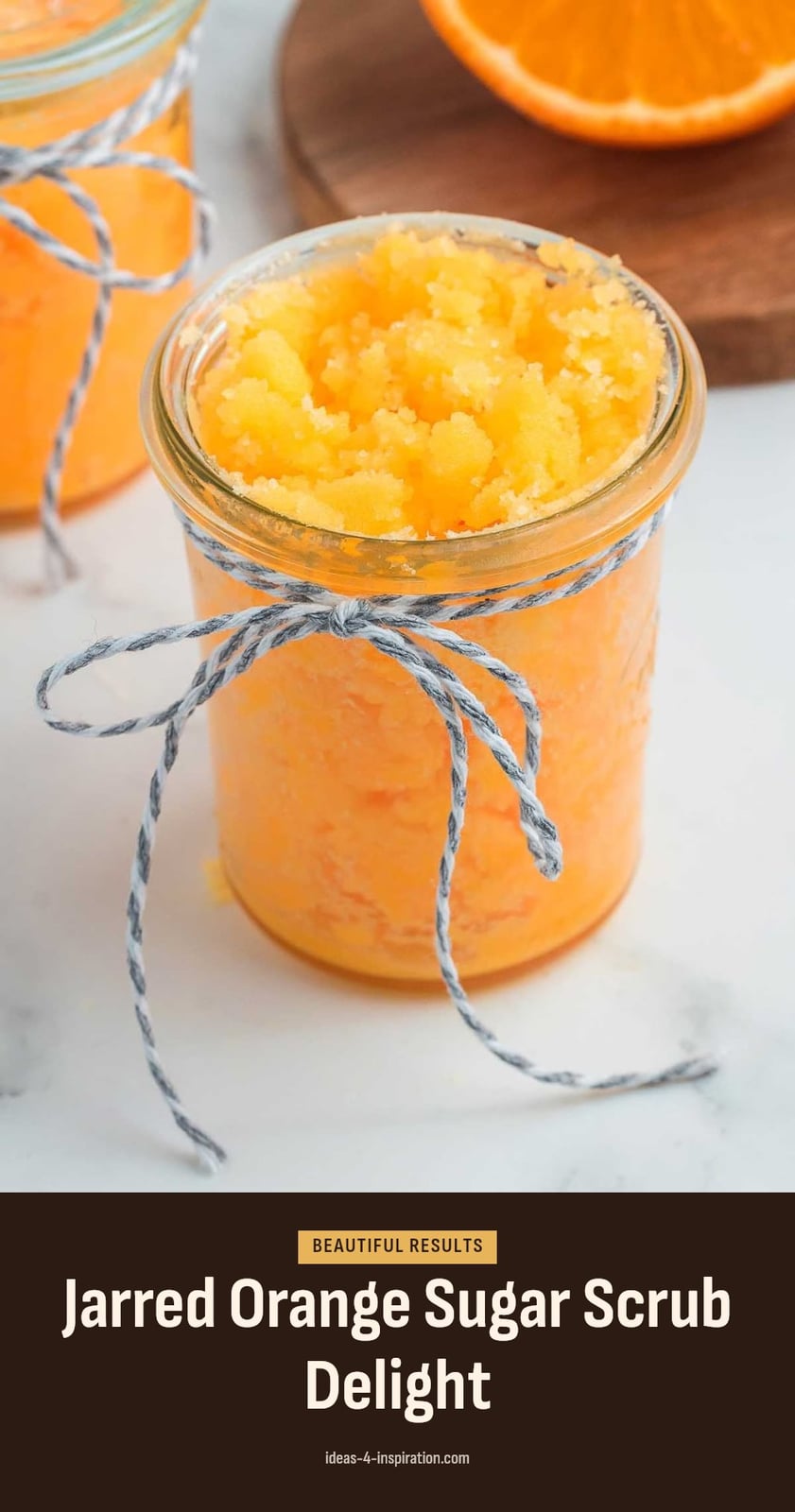
You want smoother, brighter skin without overpaying for another jar of scrub, and making your own at home is easier than it sounds. All you need is an abrasive like sugar or salt and a moisturizing oil, plus a few minutes in the kitchen. This article walks you through the types of scrubs, the basic ratios, and the mistakes that can leave your skin irritated instead of glowing.
Key Takeaways
- For a basic anhydrous scrub, use a 20% oil to 80% sugar ratio, like 50 grams oil and 200 grams sugar for a 250-gram batch.
- Sugar is gentler than salt and better for general body use, while salt scrubs are more abrasive and can burn if you have cuts.
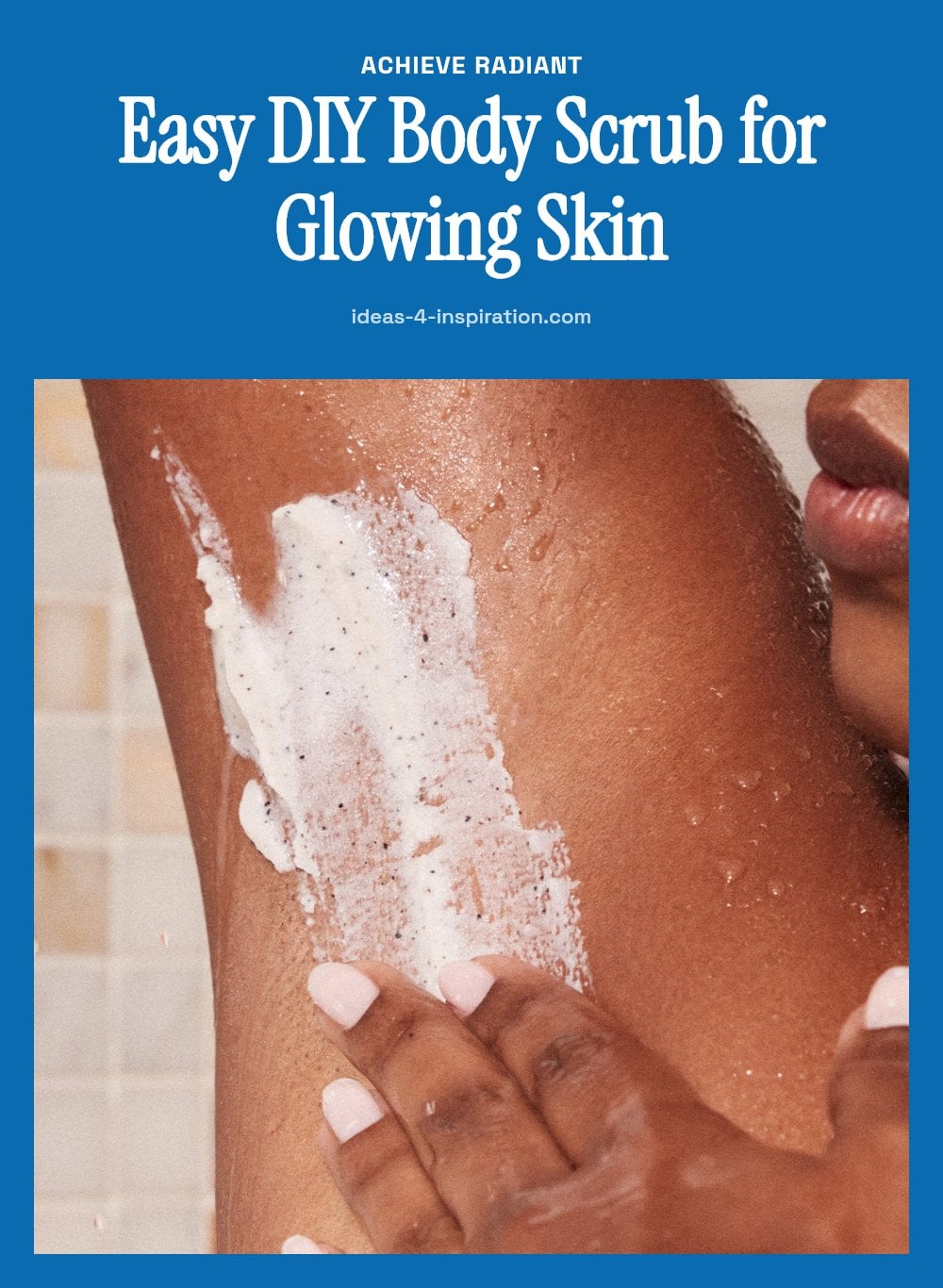
- Use body scrubs on damp skin in the shower, rinse with warm water, and moisturize immediately after.
- Exfoliate 1 to 3 times per week; more often can lead to irritation and over-exfoliation.
- If your scrub might get wet, add an oil-soluble broad-spectrum preservative to prevent mold growth.
What is a Body Scrub and Why Use One?
A body scrub is a physical exfoliant that uses small particles to manually slough off dead skin cells from the surface of your body. This process reveals smoother, more radiant skin underneath and helps improve texture and product absorption. DIY scrubs give you control over ingredients, letting you choose natural options that suit your skin type without additives.
Essential Ingredients for Your DIY Body Scrub
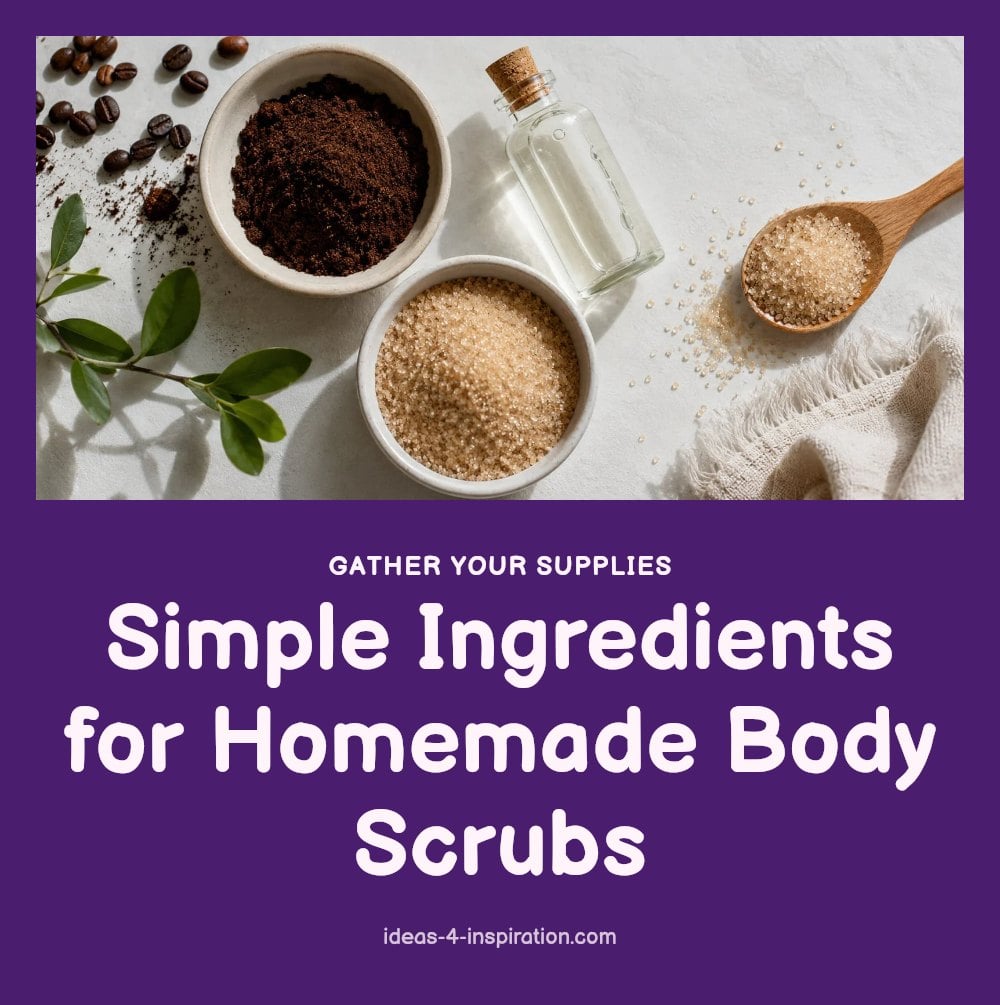
Every DIY body scrub needs two core components: an abrasive to exfoliate and a moisturizing base to carry it. Common abrasives include granulated sugar, sea salt, coffee grounds, or finely ground oats. For the base, choose a carrier oil like coconut, olive, jojoba, or almond oil.
Optional additions:
- Honey acts as a humectant to attract moisture.
- Essential oils add fragrance and potential aromatherapy benefits.
- Vitamin E oil helps prevent the carrier oil from going rancid.
Store your finished scrub in an airtight glass or plastic container to keep it fresh.
Step-by-Step: Crafting Your Own Body Scrub
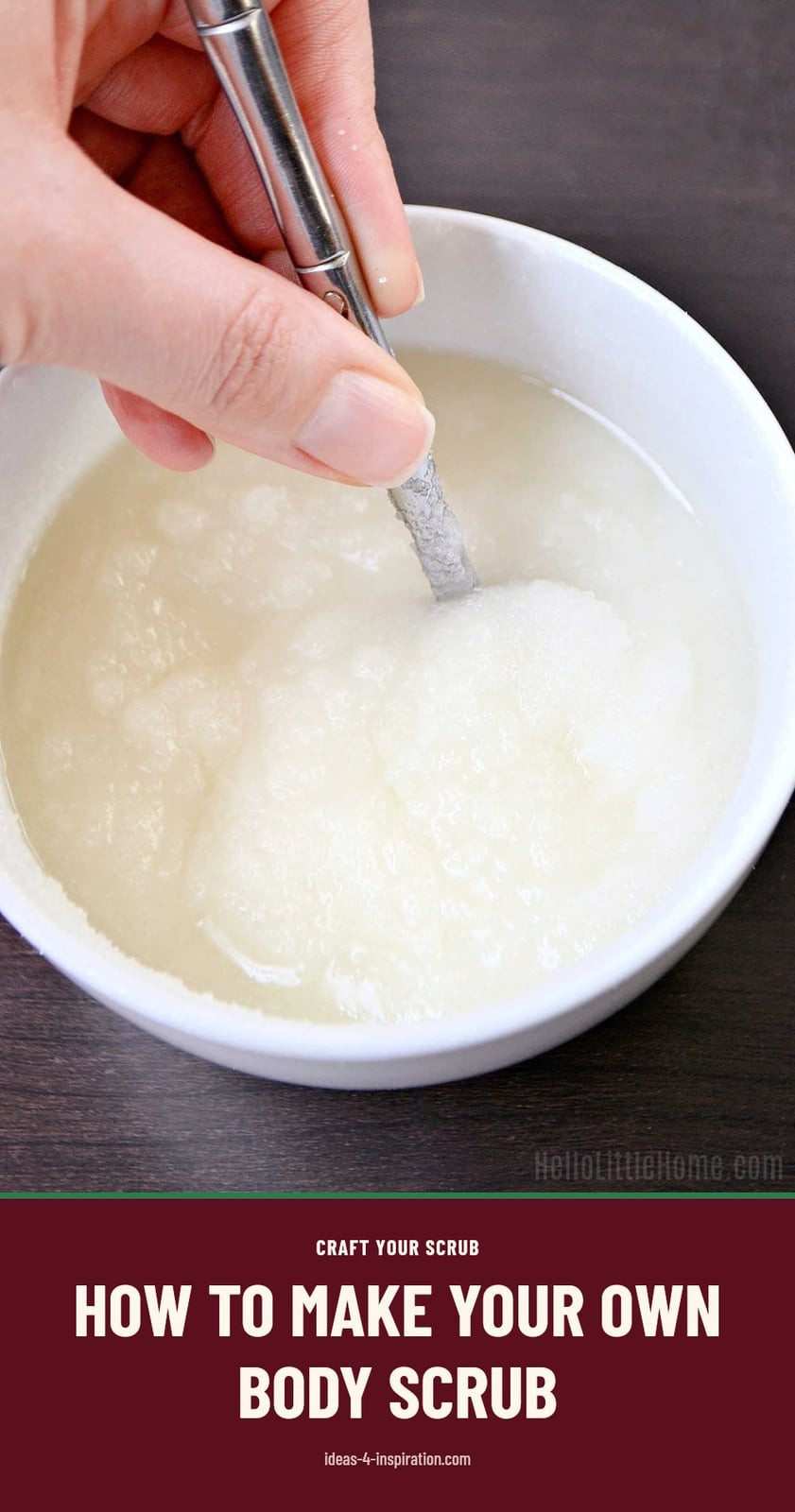
Start by deciding which type of scrub you want to make. An anhydrous scrub is oil-based and contains only oil-soluble ingredients, making it simple to prepare. An emulsified scrub requires melting ingredients and will firm up over time, but it feels less greasy on your skin.
- Calculate your batch: For an anhydrous scrub, use a 20% oil to 80% sugar ratio. For a 250-gram batch, that means 50 grams of oil and 200 grams of sugar. Combine them in a container and mix thoroughly.
- Add optional ingredients: If you want to include a preservative, choose an oil-soluble broad-spectrum type like Optiphen or Phenonip and add it to the oil before mixing with sugar. You can also stir in Vitamin E as an antioxidant, plus other exfoliants like coffee grounds or jojoba pearls, and fragrance oils.
- For an emulsified scrub: Combine 10% emulsifying wax, 3% stearic acid, and 34% oil in a heat-safe bowl. Place the bowl in a water bath and heat until everything melts, stirring with a hand mixer.
- Cool the mixture: Remove the bowl from heat and let it cool, mixing periodically. You can speed this up by placing it in the refrigerator. Once the mixture is below 100 degrees Fahrenheit, it is ready for the next step.
- Add cool-down ingredients: Stir in 1.5% preservative, 0.5% Vitamin E, 1% fragrance, and 50% sugar. Mix well until everything is evenly distributed.
- Jar and rest: Transfer your finished scrub into an airtight container. Emulsified scrubs need about 24 hours to reach their final hardness and viscosity, so let them sit before using.
My tip: If you are making an anhydrous scrub without a preservative, always scoop out the amount you need into a separate bowl before entering the shower. This prevents water from contaminating the main batch and causing mold growth.
Prefer to watch? TaraLee walks through the whole method in this 14-minute video. The how-to part starts at 0:45.
Pro Tips for Perfecting Your Body Scrub
Anhydrous scrubs are pure oil and sugar, so they feel greasy but are easy to make. Emulsified scrubs are less greasy and hold together better in your hand. Salt is more abrasive than sugar and can burn if you have cuts, so save salt scrubs for your feet. If you skip a preservative in an anhydrous scrub, scoop out the amount you need into a separate bowl before showering to keep water out of the main jar.
Good to know: Vitamin E is an antioxidant that protects oils from going rancid, but it does not prevent mold if water gets in. Adjust the wax and stearic acid percentages by a few points to make your emulsified scrub softer or firmer.
Common Body Scrub Mistakes to Avoid
Using salt on skin with cuts or nicks will cause a burning sensation, so stick to sugar for general body use. If your scrub might get wet during use, you need an oil-soluble broad-spectrum preservative; without it, mold can grow. Never use sugar or salt in a water-based formula, because they will dissolve and the scrub will clump. Scrubbing too hard or on dry or irritated skin can cause over-exfoliation and damage. Always follow up with a moisturizer after rinsing, or your skin may feel dry and tight. Avoid ingredients with large or jagged particles that can create micro-tears.
After-Scrub Care: Keep Your Skin Happy

Apply your scrub to damp skin in the shower or bath using gentle, circular motions. Rinse thoroughly with warm water, then pat your skin dry. Immediately follow with a moisturizer to lock in hydration. Store your DIY scrub in an airtight container in a cool, dry place. If you see any sign of irritation, discontinue use.
How Often to Scrub and What to Expect
Use body scrubs 1 to 3 times per week. You will likely notice smoother, more radiant skin after just a few uses. DIY scrubs are generally more cost-effective than store-bought options, and the total cost depends on your chosen ingredients, but it typically stays low to medium.
Frequently Asked Questions
How often should I use a body scrub?
Use a body scrub 1 to 3 times per week. That’s enough to keep skin smooth without over-exfoliating. If your skin feels tight or looks red, cut back to once a week or less until it settles.
Can I use a body scrub on my face?
No, body scrubs are too abrasive for facial skin, which is more delicate. Use a gentle exfoliant made specifically for the face instead. Save your DIY body scrub for your body only.
What’s the difference between sugar and salt scrubs?
Sugar scrubs are generally gentler because sugar particles are smaller and rounder, making them suitable for most skin types. Salt scrubs are more abrasive and can burn if you have cuts, so they’re better for areas like feet. For general body use, sugar is the safer bet.
How do I store homemade body scrubs?
Keep your DIY scrub in an airtight container in a cool, dry place. Avoid getting water into the container, as it can promote bacterial growth. If you don’t use a preservative, scoop out only what you need for each use into a separate bowl.
Can I add essential oils to my body scrub?
Yes, you can add essential oils for fragrance, but use them sparingly and dilute them properly. Avoid essential oils if you’re pregnant, breastfeeding, or have sensitive skin without checking with a professional first. A few drops go a long way.
Final Thoughts
My tip: start with a simple sugar and oil scrub at a 20% oil to 80% sugar ratio, and adjust from there. Use it on damp skin in the shower, rinse well, and follow with moisturizer. Expect smoother, more radiant skin after just a few uses if you stick to 1 to 3 times per week. Skip the salt if you have any cuts, and always patch test first. Once you get the basics, you can tweak the recipe to suit your skin.