You don’t need to rent a bulky machine or hire a pro to give your carpets a fresh start. With a few household staples and a little patience, you can tackle dirt, stains, and odors by hand. This guide walks you through the best DIY methods, step by step, so you can keep your carpets looking great between professional cleanings.
Key Takeaways
- Vacuum thoroughly before any wet cleaning to avoid pushing dirt deeper.
- Blot stains from the outside in with clean white cloths.
- Test every cleaning solution on a hidden area first.
- Deep clean by hand every 3-6 months, more often in high-traffic spots.
- Let carpets dry completely to prevent mold and mildew.
Yes, You Can Deep Clean Your Carpet Without a Machine
You don’t need a bulky machine to get your carpet genuinely clean. With a few household supplies and some elbow grease, you can remove dirt, stains, and odors effectively. The key is to vacuum thoroughly, treat spots as they happen, and apply cleaning solutions by hand. This approach works great for regular maintenance, tackling problem areas like traffic lanes or pet accidents, and extending the life of your carpet between professional cleanings. It’s not a compromise, it’s a smart alternative that puts you in control.
Your DIY Carpet Cleaning Arsenal
Gather these items before you start, so you’re not scrambling mid-project.
- Vacuum cleaner: For removing loose dirt and debris before any wet cleaning.
- Clean white cloths or paper towels: For blotting spills and stains, safe for any carpet color.
- Spray bottle: To apply your cleaning solutions evenly.
- Soft-bristled brush or sponge: For working solutions into fibers without damaging them.
- Baking soda: Absorbs odors and light moisture.
- White vinegar: Natural deodorizer and mild cleaner.
- Mild, clear dish soap: For general dirt and grime.
- Hydrogen peroxide (3%): For tough stains on light-colored carpets only.
- Cornstarch or talcum powder: To lift grease stains.
- Fan or dehumidifier: Speeds up drying and prevents mold.
Step-by-Step: Deep Cleaning Your Carpet by Hand
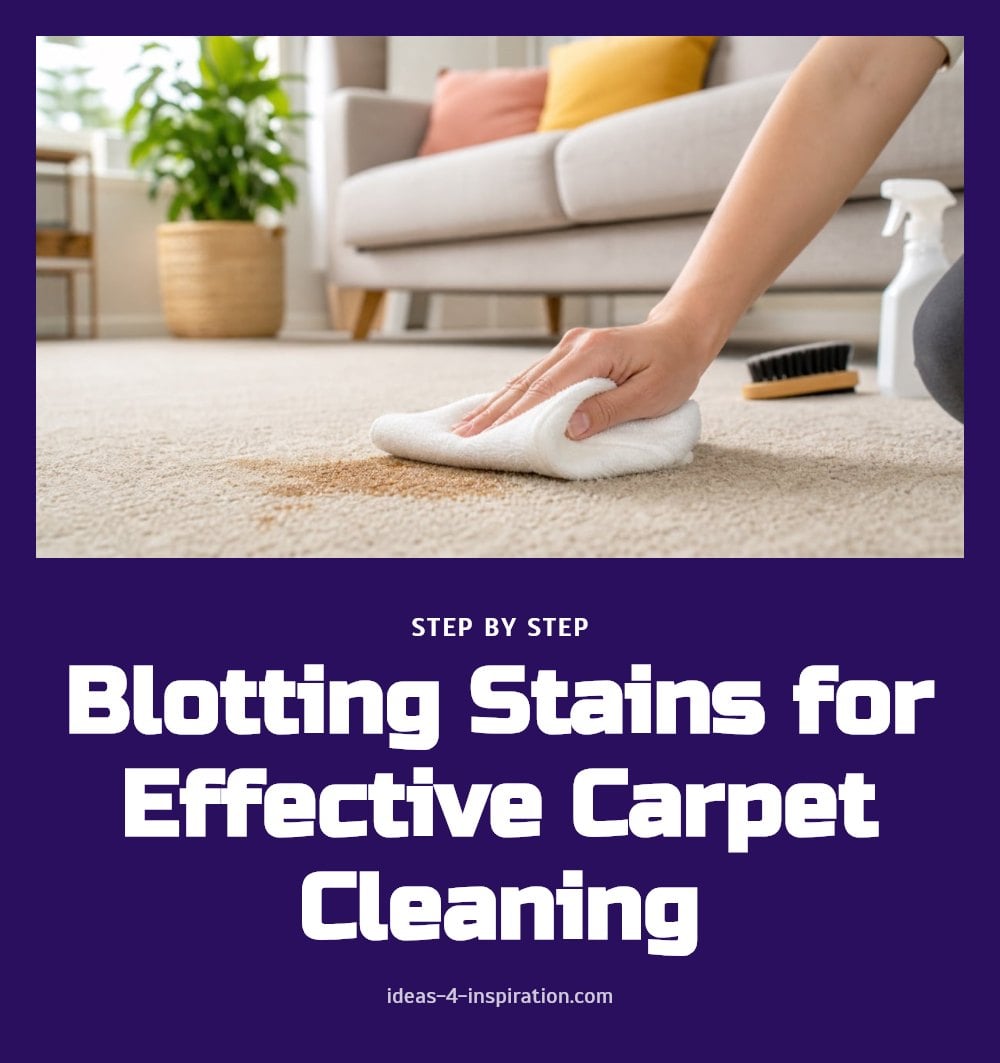
Follow these steps in order to deep clean your carpet by hand without leaving residue or damage.
- Vacuum thoroughly: Go over the entire carpet slowly, making multiple passes in different directions to lift embedded dirt. This prevents pushing grit deeper when you apply liquid.
- Scrape up solids: For any solid or semi-solid spills, use a dull knife or spoon to gently scrape away as much as possible before treating the stain.
- Test your solution: Mix a small batch of your chosen cleaner and dab it on an inconspicuous spot, like inside a closet. Wait 10 minutes, then blot with a white cloth to check for color transfer or damage.
- Apply to a cloth, not the carpet: Spray or dab your cleaning solution onto a clean white cloth or paper towel. Applying directly to the carpet can over-saturate the backing.
- Blot from the outside in: Work from the stain’s outer edge toward the center to prevent spreading. Blot gently, lifting the cloth as you go, and rotate to a clean area as it picks up dirt.
- Rinse with a damp cloth: After cleaning, blot the area with a cloth dampened with plain water to remove any soapy residue. This step is crucial because leftover soap attracts more dirt.
- Apply baking soda: While the carpet is still slightly damp, sprinkle a thin layer of baking soda over the area to absorb lingering odors and moisture.
- Vacuum again: Once the baking soda has dried completely, usually after a few hours, vacuum it up thoroughly.
- Dry completely: Turn on a fan or dehumidifier and keep windows open to speed drying. Don’t walk on the carpet until it’s fully dry, which can take anywhere from a few hours to a full day depending on humidity. Complete drying prevents mold and mildew.
Homemade Cleaning Solutions for Different Carpet Challenges

Match your cleaning solution to the specific problem. Always test any new mixture on a hidden area first.
Odors and light stains: baking soda
Sprinkle a generous layer of baking soda over the affected area and let it sit for at least 15 minutes, or overnight for strong odors. Vacuum thoroughly. For a light stain, make a paste of baking soda and water, apply it, let it dry, then vacuum.
My tip: For pet odors, add a few drops of essential oil to the baking soda before sprinkling, but skip it if you have pets that are sensitive to scents.
General cleaning and deodorizing: vinegar and water
Mix one part white vinegar with three parts water in a spray bottle. Lightly mist the carpet, then blot with a clean white cloth. The vinegar smell disappears as it dries, taking odors with it.
Caution: Don’t use vinegar on natural stone or wool carpets, as it can damage them.
General dirt and grime: dish soap and water
Combine a few drops of mild, clear dish soap with two cups of warm water. Dip a cloth or soft brush into the solution, wring it out well, and work it into the dirty areas. Blot with a damp cloth to rinse.
Pro move: Use a soft-bristled brush to gently work the soapy water into the fibers for a deeper clean, but avoid scrubbing too hard.
Tough stains on light carpets: hydrogen peroxide
Dilute 3% hydrogen peroxide with an equal amount of water. Apply it to the stain with a white cloth and blot. Because it’s a bleaching agent, test it on a hidden spot first and never use it on dark or colored carpets.
Caution: Hydrogen peroxide can lighten carpets, so use it sparingly and always rinse the area with water afterward.
Fresh spills: club soda
Pour a small amount of club soda directly onto the spill and blot with a clean cloth. The carbonation helps lift the stain from the fibers. Repeat as needed, then blot with a dry cloth.
Good to know: Club soda works best on fresh spills, not set-in stains.
Grease stains: cornstarch or talcum powder
Sprinkle a thick layer of cornstarch or talcum powder over the grease spot and let it sit for 15-20 minutes to absorb the oil. Vacuum, then blot the area with a cloth dampened with a mild dish soap solution if any residue remains.
Common Carpet Cleaning Mistakes to Avoid
Using too much cleaning solution: Excess solution leaves sticky residue that attracts dirt and slows drying. Use a light mist, not a soak.
Rubbing stains instead of blotting: Rubbing grinds dirt deeper into fibers and can fray the carpet. Always blot from the outside in with a clean cloth.
Not testing products in an inconspicuous area: Skipping this step risks discoloration or damage. Test every new solution on a hidden spot first.
Ignoring spills, allowing them to set: The longer a spill sits, the harder it is to remove. Blot liquids immediately and scrape solids before they dry.
Not vacuuming thoroughly before wet cleaning: Dirt left on the surface turns into mud when you add solution. Vacuum slowly in multiple directions first.
Using colored cloths for blotting: Dye from a colored cloth can transfer to your carpet, creating a new stain. Stick to white cloths or paper towels.
Pro Tips for a Fresher, Cleaner Carpet
Wear gloves: Cleaning chemicals can irritate skin. A pair of rubber gloves keeps your hands safe.
Ensure good ventilation: Open windows and turn on fans during and after cleaning to speed drying and reduce fumes.
Work from the outside of a stain inward: Blotting this way prevents the stain from spreading to clean areas.
Use a fan or dehumidifier to speed up drying: Carpets that stay damp risk mold and mildew. Point a fan at the carpet or run a dehumidifier until it’s fully dry.
Don’t walk on wet carpets if possible: Foot traffic pushes dirt into damp fibers and can leave footprints. Keep the area off-limits until dry.
Consider a stiff brush for working solutions into fibers: A soft-bristled brush helps lift embedded dirt without damaging the carpet. Use gentle circular motions.
Maintaining Your Carpet’s Freshness
Vacuum 1-2 times per week: Regular vacuuming removes surface dirt before it settles deep into the fibers. In high-traffic areas, vacuum more often.
Treat spills immediately: Blot liquids right away and scrape solids before they set. The faster you act, the less chance of a permanent stain.
Address high-traffic areas more frequently: Hallways and living room paths collect more grime. Give them an extra vacuum pass or spot clean as needed.
Ensure complete drying after any cleaning: Moisture left behind can lead to musty smells and mold. Use fans and keep the area ventilated until the carpet feels dry to the touch.
Use doormats at entries: Mats trap dirt, mud, and moisture before they reach your carpet. Place them both outside and inside every door.
How Often to Clean and What to Expect
Spot clean spills immediately: Blot or scrape as soon as they happen to prevent stains from setting. This takes just a few minutes.
Deep clean every 3-6 months: For most homes, a thorough hand cleaning every season keeps carpets fresh. High-traffic areas may need it more often.
Drying times vary: With good ventilation and a fan, carpets can dry in a few hours. In humid conditions, expect up to a full day.
DIY cost is very low: You already have most supplies at home, baking soda, vinegar, dish soap. No machine rental or professional fees needed.
Professional cleaning costs more: Hiring a service is pricier but requires less effort. Reserve it for once a year or for deep-set stains you can’t remove yourself.
Frequently Asked Questions
How often should I deep clean my carpets without a machine?
For most homes, a thorough hand cleaning every 3 to 6 months keeps carpets fresh. High-traffic areas may need it more often, perhaps monthly or bi-monthly, depending on foot traffic and pets. Spot clean spills immediately, and vacuum weekly to maintain results between deep cleans.
Can I use a steam mop to deep clean carpets?
Steam mops are designed for hard floors, not carpets. Using one on carpet can oversaturate the backing, leading to drying issues and potential damage. Stick to the manual methods described here, or consider a carpet-specific steam cleaner if you want a machine-based approach.
Will baking soda and vinegar really remove tough stains?
Baking soda and vinegar work well for light stains and odors, but tough, set-in stains may need a stronger approach. For fresh spills, blotting with club soda or a mild dish soap solution often works. For stubborn stains, try a diluted hydrogen peroxide solution on light carpets, always testing first.
What if my carpet still smells after cleaning?
If odors persist after cleaning, the carpet may not be fully dry, or the smell could be trapped in the padding. Ensure thorough drying with fans and ventilation. If the smell remains, sprinkle baking soda over the area, let it sit for several hours, then vacuum. Persistent odors might require professional cleaning.
Is it safe to use hydrogen peroxide on all carpet types?
No, hydrogen peroxide can bleach or discolor carpets, especially dark or colored ones. It’s best used only on light-colored, colorfast carpets. Always test a diluted solution on a hidden area first and wait for it to dry to check for any color change. If unsure, skip it and use a gentler cleaner.
Final Thoughts
For most homes, a thorough hand cleaning every 3 to 6 months keeps carpets fresh and extends their life. Pair that with regular vacuuming and immediate spot treatment, and you’ll handle most everyday messes without a machine. Expect drying to take anywhere from a few hours to a full day, so plan ahead and keep windows open or a fan running to speed things up. With these DIY methods, your carpets can look and smell noticeably better in just one afternoon.