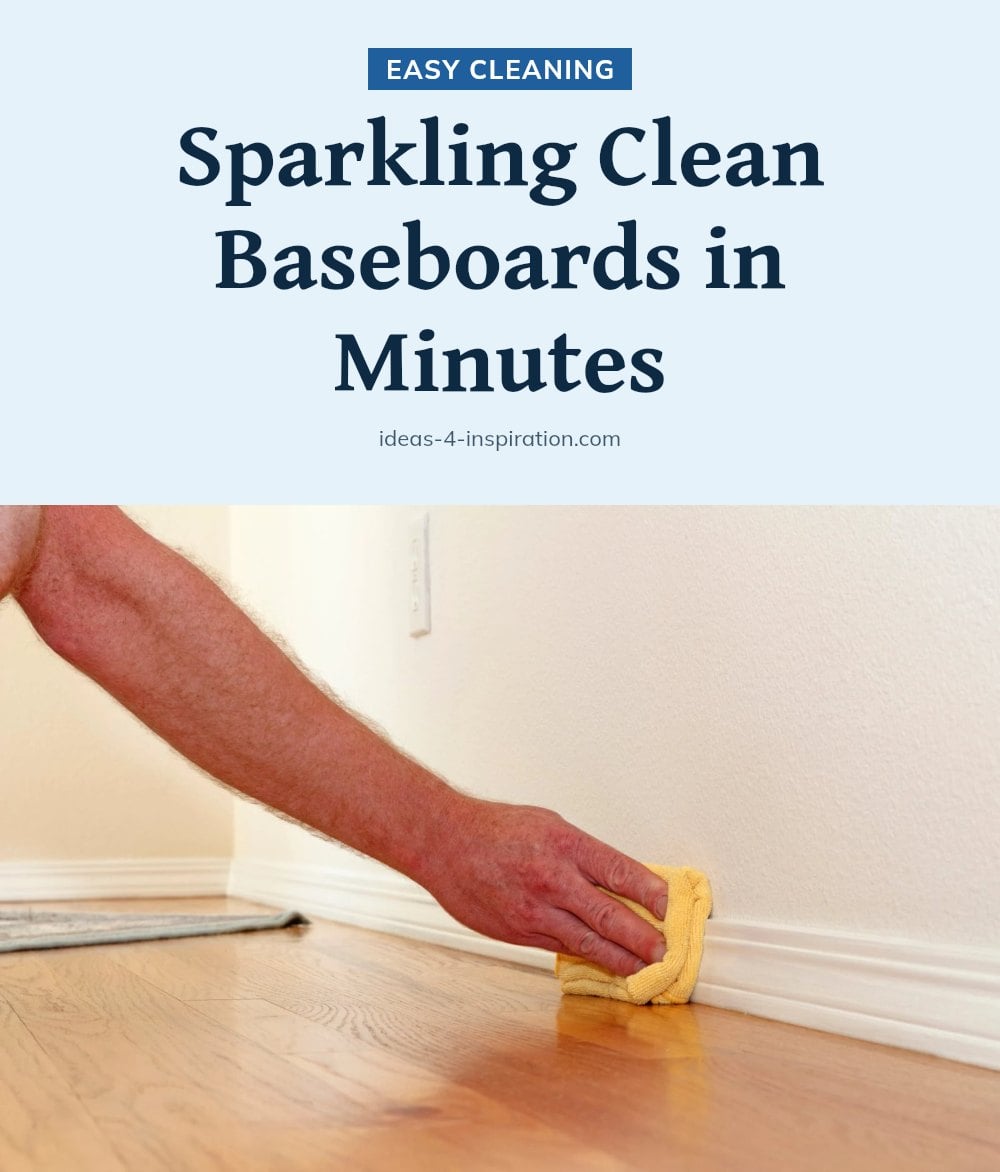
Baseboards collect dust, pet hair, and scuff marks faster than almost any other surface in your home, and they are easy to ignore until the grime is baked on. The good news is that a quick dry pass followed by a damp wipe handles most of it, and you do not need a cabinet full of special products. This article walks you through the fastest method, the tools that actually earn their spot, and how to keep baseboards cleaner for longer.
Key Takeaways
- Vacuum with a brush attachment or dust first, then wipe with a damp microfiber cloth and mild soap.
- Dust baseboards weekly or bi-weekly to prevent heavy buildup.
- Test any cleaning solution on an inconspicuous area before applying it to painted baseboards.
- Dry baseboards completely after wet cleaning to avoid streaks and moisture damage.
- For stubborn scuffs, use a melamine foam sponge and gentle pressure.
The Fastest Way to Clean Baseboards
The fastest way to clean baseboards is a two-step process: dry first, then wet. Start by vacuuming with a brush attachment or using a duster to remove loose dust and debris from the top edge and surface. Follow with a damp microfiber cloth dipped in a mild soap solution to wipe away grime and scuff marks. Always dry thoroughly with a clean cloth to prevent streaks and moisture damage.
Your Baseboard Cleaning Arsenal

You do not need a closet full of specialty tools to get baseboards clean. These four items handle every level of dirt, from light dust to stuck-on scuffs.
- Vacuum with brush attachment: pulls dust off the top edge and corners without spreading it around.
- Microfiber cloths: pick up grime when damp and dry without leaving lint or streaks.
- Mild dish soap or all-purpose cleaner: breaks down grease and everyday dirt without damaging paint.
- Melamine foam sponge: lifts scuff marks from shoes or furniture with light pressure.
My tip: Keep these in one caddy so you can grab them and finish the job in minutes.
Step-by-Step: Cleaning Your Baseboards Like a Pro
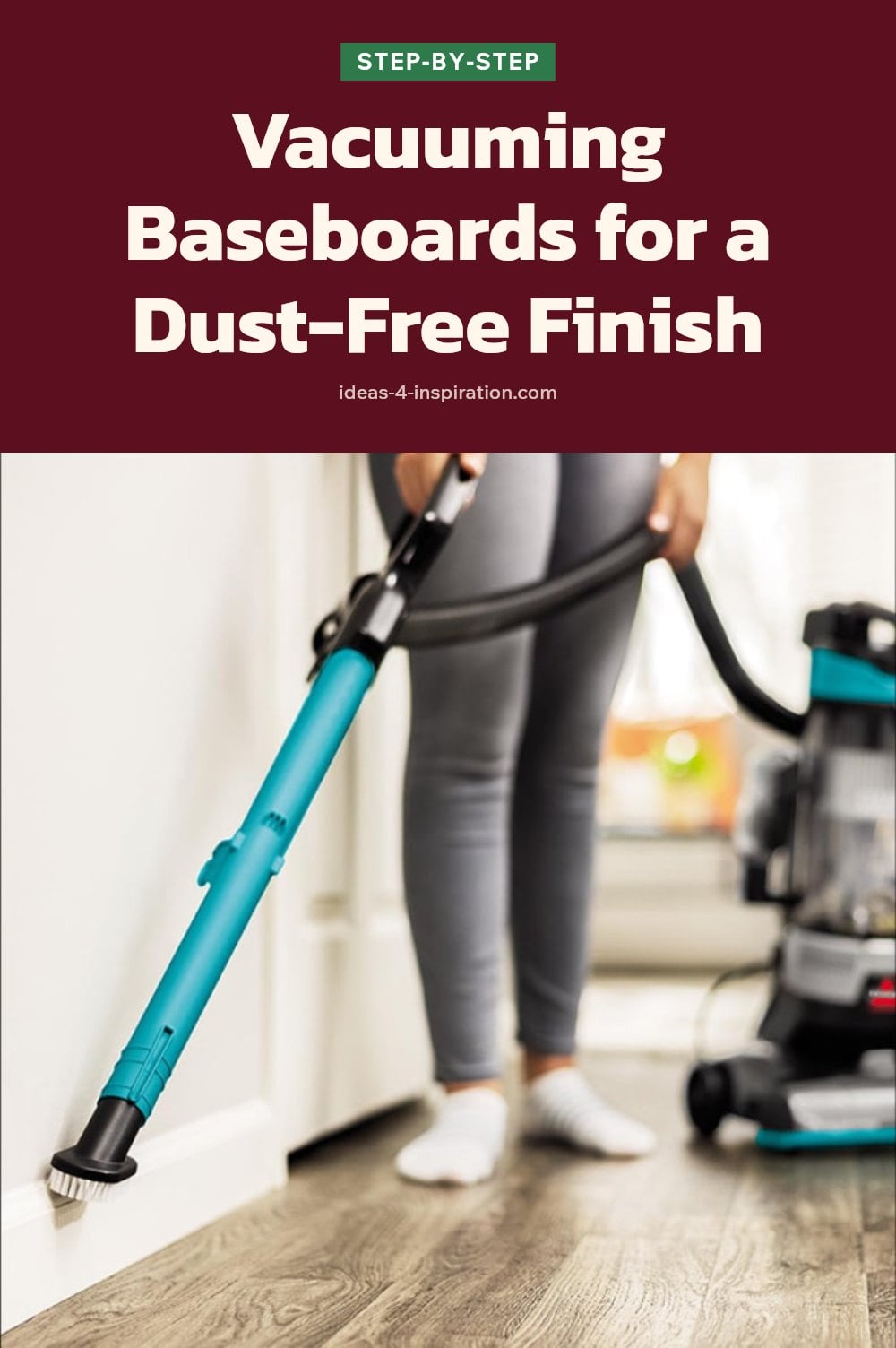
Follow these steps for a thorough clean that doesn’t damage your baseboards.
- Clear the area: Move furniture and rugs away from the walls so you can reach every inch of the baseboard.
- Dry dust: Use a vacuum with a brush attachment to remove loose dust and debris. This prevents mud from forming when you apply water.
- Mix your solution: Fill a bucket with warm water and add a small squirt of mild dish soap. Test it on an inconspicuous spot of painted baseboard first to make sure it won’t damage the finish.
- Wipe in sections: Dip a microfiber cloth in the solution, wring it well, and wipe along the baseboard. Work in 3-4 foot sections to manage the cleaning process effectively.
- Scrub scuffs: For stubborn marks, gently rub with a melamine foam sponge. Avoid abrasive scrubbers that can scratch painted or wood surfaces.
- Dry completely: Go over the baseboard with a clean, dry microfiber cloth to remove any remaining moisture and prevent streaking.
My tip: Always clean baseboards before vacuuming or mopping the floor so you don’t re-deposit dust onto the freshly cleaned surfaces.
Different Methods for Different Levels of Dirt

Not all baseboard messes are the same, so match your method to the level of dirt.
Light dust
For routine upkeep, dry dusting is enough. Use a vacuum with a brush attachment or a soft duster along the top edge and face of the baseboard. This takes under a minute per room.
General grime
When you see a dull film or sticky spots, damp wiping with mild soap works best. Mix warm water with a few drops of dish soap, wring out a microfiber cloth, and wipe in long strokes. Rinse the cloth frequently and dry with a clean cloth.
Scuffs and stubborn marks
For scuff marks from shoes or furniture, targeted scrubbing is key. Use a melamine foam sponge slightly dampened with water and gently rub the mark. Test on a hidden area first. Avoid saturating the baseboard, especially if it’s wood or unsealed.
Dryer sheet trick
Some people claim that wiping baseboards with a dryer sheet helps repel dust, so you don’t have to clean as often. The effect may vary, and there is no strong evidence it works long-term. It is a low-cost trick you can try if you are curious. My tip: If you do, use a used dryer sheet to save money and avoid any residue. Dry the baseboard afterward to prevent moisture damage.
Common Baseboard Cleaning Mistakes to Avoid
Most baseboard damage comes from technique, not from dirt. These are the habits I see again and again, and what to do instead.
- Too much water: a soaked cloth pushes moisture into seams and unsealed wood, which can swell the material or leave streaks. Wring the cloth until it barely feels damp.
- Skipping the dry step: wet baseboards left to air dry collect dust and show water lines. Buff them with a clean, dry microfiber cloth right after wiping.
- Harsh chemicals: abrasive or strong cleaners can dull or strip paint and finish. Warm water with a drop of mild dish soap handles most grime.
- Waiting too long: dust left to build up packs into the paint and takes real scrubbing to lift. A quick pass every week or two keeps it from getting there.
- Ignoring corners: dust piles into the crevices where a flat cloth can’t reach. Run a soft brush or the vacuum crevice tool along the top edge and into each corner.
My tip: test any solution on a hidden spot, like behind a piece of furniture, before you use it along the whole wall.
Keep Baseboards Cleaner Longer
A few small habits cut your deep-cleaning sessions down to almost nothing.
- Dust on a schedule: run the vacuum brush attachment or a duster along the top edge every week or two, before buildup has a chance to bond.
- Wipe monthly: a quick pass with a barely damp cloth keeps film and fingerprints from turning into grime.
- Pad your furniture: felt pads on chair and table legs stop the scuffs that shoes and furniture leave behind.
- Try a dust-repellent spray: some people swear by an anti-static product on painted baseboards, though results vary by surface and finish.
Tip: the two-minute dusting you do while vacuuming is what keeps you out of a full scrub-down later.
How Often to Clean and What to Expect
How often you clean depends on foot traffic, pets, and how much your windows stay open.
- Dusting: weekly or bi-weekly with a vacuum brush attachment or duster.
- Deeper clean: monthly in busy homes, quarterly in quieter ones.
- Cost: minimal, since warm water, mild dish soap, and microfiber cloths cover nearly every job.
Good to know: bump up the frequency in rooms with pets or heavy traffic, and stretch it out in guest rooms and hallways.
Frequently Asked Questions
Can I use a steam cleaner on baseboards?
Steam cleaners can be risky on baseboards, especially painted or wood ones, because the heat and moisture can damage the finish or cause swelling. If you want to try it, test on a hidden spot first and keep the steamer moving. For most baseboards, a damp cloth is safer and just as effective.
What’s the best way to clean textured baseboards?
For textured baseboards, start with a vacuum brush attachment to pull dust out of the grooves, then use a soft-bristled brush or a microfiber cloth to reach into the texture. Avoid soaking them; a lightly damp cloth is enough. Work in sections and dry as you go to prevent moisture from settling in the crevices.
Will dryer sheets really repel dust from baseboards?
Some people swear by wiping baseboards with a dryer sheet to reduce static and repel dust, but there is no strong evidence that it works long-term. It is a low-risk trick, so you can try it on a small area if you like. Regular dusting is still the most reliable way to keep dust from building up.
How do I prevent scuff marks on baseboards?
To prevent scuffs, avoid dragging furniture or vacuum cleaners against the baseboards, and place felt pads on furniture legs. A quick wipe with a damp cloth after you notice a mark can stop it from setting. For shoes, encourage family members to be careful near walls, or add a subtle bumper strip in high-traffic spots.
Final Thoughts
My tip: make baseboards the first thing you hit when you start a cleaning session, not the last. Dry dusting every week or two keeps the job small, and a monthly damp wipe in busy rooms stops grime from bonding. Expect the whole routine to take just a few minutes once it is part of your regular rotation. If you stay consistent, you will rarely face a deep-cleaning session again.