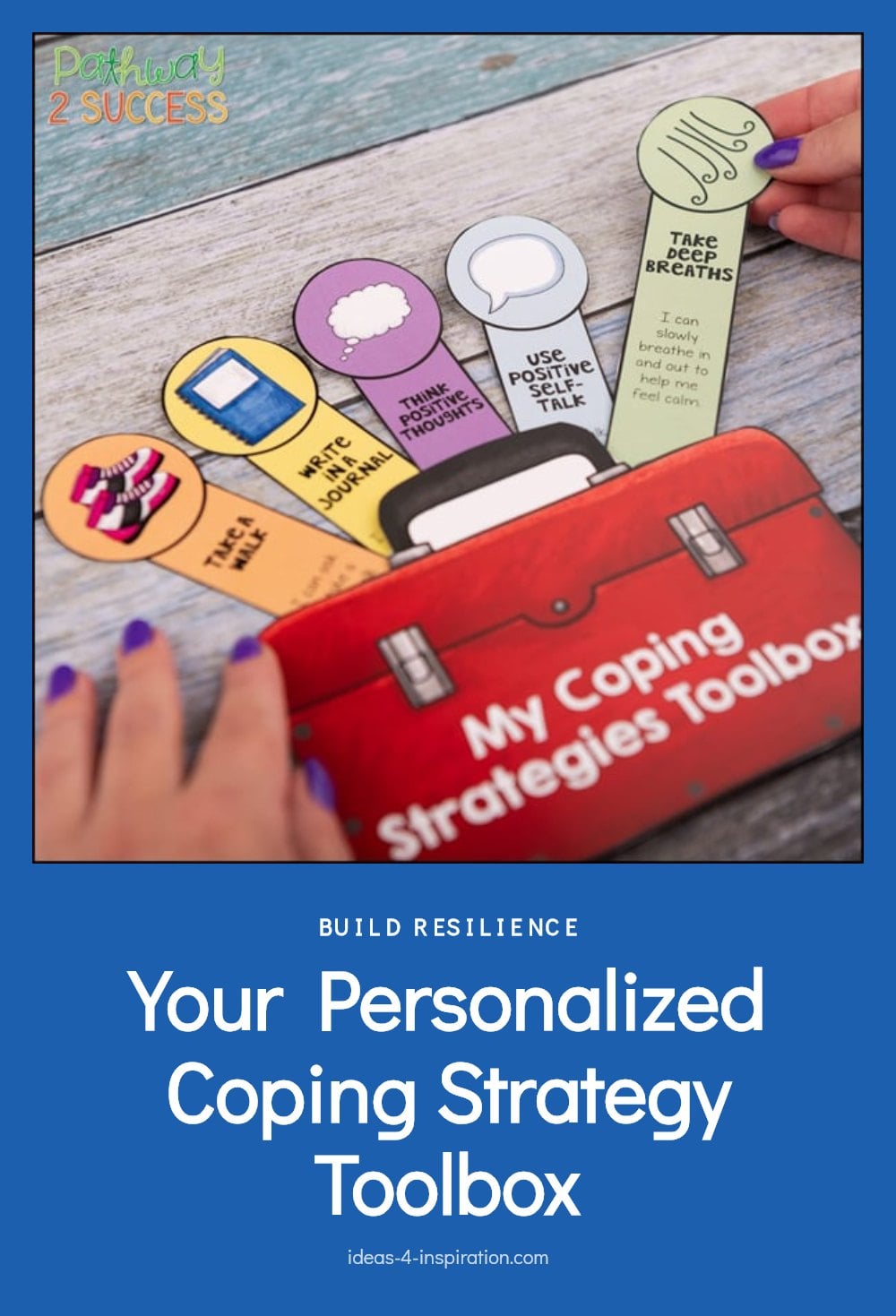
When stress hits, it can feel like you’re drowning in your own thoughts. You need something practical to grab onto, something that actually works in the moment and helps you feel more grounded. That’s where coping skills come in: they’re the strategies you use to navigate hard emotions and tough situations, and having a solid list of them can make all the difference.
In this article, I’ve put together a list of 45 coping skills, from quick calming techniques to deeper emotional processing tools. You’ll also find tips on how to practice them, what to avoid, and when to reach out for professional support. Let’s dive in.
Key Takeaways
- Use a mix of problem-focused and emotion-focused coping skills for the best results.
- Practice coping skills regularly, even when you’re not in crisis, to build proficiency.
- Healthy coping skills promote well-being; avoid ones that harm you or others.
- Seek professional help if you feel overwhelmed or unable to cope.
- Results from consistent coping practice can show up in weeks to months.
What Are Coping Skills?
Coping skills are the strategies you reach for when stress, hard emotions, or a difficult situation shows up. They generally fall into two buckets: problem-focused, which means tackling the source of the stress, and emotion-focused, which means managing how you feel about it. Most people need both. A broad toolkit of healthy skills helps you handle life’s ups and downs with more steadiness. The goal isn’t to wipe out emotions. It’s to respond to them in a way that actually helps you.
1. Deep Breathing Exercises
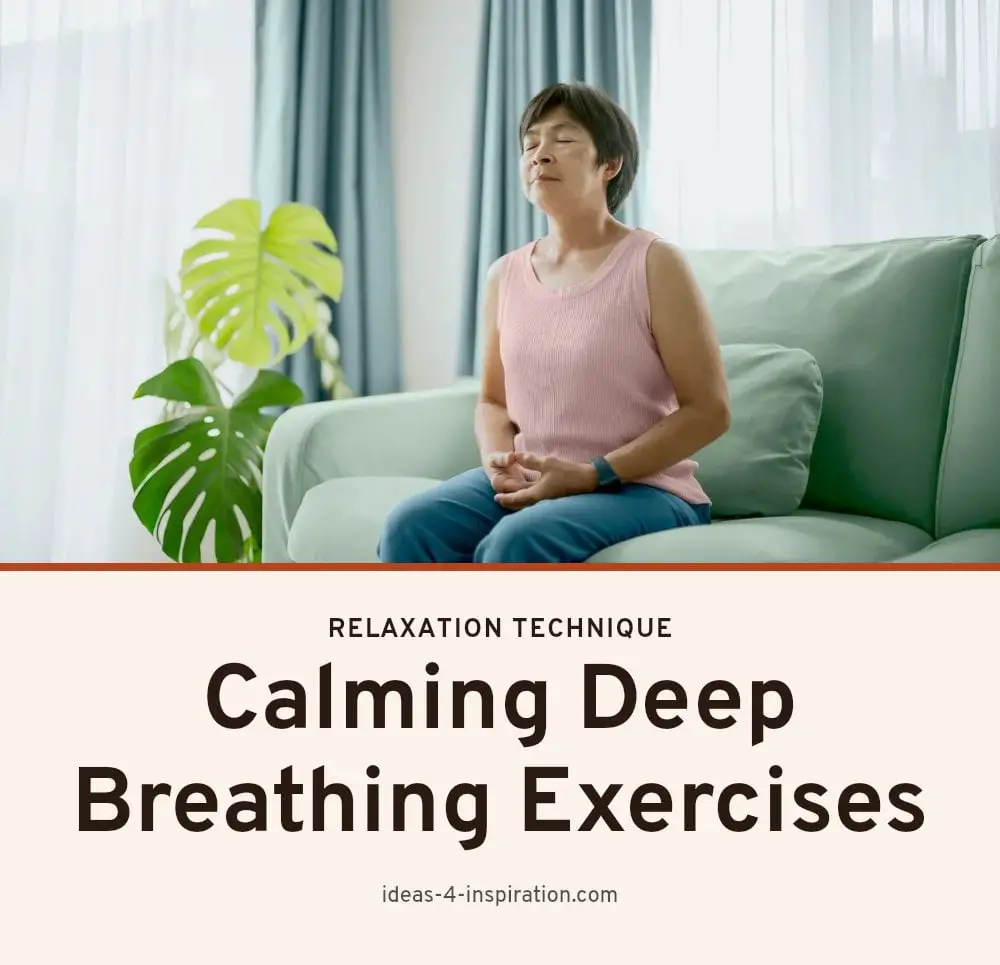
Slow, deep breaths activate your parasympathetic nervous system, the branch that tells your body it’s safe to calm down. Shallow chest breathing does the opposite and keeps you revved up.
Try box breathing: inhale for a count of 4, hold for 4, exhale for 4, hold for 4. Repeat for a few rounds.
- My tip: Put your attention on the physical sensation of the breath, the cool air in and the warmth out, to anchor yourself in the present moment.
2. Practice Mindfulness Meditation
Mindfulness means observing your thoughts and feelings without judging them or trying to push them away. You notice what’s there, then let it pass.
Even 5 to 10 minutes a day can help lower stress and improve emotional regulation over time.
- My tip: If sitting in silence feels awkward at first, start with a guided meditation and follow the voice until you get the hang of it.
3. Go for a Walk

Moving your body releases endorphins, the natural mood boosters that take the edge off a rough day. Walking counts, and it doesn’t require gear or a plan.
Getting outdoors adds a change of scenery and a bit of perspective, which can loosen the grip of whatever is circling in your head.
- Tip: Don’t just walk on autopilot. Actively notice your surroundings, the trees, the sky, the sounds, so your attention has somewhere to land.
4. Journal Your Thoughts
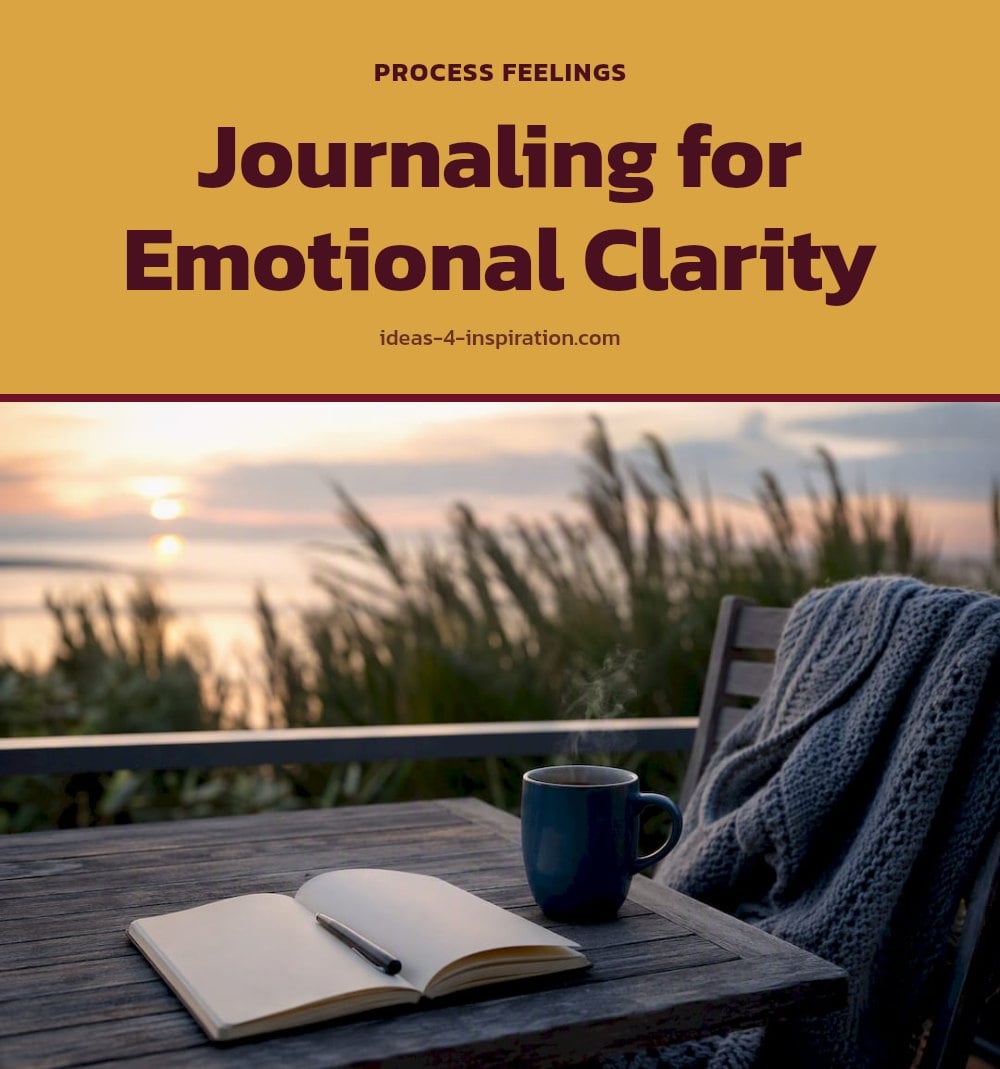
Putting feelings into words helps you process them and gain clarity, because writing forces you to slow down and name what’s actually going on. The page is a judgment-free space: no one reads it, so nothing has to sound reasonable.
Good to know: Don’t censor yourself. Set a timer and write whatever comes to mind for 10 to 15 minutes, even if it’s messy or repetitive.
5. Talk to a Trusted Friend

Sharing what you’re going through with someone you trust can reduce feelings of isolation, and often just saying it out loud helps you hear your own thoughts more clearly. You don’t need a solution, you need a witness.
Pro move: Choose someone who listens without judgment and offers support rather than a list of fixes. Telling them upfront, “I just need to vent,” sets that up.
6. Listen to Music
Music shifts your mood fast, whether you need to come down from a stressful day or get moving when you feel flat. The trick is matching the sound to the state you want, not the one you’re in.
Tip: Build a few short playlists for different moods, one for calming, one for energy, one for focus, so you’re not scrolling when you need it most. Instrumental tracks work well for concentration, and nature sounds can help you settle at night.
7. Engage in a Hobby
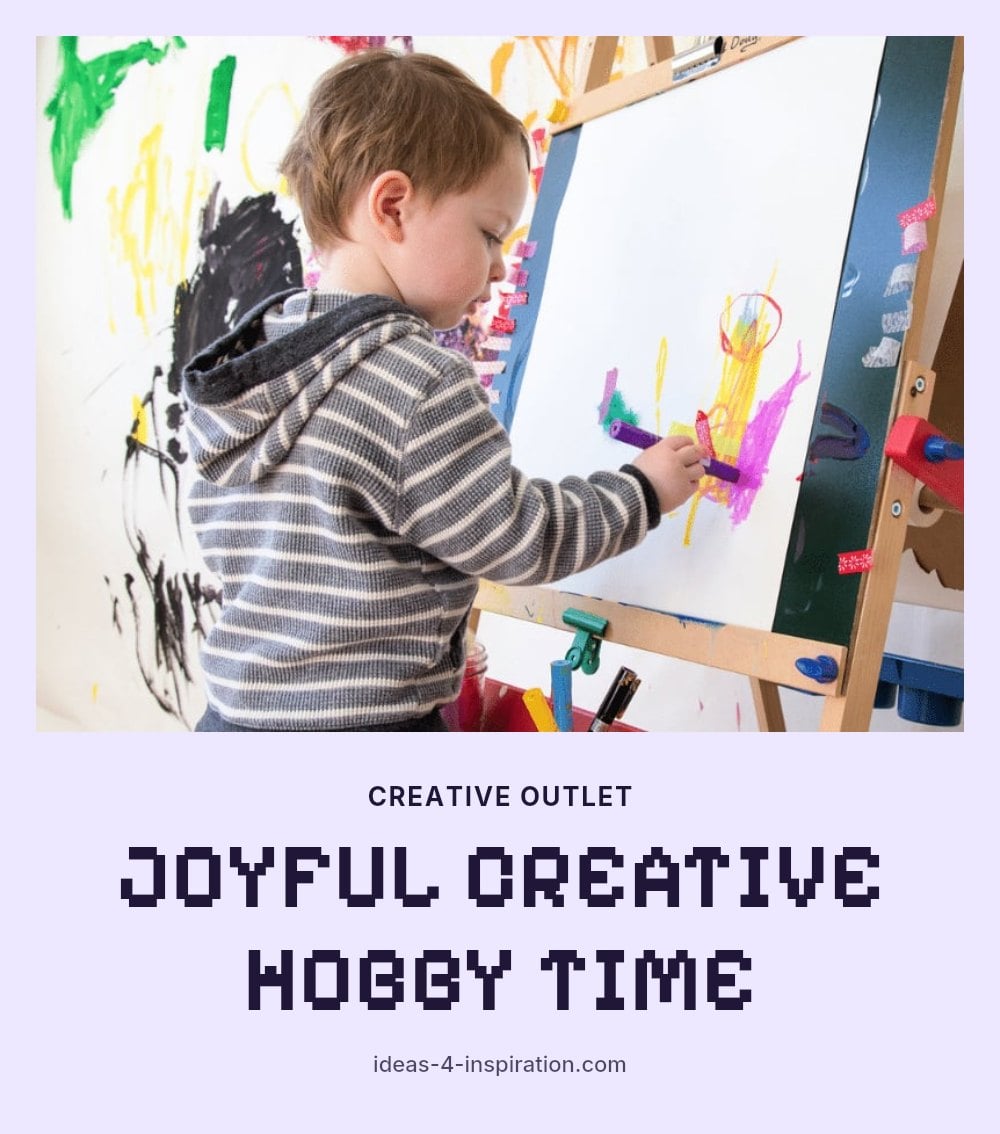
A hobby gives you a healthy distraction plus a sense of accomplishment, which matters when stress makes everything feel unfinished. Focusing on something enjoyable and creative pulls your attention off the worry loop for a while.
Quick tip: Revisit an old hobby you loved and let go of, since the skills are still there, or try something completely new where you have no expectations to meet. Either way, keep it low-stakes.
8. Set Healthy Boundaries
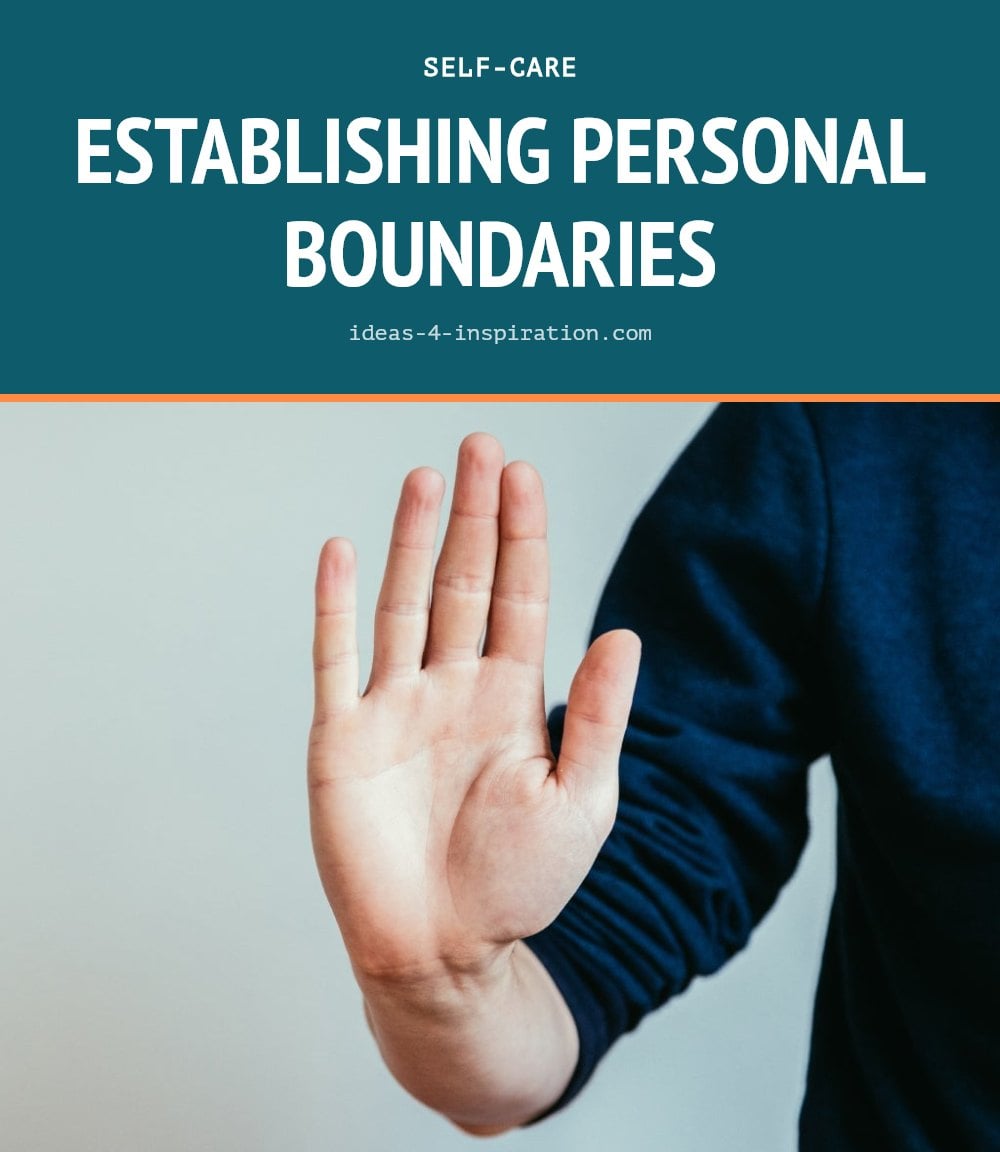
Boundaries protect your time and energy from draining demands, and without them resentment builds fast. Saying no is a complete sentence, and it reduces overwhelm by keeping your priorities clear.
Tip: Start small by setting one boundary this week, even if it’s just declining a low-stakes invitation or turning off notifications after 8 p.m. Notice how it feels to protect your own space.
9. Progressive Muscle Relaxation
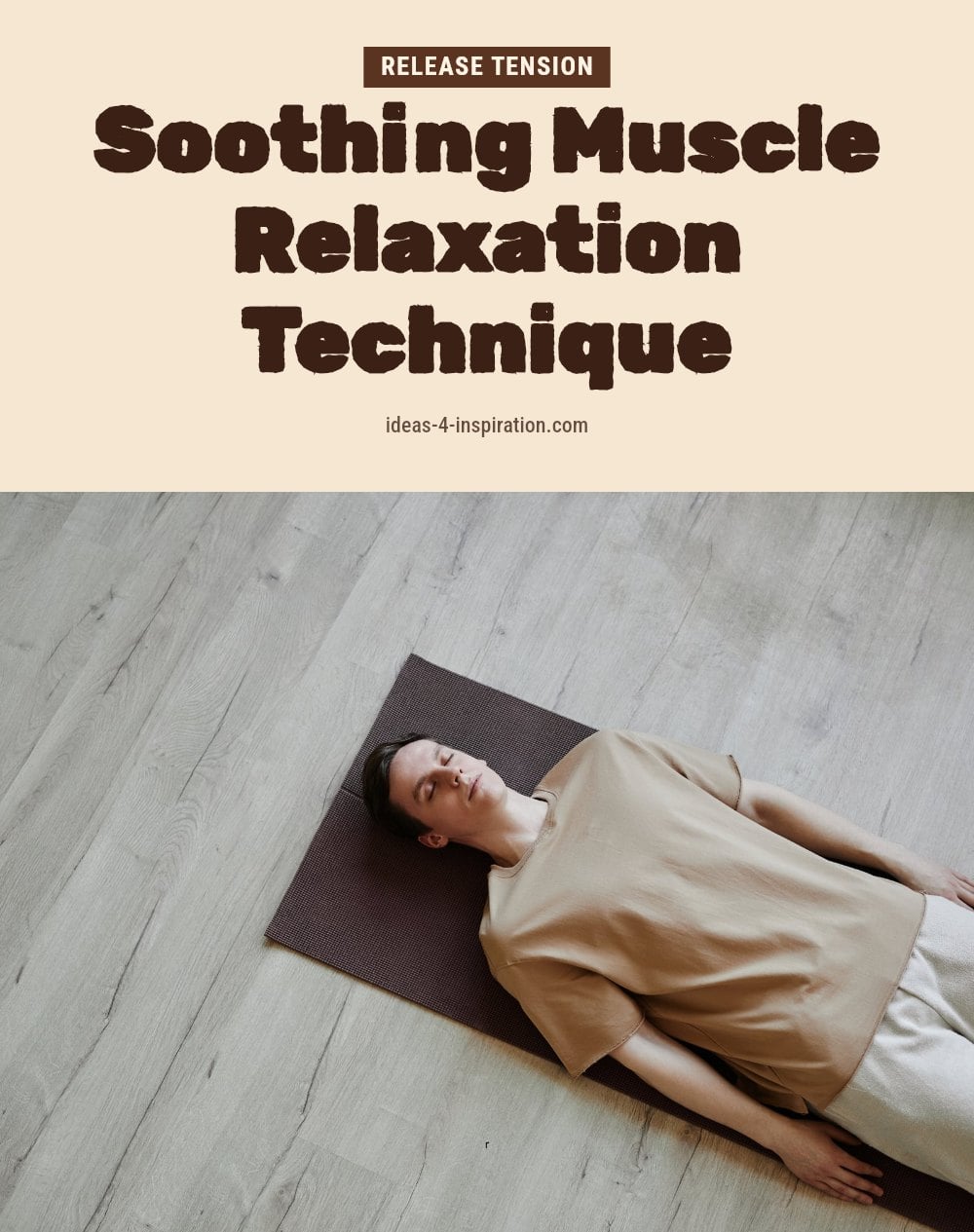
Progressive muscle relaxation works by systematically tensing and then releasing each muscle group, which forces your body to let go of physical tension. It also trains you to notice where you habitually hold stress, like your shoulders or jaw.
Good to know: Start from your toes and work your way up to your head, holding each tension for 5 to 10 seconds before releasing fully. Breathe out as you let go.
10. Practice Self-Compassion
Self-compassion means treating yourself with the same kindness you’d offer a close friend when things go wrong. Acknowledge your struggle instead of pushing it away, then offer yourself comfort rather than criticism.
Pro move: When you catch negative self-talk, pause and replace it with an encouraging phrase like “This is hard and I’m doing my best.” Practice it out loud if you can.
11. Engage in Creative Expression
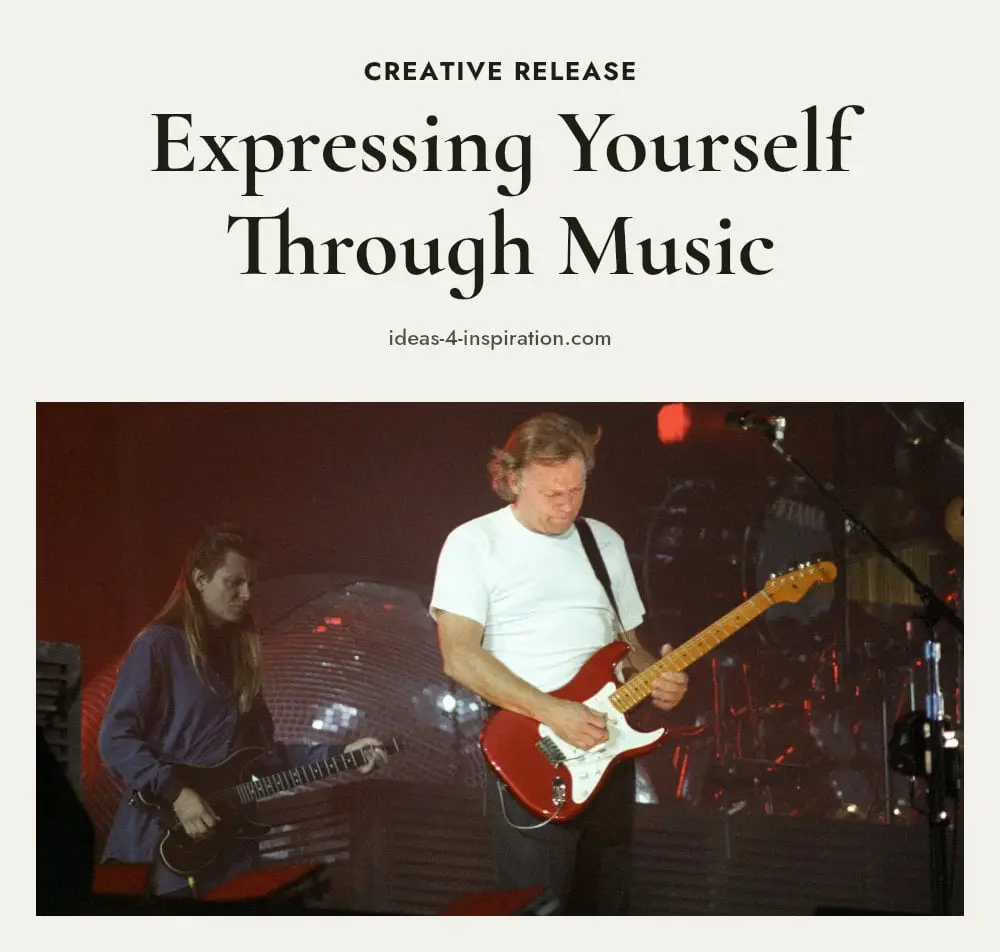
Creative expression lets you process emotions without needing to find the right words, whether you’re drawing, writing, dancing, or playing an instrument. The act itself can be cathartic because it channels feelings into something tangible.
Quick tip: Don’t worry about the outcome. Focus on the process of creation itself, even if it’s just scribbling or moving to a song you love.
12. Take a Warm Bath or Shower
The warmth of a bath or shower soothes both your muscles and your nervous system, making it one of the simplest ways to create a calm space for yourself. The sensory experience of steam, warm water, and a quiet environment signals your body that it’s safe to relax. Tip: Add Epsom salts to ease muscle tension or a few drops of lavender essential oil to deepen the calming effect. Even a 10-minute shower can reset your mood when you focus on the sensation of the water.
13. Watch a Funny Video
Laughter triggers the release of endorphins and lowers stress hormones, so watching something genuinely funny can shift your perspective in minutes. It works as a temporary, healthy distraction that interrupts the spiral of worry without avoiding the issue entirely. Good to know: Keep a playlist of your favorite comedy clips or stand-up specials saved on your phone so you can pull one up the moment you need a quick mood boost.
14. Do a Puzzle
Working on a puzzle engages your brain in a focused, low-stakes task that leaves less mental room for racing thoughts. The step-by-step progress toward a solution also provides a sense of accomplishment, which can counter feelings of helplessness. Pro move: Pick a puzzle that holds your attention without frustrating you. A 100-piece jigsaw, a crosswords app, or a sudoku at the right difficulty level all work well.
15. Clean or Organize a Space
Cleaning or organizing a small area gives you immediate control over your physical environment, which often translates into a clearer mental state. The visible result of a tidy space reinforces that you can make things better, even when other parts of life feel chaotic. Quick tip: Start with one drawer, a single shelf, or the top of your desk. Completing that small area prevents overwhelm and builds momentum to continue if you want to.
16. Cook or Bake
Cooking or baking pulls you into the present moment because it engages multiple senses at once: the smell of garlic hitting oil, the feel of dough between your fingers, the sound of something sizzling. That sensory focus, combined with the step-by-step process of following a recipe, makes it a grounding activity. You end up with a tangible reward at the end, whether it’s a meal for yourself or something to share with someone else.
- Tip: When you’re already stressed, choose a recipe you genuinely enjoy and that isn’t overly complicated. A simple pasta dish or a batch of cookies works better than a multi-step project.
17. Practice Gratitude
Shifting your focus to what’s going right, even when things feel hard, trains your brain to notice positives more naturally over time. Gratitude doesn’t erase the hard stuff, but it balances your perspective so the negative doesn’t take over completely. Practicing it regularly can actually cultivate a more optimistic outlook, not through forced positivity, but through genuine acknowledgment of what you appreciate.
- Good to know: Keep a small notebook by your bed and write down 3 to 5 things you’re thankful for each day. They can be tiny, like a good cup of coffee or a kind text from a friend.
18. Do Yoga or Stretch
Yoga works as a coping skill because it combines physical movement with breathing and mindfulness in one package, which means you’re releasing muscle tension while also calming your nervous system. Even simple stretching helps because stress often settles in your shoulders, neck, and hips, and releasing that physical tightness signals your brain that it’s okay to relax.
- Pro move: You don’t need a class or special equipment. Find a beginner-friendly yoga video online or just do a few gentle stretches at your desk, like neck rolls and shoulder shrugs, for a quick reset.
19. Spend Time in Nature
Research shows that being in natural environments lowers cortisol and improves mood, often within minutes. Nature offers a sense of peace and connection that’s hard to replicate indoors, partly because it engages your senses in a gentle way and reminds you there’s a world outside your immediate stress.
- Quick tip: You don’t need a long hike. Even 5 minutes in a local park or sitting by a window with a view of trees can make a real difference. Notice the colors, the light, and the sounds around you.
20. Drink a Calming Beverage
A warm cup of herbal tea like chamomile or peppermint can be very soothing when stress hits. The ritual of preparing it and slowly sipping can become a mindful moment that forces you to pause.
Tip: Avoid caffeine when you’re trying to calm down, as it can heighten anxiety. Stick with naturally caffeine-free options for the best effect.
21. Take a Nap
Sometimes simply resting your body and mind is the best way to cope, especially when you’re running on empty. A short power nap can help reset your mood and energy without derailing your sleep schedule.
Tip: Keep naps to 20-30 minutes to avoid waking up groggy. Set an alarm so you don’t drift into deep sleep.
22. Visualize a Calm Place
Close your eyes and imagine yourself in a peaceful, safe environment. Engage all your senses: what do you see, hear, smell, and feel in that place? The more detail you add, the more your body responds as if you’re actually there.
Tip: Practice this regularly so your mind can quickly access this calming image when you need it most.
23. Do a Body Scan
Lie down and bring your attention slowly to each part of your body, starting at your toes and moving upward. Notice any sensations without judging them, just observing tension, warmth, or tingling. This practice helps you become more aware of where you hold stress so you can consciously release it.
Tip: There are many guided body scan meditations available online if you need help getting started.
24. Write a Letter (Don’t Send It)
Writing a letter you never send lets you express strong emotions toward someone without the risk of confrontation or regret. The point is getting your feelings out, not changing the other person or rehashing the situation.
Tip: Write everything you want to say, as raw and unfiltered as it comes. Then tear it up, burn it, or delete the file as a symbolic release. Your emotions get heard, and you don’t have to deal with the aftermath.
25. Cuddle a Pet
Interacting with a pet lowers stress hormones like cortisol and boosts feel-good chemicals like oxytocin and dopamine. The physical contact of petting, cuddling, or even just sitting near an animal provides comfort and a sense of connection that eases loneliness.
Good to know: If you don’t have a pet, watching cute animal videos can still offer a small mood boost. Even a few minutes of kitten or puppy content can shift your emotional state.
26. Engage Your Senses
Engaging one or more of your five senses pulls your attention into the present moment and away from anxious thoughts. Examples include lighting a scented candle, holding an ice cube, listening to a specific sound like rain, or tasting something strong like mint.
Pro move: Keep a small sensory kit handy with items like a smooth stone, an essential oil roller, a piece of dark chocolate, or a textured fabric. When you feel overwhelmed, grab one item and focus entirely on its sensation.
27. Do a Quick Workout
Intense physical activity burns off the excess energy that builds up from stress or anxiety, leaving you physically tired but mentally clearer. It also boosts endorphins and can help you feel stronger and more in control of your body and emotions.
Quick tip: Even 10 to 15 minutes of jumping jacks, push-ups, burpees, or a quick run around the block can make a difference. No gym or equipment required, just enough movement to get your heart rate up.
28. Plan Something Fun
Having something to look forward to can shift your focus away from current stressors and boost your mood through the power of anticipation alone. It doesn’t have to be a big trip or an expensive event.
- Plan a movie night with your favorite snacks, a special meal you’ve been wanting to try, or a coffee date with a friend.
- Put it on your calendar so you see it coming, which extends the mood-boosting effect over several days.
My tip: Keep the planning simple so it feels like a treat, not another task.
29. Practice Positive Affirmations
Repeating positive statements can challenge the negative self-talk that often spirals during stressful times. Choose affirmations that directly address your specific worries, like “I can handle this one step at a time” or “I am allowed to rest.”
- Say them out loud in front of a mirror for added impact, which helps your brain register the words as truth.
- Write them on sticky notes and place them where you’ll see them throughout the day.
My tip: Pick one or two affirmations that feel believable and repeat them several times when you notice negative thoughts creeping in.
30. Learn Something New
Engaging your brain with a new skill or topic provides a healthy distraction while also delivering a sense of growth and accomplishment. Learning something fresh pulls your attention away from repetitive worries and gives you evidence of your own capability.
- Try a free online course on a subject you’re curious about, from photography to a new language.
- Watch a documentary on a topic you know nothing about, or pick up a book on a subject you’ve always wondered about.
My tip: Choose something low-pressure that you genuinely want to explore, not something you feel you should learn.
31. Do a Brain Dump
Write down every single thought, worry, and task swirling in your head without filtering or organizing. Getting it all out on paper reduces mental clutter and the sense of overwhelm that comes from trying to hold everything in your memory at once.
- Use a blank page or a notes app and let the words flow for 5 to 10 minutes without stopping.
- Don’t try to organize it as you write; the goal is release, not structure. You can sort or prioritize later if needed.
My tip: Keep a dedicated notebook for brain dumps so you have a safe place to empty your mind whenever it gets full.
32. Gardening or Plant Care
Caring for plants connects you with nature in a tangible way, which many people find deeply calming. The physical acts of watering, repotting, or digging are gentle exercise that gets you moving without feeling like a workout. Tip: Even tending a single houseplant on your windowsill can provide a sense of purpose and connection to something living.
33. Sing or Hum
Vocalizing through singing or humming releases physical tension held in your throat, chest, and jaw. It also triggers positive emotions because your brain associates the act with enjoyment and expression. Good to know: Sing along to your favorite upbeat songs when you need energy, or hum a calming tune to soothe yourself into a quieter state.
34. Watch a Nature Documentary
Watching a nature documentary immerses you in stunning landscapes and wildlife, which can calm a racing mind. It offers a healthy escape from your worries while reminding you of the larger, beautiful world beyond your immediate stress. Pro move: Pick one with high-quality visuals and a soothing narrator for the most relaxing experience.
35. Do a Digital Detox
Stepping away from screens reduces the overwhelm that comes from constant notifications, comparisons, and information overload. A digital break gives you space to reconnect with your own thoughts and your immediate surroundings. Quick tip: Start with a short period like an hour or one evening, then gradually extend the time as you notice the benefits.
36. Practice Grounding Techniques
If you feel overwhelmed and disconnected from the present moment, try the ‘5-4-3-2-1’ grounding technique. Name five things you can see, four you can feel (like your feet on the floor or the fabric of your shirt), three you can hear, two you can smell, and one you can taste. This forces your brain to focus on sensory input instead of anxious thoughts, which reduces the intensity of the moment.
Tip: Keep a small, flavorful candy or mint handy for the ‘taste’ element so you always have something ready.
37. Connect with Your Spirituality
For many people, connecting with their spirituality through prayer, meditation, or other practices offers comfort and a sense of meaning during hard times. It can provide hope and a feeling of being part of something larger than yourself, which puts personal struggles into perspective.
Good to know: This is deeply personal, so explore what resonates with your own beliefs without comparing your path to anyone else’s.
38. Do a Random Act of Kindness
Doing a random act of kindness shifts your focus outward and can lift your own mood in the process. Helping others creates a positive ripple effect and reinforces a sense of purpose and connection, which counteracts feelings of helplessness.
Pro move: Pay for someone’s coffee, leave a kind note for a coworker, or offer a genuine compliment. Small gestures count.
39. Plan and Prioritize Tasks
When you feel overwhelmed by everything on your plate, breaking tasks into smaller steps reduces the anxiety that comes from staring at a mountain of work. Prioritizing helps you focus on what actually matters instead of spreading yourself thin.
Quick tip: Use a simple to-do list and tackle one item at a time, even if it’s just for 15 minutes. Starting is the hardest part.
40. Practice Visualization for Success
Close your eyes and picture yourself handling a stressful situation exactly the way you want to. See yourself speaking calmly, making clear decisions, and feeling confident. This mental rehearsal builds confidence and lowers anxiety because your brain rehearses the experience as if it were real.
Tip: Include sensory details in your visualization. Feel your steady breathing, hear the calm tone of your voice, and notice the relief of a positive outcome. The more vivid the practice, the more it prepares you for the real moment.
41. Take a Power Pose
Adopting an expansive, confident posture for just two minutes can shift your brain chemistry. Standing tall with your shoulders back and hands on your hips increases testosterone (linked to confidence) and lowers cortisol (the stress hormone). It sends a signal to your brain that you are capable and in control.
Good to know: Try this power pose before a challenging meeting, a difficult conversation, or any situation where you need a boost. Stand like a superhero for two minutes, breathing normally, and notice how your mindset shifts.
42. Stretch Your Face and Jaw
Your face and jaw often hold tension you do not even notice until you try to release it. Clenching your jaw or furrowing your brow can contribute to headaches and a feeling of tightness. Gentle stretches release that stored physical tension and can help your whole body relax.
Pro move: Open your mouth wide, stick out your tongue, and hold for a few seconds. Then gently massage your jaw muscles in circular motions with your fingertips. Repeat this a few times whenever you notice your jaw feeling tight.
43. Engage in Light Reading
Reading a novel or a light article gives your mind a break from your own worries by focusing on someone else’s story. It is a healthy escape that lowers stress without requiring much effort from you. Your brain gets to rest while staying gently engaged.
Quick tip: Pick something fun, funny, or absorbing when you need to de-stress. Avoid heavy topics, dense nonfiction, or anything that requires intense concentration. A breezy novel or a collection of short essays works well.
44. Practice Mindful Eating
Pay full attention to the experience of eating: the tastes, textures, smells, and sensations. This slows you down, which improves digestion and helps you notice fullness cues before you overeat. It also pulls your focus away from stress and into the present moment.
Tip: Try it with a single piece of fruit. Notice the color, the texture of the skin, the sound when you bite into it, and how the flavor changes as you chew.
45. Do a Digital Declutter
Unsubscribe from unwanted emails, delete old files, and organize your digital space. A cluttered digital life contributes to mental overwhelm because your brain processes every notification and stray file as unfinished business.
Good to know: Start with your email inbox and aim for ‘inbox zero’ once a week. The visual relief of an empty inbox can reduce that low-grade digital anxiety.
Frequently Asked Questions
What are the two main types of coping skills?
The two main types are problem-focused and emotion-focused. Problem-focused coping tackles the source of stress directly, like setting boundaries or planning tasks. Emotion-focused coping manages how you feel about the stress, such as through deep breathing or journaling. Most people use a mix of both.
How do I know if a coping skill is healthy?
A healthy coping skill promotes your well-being and doesn’t harm you or others. It helps you process emotions or solve problems without negative long-term consequences. If a coping skill provides temporary relief but leads to guilt, shame, or harm, it’s probably unhealthy. Examples include substance use or extreme avoidance.
Can coping skills eliminate all negative emotions?
No, coping skills are not about erasing negative emotions. They help you manage and navigate them, so you can function and feel better over time. It’s normal to still feel sad, anxious, or frustrated sometimes. Coping skills give you tools to work through those feelings, not to make them disappear.
How long does it take for coping skills to work?
Some coping skills, like deep breathing or listening to music, can shift your mood within minutes. For longer-term benefits, like improved emotional regulation and resilience, practice consistently for several weeks to months. The key is to practice regularly, not just when you’re in crisis, so they become natural responses.
Is seeking professional help a coping skill?
Yes, seeking professional help is a powerful coping skill. It’s a problem-focused strategy that addresses the root causes of your stress or mental health concerns. A therapist or counselor can provide personalized tools and support. Asking for help is a sign of strength, not weakness, and it’s especially important if you feel overwhelmed or unable to cope.
Final Thoughts
My tip: pick two or three coping skills from the list that resonate with you and practice them this week. Notice which ones help you feel calmer or more in control, and keep those in your toolkit. Remember, coping skills work best when you use them regularly, not just when you’re in crisis. You might start seeing improvements in your mood and stress levels within a few weeks of consistent practice.
Be patient with yourself as you build this new habit. Everyone’s journey is different, and it’s okay to ask for help when you need it. You’ve got this.
This article is for general informational purposes only and is not a substitute for professional medical or mental health advice. If you are experiencing persistent anxiety, depression, suicidal thoughts, or self-harm urges, please reach out to a qualified healthcare provider or crisis hotline immediately. Always consult a professional for personalized guidance.