If you want to cut your grocery bill without cutting out the foods you love, couponing is one of the most straightforward ways to do it. It’s not just for extreme savers, anyone can start with a few minutes a week and see real savings on their very first shopping trip. This article walks you through the basics: where to find coupons, how to organize them, and how to use them smartly so you keep more money in your wallet.
Key Takeaways
- Start by collecting coupons from newspaper inserts, store apps, and product packaging.
- Always read the fine print to avoid rejected coupons at checkout.
- Stack a manufacturer coupon with a store coupon on the same item for bigger savings.
- Check your store’s coupon policy before you shop to know what’s allowed.
- Combine coupons with weekly sales for the lowest possible price on items you need.
What is Couponing and How Does It Work?
Couponing is the practice of using coupons to reduce the price of items you buy. It works by finding discounts, organizing them, and applying them strategically at checkout. The process involves collecting coupons from newspapers, apps, and packaging, then matching them to products on your shopping list. Done consistently, effective couponing can noticeably lower your grocery and household spending over time. You do not need to be an extreme saver to benefit, even occasional use adds up.
Essential Tools for Successful Couponing

You can start couponing with a few basic supplies. The key is staying organized so you can find the right coupon quickly at the store.
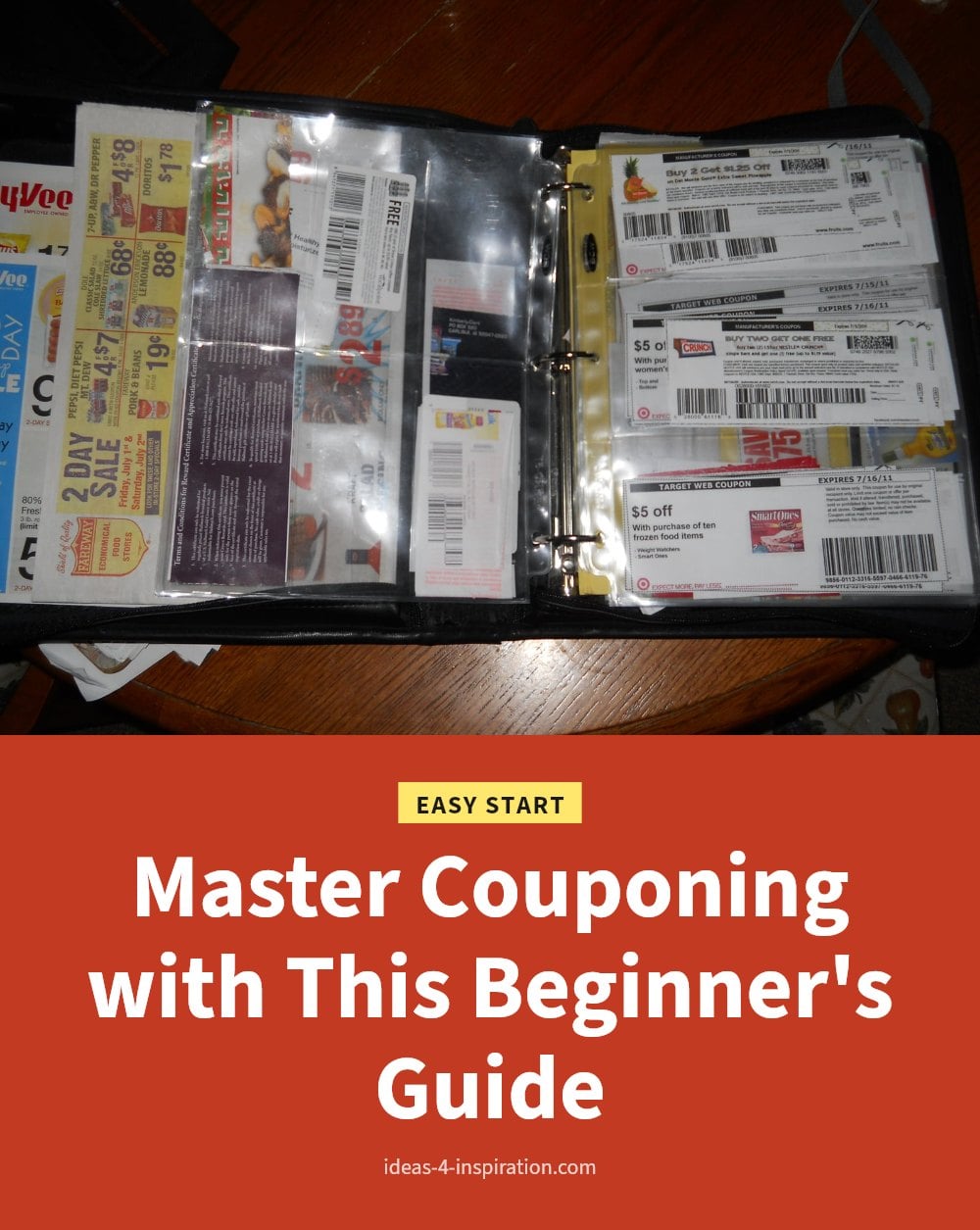
- Coupon binder or organizer: Keeps coupons sorted by category or expiration date, so you are not shuffling papers at checkout.
- Scissors: For cutting coupons from newspaper inserts and product packaging.
- Store loyalty cards: Required to load digital coupons and access member-only sale prices.
- Printer: Needed to print online coupons from manufacturer websites.
- Weekly store flyers: Show current sales so you can match them with your coupons.
- Cash-back apps: Offer rebates after purchase, which add savings on top of any coupons you use at checkout.
Invest in a binder with clear plastic sleeves. It protects your coupons and lets you flip through categories fast, which saves time and reduces checkout frustration.
Your Step-by-Step Guide to Smart Couponing

- Collect coupons: Gather coupons from newspaper inserts, printable online sources, store apps, and product packaging. Check each source weekly, since new offers appear regularly.
- Know your coupon types: Manufacturer coupons come from the brand and are accepted at any store that takes them. Store coupons are issued by a specific retailer and only work there. You can often use both on one item, which is called stacking.
- Review store policy: Each store sets its own rules about stacking, expiration dates, and competitor coupons. Read the policy before you shop so you know what will be accepted.
- Organize your coupons: Sort them by category, like dairy, frozen, or household, or by expiration date. This makes it easy to find what you need and helps you use coupons before they lapse.
- Plan your list: Match your coupons with the weekly sales flyer. Build your shopping list around items that are both on sale and have a coupon, so you get the lowest possible price.
- Combine with sales: Use your coupon on top of a store sale, not instead of it. Many couponers wait for items to hit their lowest sale price, then apply the coupon for maximum savings.
- Redeem at checkout: Hand over your coupons in order and confirm each one meets the terms, like size or quantity. Scan your loyalty card first so digital coupons apply. If an item is out of stock, ask for a rain check to buy it later at the sale price.
Where to Find the Best Coupons for Maximum Savings

Newspaper inserts (FSI)
Free Standing Inserts arrive with Sunday newspapers and contain many manufacturer coupons. They are reliable and widely accepted. Tip: Buy two papers if you want multiple copies of the same coupon, but only if the savings justify the paper cost.
Printable coupons
You can print coupons from manufacturer websites and coupon databases. They often have higher values than newspaper ones, but many limit prints to two per computer. Tip: Print them when you are ready to use them, but check weekly for new offers.
Digital coupons
Load digital coupons directly to your store loyalty card or app. They apply automatically when the qualifying item is scanned, so you do not need to clip anything. Tip: Check your store app weekly, as digital offers often match or beat paper coupon values.
Product packaging
Look for coupons on boxes, cans, and bottle labels. These are usually manufacturer coupons for the same brand, often with a longer expiration date. Tip: Peel off the coupon before you recycle the package, and store it with your others right away.
Regardless of source, always verify the coupon is legitimate and unexpired. Avoid websites offering unusually high-value coupons, as these are often fraudulent.
Pro Tips for Boosting Your Couponing Game
To get the most from your coupons, start by reading the fine print on every single one. Terms like “one per purchase” or “excludes trial sizes” matter, and missing them can mean a rejected coupon at the register.
Next, learn your store’s coupon policy. Some stores allow stacking a manufacturer coupon with a store coupon on the same item, which can significantly increase your savings. Others have limits on how many coupons you can use per transaction. Knowing the rules before you shop saves time and frustration.
My tip: Compare coupon values with the store’s weekly sales. A $1.00 coupon on an item that’s already 50% off gives you a better deal than using it at full price. Pair coupons with cash-back apps like Ibotta or Fetch for extra savings after checkout. When you find a rock-bottom price on non-perishables you use regularly, buy several, that’s how you build a stockpile without overspending.
Common Couponing Mistakes to Avoid
The biggest mistake new couponers make is ignoring the store’s coupon policy. If you don’t know whether they accept competitor coupons or allow stacking, you risk having coupons rejected at the register. Check the policy online or ask customer service before you shop.
Another common error is buying items you don’t need just because you have a coupon. That $0.50 off sugary cereal isn’t a deal if you never eat it. Letting coupons expire is wasted effort, set a weekly reminder to sort through them and use the soonest-expiring first.
Tip: Don’t forget to scan your store loyalty card for digital coupons and cash-back offers. Many shoppers miss these because they don’t load them before checkout. Finally, poor organization leads to fumbling at the register and missed savings. Keep your coupons sorted by category or expiration date so you can find them fast.
Time Investment and Savings Potential of Couponing
Couponing doesn’t have to eat up your whole weekend. You can spend as little as 10 minutes a week loading digital coupons onto your store app and checking the weekly flyer. For deeper savings, set aside 30 to 60 minutes to clip newspaper inserts, print online coupons, and plan your shopping list.
There’s no upfront cost. Most coupons are free from newspapers, apps, or product packaging. The savings show up immediately on your first trip, and they grow as you get faster at matching coupons with sales. A well-planned weekly shop can cut your grocery bill by 20% or more right away.
Staying Safe and Smart While Couponing
Staying Safe and Smart While Couponing
Not every coupon you see online is legitimate. Be wary of websites offering coupons for unusually high values that seem too good to be true, a common sign of fraud. These are often fake and won’t be accepted by stores. Stick to trusted sources: official brand websites, store apps, and newspaper inserts.
When signing up for coupon apps or cash-back services, check their privacy policy. Only provide the minimum personal information required, and avoid apps that ask for sensitive data like your Social Security number. Using legitimate coupons protects you from checkout issues and potential account flagging at stores.
Frequently Asked Questions
How much money can I really save with couponing?
Savings vary widely based on how much time you invest and how carefully you match coupons with sales. Many casual couponers save 10 to 20 percent on their grocery bill each trip. With more effort and strategic stacking, some people cut their total by 50 percent or more, especially on non-perishable items they stock up on.
Is extreme couponing realistic for everyone?
Extreme couponing, spending hours each week to get items for pennies or free, is not realistic for most people. It requires a significant time commitment, access to multiple newspaper subscriptions, and often a large storage space for stockpiles. For typical shoppers, a moderate approach with 30 to 60 minutes per week is more sustainable and still yields solid savings.
Can I use coupons for online shopping?
Yes, many online retailers accept coupon codes or digital promo codes at checkout. Some store apps also let you load coupons that apply automatically to online orders. However, paper coupons from newspapers or printed sources are usually only accepted in physical stores. Always check the store’s online coupon policy before you shop.
What are the best days to find new coupons?
Sunday is the most common day for new coupons to appear, especially in newspaper inserts. Many store apps and websites also release new digital coupons on Mondays or at the start of each week. To catch the freshest offers, check your preferred sources on Sunday and Monday, then again midweek for any midweek sales updates.
Do I need a special printer for printable coupons?
No, a standard home printer works fine for most printable coupons. Just make sure your printer produces clear, readable text and the coupon’s barcode scans properly. Some coupons require you to print in color or at a specific resolution, so follow the instructions on the website to avoid issues at the register.
Final Thoughts
The best rule for couponing is simple: only use a coupon for something you were already planning to buy. That way, every discount is real money saved, not an excuse to spend more. Expect to see savings right away, even on your first trip, but know that the biggest returns come from a little weekly effort, maybe 10 minutes loading digital coupons or 30 minutes clipping inserts. Start small, stay organized, and watch your grocery total drop.
This article is for general informational purposes only and does not constitute financial or professional advice. Couponing practices and store policies vary, and savings depend on individual shopping habits. Always review a store’s current coupon policy and terms before shopping, and consult a financial professional for personalized budgeting guidance.