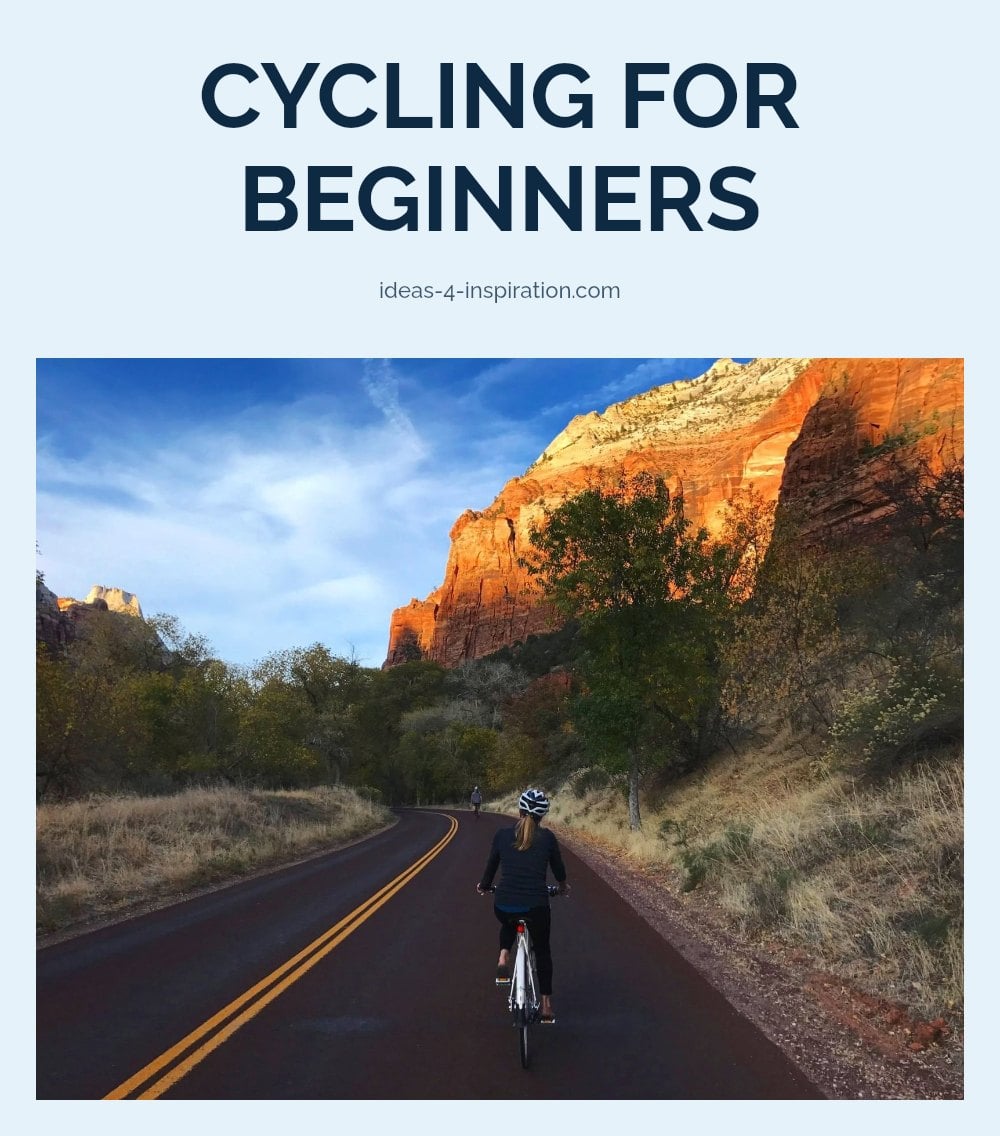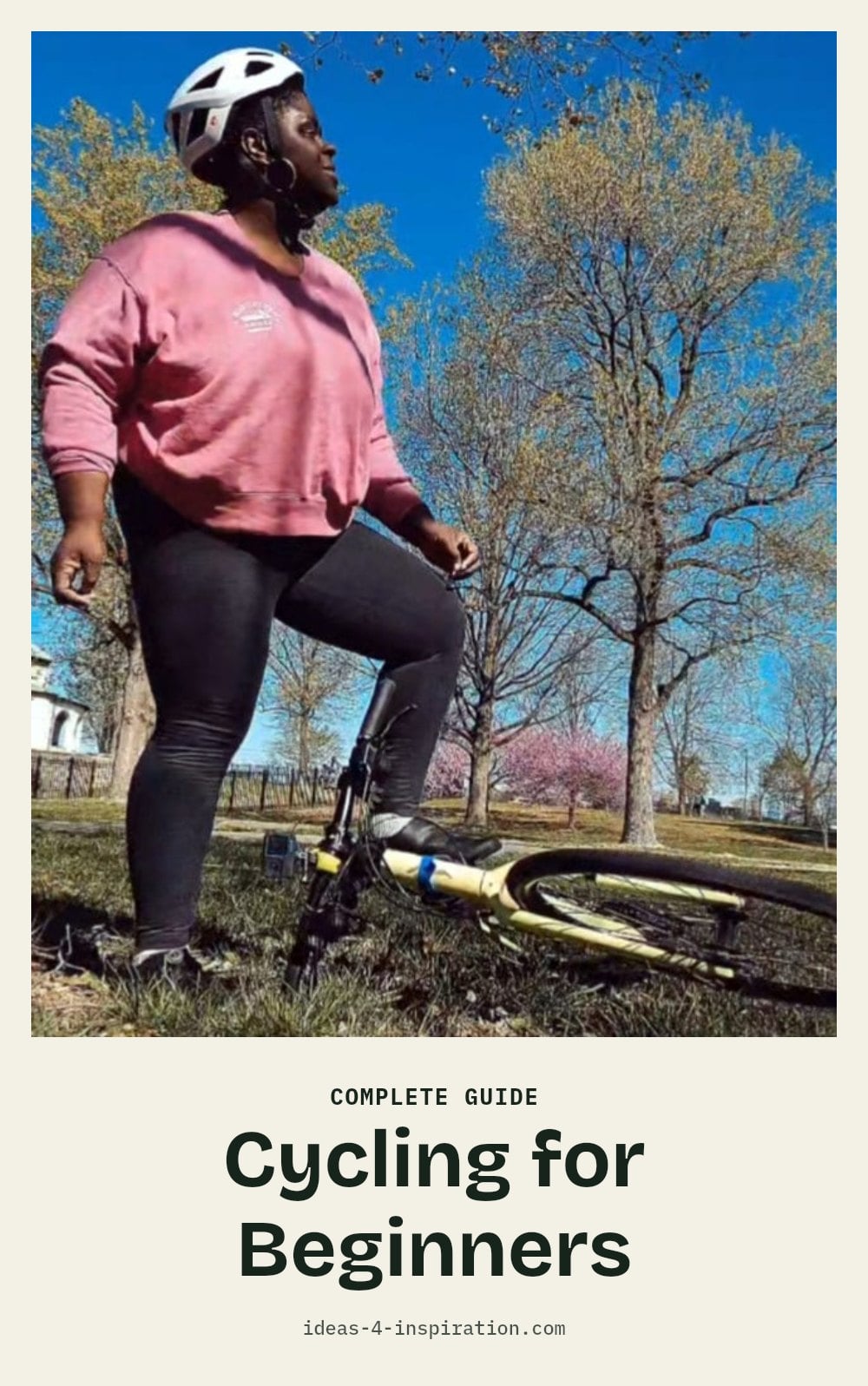
Starting cycling can feel like a big step, but it’s one of the most forgiving ways to get fit. It’s gentle on your joints, great for your heart and mood, and you can go at your own pace. Whether you want to commute, explore trails, or just enjoy the fresh air, this guide covers the essentials: picking the right bike, staying safe, and building your stamina without overdoing it.
You’ll learn how to gear up, dress smart, and handle your first rides with confidence. Plus, I’ll share tips on maintenance, hydration, and knowing when to see a professional for any aches or pains.
Key Takeaways
- Pick a bike type that matches your main riding surface and purpose.
- Always wear a properly fitted helmet on every ride, no exceptions.
- Start with 20 to 30 minute rides on flat, familiar routes.
- Check tire pressure, brakes, and chain before each ride.
- Drink water before, during, and after your ride to stay hydrated.
Ready to Start Cycling? Here’s How
Cycling is low-impact aerobic exercise, which means it is gentle on your joints while still working your heart and lungs. It can help with cardiovascular health, leg and core strength, and mood, and it suits almost any fitness level because you set the pace. Start by picking a bike that matches where you will actually ride, get it fitted to your body, and put a helmet on before the first pedal stroke. Then keep your first rides short and flat, around 20 to 30 minutes, and add distance and intensity only as your confidence grows.
1. Pick the Right Bike for You

Match the bike to your main use before you look at anything else. Road bikes are built for speed on pavement, mountain bikes handle trails, hybrid bikes cover a mix of surfaces, and comfort bikes put you in an upright position for casual rides around the neighborhood.
My tip: Don’t buy a road bike if you plan to mostly ride on gravel paths. Narrow tires and a forward position make gravel uncomfortable and inefficient, so a hybrid or gravel-oriented bike will serve you better.
A properly fitted bike matters for comfort, efficiency, and injury prevention. Adjust seat height so your knee stays slightly bent at the bottom of the pedal stroke, then set handlebar position and reach so your arms are relaxed and your back is not overstretched.
2. Gear Up for Safety First
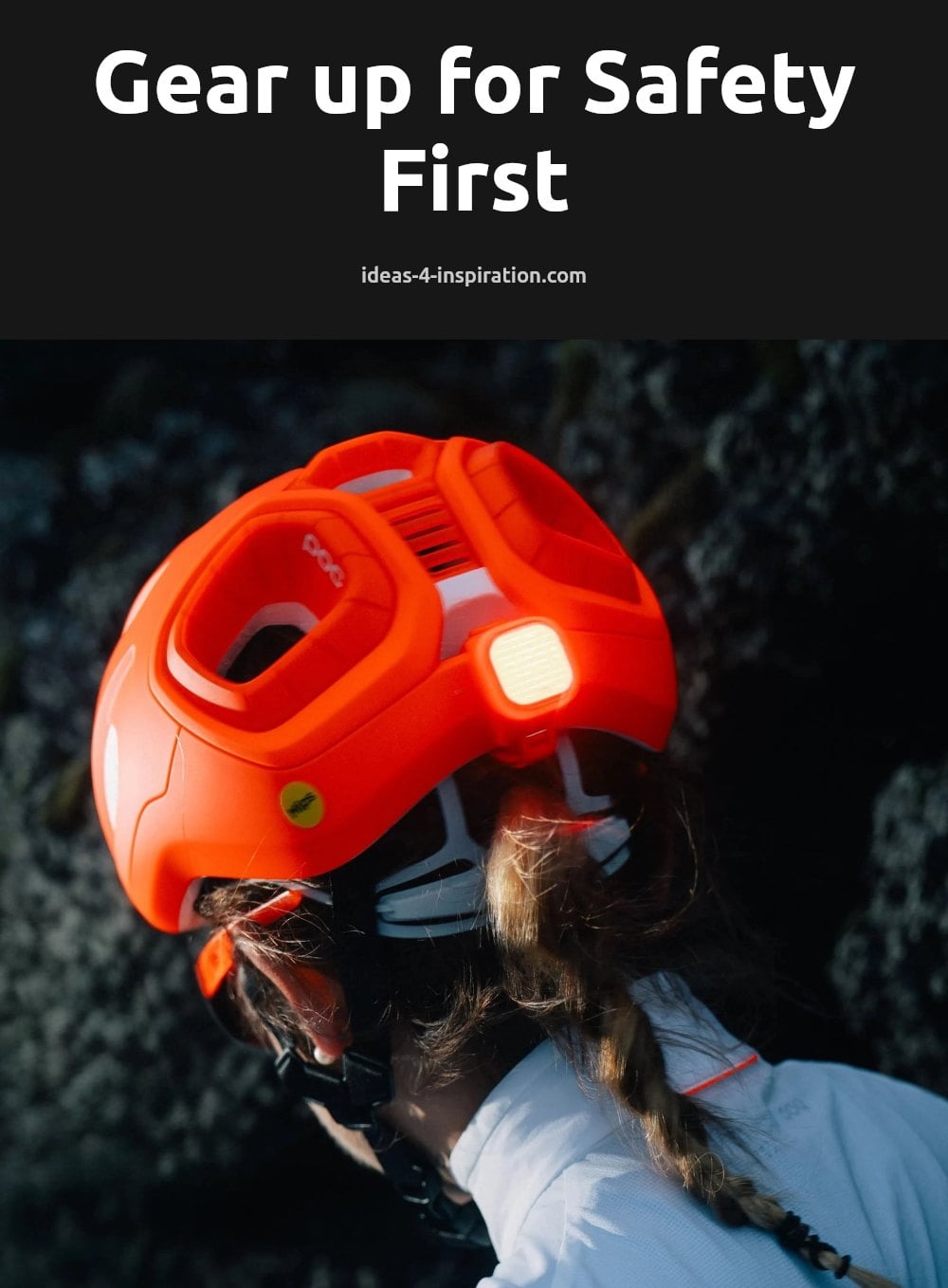
A helmet goes on every ride, no exceptions. It is legally required in some US states and universally recommended because it protects your head in a fall or collision. My tip: Look for a helmet that fits snugly but comfortably and meets a recognized safety standard such as CPSC in the US. It should sit level on your head and stay put when you shake it gently.
Lights are the other piece I would not skip. A front and rear light make you visible to motorists at dawn, dusk, and night, and many riders run a flashing rear light in daytime too. Check the batteries or charge them before each ride so they work when you need them.
3. Dress Comfortably and Smartly
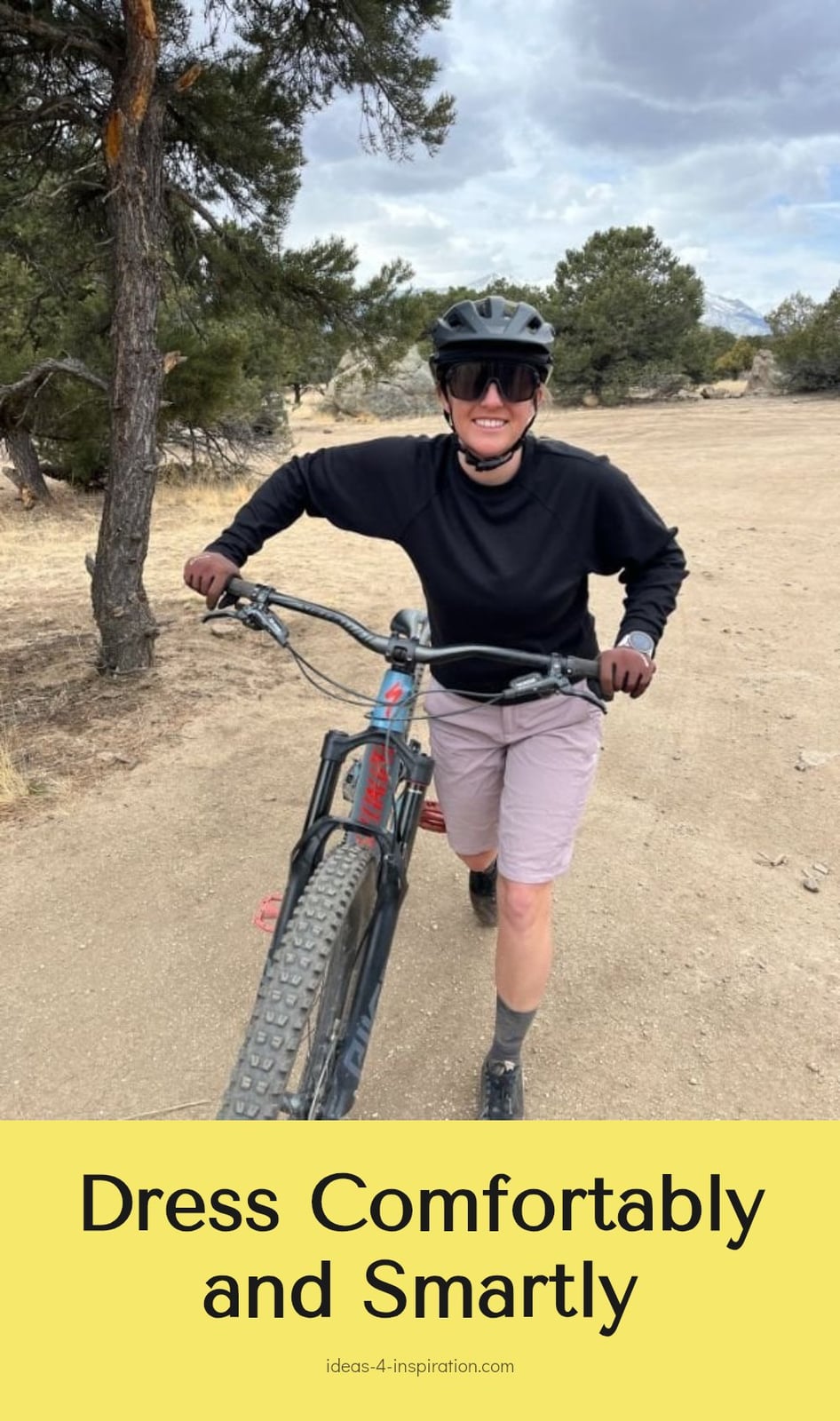
Wear athletic clothing that lets you move freely and stays clear of the chain. Loose hems and wide legs can catch in the drivetrain, so fitted joggers, leggings, or shorts are safer than anything baggy.
- Closed-toe shoes are a must for safety and efficient pedaling. They protect your toes and give you a firmer push on the pedal.
- Tip: Padded cycling shorts can make a huge difference on longer rides by reducing friction and cushioning pressure points. You can wear them under regular shorts if you prefer the look.
- Reflective clothing or accessories help when you ride near traffic or in low light, because they bounce headlights back at drivers.
4. Start Small, Build Gradually
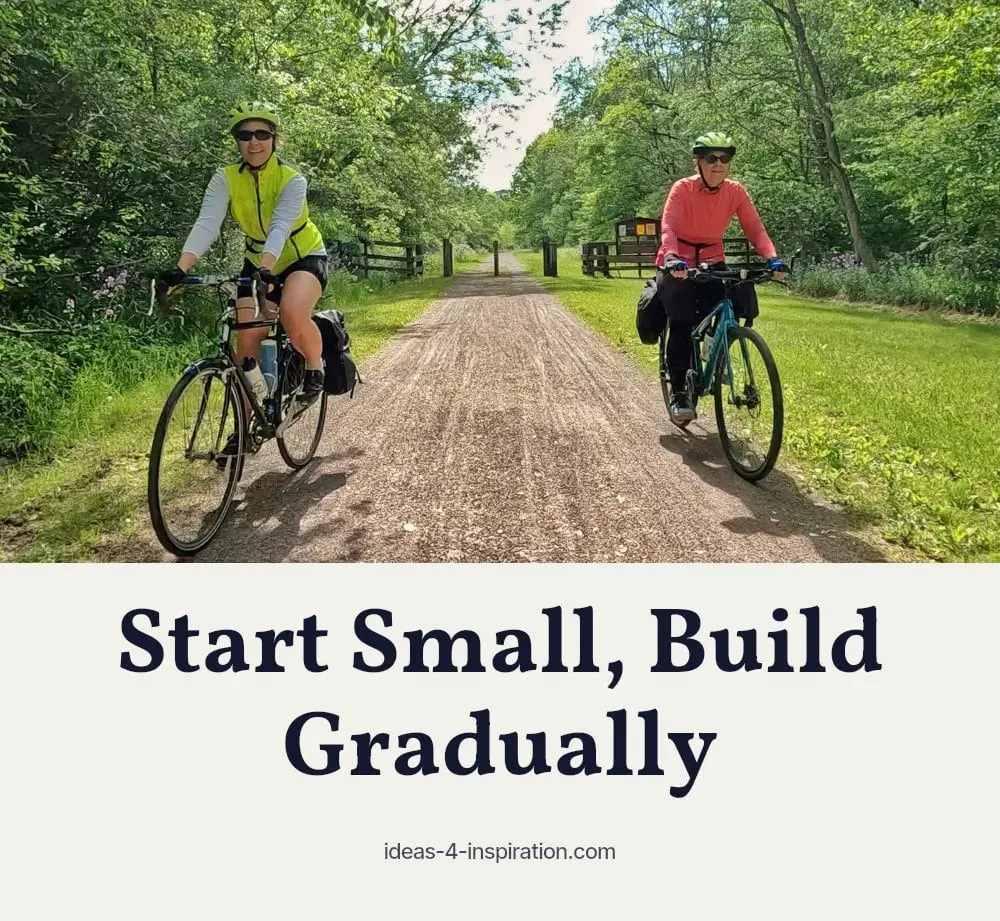
Your first rides should last about 20 to 30 minutes on flat, familiar routes. Short and easy builds endurance and confidence without leaving you sore or discouraged, and flat ground lets you focus on balance and shifting instead of grinding up a hill.
Once those rides start feeling routine, add a few minutes or a small climb each week. Trying to tackle a long, hilly route in your first week usually backfires.
Good to know: Listen to your body. If you feel sharp pain, numbness, or tingling, stop and take a break. Easing in is fine, and pushing through pain is not.
5. Master Basic Bike Maintenance
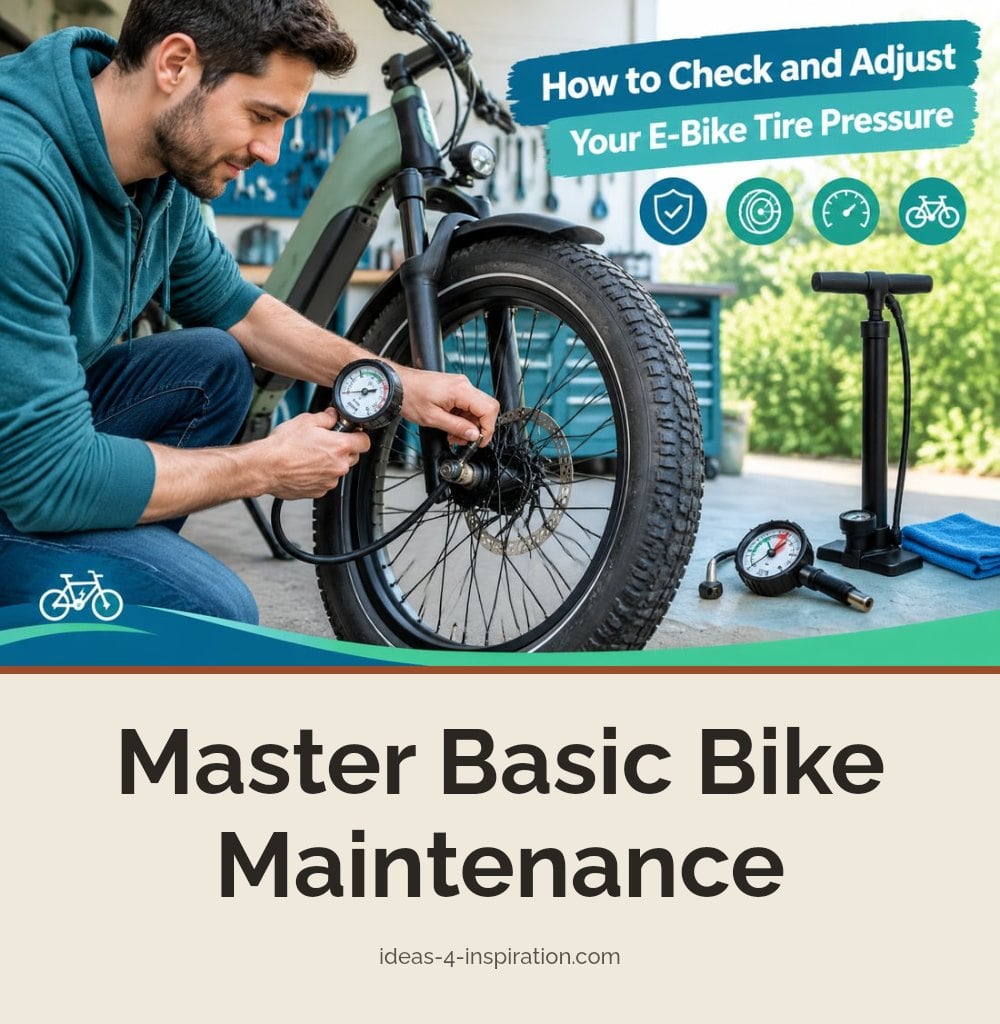
A few minutes of checking before each ride keeps your bike safe and adds years to its life. Look at three things: tire pressure, brakes, and chain lubrication. Soft tires make every pedal stroke harder, worn brakes are a safety risk, and a dry chain wears out fast.
Pro move: Learn to read the recommended PSI on your tire sidewall and inflate to that number with a floor pump at home. A gauge beats guessing by feel.
Carry a basic kit on longer rides:
- Spare tube or tire repair kit
- Small pump
- Multi-tool for quick adjustments
6. Stay Hydrated and Nourished
Water matters more than most beginners expect, especially as rides get longer. Carry a bottle in a cage, or plan a route that passes a water stop so you never run dry mid-ride.
Drink before you leave, sip during the ride, and drink again when you get home. That routine helps prevent dehydration and heat exhaustion, which creep up faster than you think on warm days.
For rides over an hour, bring a small snack such as a banana or an energy bar. A little fuel keeps your energy steady and stops that sudden bonk halfway home.
7. Know and Obey Traffic Laws
On the road, you are a vehicle. That means the same stop signs, traffic lights, and right-of-way rules apply to you, so learn the local laws and follow them every ride.
Ride predictably: hold a straight line, signal early, and skip sudden swerves. Drivers plan around what they can anticipate, and a steady line is far safer than a quick dodge.
Quick tip: Use clear hand signals for turns and stops well before you make them, so motorists know your intentions with time to react. Ride with traffic, never against it.
8. Be Aware of Your Surroundings
Read the road a few car lengths ahead, not just your front wheel. Potholes, storm grates, cracked pavement, and gravel at intersections can drop you fast, and a parked car’s opening door is one of the most common surprises on city streets. Scan side mirrors and brake lights on parked cars as you pass.
Make eye contact with drivers at intersections and with pedestrians stepping off the curb. A nod or a wave confirms they have seen you, which is more reliable than assuming they have.
Tip: Skip headphones that block outside noise completely. You need to hear a car approaching from behind or a warning shout, and that split second of sound often matters more than what you see.
9. Find a Cycling Buddy or Group
Ask a friend to ride with you, or look for a local cycling group at your level. Company raises your motivation on the days you would rather skip, adds a layer of safety when someone can flag hazards or help with a flat, and turns exercise into a social hour.
Riders who know your area also hand over route knowledge that maps miss: which streets have bike lanes, where the pavement gets rough, and which hills are gentler than they look.
Good to know: Many bike shops host beginner-friendly group rides. It is an easy way to meet people and learn in a supportive setting where nobody expects you to keep a fast pace.
10. Listen to Your Body
Low-impact does not mean no effort. Notice how your knees, hands, lower back, and seat contact feel during and after a ride, because small discomforts often point to something fixable.
Persistent discomfort, numbness, or sharp pain can mean your bike fit needs adjustment or that you are pushing harder than your current fitness supports. Numb hands often trace back to too much weight on the handlebars, and knee twinges to saddle height.
Pro move: Do not push through pain. A rest day or a small position change now can prevent a bigger problem later. If it does not settle, see a professional.
11. Enjoy the Journey
Keep the first months about the ride itself, not the numbers. Cycling builds cardiovascular fitness, leg and core strength, and mood, and it gets you outdoors in your own neighborhood in a way a gym rarely does.
Chasing speed or distance too early tends to make the whole thing feel like a chore. Track one thing instead: how you feel at the end of a ride. That feeling of finishing is what keeps the habit going.
Quick tip: Give yourself one new route a month. Exploring side streets and local paths turns exercise into something you look forward to, and you will find places nearby you never noticed from a car.
When to Consult a Professional
Some things are worth handing to someone with the right tools and training. Here is when to stop troubleshooting on your own.
- Pain that lingers: If sharp pain, numbness, or tingling in your hands, wrists, knees, or seat area does not ease with rest or small adjustments, see a healthcare professional.
- Fit you cannot solve: For persistent discomfort tied to your position on the bike, a professional bike fitter can make precise adjustments to seat height, reach, and handlebars.
- Bike after a fall: If you are unsure about the frame, fork, or wheels after a crash, have a reputable bike mechanic check it before you ride again.
Frequently Asked Questions
How often should a beginner cycle?
Most beginners do well with a few short rides per week, such as 20 to 30 minutes each. You can gradually increase the frequency and duration over several weeks as your fitness improves. Listen to your body and take rest days if you feel sore or tired.
What should I eat before a bike ride?
A light snack about an hour before you ride can help, like a banana or a small granola bar. Avoid heavy meals right before cycling, as they can make you feel sluggish. For longer rides, bring easy-to-digest snacks to eat along the way.
Can cycling help me lose weight?
Yes, cycling can support weight loss as part of an active lifestyle. It burns calories and builds muscle, especially in your legs and core. Combine regular rides with a balanced diet for the best results, and be patient, as gradual progress is more sustainable.
What are common cycling injuries for beginners?
Beginners often experience discomfort in the knees, lower back, hands, or seat area. These are usually due to improper bike fit or riding too much too soon. If you have sharp pain, numbness, or tingling that doesn’t ease with rest, see a healthcare professional.
Final Thoughts
My tip: keep your first few weeks simple. Ride short, flat routes a few times a week, and let your body adapt. Expect some muscle soreness at first, but it should ease as you build strength. If you stick with it, you’ll likely notice better endurance within a month or two.
The best bike is the one that fits you and your goals, so take time to get that right. Then enjoy the ride, and remember that every pedal stroke counts.
This article is for general information only and is not a substitute for professional medical or fitness advice. Always consult a doctor or qualified instructor before starting a new exercise program, especially if you have health concerns. If you experience persistent pain or discomfort, stop riding and seek professional guidance.