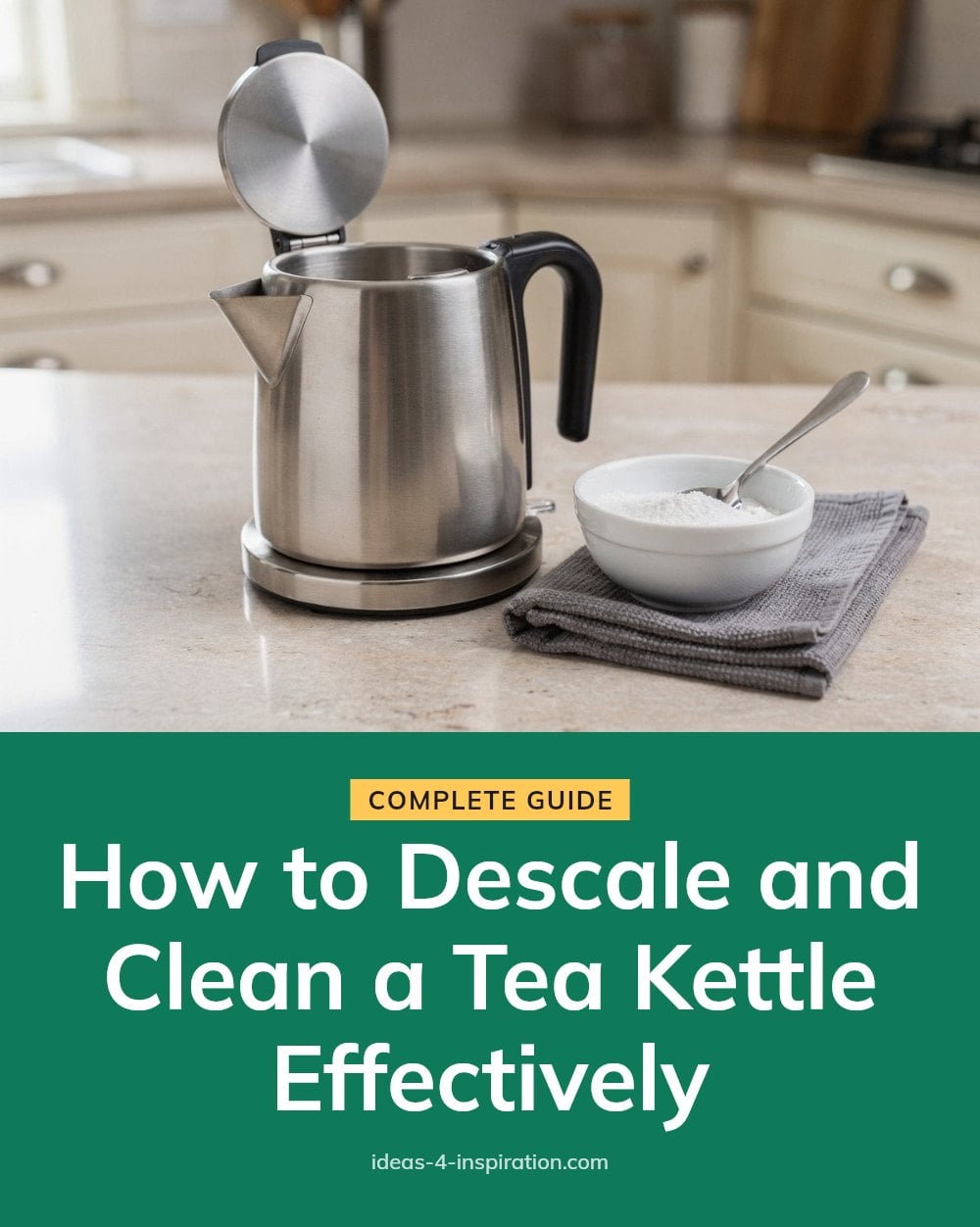
If your kettle takes longer to boil or you spot a chalky film inside, limescale is the likely culprit. It builds up from hard water and can affect both efficiency and taste. The good news: you can tackle it with simple household items like citric acid or white vinegar, no harsh chemicals needed.
This article walks you through a deep-cleaning method with citric acid, plus maintenance tips to keep your kettle running smoothly. I’ll also share common mistakes to avoid and how often to descale based on your water type.
Key Takeaways
- Descale monthly in hard water areas, or every 2-3 months if your water is soft.
- Use food-grade citric acid: 2 tablespoons per full kettle of water for deep cleaning.
- After descaling, rinse and boil fresh water twice to remove any residue.
- Never submerge an electric kettle or let water touch electrical components.
- For light buildup, boil 1 cup of white vinegar as a quick maintenance fix.
Why Descaling Your Kettle Is Essential
Descaling your tea kettle is crucial for keeping it efficient and making sure your hot beverages taste their best. Over time, mineral deposits from hard water accumulate inside, slowing down boiling and potentially affecting water quality. Regular cleaning, especially with natural acids like citric acid or vinegar, easily removes this buildup and extends your kettle’s life. My tip: make descaling part of your monthly routine, especially if you have hard water.
Understanding Limescale Buildup in Kettles
Limescale is a hard, chalky deposit made mostly of calcium carbonate. It forms when hard water, which contains dissolved minerals, is heated in your kettle. As the water boils, those minerals precipitate out and stick to the heating element and walls.
Why it matters
- Efficiency loss: A layer of limescale insulates the heating element, so your kettle uses more energy and takes longer to boil water.
- Affects taste: The minerals can give your tea or coffee an off, chalky flavor.
- Potential damage: Over time, thick buildup can overheat and damage the kettle, shortening its lifespan.
Understanding this helps you see why regular descaling isn’t just about looks, it’s about performance.
Materials for a Sparkling Clean Kettle
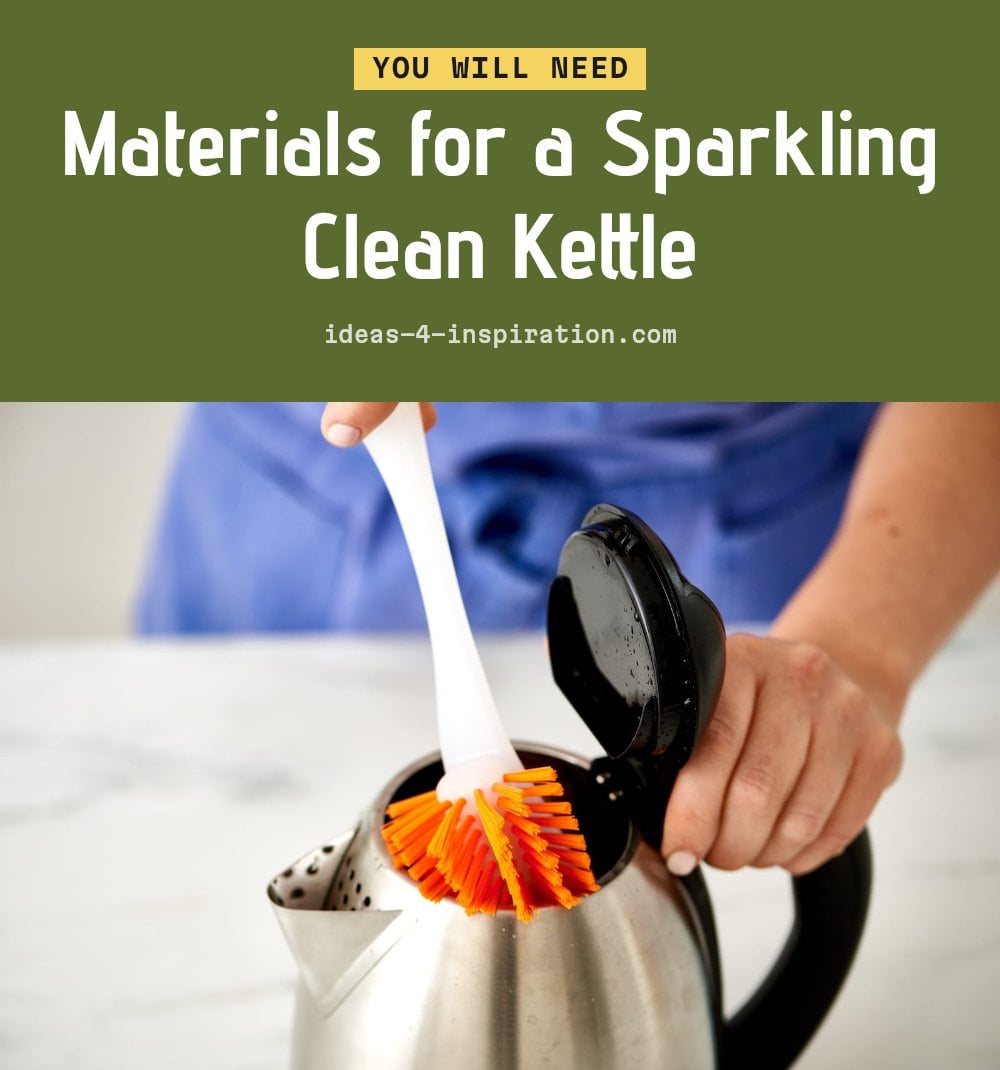
Before you start, gather everything you need:
- Food-grade citric acid powder: The star of the show, ensuring a non-toxic clean.
- Cold water: For filling the kettle and rinsing.
- Heat-safe container: For mixing solutions or holding hot water.
- Small heat-safe dish: For dipping your sponge into citric acid.
- Clean sponge or soft brush: To scrub away exterior stains.
- Gloves: To protect your hands while cleaning.
- Toothpick: For those tricky grooves and edges.
- Clean, damp cloth: For wiping down the exterior.
Step-by-Step: Deep Cleaning Your Kettle with Citric Acid
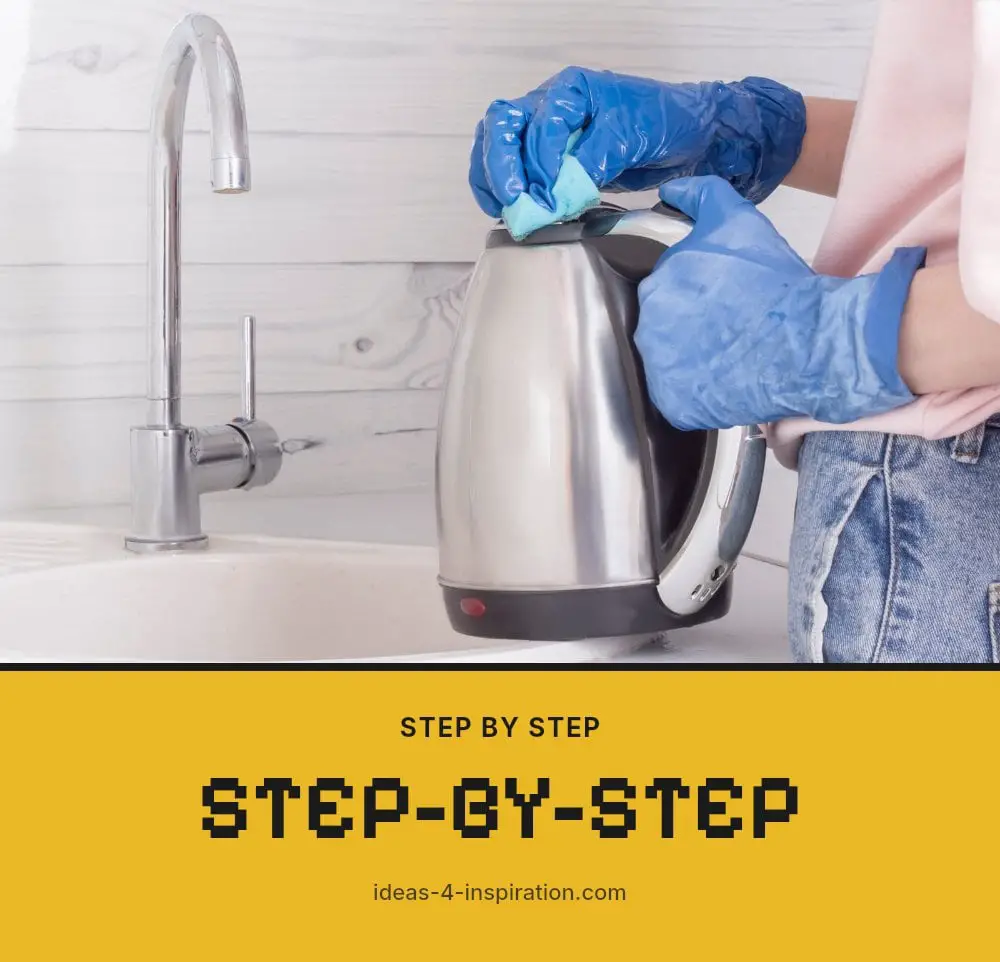
Follow this method for a deep clean using citric acid. It’s safe, effective, and leaves your kettle sparkling.
- Fill the kettle: Fill it to its maximum capacity with cold water, for example 1.7 liters.
- Add citric acid: Add 2 tablespoons of food-grade citric acid powder to the water.
- Boil the solution: Close the lid and run a full boil cycle, which takes about 5 minutes.
- Unplug and prep: Unplug the kettle before cleaning the exterior. In a heat-safe container, add about 1/4 cup of hot water (use the boiled citric acid solution or fresh boiled water). In a separate small dish, add 3/4 teaspoon of citric acid powder.
- Scrub the exterior: Wearing gloves, dip a clean sponge into the hot water, then press it onto the citric acid powder to pick some up. Scrub the exterior, focusing on hard water stains. Do not submerge the kettle.
- Detail with toothpick: Use a toothpick to gently scrape off any remaining buildup around grooves and edges. If stubborn, reapply citric acid with the sponge and scrub again before scraping.
- Wipe down: Wipe the exterior thoroughly with a clean, damp cloth (washed and squeezed dry in cold tap water) 2-3 times, washing the cloth between each wipe, to remove all citric acid residue.
- Empty and rinse: Pour out the citric acid solution from the interior. Rinse the interior thoroughly a few times, being careful not to submerge the kettle or get water on electrical components.
- Final boils: Fill the kettle to maximum capacity with cold water and run a boil cycle. Repeat this rinse and boil cycle one more time to ensure no citric acid taste remains.
Caution: Never immerse the kettle in water or let water touch electrical parts, as this can cause electric shock.
Prefer to watch? sensitive skin lifestyle walks through the whole method in this 6-minute video. The how-to part starts at 1:47.
Common Kettle Cleaning Mistakes to Avoid
Not descaling often enough: Waiting too long lets limescale harden into a thick layer that takes more effort to remove and slows your kettle down. Failing to rinse adequately: Leftover citric acid or vinegar leaves a sour taste in your next cup. Rinse the interior several times and run two full boil cycles with fresh water. Using abrasive materials: Steel wool or harsh scrubbers scratch the kettle’s interior, creating rough spots where scale grabs hold. Stick to a soft sponge or brush. Confusing general cleaning with descaling: Soap and water wipe away surface grime but do nothing to dissolve calcium carbonate deposits. You need an acid for that. Overfilling the kettle: Boiling a full kettle of descaling solution can cause it to spill out of the spout, creating a safety hazard. Fill only to the maximum line. Neglecting the kettle’s filter: If your kettle has a removable filter at the spout, it collects mineral buildup too. Clean it separately with citric acid or vinegar. Boiling only water and vinegar for heavy buildup: A 1:1 vinegar-and-water boil works for light rings, but for thick, crusty limescale you need a stronger solution like citric acid powder or a longer soak.
Pro Tips for Kettle Maintenance and Longevity
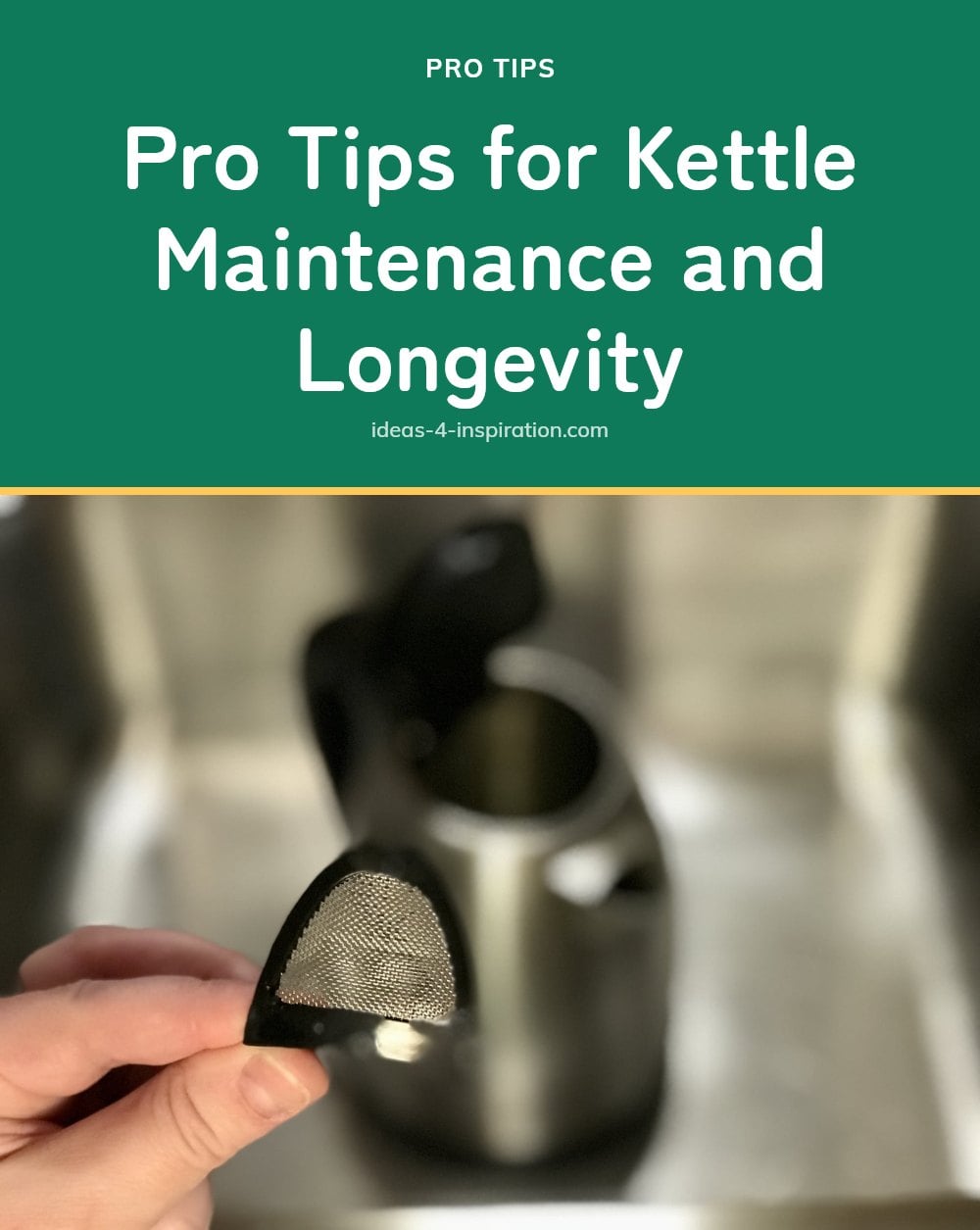
Choose quality citric acid: I always recommend food-grade citric acid from a country with strict food safety regulations since it goes inside your kettle. Regular maintenance for light buildup: For everyday upkeep, boil 1 cup of white vinegar to remove light deposits from the heating plate as they appear. Read your manual: Always check your kettle’s manual before trying any new cleaning method. Some manufacturers have specific recommendations or warnings. Empty after each use: Pouring out leftover water after each use reduces the minerals that settle and harden, especially if you have hard water. Don’t ignore the filter: If your kettle has a removable filter at the spout, clean it regularly with a quick soak in citric acid or vinegar to prevent mineral buildup there too.
Preventing Future Limescale Buildup
Empty your kettle after every use: Leaving water inside lets minerals settle and accumulate as it cools. Pour it out completely. Use filtered water: If you live in a hard water area, using filtered water significantly reduces the mineral content, slowing limescale formation. Regular quick rinses: A brief rinse after each use dislodges loose minerals before they harden into scale. Address light buildup promptly: Don’t wait for heavy limescale. Tackle light mineral rings as soon as you notice them with a quick vinegar boil or citric acid rinse.
How Often to Clean and What to Expect
Frequency: Descale your kettle monthly if you live in a hard water area, or every 2-3 months if your water is soft. Time commitment: The whole process, including soaking, scrubbing, and rinsing, takes 30 to 90 minutes. Cost: Natural descalers like citric acid, vinegar, or lemon juice cost just a few cents per cleaning, making it an inexpensive routine.
Frequently Asked Questions
Can I use baking soda to descale my kettle?
No, baking soda is not effective for descaling. It’s a mild abrasive that can help with general cleaning or stubborn stains, but it won’t dissolve the calcium carbonate that makes up limescale. For descaling, stick with acids like citric acid or white vinegar.
What if my kettle still tastes like vinegar after cleaning?
If you used vinegar and the taste lingers, rinse the kettle thoroughly and boil fresh water a few times. You can also add a slice of lemon to the water during the boil to help neutralize odors. Repeat until the taste is gone.
Is it safe to use commercial descalers?
Yes, commercial descalers are safe if you follow the instructions carefully. Make sure to ventilate the area and wear gloves if recommended. Always rinse the kettle thoroughly afterward and boil fresh water a few times before using it for drinking water.
Can I use baking soda to clean my kettle?
Yes, baking soda is great for general cleaning. You can make a paste with water and use it to scrub the exterior or remove stains inside. Just don’t rely on it for descaling; it won’t remove limescale. Rinse well after use.
Final Thoughts
My tip: make descaling a habit tied to your calendar, like the first of every month if you have hard water. The whole process takes 30 to 90 minutes, but most of that is soaking time, so you can do other things while it works. You’ll notice faster boiling and better-tasting water after just one deep clean.
Don’t wait until the scale is thick and stubborn. A regular quick descale with vinegar or citric acid keeps your kettle efficient and extends its life. If you stay on top of it, you’ll rarely need to scrub hard.
This information is for general educational purposes only and is not a substitute for professional advice. Always follow your kettle manufacturer’s instructions. If you have persistent issues with your kettle or health concerns related to water quality, consult a professional.