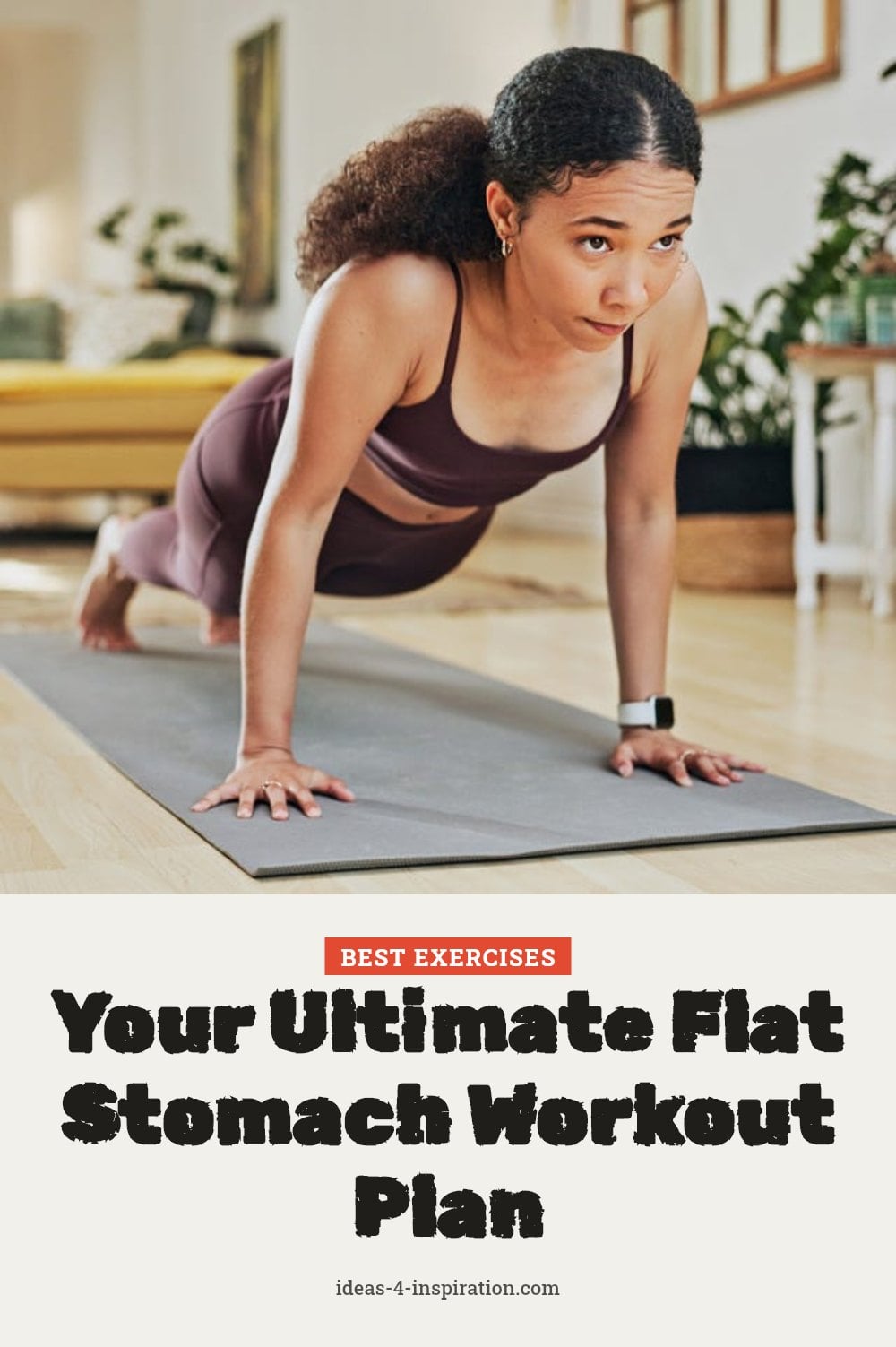
You’ve probably heard that endless crunches are the secret to a flat stomach, but the truth is a bit more nuanced. A strong core comes from a mix of targeted exercises, a balanced diet, and regular cardio, and no single move can spot-reduce belly fat. This article covers eight effective exercises to strengthen your abdominal muscles, plus the key habits that support visible results.
Whether you’re aiming for better posture, more core stability, or a leaner midsection, these moves target all the major muscle groups. My tip: pair them with a calorie deficit and consistent cardio for the best outcome.
Key Takeaways
- Focus on exercises that target the rectus abdominis, obliques, and transverse abdominis.
- Combine core work with regular cardio and a balanced diet for overall fat loss.
- Prioritize proper form over speed to prevent injury and maximize muscle engagement.
- Allow at least 48 hours of rest between intense core workouts for recovery.
- Expect noticeable changes after several weeks of consistent effort, not overnight.
Achieving a Flat Stomach: The Real Deal
A truly flat stomach isn’t about endless crunches alone. It comes from a combination of targeted core exercises, a balanced diet that creates a calorie deficit, and consistent cardiovascular activity. While specific exercises strengthen your abdominal muscles, they don’t directly burn fat from your stomach; fat loss is systemic and happens across your entire body. For the best results, focus on engaging all core muscles, including the deep transverse abdominis, not just the surface muscles. This holistic approach is what really changes your midsection.
1. Plank for Full Core Engagement
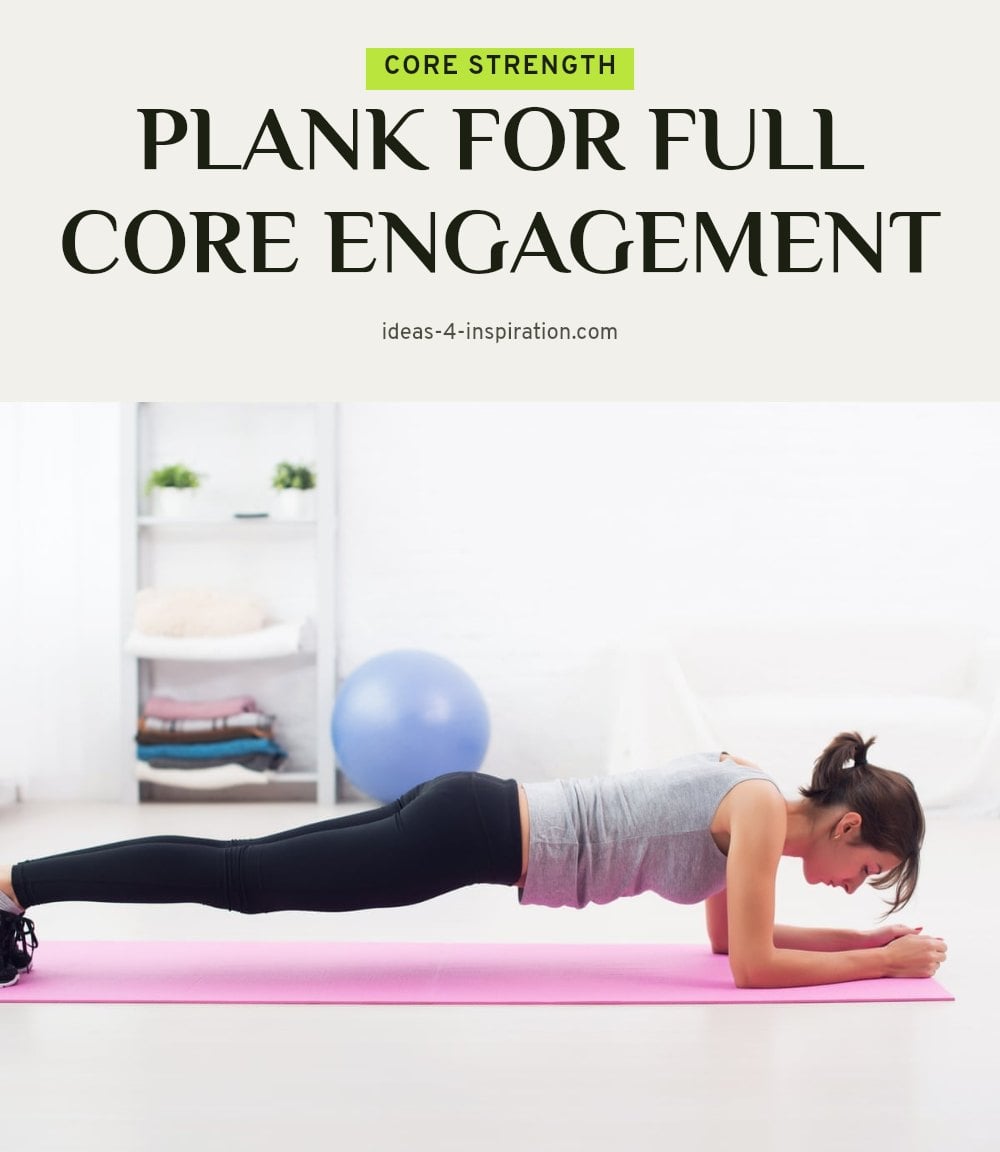
The plank is a powerhouse for engaging your entire core, including the transverse abdominis, rectus abdominis, and obliques. Hold a straight line from head to heels, keeping your hips from sagging or rising too high.
My tip: Start with 30-second holds and gradually increase as your strength improves. Proper form is more important than duration.
2. Bicycle Crunches for Obliques

Bicycle crunches target both your rectus abdominis and obliques, giving you that sculpted side definition. Lie on your back, hands behind your head, and bring opposite elbow to knee while extending the other leg.
Focus on controlled movements rather than speed to maximize muscle engagement. Rushing through reps reduces effectiveness and can strain your neck.
3. Leg Raises for Lower Abs
Leg raises strengthen the often-neglected lower abdominal muscles. Lie on your back, hands under your glutes for support, and slowly raise and lower your legs without letting them touch the floor.
My tip: Keep your lower back pressed into the mat to prevent strain. If you feel your back arching, reduce your range of motion.
4. Russian Twists for Rotational Strength
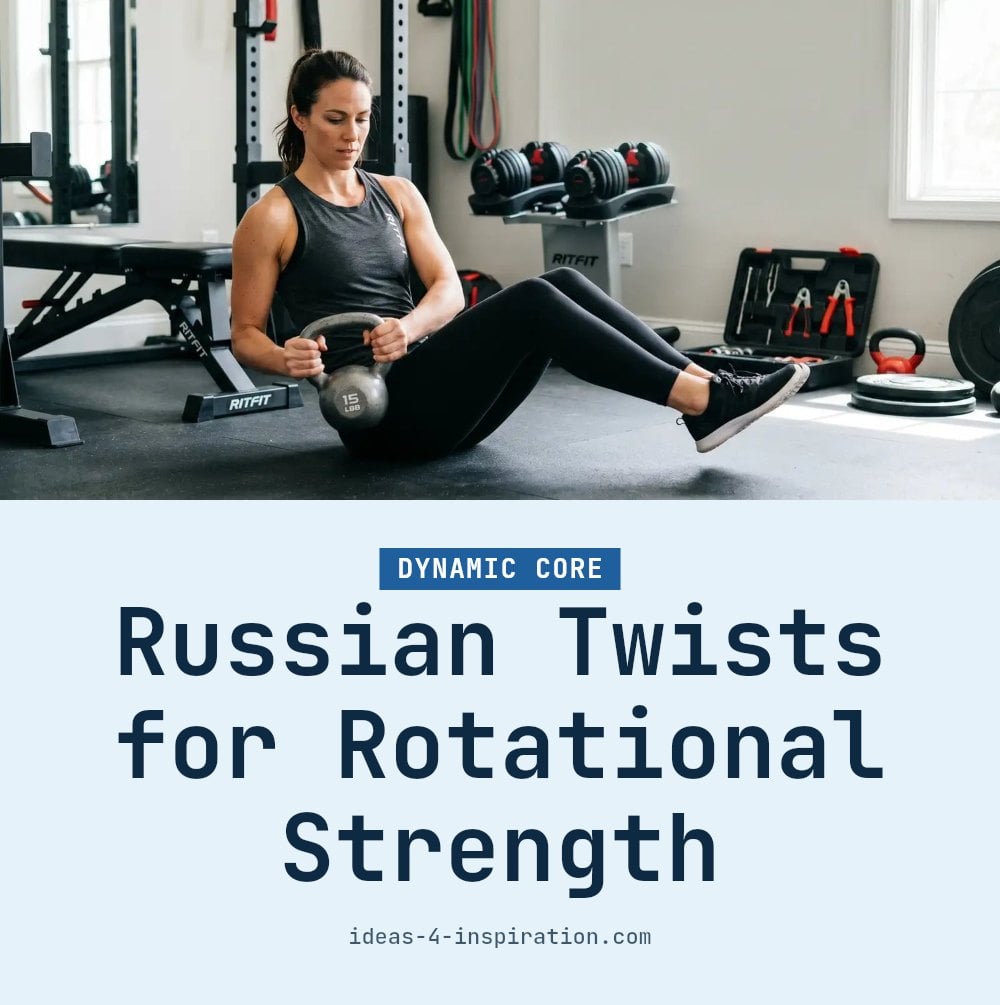
This dynamic move builds oblique strength and improves rotational core stability, which matters for twisting motions you use every day, from reaching into the back seat to swinging a bag onto your shoulder.
Sit on the floor, lean back slightly with bent knees, and twist your torso from side to side, touching the floor beside you. Hold a light weight or medicine ball for added challenge, but proper form is key: keep your chest lifted and rotate from the ribs, not just the arms.
- Caution: Skip the added weight if your lower back rounds or aches during the twist.
5. Mountain Climbers for Cardio Core
This move gives you a full-body workout that significantly engages your core while also providing cardiovascular benefits, so it counts as both strength and cardio in one.
Start in a high plank position and rapidly bring one knee toward your chest, then switch legs as if running in place. Keep your hips stable and avoid letting them bounce too much to maintain core engagement.
- Good to know: If bouncing hips make your lower back dip, slow the pace until you can hold a steady plank line between switches.
6. Reverse Crunches for Deep Lower Abs
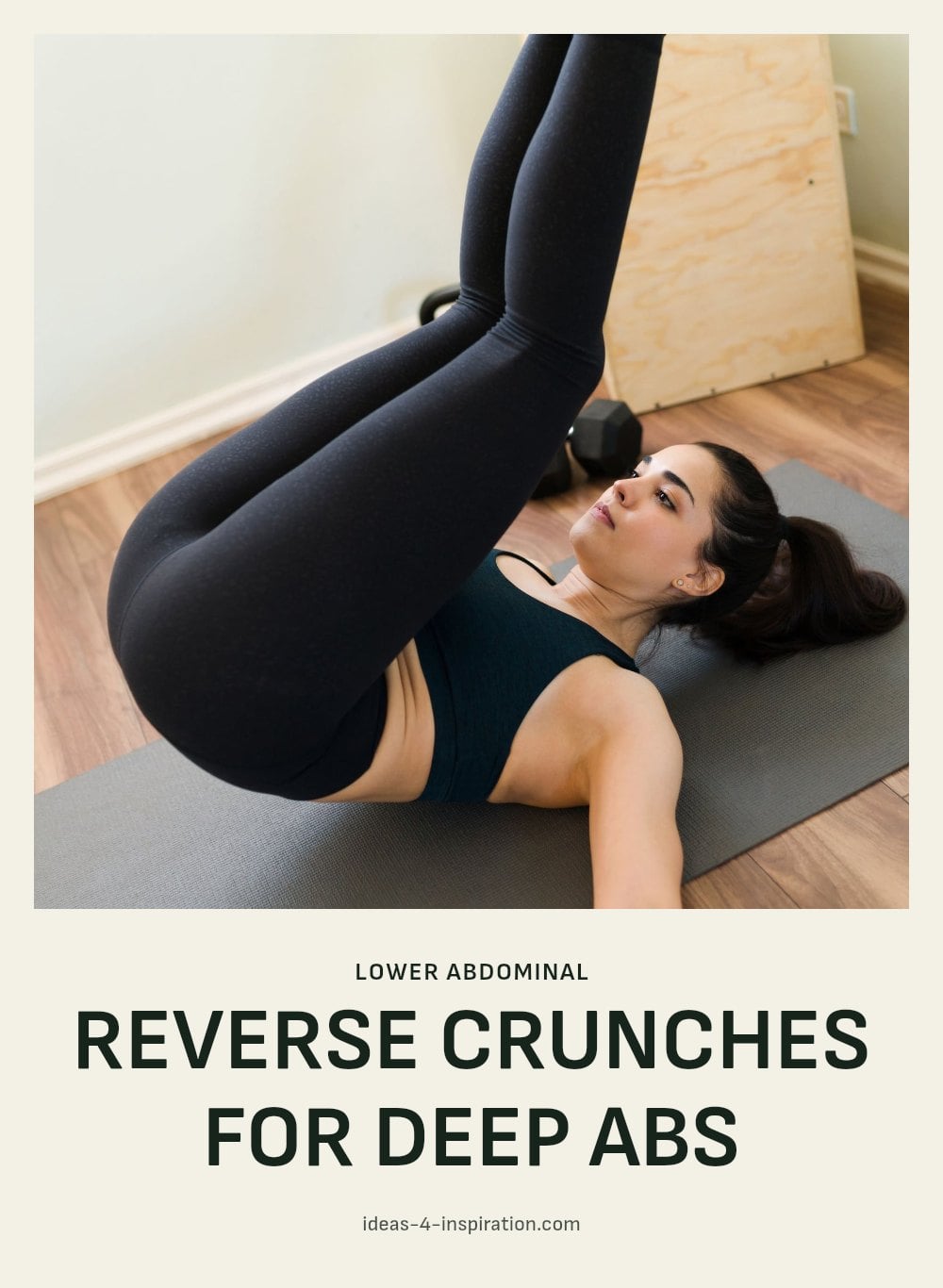
Reverse crunches specifically target the lower abdominal region, strengthening the muscles that pull your pelvis upward. That makes them a useful counterweight to moves that mostly hit the upper abs.
Lie on your back with knees bent and lift your hips off the floor, bringing your knees toward your chest. Control the movement on the way down to prevent momentum from taking over, since a slow lower keeps the tension on the muscles instead of letting gravity do the work.
7. Bird-Dog for Stability and Back Health
This exercise is excellent for improving core stability and balance while strengthening the deep core muscles, and it does it without loading your lower back the way some floor moves can.
Start on all fours, then extend one arm forward and the opposite leg backward, keeping your core tight and hips level. Pause briefly at full extension, then return with control and switch sides.
- Tip: Move slowly and deliberately to maintain balance and maximize muscle activation. If your hips tilt when the leg lifts, raise it only as high as you can keep them square.
8. Dead Bug for Core Control
This move builds core control and stability without putting strain on your lower back, which makes it a good pick on days when your back feels tired or you want a slower, more deliberate drill.
- Set up: Lie on your back with arms extended toward the ceiling and knees bent at 90 degrees.
- Lower slowly: Extend one arm and the opposite leg toward the floor without letting your lower back arch.
- Stay braced: Imagine pressing your lower back into the mat the whole time, then return and switch sides.
The slowness is the point. If your back lifts off the mat, shorten the range of the arm and leg instead of pushing through it.
Common Mistakes to Avoid in Your Workout
Most stalled results come down to a handful of habits rather than the wrong exercise list. Watch for these before you add another move.
- Believing in spot reduction: You can’t target fat loss from your stomach alone. Fat comes off systemically, so diet and cardio drive the change while core work builds the muscle underneath.
- Neglecting diet and overall calorie intake: Core exercises strengthen muscles, but a calorie deficit is what reveals them.
- Focusing only on six-pack muscles: The rectus abdominis gets the attention, but your transverse abdominis and obliques are what make a core truly strong and flat.
- Using improper form: Poor form can lead to injury and less effective workouts. Quality over quantity, every time.
- Not allowing for muscle recovery: Muscles repair and grow on rest days. Aim for 2-3 core workouts per week with rest days in between.
Caution: Stop immediately if you feel sharp pain, and check with a doctor before starting if you have back pain, joint issues, or are pregnant.
Frequently Asked Questions
How often should I do flat stomach workouts?
For best results, aim for core-strengthening exercises two to three times per week, with at least 48 hours of rest between sessions. This allows your muscles to recover and grow stronger. Overtraining can lead to fatigue and poor form, which may reduce effectiveness and increase injury risk.
Can diet alone give me a flat stomach?
A balanced diet is essential for reducing overall body fat, including around the midsection, but it works best when paired with regular exercise. Diet alone can help you lose weight, but core exercises strengthen the underlying muscles, which improves tone and posture. For a truly flat stomach, combine both approaches.
What is the most effective exercise for lower belly fat?
No single exercise can target lower belly fat specifically because spot reduction isn’t possible. However, moves like leg raises and reverse crunches strengthen the lower abdominal muscles, which can help improve definition once overall body fat decreases. Focus on full-body fat loss through diet and cardio.
Do waist trainers help achieve a flat stomach?
Waist trainers may temporarily compress your midsection, but they don’t strengthen your core or reduce fat. Relying on them can even weaken your abdominal muscles over time. For a lasting flat stomach, stick with core exercises, a healthy diet, and consistent cardio instead.
How long does it take to see results from a flat stomach workout?
With consistent effort, including core exercises, a calorie deficit, and regular cardio, you may notice changes in your midsection within four to eight weeks. Results vary based on your starting point, genetics, and how strictly you follow your routine. Patience and consistency are key.
Final Thoughts
For a flatter stomach, choose a routine that includes a mix of plank variations, bicycle crunches, leg raises, and stability moves like bird-dog and dead bug. Realistic expectation: with consistent effort, proper diet, and cardio, you may start seeing changes in four to eight weeks. Stick with it, and your core will get stronger and more defined over time.
This article is for general informational purposes only and does not constitute medical or professional advice. Always consult a healthcare professional or certified trainer before starting a new exercise regimen, especially if you have underlying health conditions or injuries. Individual results may vary.