
You’ve probably heard that gut health is the foundation of overall wellness, but figuring out exactly what to eat can feel overwhelming. The truth is, a healthy gut microbiome thrives on a diverse diet rich in fiber, fermented foods, and plenty of plants. This article breaks down 24 of the best foods to support your digestive system, from probiotic-packed yogurt to prebiotic-rich garlic, plus common mistakes to avoid.
Key Takeaways
- Eat a wide variety of plant-based foods to promote a diverse gut microbiome.
- Include fermented foods like yogurt, kefir, and kimchi for live probiotics.
- Prioritize prebiotic fiber from foods like garlic, onions, oats, and bananas.
- Stay hydrated with plenty of water to help fiber do its job.
- Manage stress and get regular physical activity for optimal gut health.
What Foods Are Best for Gut Health?
The best foods for gut health fall into two groups: fiber-rich prebiotics that feed beneficial bacteria, and fermented probiotics that add live microbes. You want both, plus as much plant variety as you can handle. Fermented options like plain yogurt and kimchi deliver live cultures, while whole grains, legumes, fruits, and vegetables supply the fiber your microbes ferment into short-chain fatty acids. That combination supports digestion, immune function, and a more diverse microbiome. Diversity matters more than any single food, so rotate your choices instead of eating the same thing daily.
1. Plain Yogurt

Plain, unsweetened yogurt is one of the simplest probiotic foods to work into your day. The live bacteria can help replenish your gut, but only if they are actually there, so check the label for “live and active cultures” before you buy. Flavored tubs often add sugar that offsets the benefit.
My tip: buy plain and sweeten it yourself with fresh fruit or a spoon of berries. You control the sugar and still get the cultures.
2. Kefir

This fermented milk drink often carries a wider variety of probiotic strains than yogurt, which makes it a useful swap if you want more diversity in one glass. The fermentation process also breaks down much of the lactose, so many people who are sensitive to milk find kefir easier to tolerate. Start with a small pour and build up.
3. Sauerkraut
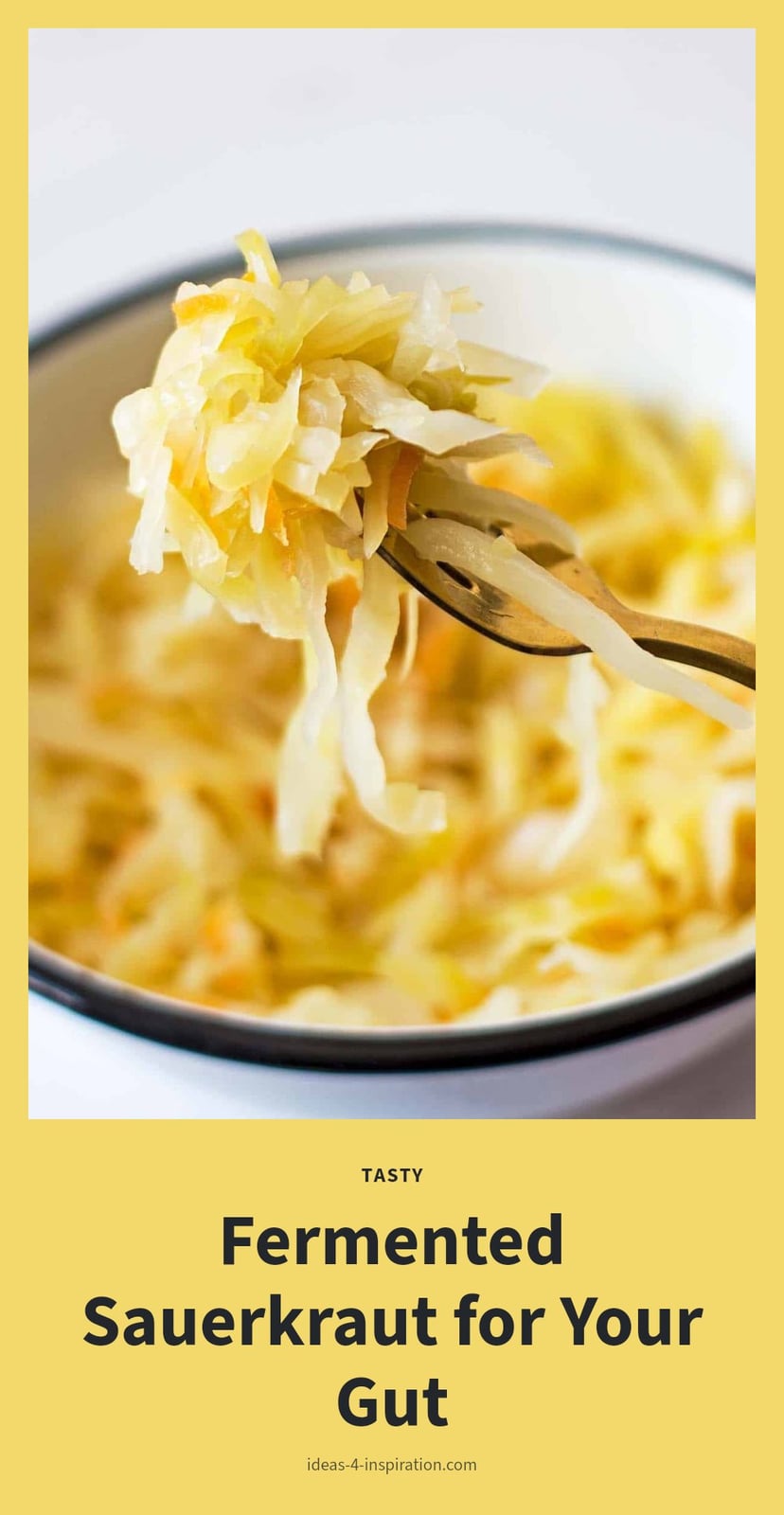
Fermented cabbage delivers probiotics and fiber in one crunchy spoonful, making it a simple addition to sandwiches, bowls, or eggs. The key is choosing the right type: pasteurization kills the live cultures, so shelf-stable jars in the middle aisle won’t benefit your gut.
My tip: look for unpasteurized sauerkraut in the refrigerated section and keep it cold at home. Check the label for “live cultures” or “raw” to confirm the probiotics are intact.
4. Kimchi

Kimchi brings heat and tang to your plate while delivering a dense dose of probiotics, vitamins, and minerals. The fermentation that gives it that signature kick also creates beneficial bacteria that can supplement your gut microbiome. Look for unpasteurized kimchi in the refrigerated section to keep those live cultures intact.
5. Tempeh
Tempeh is a fermented soybean cake that packs probiotics, protein, and fiber into one firm block. Its dense, nutty texture holds up well in stir-fries, crumbles into tacos, or bakes alongside vegetables. The fermentation also makes it easier to digest than unfermented soy products.
6. Miso
Miso transforms soups, dressings, and marinades with its deep umami flavor while delivering live probiotics from fermented soybeans. To keep those beneficial bacteria alive, stir miso into dishes only after you remove them from the heat. Boiling miso kills the very microbes you want.
7. Garlic
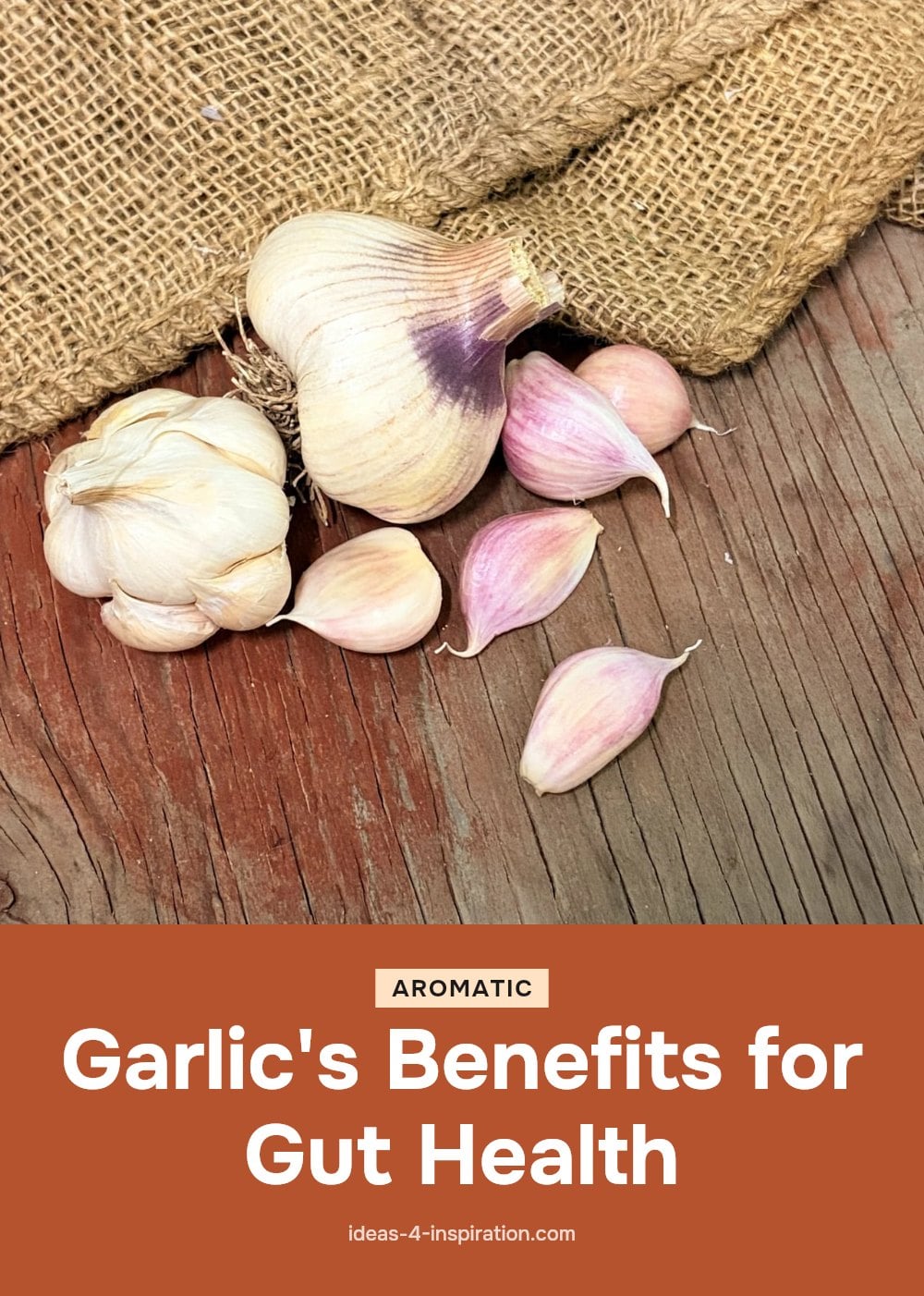
Garlic works as a prebiotic, meaning it feeds the good bacteria already living in your gut rather than adding new ones. It contains inulin and fructooligosaccharides (FOS), two types of fiber that specifically stimulate the growth of healthy microbes. Chop or crush garlic and let it sit for 10 minutes before cooking to activate its beneficial compounds.
8. Onions
Onions, like garlic, are rich in prebiotic fibers such as inulin and FOS that feed your beneficial gut bacteria. They also contain antioxidants, particularly quercetin, which can help reduce inflammation throughout your body, including your digestive tract. Toss them into salads, soups, or stir-fries for an easy gut boost.
9. Leeks
Leeks are a milder relative of onions and garlic, making them an easy way to add prebiotics without an overpowering taste. Their gentle flavor works well in soups, stir-fries, or simply sautéed as a side dish while still nourishing your gut microbiome. Use them wherever you might use onions for a subtle twist.
10. Asparagus
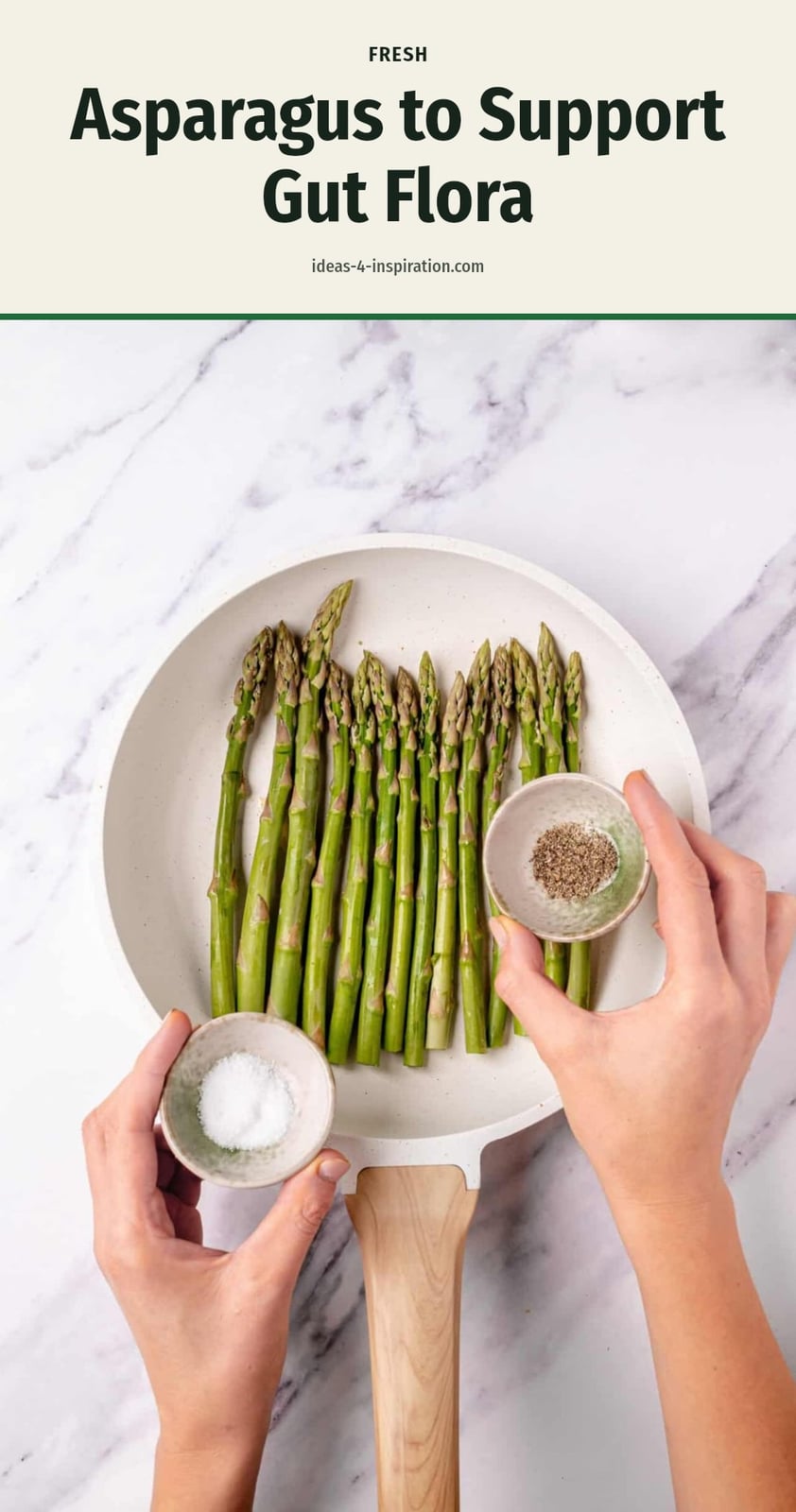
Asparagus is a top source of inulin, a prebiotic fiber that specifically encourages the growth of bifidobacteria, a key beneficial gut bacterium. Roast, steam, or grill it for a quick side dish that supports your microbiome. The fiber also promotes regularity, making it a practical choice for digestive health.
11. Bananas

Slightly green bananas are a standout source of resistant starch, a type of prebiotic fiber that bypasses digestion in the small intestine. It reaches your large intestine intact, where your gut bacteria ferment it into short-chain fatty acids that support gut barrier health. As bananas ripen and turn yellow, the resistant starch converts to sugar, so go for the greener ones for the most gut benefit. Add them to smoothies or eat them plain.
12. Oats
Whole grain oats are one of the best sources of beta-glucan, a soluble fiber that acts as a powerful prebiotic. Your gut bacteria ferment beta-glucan to produce short-chain fatty acids that support the gut lining and immune function. Starting your day with a bowl of oatmeal gives you a steady release of prebiotics that can also help lower cholesterol levels.
13. Legumes (Beans & Lentils)

Beans and lentils deliver both soluble and insoluble fiber, which makes them a rare double hitter for gut health. Soluble fiber feeds your beneficial bacteria, while insoluble fiber keeps things moving through your digestive tract. They are also packed with plant protein, so they count as a staple food, not just a side.
- Tip: Start with a quarter-cup serving if you are not used to legumes. Their fiber content can cause gas if you ramp up too quickly.
- Rinse canned beans well before cooking to reduce the compounds that cause bloating.
- Lentils cook faster than dried beans and need no soaking, making them the easiest entry point.
14. Berries
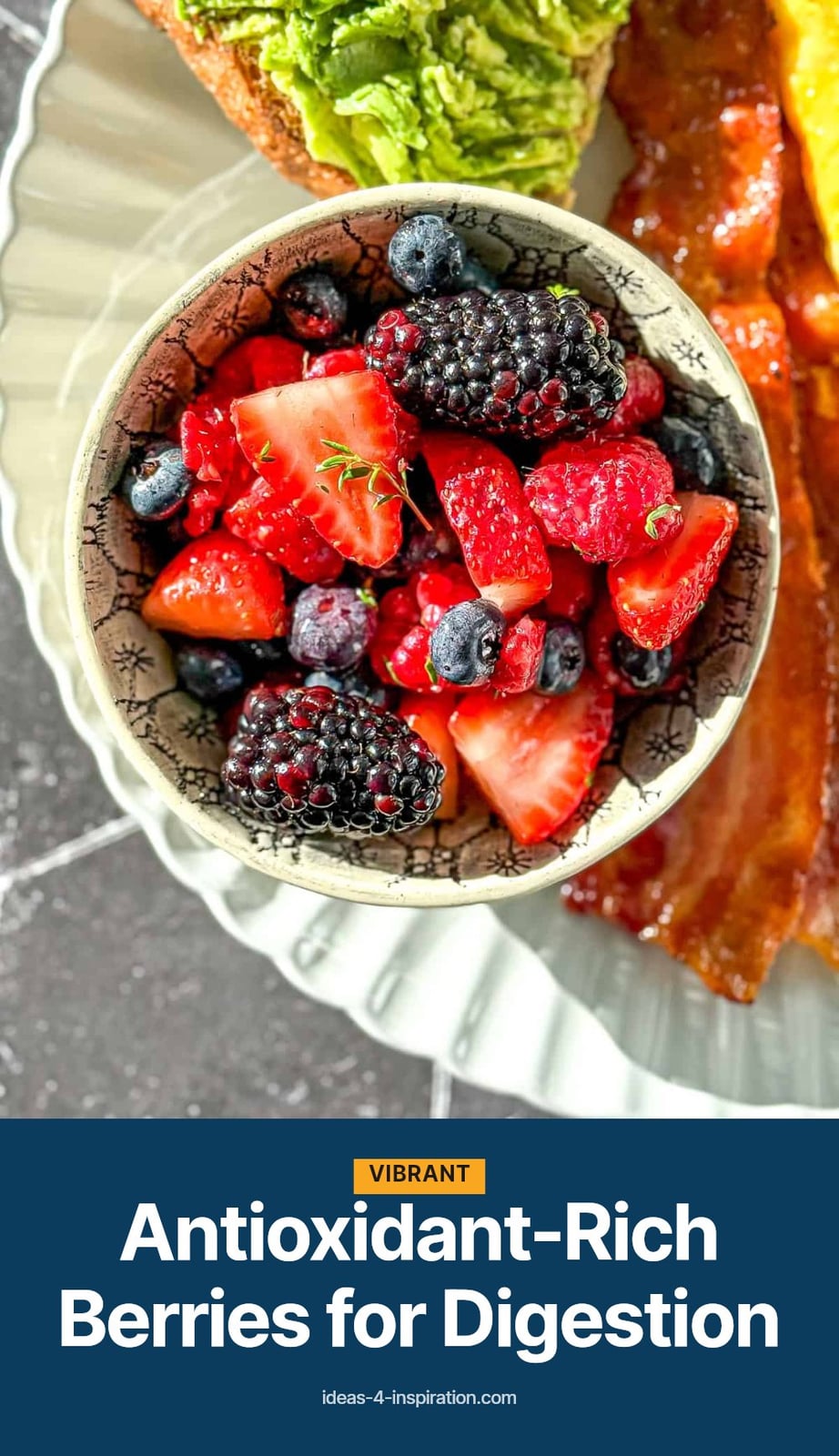
Berries like blueberries, raspberries, and strawberries deliver a double gut benefit: fiber for feeding beneficial bacteria and polyphenols that positively influence the microbiome. Those polyphenols also act as antioxidants that can help reduce inflammation in the gut lining.
Tip: Toss a handful into oatmeal, yogurt, or a green salad. Frozen berries work just as well since they are picked at peak ripeness and retain their fiber and polyphenol content.
15. Leafy Greens

Spinach, kale, and other leafy greens are packed with fiber, vitamins, and minerals that support your gut. They also contain unique sugars that beneficial gut bacteria love to eat. Toss a handful into smoothies, salads, or sauté them as a side to get these prebiotic compounds working for your microbiome.
16. Broccoli and Cauliflower
Broccoli and cauliflower are cruciferous vegetables packed with fiber and glucosinolates, compounds that support your body’s natural detoxification processes and feed beneficial gut bacteria. Roast them with olive oil or steam them for a simple side dish.
Caution: These veggies can cause gas and bloating if you are not used to them. Start with small portions, such as half a cup, and increase gradually to let your digestive system adjust.
17. Apples
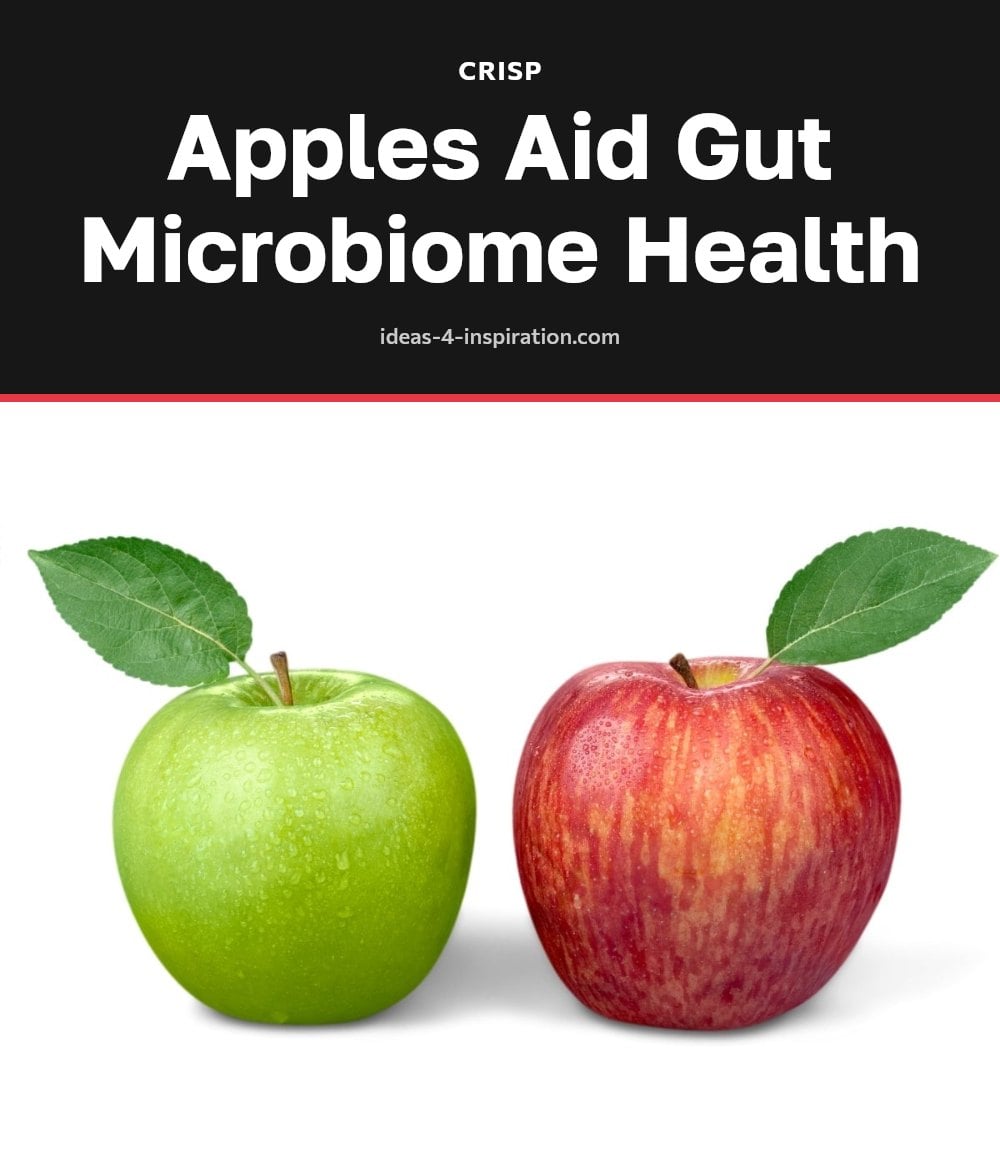
Apples are one of the best sources of pectin, a soluble fiber that acts as a prebiotic. When pectin reaches your colon, your gut bacteria ferment it to produce short-chain fatty acids that strengthen the gut barrier and support immune function. Eat the skin, because that is where most of the fiber lives. A medium apple with skin provides about 4-5 grams of fiber, making it a convenient snack that actively feeds your microbiome.
18. Flaxseeds
Flaxseeds pack soluble and insoluble fiber plus omega-3 fatty acids into a tiny seed, making them a triple gut health booster. The fiber feeds your beneficial bacteria, while the omega-3s help lower inflammation. Good to know: grind flaxseeds before eating, as whole seeds can pass through undigested. Stir ground flax into smoothies, oatmeal, or baked goods for an easy fiber lift.
19. Chia Seeds
Chia seeds swell into a gel in your digestive tract, which slows digestion and helps you feel full while feeding your beneficial bacteria. That gel is formed by soluble fiber that acts as a prebiotic. They are also one of the best plant sources of omega-3 fatty acids.
Pro move: Grind chia seeds or soak them before eating so your body can absorb the nutrients more easily. Stir a tablespoon into yogurt, oatmeal, or smoothies, or use them as an egg substitute in baking by mixing 1 tablespoon of seeds with 3 tablespoons of water.
20. Extra Virgin Olive Oil
Extra virgin olive oil delivers polyphenols and monounsaturated fats that can reduce inflammation and support a balanced gut microbiome. The anti-inflammatory effects create an environment where beneficial bacteria can thrive. Tip: Choose cold-pressed, high-quality EVOO for the most polyphenols, and use it raw on salads or drizzled over cooked vegetables.
21. Fatty Fish (Salmon, Mackerel)
Fatty fish like salmon and mackerel are rich in omega-3 fatty acids, which help lower inflammation throughout your body, including the gut. A less inflamed gut environment supports a more diverse and resilient microbiome. Aim for two servings per week, grilled, baked, or poached.
22. Green Tea
Green tea is packed with polyphenols called catechins, which can encourage the growth of beneficial gut bacteria. Its antioxidant properties also help protect the cells lining your digestive tract. Good to know: Steep for 2-3 minutes and drink it unsweetened to get the most benefit without added sugar.
23. Dark Chocolate
Dark chocolate with 70% cocoa or higher contains polyphenols that your gut bacteria ferment into beneficial compounds. This can support a healthy microbiome while satisfying a sweet craving. Keep in mind: Stick to one or two small squares per serving, since it still contains sugar and calories.
24. Water
Water is not a food, but it is absolutely crucial for gut health. It helps move food through your digestive system, prevents constipation, and supports the overall function of your gut. Without enough water, fiber cannot do its job effectively, leading to sluggish digestion. Aim for consistent hydration throughout the day rather than chugging large amounts at once.
Common Gut Health Mistakes to Avoid
Not eating enough fiber: Many people load up on probiotics but forget that beneficial bacteria need prebiotic fiber to thrive. Make sure your plate is full of diverse plant foods every day.
Over-relying on supplements: Probiotic pills can be helpful, but they should not replace whole, gut-friendly foods. Think of food first and use supplements as a backup.
Ignoring stress and sleep: Your gut is deeply connected to your brain. Chronic stress and poor sleep can negatively alter your microbiome, so prioritize relaxation and rest.
Expecting overnight results: Improving gut health is a gradual process. Consistency with diet and lifestyle habits is key, and it can take weeks or months to see meaningful shifts.
Making drastic changes too quickly: Introducing lots of new fiber or fermented foods at once can cause bloating and discomfort. Go slow and let your gut adjust gradually.
Frequently Asked Questions
How quickly can I improve my gut health with diet?
Some improvements, like reduced bloating, can happen within days to weeks of consistent dietary changes. However, lasting shifts in your gut microbiome typically take several weeks to months. The key is consistency, not perfection.
Can stress really affect my gut microbiome?
Yes, stress can alter the composition and function of your gut microbiome. The gut-brain connection means that emotional stress can impact digestion and bacterial balance. Managing stress through practices like meditation, yoga, or adequate sleep can support your gut health.
Are all fermented foods good for gut health?
Many fermented foods contain probiotics, but not all are created equal. Pasteurized versions (like shelf-stable sauerkraut) have had the live cultures killed. Also, some people may react to histamine in fermented foods. Look for unpasteurized, refrigerated options to get live bacteria.
What’s the difference between prebiotics and probiotics?
Prebiotics are types of fiber that feed the beneficial bacteria already living in your gut. Probiotics are live bacteria themselves, found in fermented foods, that can supplement your microbiome. You need both for a balanced gut.
Should I take probiotic supplements?
Probiotic supplements can be helpful for some people, but they should not replace a diet rich in prebiotic and probiotic foods. Dietary sources are often preferred for long-term gut health. If you have a compromised immune system or a serious condition, consult a doctor before starting supplements.
Final Thoughts
My tip for a gut-healthy diet: focus on adding, not subtracting. Aim for 30 different plant foods per week across fruits, vegetables, whole grains, legumes, nuts, and seeds. Realistic results take time. You may notice less bloating and more regular digestion within a few weeks, but significant microbiome shifts happen over months of consistent eating. The best approach is one you can stick with long term, so choose foods you actually enjoy.
This article provides general information for educational purposes only and is not a substitute for professional medical advice. If you have persistent digestive issues, a compromised immune system, or any serious health concerns, please consult a doctor or registered dietitian.