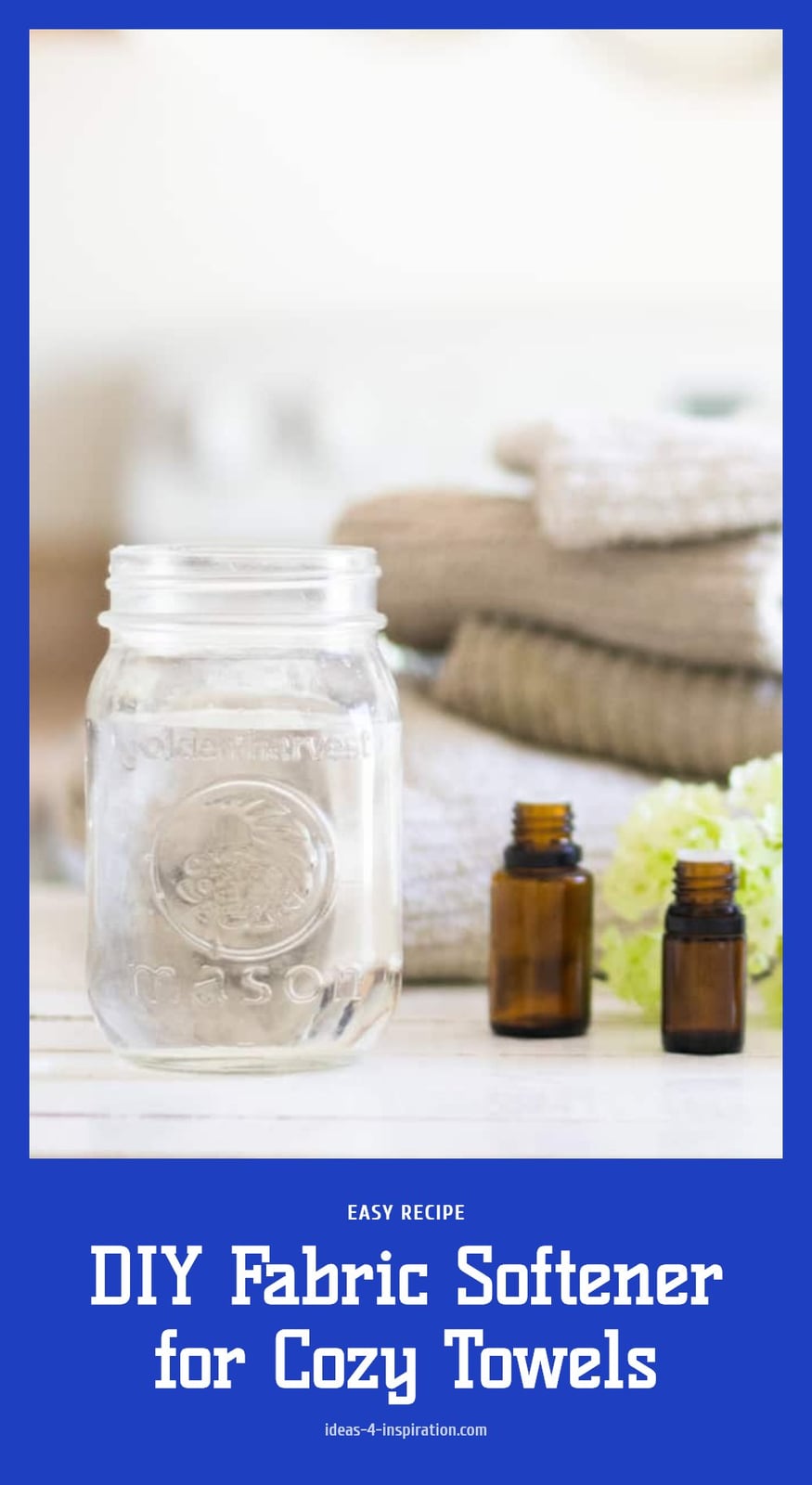
Fabric softener is a laundry staple, but you might be surprised to learn how easy it is to make your own at home or repurpose it for cleaning tasks around the house. Whether you want softer clothes, less static, or a quick fix for stubborn stains, this article covers homemade recipes and clever hacks.
I’ll walk you through simple DIY softener options, the best ways to use commercial products, and a few unexpected cleaning tricks that save time and money.
Key Takeaways
- Use 1 cup white vinegar with 10-20 drops of essential oil as a natural softener.
- Add 1/2 cup baking soda to the wash drum at the start of the cycle.
- Always dilute commercial softener with equal parts water before adding.
- Never use fabric softener on microfiber, towels, or flame-resistant clothing.
- Clean your washing machine monthly with hot water and vinegar.
What is Fabric Softener and Why Use It?
Fabric softener is a laundry additive that coats fibers with a thin, lubricating layer to make clothes feel softer, reduce wrinkles, and minimize static cling. It comes in two main forms: commercial products you buy at the store and homemade solutions you mix yourself, typically with white vinegar or baking soda. Beyond the laundry room, fabric softener is surprisingly useful for household cleaning tasks like removing hard water stains and shining stainless steel.
1. Make Your Own White Vinegar Softener
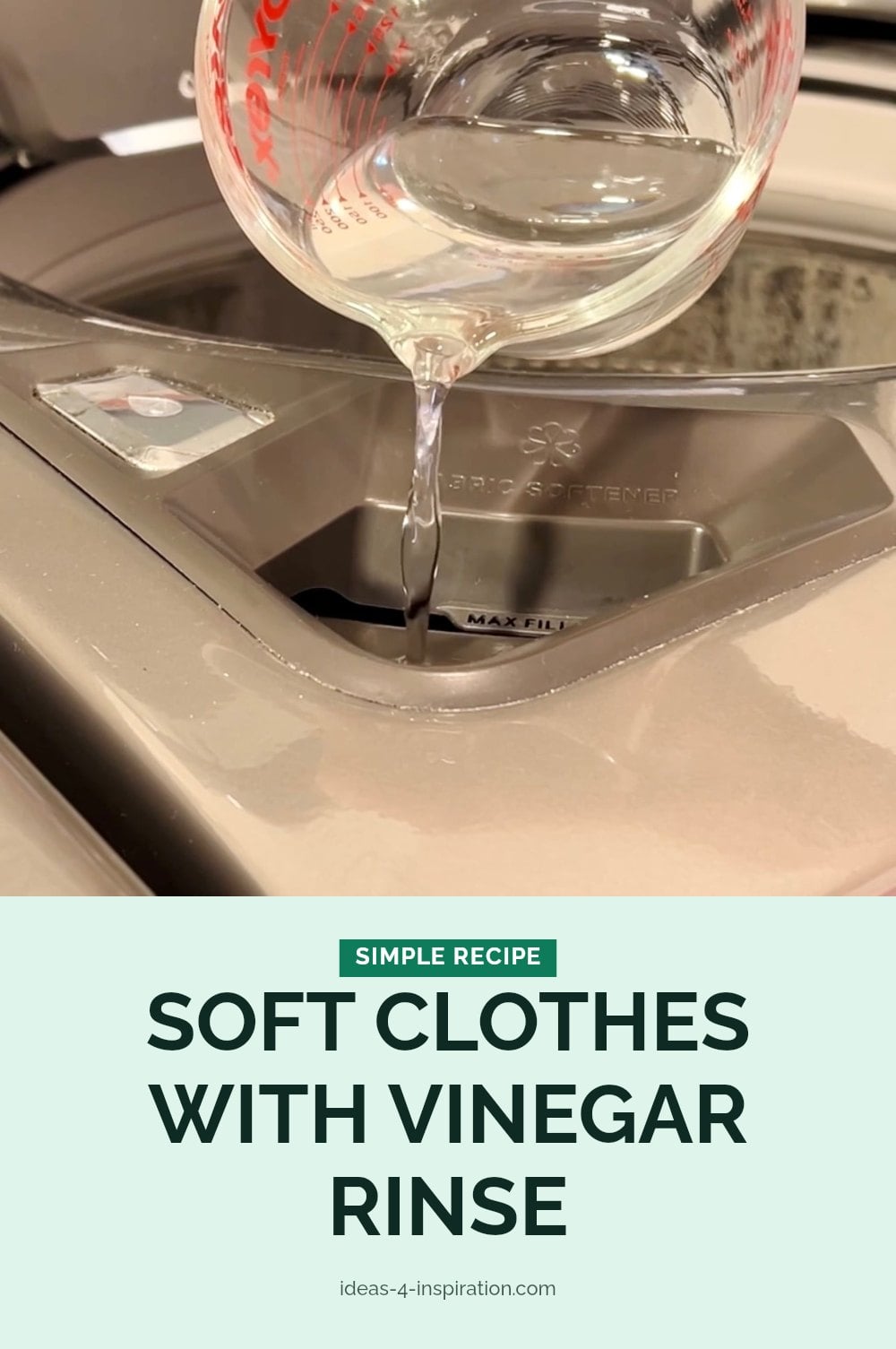
White vinegar works as a natural fabric softener because its mild acetic acid breaks down leftover detergent residue that stiffens fabrics. To make your own, mix 1 cup of white vinegar with 10-20 drops of your favorite essential oil for a pleasant scent.
- How to use: Add about 1/2 cup of this mixture to your washing machine’s fabric softener dispenser during the rinse cycle.
- My tip: This is my go-to for towels, as it keeps them absorbent unlike commercial softeners.
2. Use Baking Soda for Softness and Odors
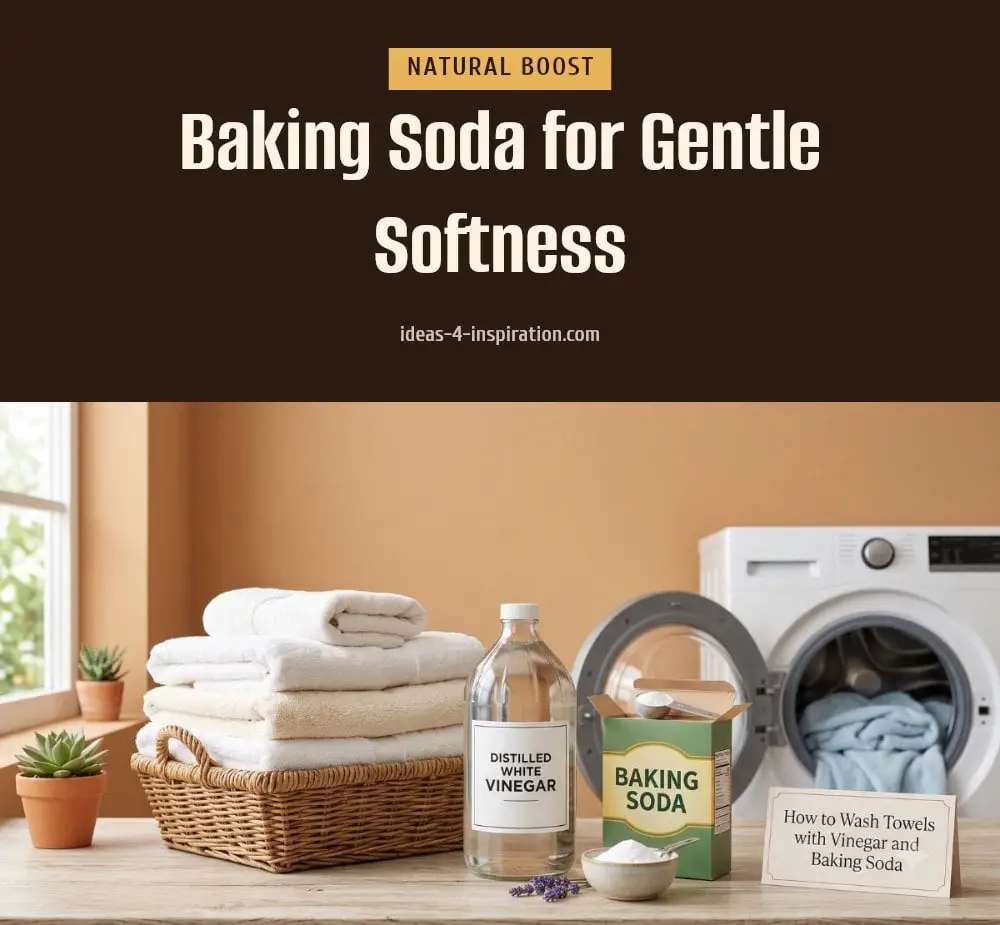
Baking soda softens clothes by neutralizing odors and softening the water, which helps fabrics feel cleaner and softer overall. For best results, add 1/2 cup of baking soda directly to the wash drum at the beginning of the wash cycle, right along with your detergent. It works especially well on tough odors like sweat or smoke and on heavily soiled items.
3. Dilute Commercial Softener for Best Results
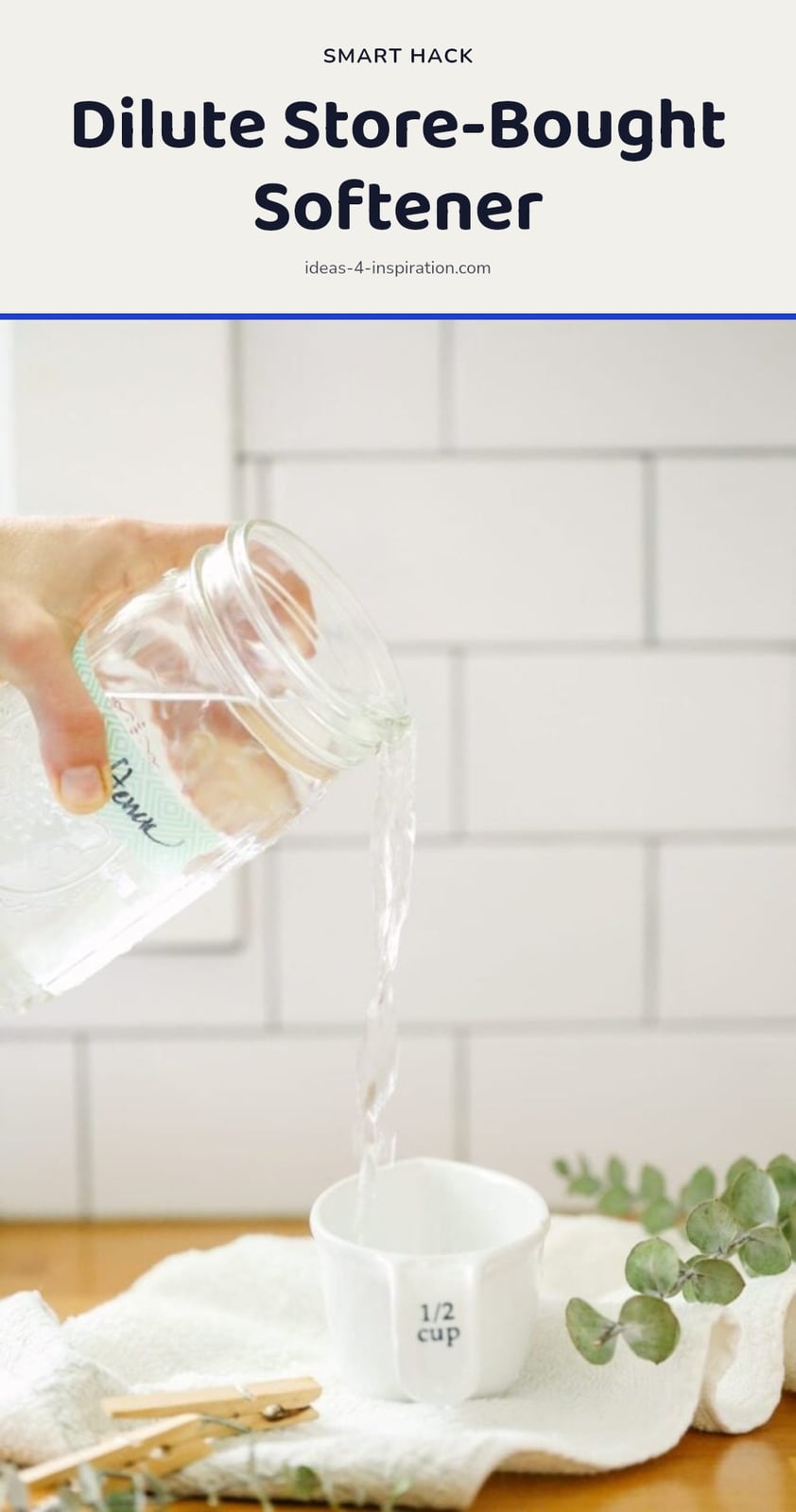
Commercial fabric softeners coat fibers with chemicals to create that soft feel, but using too much leads to sticky residue buildup on both clothes and your machine. My tip: Always dilute commercial fabric softener with an equal part of water before adding it to the dispenser. This prevents clogs in your machine, ensures even distribution on your clothes, and makes your bottle last twice as long.
4. Remove Hard Water Stains from Glass
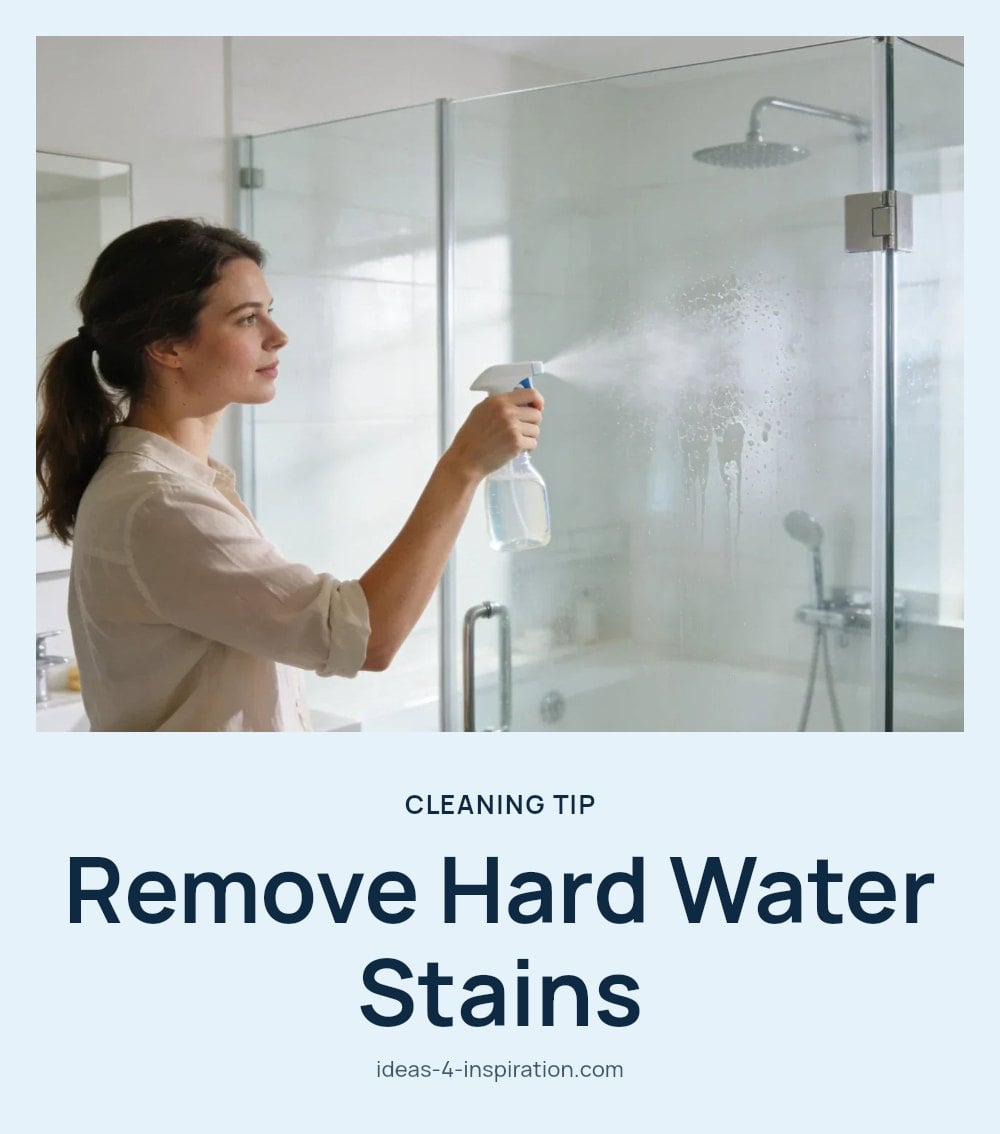
Hard water stains on glass shower doors or windows can look cloudy and stubborn. Fabric softener breaks down the mineral deposits because its chemicals help dissolve the buildup.
- Mix the solution: Combine one part fabric softener with four parts water in a spray bottle.
- Apply and wait: Spray the stained glass thoroughly, let it sit for 5-10 minutes so the softener can work.
- Wipe clean: Use a cloth (not microfiber) to wipe the surface dry. No streaks, just clear glass.
This method works wonders on shower doors and windows, saving you from buying specialty cleaners.
5. Shine Stainless Steel Appliances
A diluted fabric softener solution cleans stainless steel appliances and leaves a streak-free shine. The softener cuts through grease and fingerprints without harsh chemicals, making it a practical alternative to commercial cleaners.
- Prepare the mix: Combine a capful of fabric softener with a cup of water in a small bowl.
- Wipe down: Dip a soft cloth into the mixture, wring it out well, and wipe your stainless steel surfaces evenly.
- Buff to shine: Follow with a dry microfiber cloth, buffing in circular motions until the surface gleams.
My tip: this method works best on lightly soiled surfaces, so wipe away heavy grime first for the cleanest result.
6. Loosen Baked-On Food from Pans
Stubborn baked-on food in pans can feel impossible to scrub off. Fabric softener helps loosen the grime by breaking down the cooked-on residue.
- Fill and add: Fill the pot or pan with warm water and add a capful of fabric softener.
- Soak: Let it sit for a few hours or overnight, allowing the softener to penetrate the baked-on layer.
- Scrub easily: After soaking, the food should slide off or come off with minimal effort using a sponge.
My tip: This is a lifesaver for those casserole dishes after a big dinner.
7. Remove Wallpaper with Ease
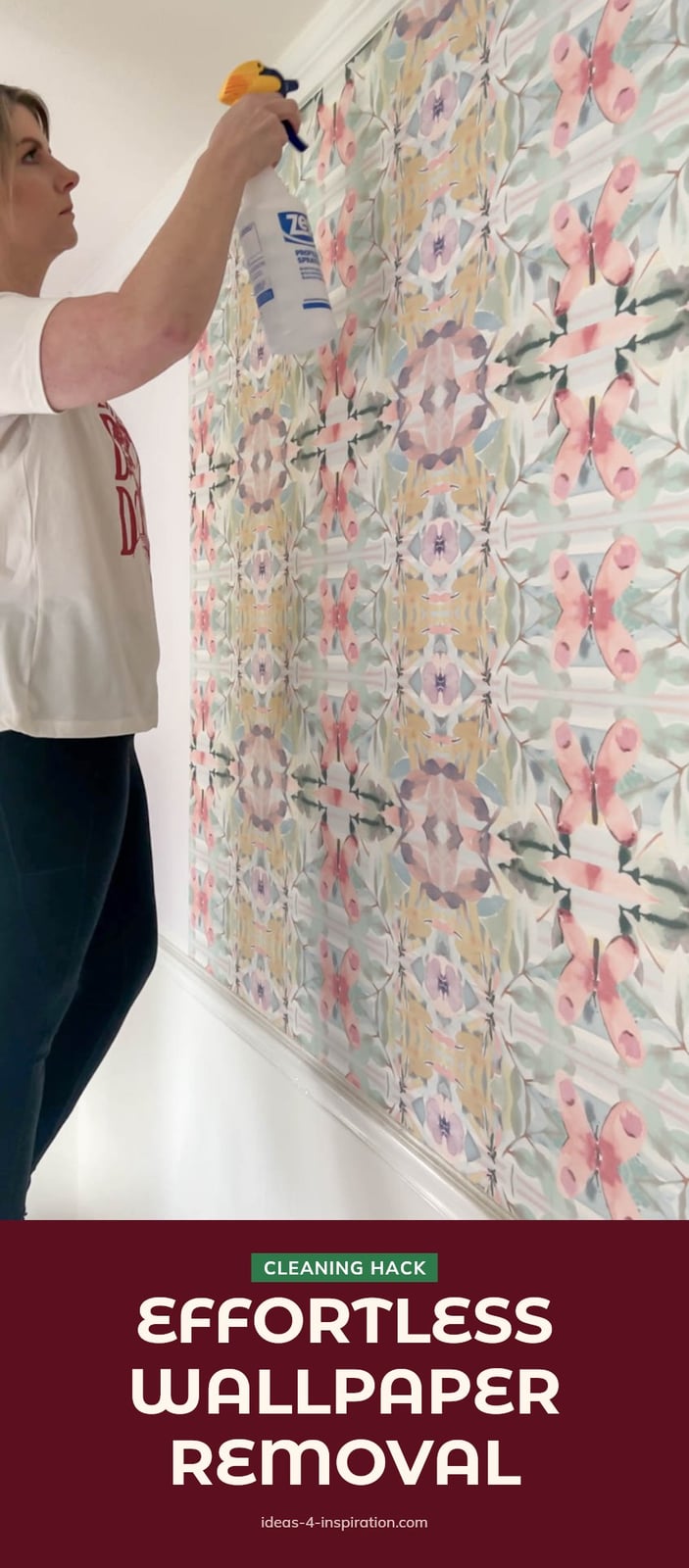
Removing old wallpaper can be tedious, but fabric softener makes the job easier by loosening the adhesive. The softening agents penetrate the paper and break down the glue bond.
- Mix the spray: Combine one part fabric softener with two parts hot water in a spray bottle.
- Saturate the wallpaper: Spray liberally until the paper is fully wet, then let it sit for 20-30 minutes.
- Peel gently: Start at a corner and pull the paper off. For stubborn sections, reapply the solution and wait another 10 minutes before peeling.
This method works best on standard wallpaper, not vinyl, and saves time compared to steamers.
8. Freshen Floors and Reduce Static
Add a small amount of fabric softener to your mop water to freshen floors and reduce static cling. Pour about 1/4 cup of fabric softener into a bucket of warm mop water. Mop as usual, and your floors will have a subtle, clean scent and feel less prone to static buildup. This is especially great for laminate or tile floors.
9. Keep Washing Machine Clean
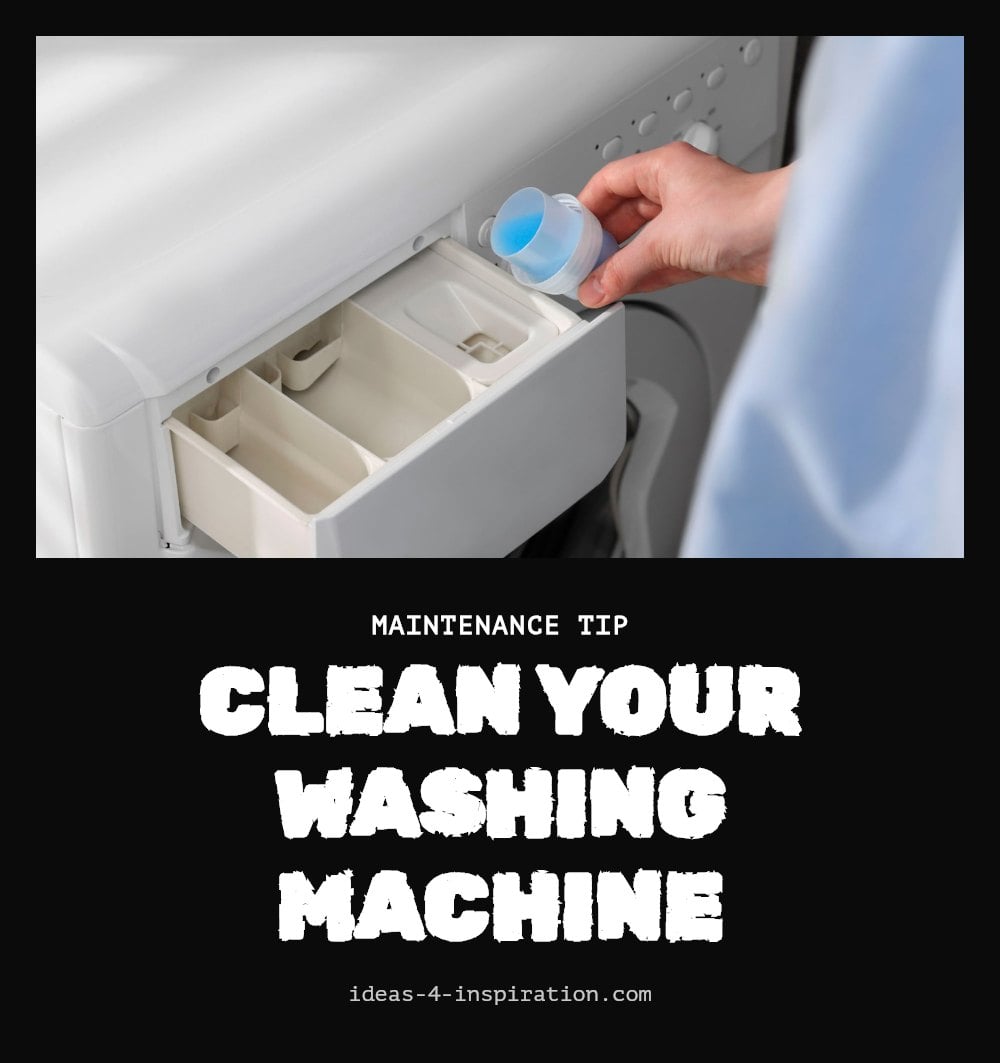
Regularly cleaning your washing machine, especially the fabric softener dispenser, prevents residue buildup and keeps performance optimal. Run an empty hot water cycle with 1 cup of white vinegar or a washing machine cleaner once a month. Tip: Wipe out the dispenser after each use to prevent sticky residue from hardening.
10. Avoid Fabric Softener on Specific Items
Skip fabric softener on towels, athletic wear, and microfiber cloths. It coats the fibers with a thin layer that blocks water absorption, so towels stop drying you off and workout gear traps sweat instead of wicking it away. Microfiber is the worst offender: the softener clogs its ultra-fine fibers, permanently reducing its cleaning power.
Also avoid it on flame-resistant children’s sleepwear, as the coating can reduce the fabric’s protective qualities. The same goes for waterproof or water-resistant jackets and gear, since softener breaks down the coating and causes leaks.
My rule of thumb: If it needs to absorb or repel water, skip the softener.
11. Safety First: Handle with Care
Always keep fabric softener, both commercial and homemade, out of reach of children and pets, as ingestion can be harmful. Avoid direct contact with eyes; if contact occurs, rinse thoroughly with water. Be aware that some individuals may experience skin irritation from residue, so ensure clothes are thoroughly rinsed. Always follow product instructions for commercial softeners and dilute as recommended.
Common Fabric Softener Mistakes to Avoid
Using too much: More softener does not mean softer clothes. Excess coats fibers with residue, leaving them greasy and less absorbent. Always measure the recommended amount and dilute commercial softener with equal parts water.
Adding at the wrong time: Fabric softener only works during the rinse cycle. If you pour it in with detergent during the wash cycle, the chemicals wash away and do nothing. Set a reminder or use your machine’s automatic dispenser.
Pouring directly on clothes: Undiluted softener can leave oily stains or spots on fabric. Always use the dispenser or mix with water before adding. If your machine lacks a dispenser, add softener to a rinse-cycle water fill.
Not cleaning the dispenser: Residue buildup in the dispenser clogs the opening and prevents proper dispensing. Wipe it out after every load and run a monthly hot water cycle with vinegar to clear buildup.
Using on all laundry: Towels, athletic wear, microfiber cloths, and flame-resistant items are harmed by softener. It blocks absorbency, reduces wicking, and damages coatings. My rule of thumb: If the item needs to absorb or repel water, skip the softener.
Mixing with bleach: Never combine commercial fabric softener with bleach in the same load. The mixture can release harmful fumes. Add them separately or use one at a time.
Frequently Asked Questions
Can fabric softener damage my washing machine?
Using too much fabric softener or not cleaning the dispenser can cause buildup and clogs over time. To prevent this, always dilute commercial softener, wipe the dispenser regularly, and run an empty hot water cycle with vinegar once a month. Proper use keeps your machine safe.
Is fabric softener safe for sensitive skin?
Some people may experience skin irritation from the residue left by fabric softeners. If you have sensitive skin, consider using homemade vinegar softener, which is gentler, or skip softener altogether. Always rinse clothes thoroughly and test on a small area first.
How often should I use fabric softener?
Use fabric softener only when you want extra softness or static control, not every load. For towels and athletic wear, skip it to maintain absorbency. For everyday clothes, using it every other wash is usually enough to avoid buildup.
Can I use fabric softener on all types of clothes?
No, avoid fabric softener on microfiber cloths, flame-resistant clothing, and waterproof or water-resistant items. It can reduce their effectiveness. Also, avoid it on towels and athletic wear to keep them absorbent and functional.
What’s the difference between liquid fabric softener and dryer sheets?
Liquid fabric softener is added during the rinse cycle and coats fibers to soften and reduce static. Dryer sheets work in the dryer, transferring softening agents with heat. Both can leave residue if overused, so use them sparingly and follow the same precautions.
Final Thoughts
For most loads, skip the commercial softener and try the homemade vinegar or baking soda versions. They are gentle on fabrics and your wallet. If you do use a commercial product, dilute it and stick to the recommended amount to avoid residue.
Expect to see softer, fresher laundry after just one wash. Remember, fabric softener is a helper, not a necessity, and using it wisely keeps your clothes and machine in top shape.