Setting up a cleaning kit for a new home or streamlining your current supplies can feel like a lot. The good news is you don’t need a cabinet full of specialty products. A focused set of versatile supplies, like an all-purpose cleaner, disinfectant, glass cleaner, and microfiber cloths, handles most messes efficiently. This article covers the core chemicals and tools you actually need, optional extras for specific surfaces, and how to use everything safely.
Key Takeaways
- Start with all-purpose cleaner, disinfectant, glass cleaner, and microfiber cloths for most cleaning tasks.
- Let disinfectants sit for the labeled dwell time to effectively kill germs.
- Use separate cloths for kitchen, bathroom, and toilet to prevent cross-contamination.
- Never mix bleach with ammonia or acidic cleaners like vinegar; it creates toxic gas.
- Add specialized cleaners only if your home has wood, stainless steel, or stone surfaces.
Essential Cleaning Supplies for a Sparkling Home
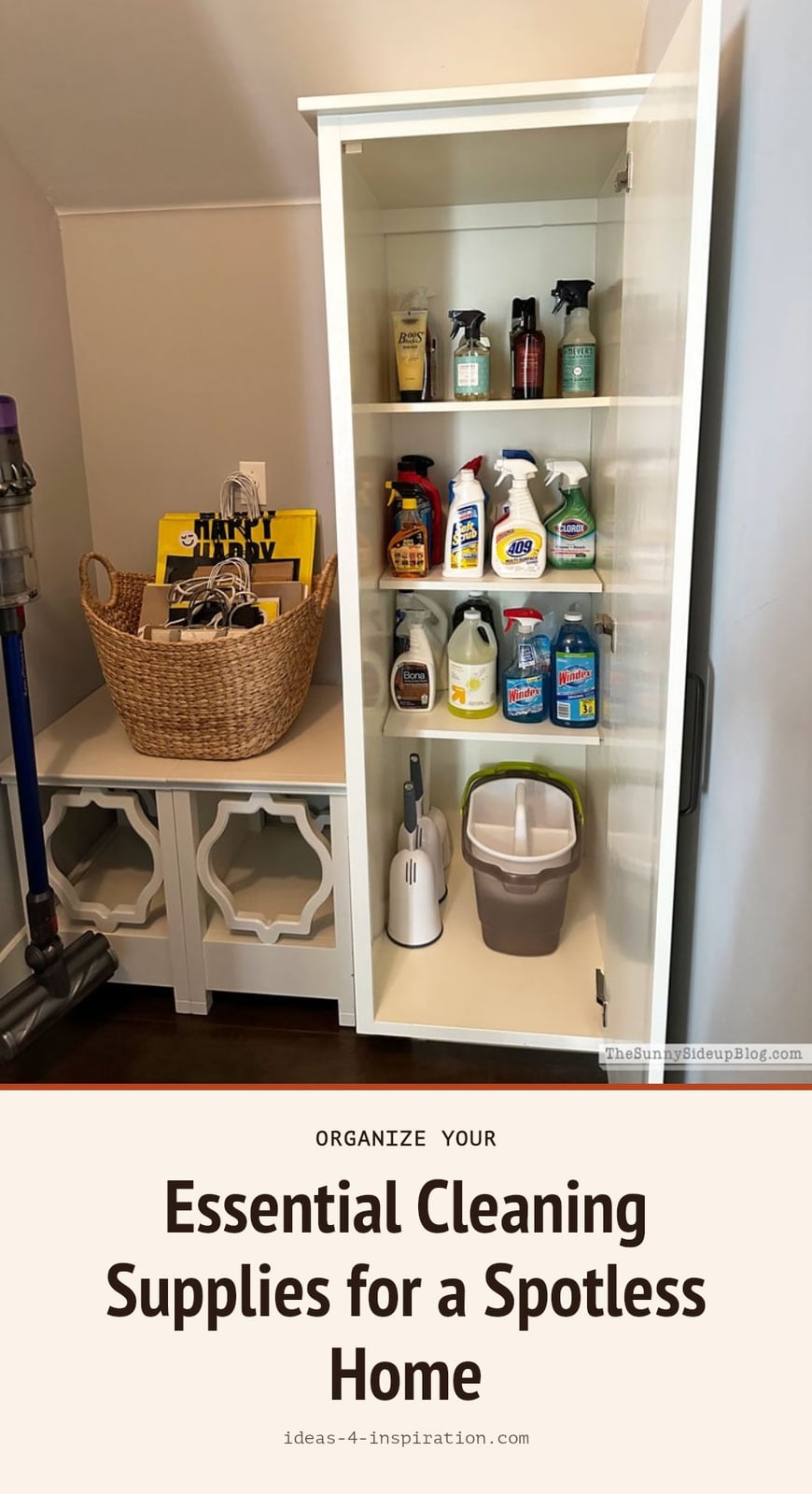
You don’t need a closet full of products to keep a home clean. A focused set of versatile supplies handles most messes efficiently. Start with an all-purpose cleaner, a disinfectant, glass cleaner, and microfiber cloths. Choose items suited to your surfaces and use them correctly.
Your Core Cleaning Chemicals
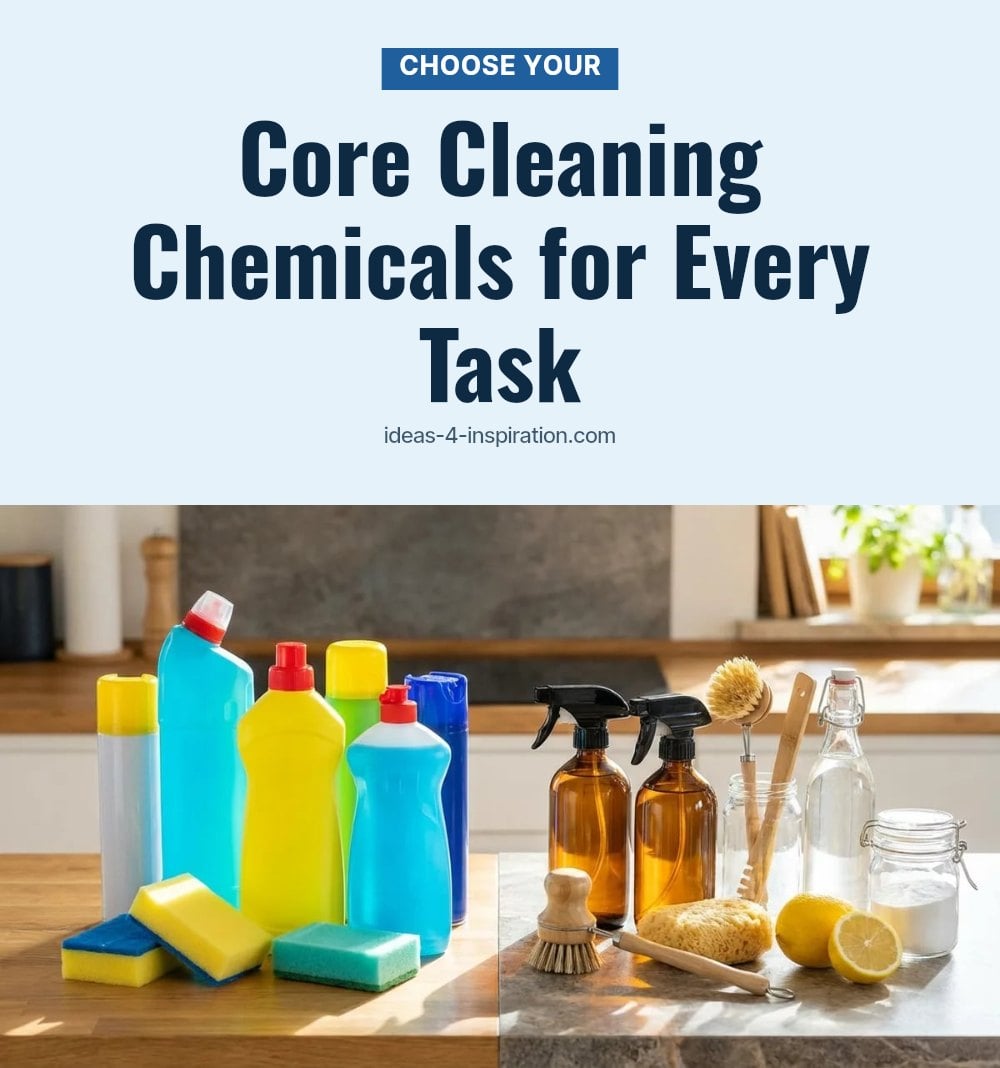
These chemical cleaners cover the majority of daily and weekly tasks. Most are multi-purpose, so you can skip a dozen specialty bottles.
- All-purpose cleaner: for countertops, floors, and walls.
- Disinfectant spray or wipes: kills germs after the labeled dwell time.
- Glass cleaner: leaves windows and mirrors streak-free.
- Toilet bowl cleaner: essential for bathroom hygiene.
- Baking soda: mild abrasive that scrubs and absorbs odors.
- White vinegar: dissolves mineral deposits, soap scum, and grease.
- Lemon juice: mild acid cleaner and deodorizer.
- Castile soap: gentle all-purpose liquid soap.
- Hydrogen peroxide: disinfects and lifts stains.
- Rubbing alcohol: quick-drying disinfectant for hard surfaces.
- Oxygen bleach: color-safe whitener for laundry.
- Dish soap: cuts grease on dishes and surfaces.
- Bar keepers friend: powder cleanser for metal and porcelain.
- Enzymatic cleaner: breaks down organic stains and odors.
- Degreaser: tackles kitchen grease buildup.
- Tile cleaner: for grout and ceramic surfaces.
- Stone cleaner: pH-neutral for marble or granite.
- Wood cleaner: conditions and cleans wood surfaces.
- Stainless steel cleaner: removes fingerprints and shines.
- Floor cleaner: formulated for specific hard floors.
Must-Have Cleaning Tools

These tools do the physical work. Invest in quality versions of the basics, and they’ll last for years.
- Microfiber cloths: trap dust and dirt without scratching.
- Sponges: for general scrubbing and wiping.
- Scrub brushes: handle tough grime in kitchens and baths.
- Toilet brush: dedicated for toilet bowl cleaning.
- Rubber gloves: shield hands from chemicals and hot water.
- Vacuum cleaner: essential for carpets and rugs.
- Broom and dustpan: quick floor cleanup on hard surfaces.
- Mop and bucket: for washing hard floors.
- Duster: reaches high shelves and ceiling fans.
- Squeegee: streak-free glass and tile.
- Spray bottles: for homemade or diluted cleaners.
- Bucket: for carrying water and cleaning solutions.
- Scouring pad: for tough stuck-on food.
- Grout brush: small stiff bristles for tile lines.
- Dusting cloth: electrostatic for furniture.
- Extension pole: for high ceilings and windows.
- Cleaning caddy: to tote supplies between rooms.
- Lint roller: for upholstery and pet hair.
- Steam mop: sanitizes floors with heat.
- Robot vacuum: automated daily floor maintenance.
Optional Specialized Cleaners
These are not necessities for every home, but they solve specific problems. Add them only if your surfaces or habits call for them.
- Wood cleaner or polish: maintains wood furniture and floors.
- Stainless steel cleaner: keeps appliances shiny and fingerprint-free.
- Stone cleaner: pH-neutral for marble, granite, or travertine.
- Laminate floor cleaner: gentle formula for laminate planks.
- Tile and grout cleaner: deep cleans porous surfaces.
- Carpet shampoo: for spot cleaning or machine use.
- Leather cleaner: conditions and protects leather furniture.
- Oven cleaner: breaks down baked-on grease.
- Drain cleaner: clears clogs without a plumber.
- Bleach: powerful disinfectant and whitener, use with caution.
- Ammonia: cuts grease, but never mix with bleach.
- Lemon juice: mild acid cleaner and deodorizer.
- Hydrogen peroxide: gentle bleach alternative for fabrics.
- Baking soda: deodorizes carpets and upholstery.
- Vinegar: descales coffee makers and kettles.
- Rubbing alcohol: sanitizes electronics and screens.
- Enzymatic cleaner: removes pet stains and odors.
- Mold and mildew remover: for bathrooms and basements.
- Glass cooktop cleaner: polishes ceramic stovetops.
- Silver polish: restores tarnished silverware.
Frequently Asked Questions
How often should I replace cleaning cloths and sponges?
Replace sponges every 1 to 2 weeks, or sooner if they smell or look dirty. Microfiber cloths can last longer if laundered regularly, but replace them when they become worn or stop trapping dust effectively. For best hygiene, wash cloths after each use and let them dry completely.
Can I make my own all-purpose cleaner?
Yes, a simple DIY all-purpose cleaner can be made by mixing equal parts white vinegar and water. For a pleasant scent, you can add a few drops of essential oil, but avoid using vinegar on stone surfaces like marble. Test in an inconspicuous area first.
What’s the best way to store cleaning supplies safely?
Store cleaning supplies in their original containers, out of reach of children and pets, ideally in a locked cabinet or high shelf. Keep them away from food and ensure good ventilation in the storage area. Never transfer products to unlabeled containers.
Do I need different cleaners for different floor types?
Not always. An all-purpose cleaner works on most hard floors, but some materials like hardwood, laminate, or stone may require pH-neutral or specialized cleaners. Always check the floor manufacturer’s recommendations and test a small area first.
Is it okay to use just water for some cleaning tasks?
Yes, for light dusting or wiping with microfiber cloths, water alone can be effective. Microfiber cloths are designed to trap dust and dirt without chemicals. However, for disinfecting or removing grease, you’ll need appropriate cleaners.
Final Thoughts
My tip: build your kit around the core four (all-purpose cleaner, disinfectant, glass cleaner, and microfiber cloths) and add specialized products only when a specific surface demands it. Expect to restock or replace cloths and sponges every few weeks to a couple of months, depending on use, and remember that consistent, correct use matters more than having every product. Keep it simple, and your cleaning routine will be easier and safer.
This information is for general educational purposes only and is not a substitute for professional advice. Always read product labels and follow safety instructions. If you have specific health concerns or sensitivities, consult a healthcare professional.