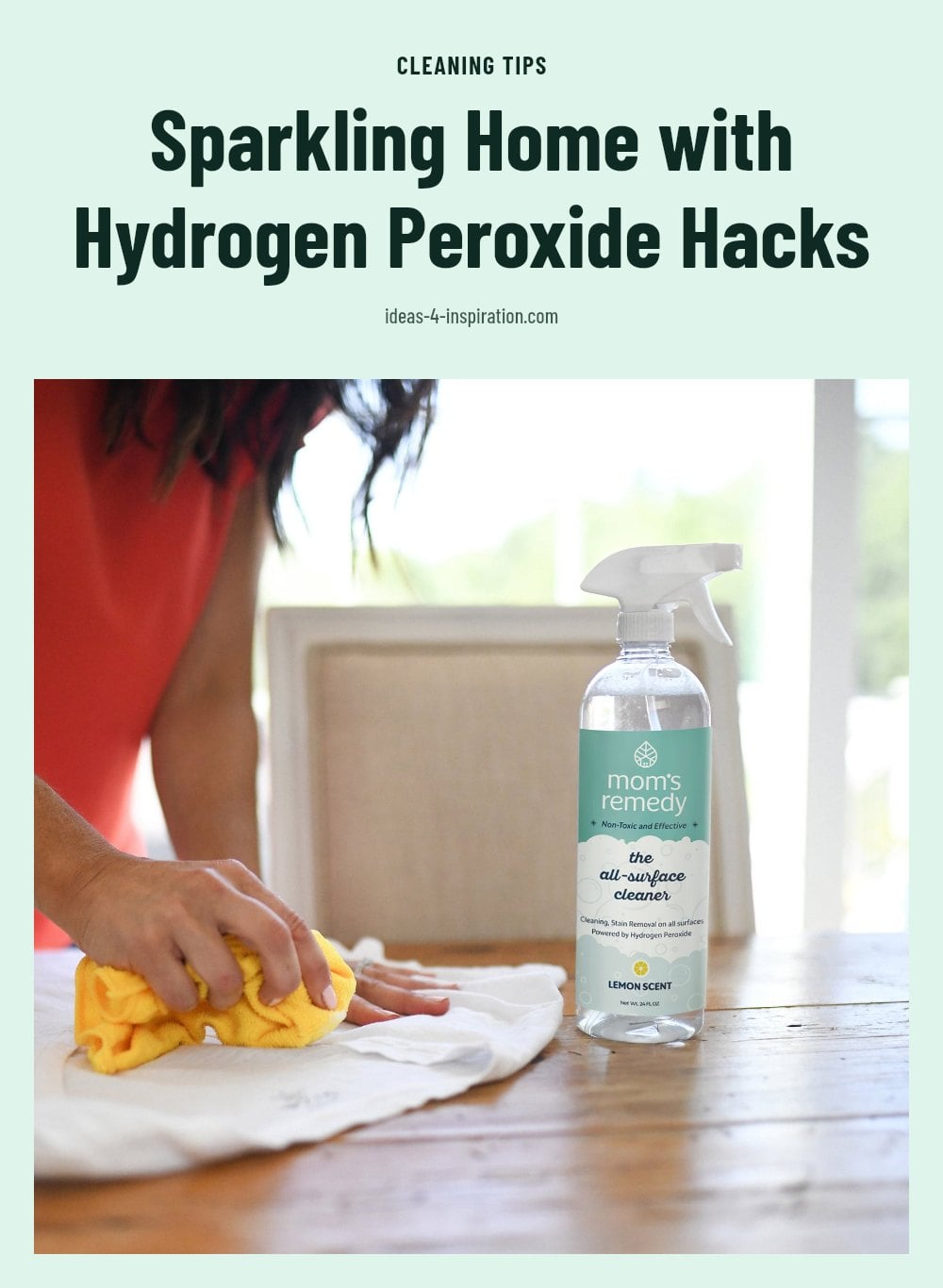
Hydrogen peroxide is one of those bottles that earns its spot under the sink, and the 3% version you find at the drugstore is the strength to keep on hand. It disinfects, lifts stains, and brightens surfaces, then breaks down into water and oxygen, so it leaves no harsh residue behind. In this article, I walk through 18 ways to put it to work around the house, from cutting boards to shower curtains.
Most of the tricks come down to one habit: spray, let it sit, then wipe. My tip: keep a labeled spray bottle filled with 3% peroxide so you actually reach for it.
Key Takeaways
- Stick with 3% hydrogen peroxide for household cleaning and never mix it with bleach.
- Let peroxide sit 5-10 minutes on surfaces for disinfection to actually work.
- Skip marble, granite, and untreated wood, which can etch, discolor, or lighten.
- Store it in its original dark bottle away from light and heat to keep it potent.
- Test a hidden spot first on colored fabrics, since peroxide can bleach them.
Your Go-To for a Cleaner Home
Hydrogen peroxide at 3% concentration, the strength sold in drugstores, is one of the most versatile cleaners you can keep under the sink. It disinfects, lifts stains, and brightens surfaces, and because it breaks down into water and oxygen, it leaves no harsh residue behind. It kills bacteria, viruses, and fungi on contact, which is why it works for everything from countertops to grout.
Caution: Test on an inconspicuous area first, especially on colored fabrics or delicate surfaces, and never mix it with bleach. The combination releases a dangerous gas.
1. Sanitize Your Cutting Boards
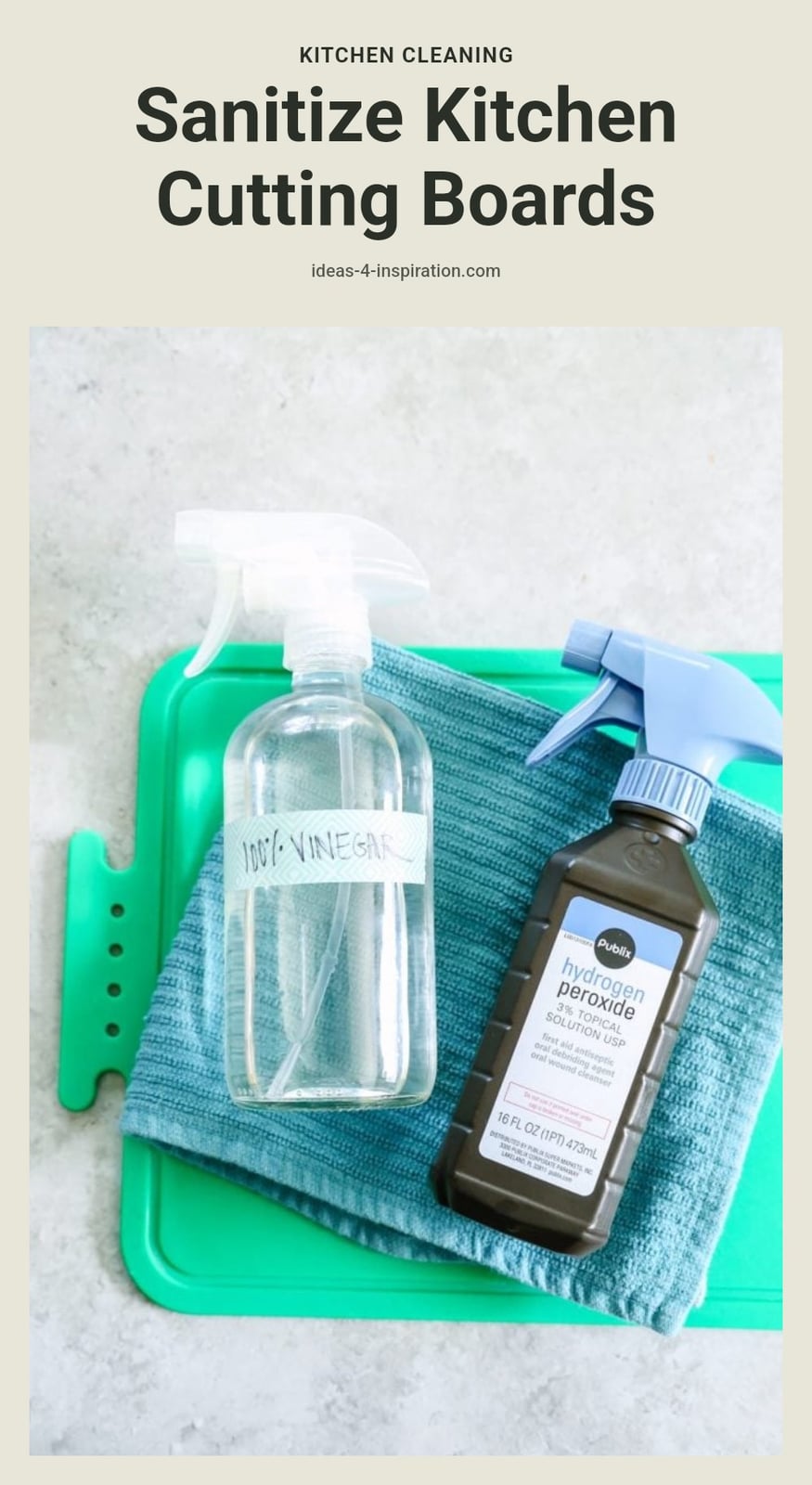
After you wash a cutting board, spray 3% hydrogen peroxide directly onto the surface and let it sit for 5-10 minutes. That contact time is what does the work: it kills bacteria that survive a quick rinse, including the germs left behind by raw meat and produce.
Rinse thoroughly with water and let the board air dry standing up so both sides get airflow.
My tip: This works wonders on both wood and plastic boards.
2. Whiten Grout Lines

Mix hydrogen peroxide with baking soda to form a thick paste, about three parts soda to one part peroxide. The soda gives the paste enough body to cling to vertical grout lines instead of running off, while the peroxide lifts embedded dirt.
- Apply: Press the paste into the grout lines with an old toothbrush or your finger.
- Wait: Let it sit for 10-15 minutes so the peroxide can work on the grime.
- Scrub and rinse: Work the lines with a brush, then rinse clean with water.
For other cleaning tasks, you can use 3% peroxide on its own without the paste.
3. Brighten Dingy Whites
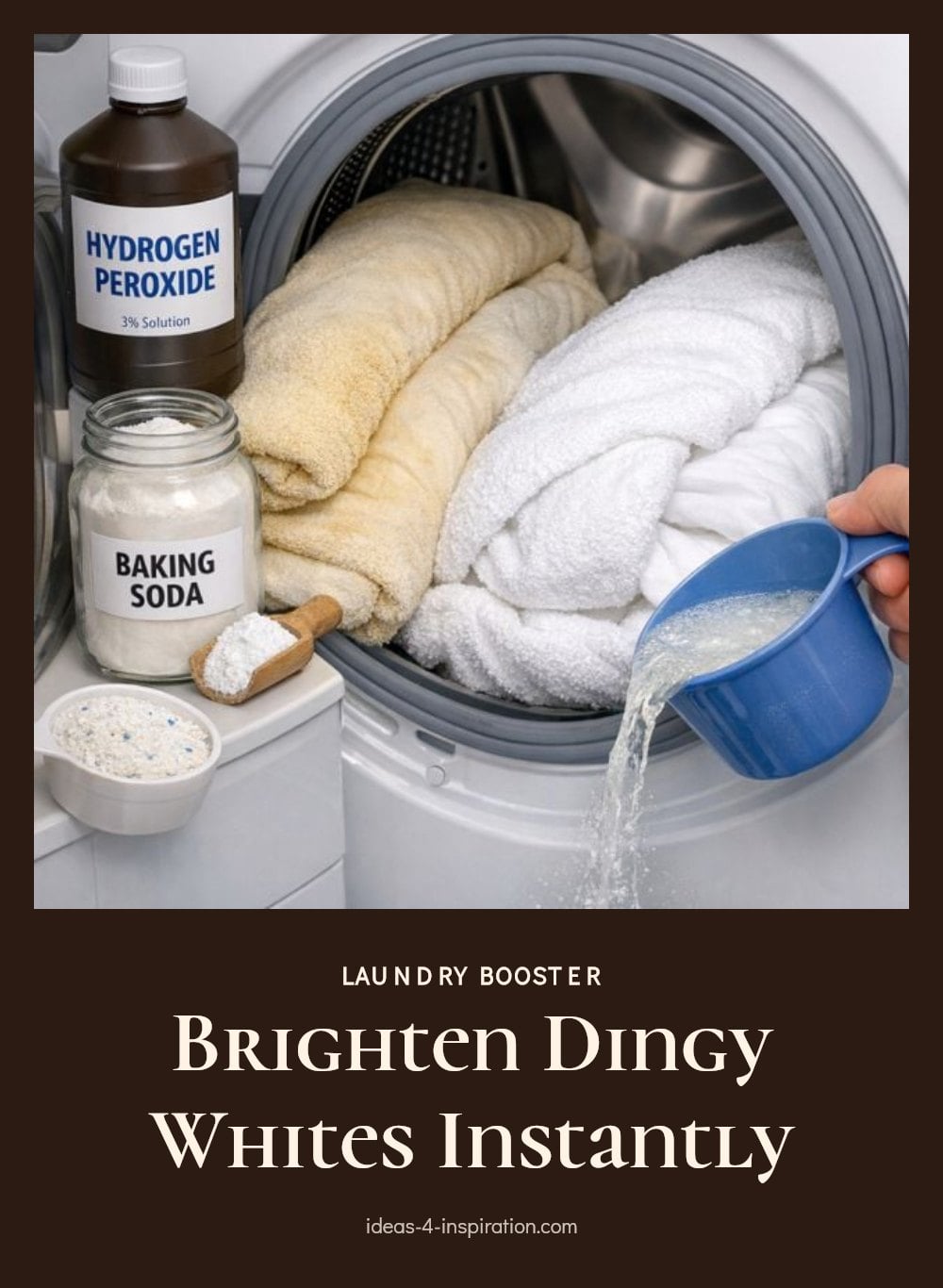
Add 1/2 cup of 3% hydrogen peroxide to your washing machine along with your regular detergent and run your usual cycle. It acts as a natural bleach alternative, brightening whites and helping to remove stains without the harsh fumes of chlorine bleach.
Keep it for white and light loads only, since peroxide can lighten colored fabrics. Hot water helps it work faster, but warm is fine for everyday towels and sheets.
This is my secret weapon for keeping white towels looking new.
4. Tackle Mold and Mildew
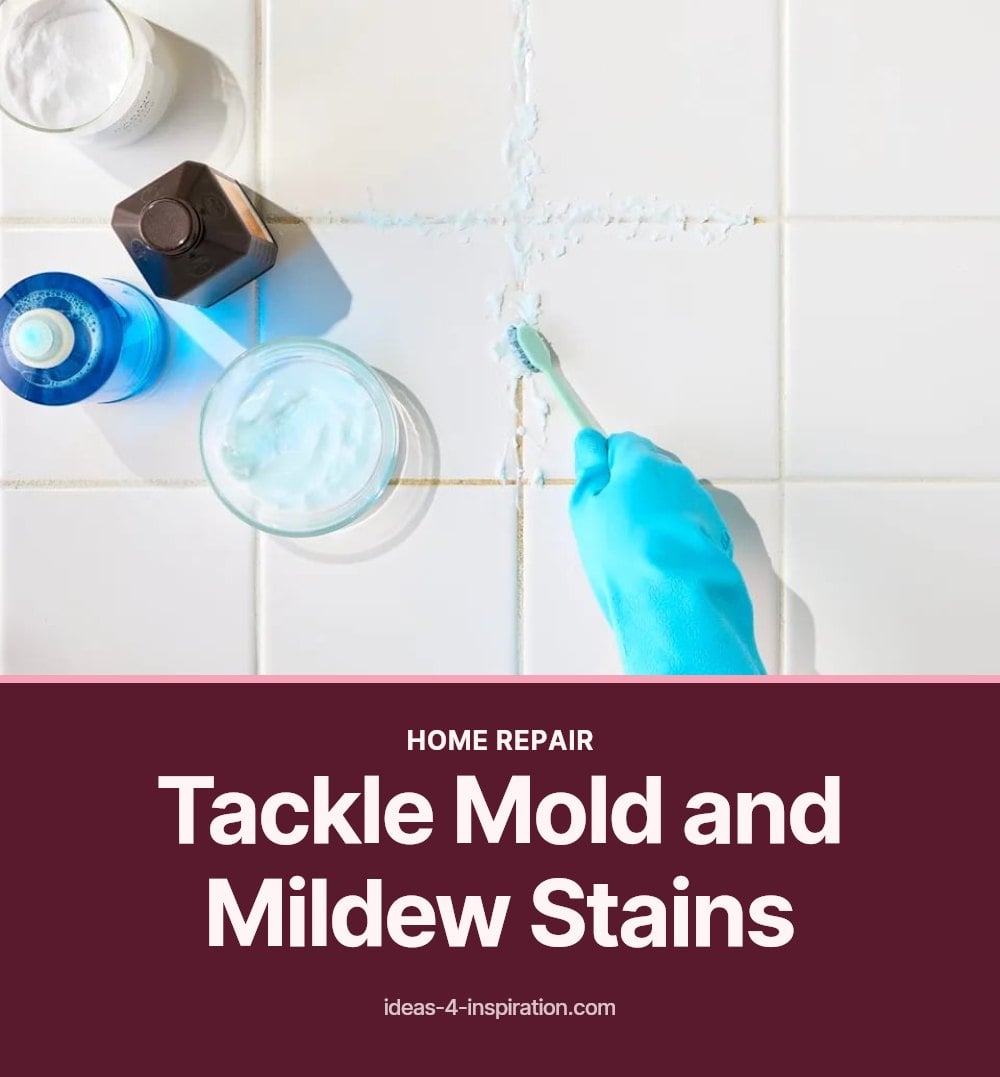
Spray undiluted 3% hydrogen peroxide directly onto moldy or mildewed non-porous surfaces like tile or vinyl. Let it sit for at least 10 minutes so it penetrates and kills the spores. Then scrub with a brush or cloth and wipe clean. Caution: Ventilate the area well while you work.
5. Clean and Deodorize Refrigerators
Wipe down refrigerator shelves and walls with a cloth dampened with 3% hydrogen peroxide. It disinfects the surfaces and neutralizes odors without leaving harsh chemical residues. My tip: Do this right before a grocery run for a quick refresh that keeps your fridge smelling clean.
6. Remove Stubborn Pot Stains
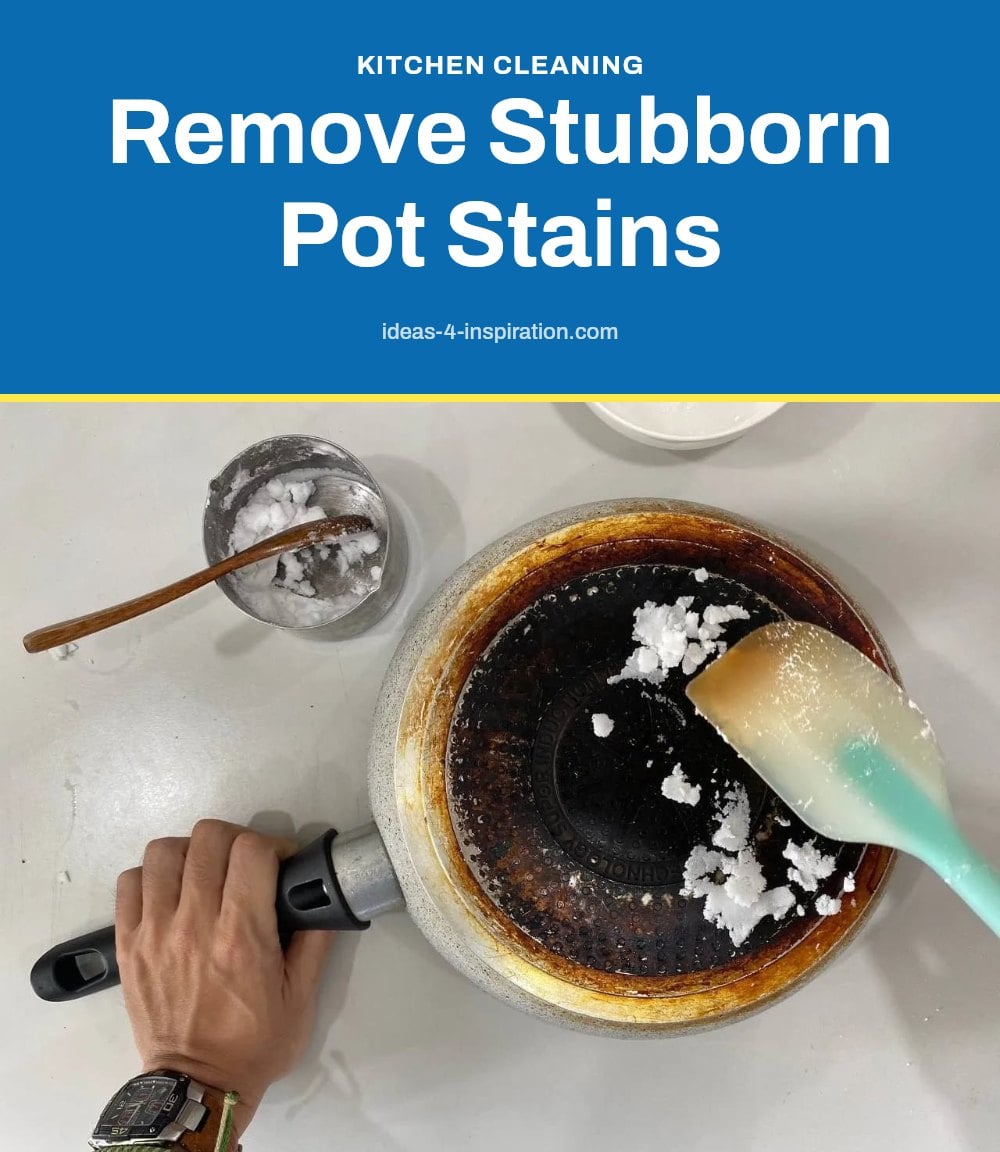
Sprinkle baking soda on the bottom of a pot with baked-on food, then spray with 3% hydrogen peroxide. The fizzing action helps lift burnt-on grime from the surface.
- Let it sit: Leave the mixture for several hours or overnight so it can break down the residue.
- Scrub: Use a sponge or scrub brush to wipe away the loosened food. This combo works well for tough, baked-on messes.
7. Disinfect Your Toilet Bowl
Pour about 1/2 cup of 3% hydrogen peroxide into the toilet bowl. Let it sit for 20-30 minutes to disinfect and break down stains, then scrub with a toilet brush and flush. The result is a sparkling clean bowl without strong chemical fumes.
8. Sanitize Sponges and Dishcloths
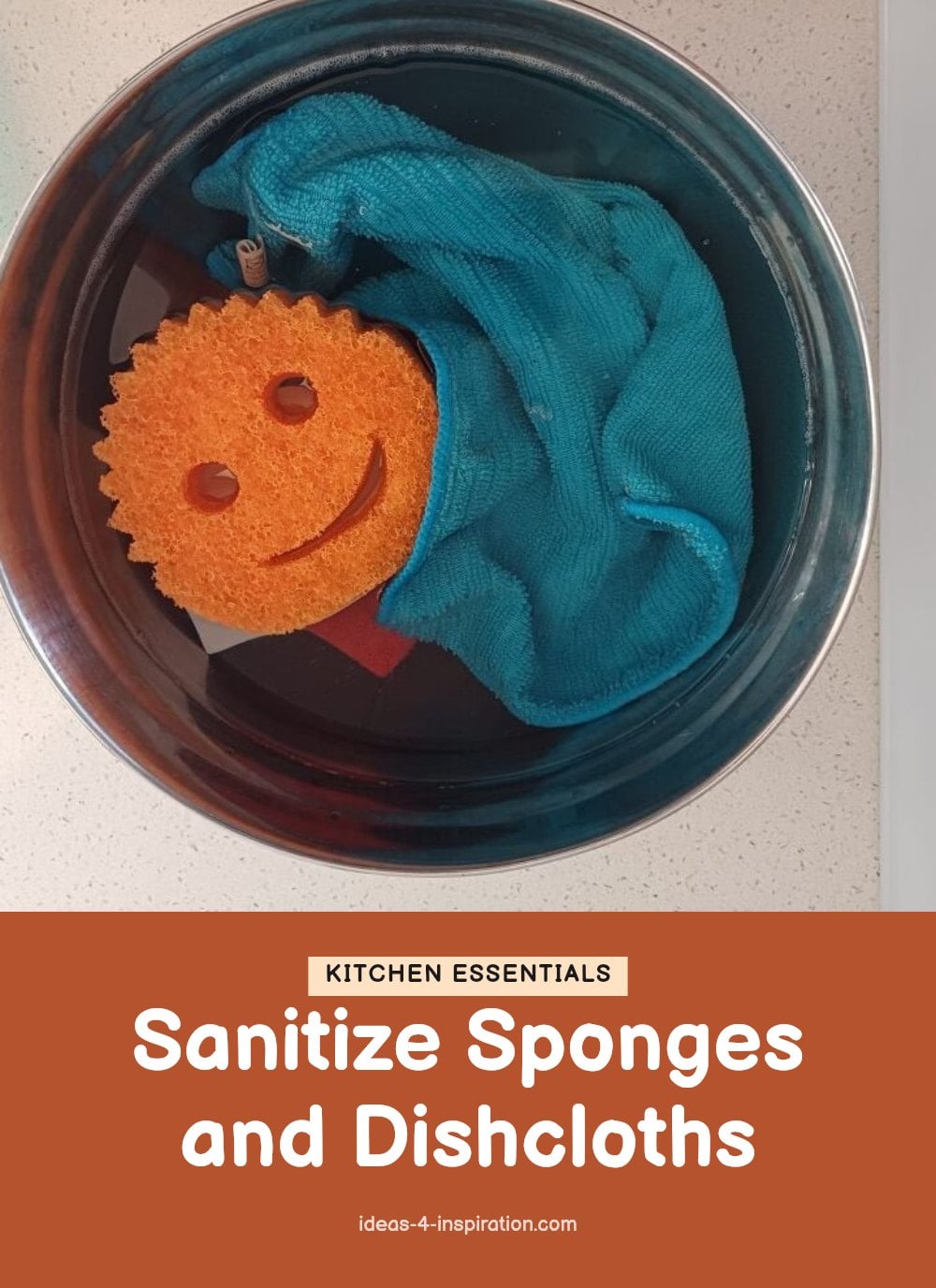
Soak sponges and dishcloths in a bowl of 3% hydrogen peroxide for 15-30 minutes. The peroxide kills bacteria and refreshes them without the bleach smell. Rinse thoroughly with water after the soak.
Tip: Do this weekly to keep kitchen tools hygienic and extend their life.
9. Brighten Plastic Containers
Fill stained plastic containers with 3% hydrogen peroxide and let them sit overnight. The peroxide breaks down food dyes and brightens cloudy plastic. For stubborn tomato or curry stains, make a paste with baking soda and peroxide, apply it, and let it sit for a few hours before rinsing. If stains persist, repeat the paste treatment or extend the dwell time, similar to tackling set-in grout or pot grime.
10. Remove Pet Stains and Odors
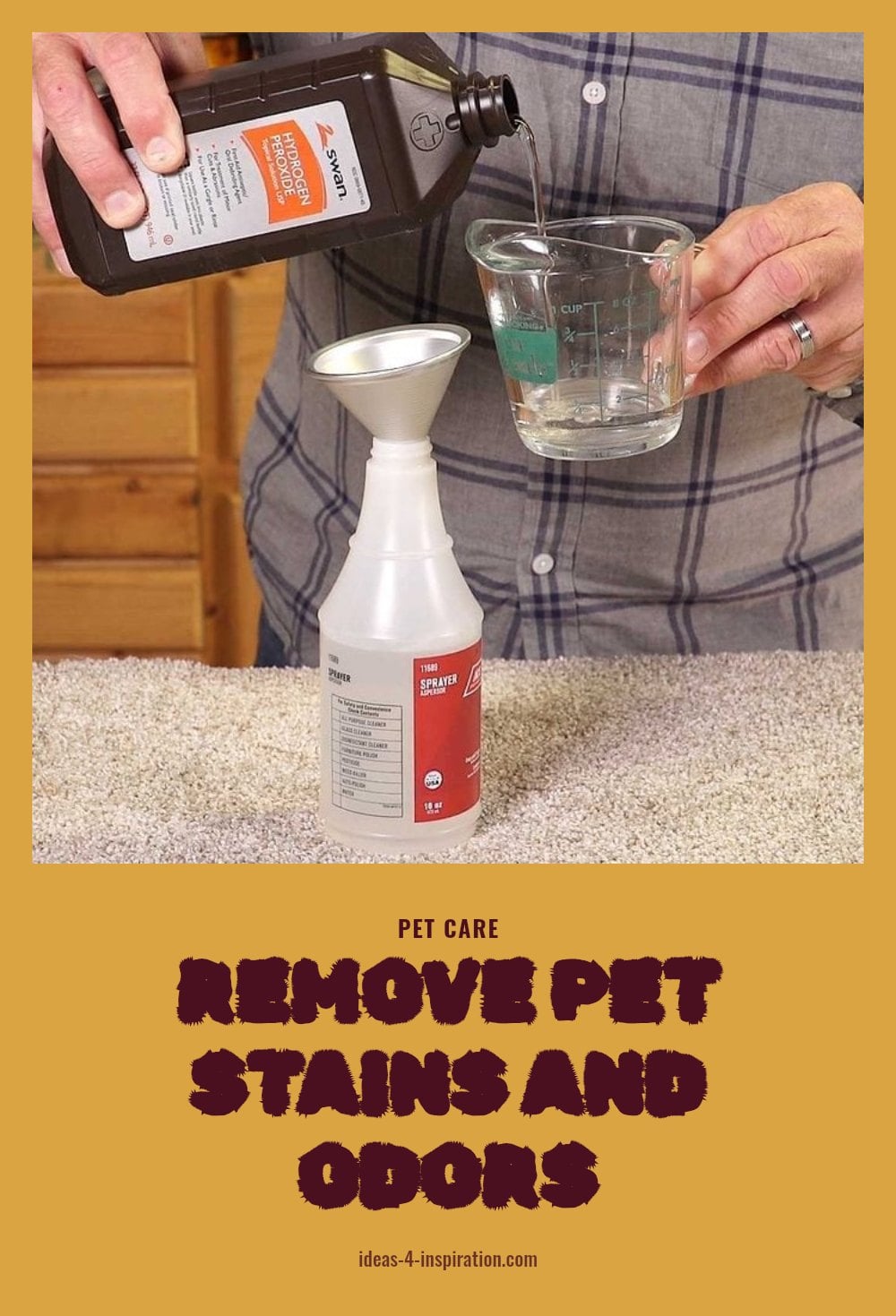
Blot up as much of the pet stain as you can with paper towels. Spray the area with 3% hydrogen peroxide and let it sit for 5-10 minutes. Blot the spot dry with a clean cloth. Caution: Always test on an inconspicuous area of your carpet first, as hydrogen peroxide can lighten some fabrics.
11. Clean and Sanitize Toothbrushes
Soak your toothbrush bristles in a small cup of 3% hydrogen peroxide for 5-10 minutes. This kills germs and bacteria that build up between uses. Rinse the bristles thoroughly with water before your next brush.
Good to know: Do this weekly for a healthier brush and to keep your oral care routine clean.
12. Shine Glass and Mirrors

Spray 3% hydrogen peroxide directly onto glass and mirror surfaces. Wipe with a lint-free cloth or paper towel, and you get a streak-free shine without the chemical smell of commercial glass cleaners. I find it works just as well as the store-bought stuff, and it costs less.
13. Disinfect Your Trash Cans
After you empty and rinse your trash can, spray the inside with 3% hydrogen peroxide. Let it sit for 10-15 minutes to disinfect and neutralize odors, then wipe clean and let it air dry. This keeps your kitchen smelling fresh without masking smells with fragrance.
14. Clean Lunchboxes and Cooler Bags
Spray the inside of lunchboxes and cooler bags with 3% hydrogen peroxide after spills. Let it sit for a few minutes to disinfect, then wipe clean with a damp cloth. It prevents lingering smells and keeps these items sanitary between uses.
15. Freshen Up Shower Curtains
For plastic or vinyl shower curtains with mildew spots, spray 3% hydrogen peroxide directly onto the affected areas. Let it sit for 10-15 minutes, then scrub gently and rinse. The peroxide kills mildew spores and lifts the stains, keeping your bathroom looking cleaner.
16. Disinfect Doorknobs and Light Switches
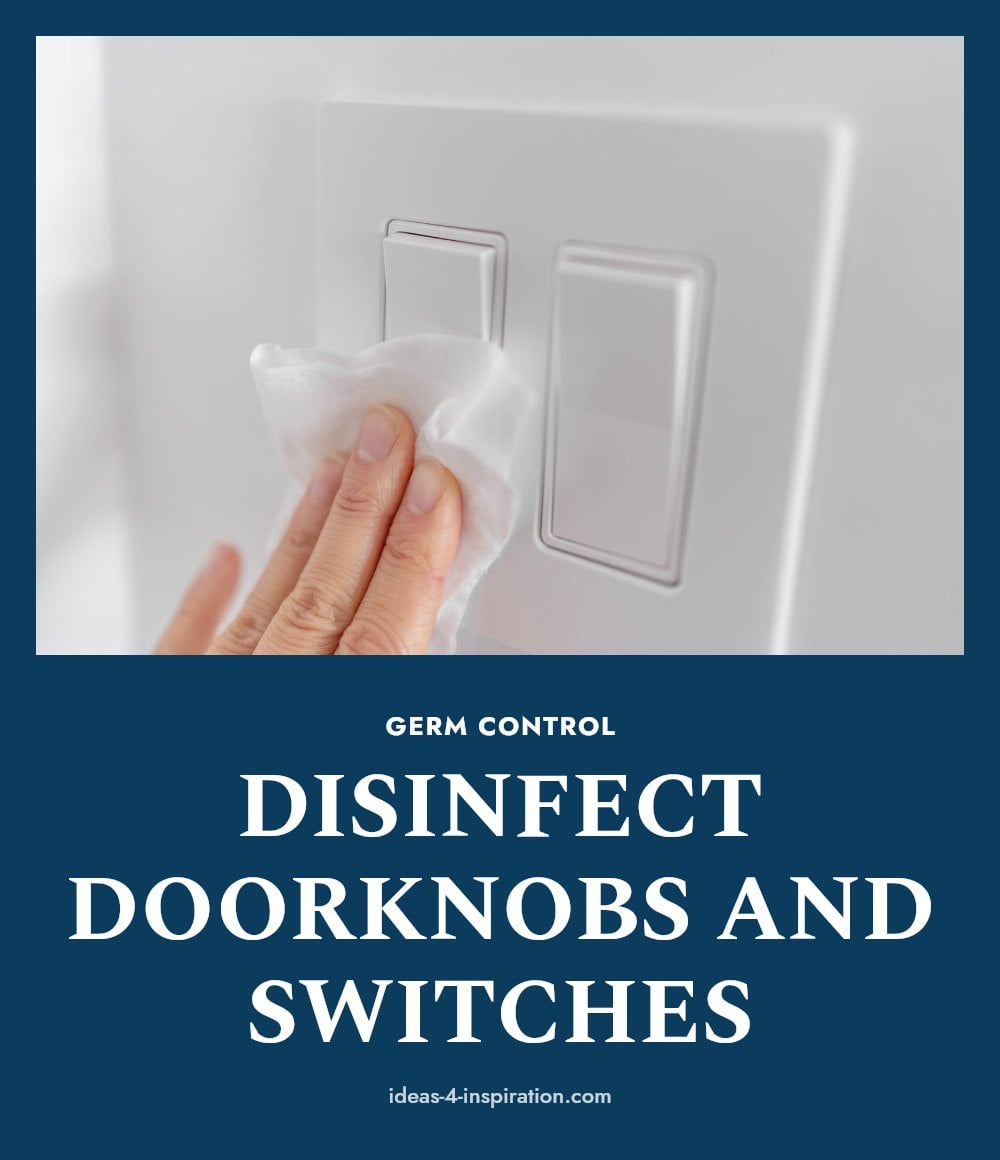
Spray 3% hydrogen peroxide onto a clean cloth, then wipe down doorknobs, light switches, and other high-touch surfaces. Allow the surface to air dry to ensure proper disinfection.
Pro move: This is a quick and easy way to keep common areas germ-free, especially during cold and flu season.
17. Clean Children’s Toys
For non-porous plastic toys, spray them with 3% hydrogen peroxide and let it sit for a few minutes. Wipe clean with a damp cloth and allow to air dry. It’s a great way to disinfect toys without harsh chemicals, making playtime safer for little ones.
18. Sanitize Your Humidifier
Empty your humidifier and fill the water reservoir with 3% hydrogen peroxide. Let it sit for 30 minutes, then rinse thoroughly multiple times with water. This helps to kill bacteria and mold that can build up in the tank, ensuring cleaner air. The longer contact time is key: while 5-10 minutes works for general disinfection, 30 minutes ensures deeper penetration into biofilm and stubborn mold in the reservoir.
Common Hydrogen Peroxide Cleaning Mistakes
Mixing with other cleaners: Never mix hydrogen peroxide with bleach, as it creates dangerous chlorine gas. Stick to using it on its own or with baking soda.
Not allowing dwell time: For disinfection, hydrogen peroxide needs 5-10 minutes of contact time. Don’t wipe it off immediately.
Using on sensitive surfaces: Avoid natural stone (marble, granite) and unsealed wood, as it can cause damage or discoloration. Always test first.
Improper storage: Store hydrogen peroxide in its original dark bottle, away from light and heat, to maintain its potency. Light degrades it quickly.
Using high concentrations: For general household cleaning, 3% hydrogen peroxide is all you need. Higher concentrations can be dangerous and are not necessary.
Frequently Asked Questions
Is hydrogen peroxide safe for all surfaces?
No. It is fine on non-porous surfaces like tile, vinyl, glass, and plastic, but avoid natural stone such as marble or granite, which can etch or discolor. Skip untreated wood too, since peroxide can lighten or damage it. When in doubt, test a hidden spot first.
How long does hydrogen peroxide need to sit to disinfect?
Plan on 5-10 minutes of contact time for disinfection. Some jobs need longer: mold and mildew on tile get at least 10 minutes, and toilet bowls sit for 20-30 minutes. If you wipe it off right away, you are cleaning the surface but not really disinfecting it.
Can hydrogen peroxide remove rust?
It may help on some surfaces, but treat this as a maybe rather than a sure thing. Rust removal with peroxide is not reliable across materials, and results vary. Test a small hidden area first, and do not use it on stone or delicate finishes where it could cause damage.
What is the best way to store hydrogen peroxide?
Keep it in its original dark bottle, away from light and heat. Light degrades peroxide and costs it potency, which is why clear bottles are a bad idea. Never transfer it into an unlabeled container, and keep the bottle out of reach of children and pets.
Final Thoughts
If you keep one rule in mind, make it this: use 3% peroxide on its own or with baking soda, and give it the full 5-10 minutes to sit before you wipe. That contact time is what separates a real disinfect from a quick spritz. Expect stain results to vary, from immediate on a fresh spill to overnight soaks for set-in grout or pot grime, so plan on repeating a treatment rather than expecting a one-shot fix.
Keep a labeled spray bottle under the sink and you will reach for it more often than you think.