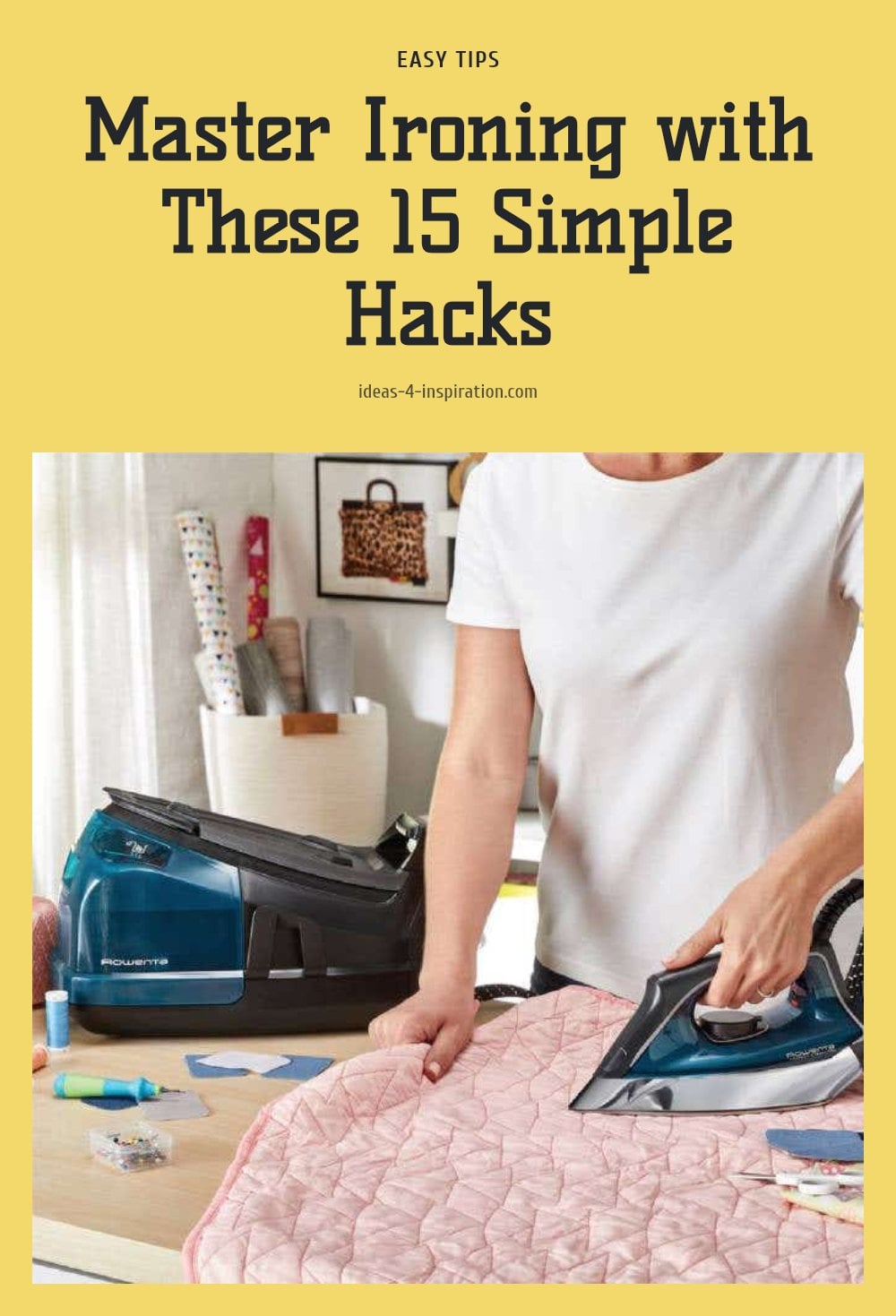
Ironing doesn’t have to be a chore you dread. With a few simple adjustments to your routine, you can get crisp, wrinkle-free clothes without spending hours at the board. This article covers the essential tips and hacks that make ironing easier, from sorting your fabrics to caring for your tools.
Key Takeaways
- Always check the care label first to set the right temperature and avoid damage.
- Sort clothes by fabric type and iron lower-temperature items before higher ones.
- Use distilled water in your steam iron to prevent mineral buildup and stains.
- Iron in sections: start with collars and cuffs, then sleeves, then larger panels.
- Hang or fold clothes immediately after they cool to set the press and prevent new wrinkles.
Make Ironing a Breeze with These Smart Strategies
Ironing doesn’t have to be a dreaded chore. With the right approach and a few clever tricks, you can get crisp, wrinkle-free clothes without spending your whole afternoon at the board. The key is to understand your fabrics, use the correct tools, and apply techniques that save time and protect your garments. From proper preparation to post-ironing care, the steps below will make your laundry routine more efficient and far less frustrating.
1. Check Care Labels First
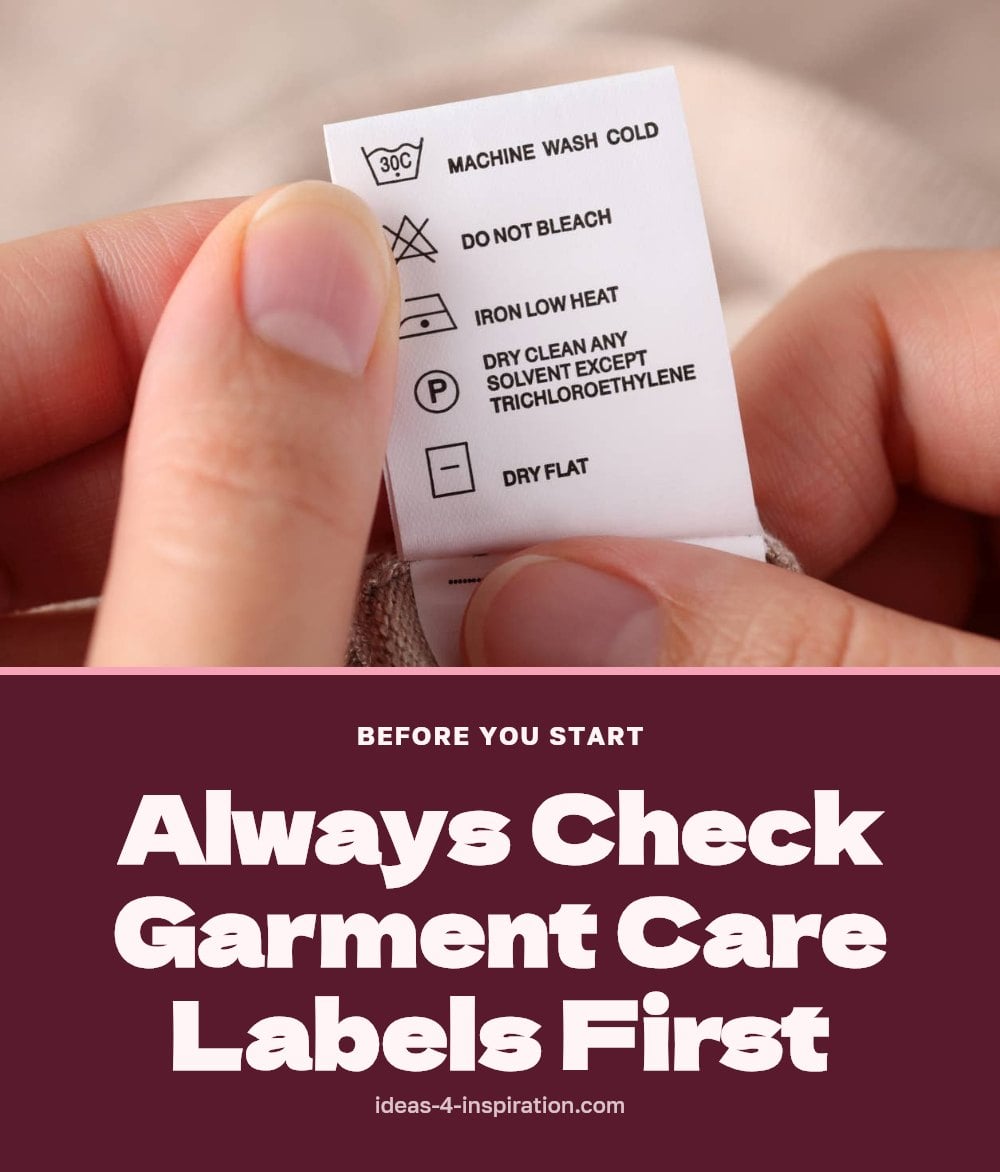
Start by looking at the garment’s care label. It’s your fabric’s instruction manual: it tells you the maximum temperature the fabric can handle and whether it needs steam or a dry iron.
Ignoring it can lead to scorching or damage to delicate materials. My tip: If you’re unsure, always err on the side of a lower temperature.
2. Sort Clothes by Fabric Type
Before you even plug in your iron, sort your clothes into piles based on fabric type.
This lets you iron delicate synthetics that need low heat first, then move to cottons and linens that require higher temperatures. You won’t have to wait for your iron to heat up or cool down between items, which saves you precious time.
3. Use a Clean Ironing Board Cover
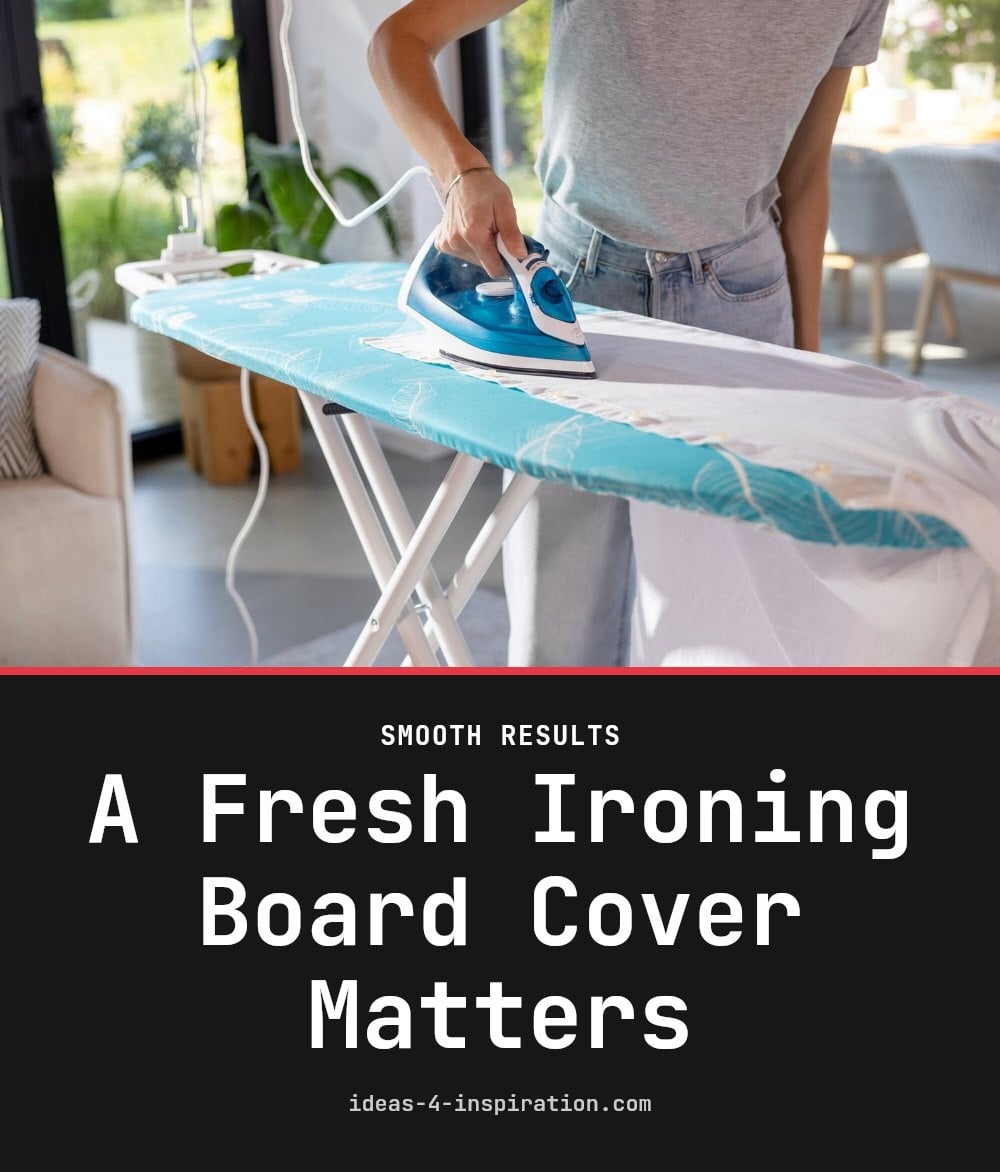
A clean ironing board cover prevents transferring dirt, lint, or old starch residue onto your freshly washed clothes.
A reflective cover can also speed up your ironing by bouncing heat back, ironing both sides of the fabric at once.
My tip: If your cover is stained, wash it or replace it. It makes a bigger difference than you might think.
4. Iron Clothes While Slightly Damp
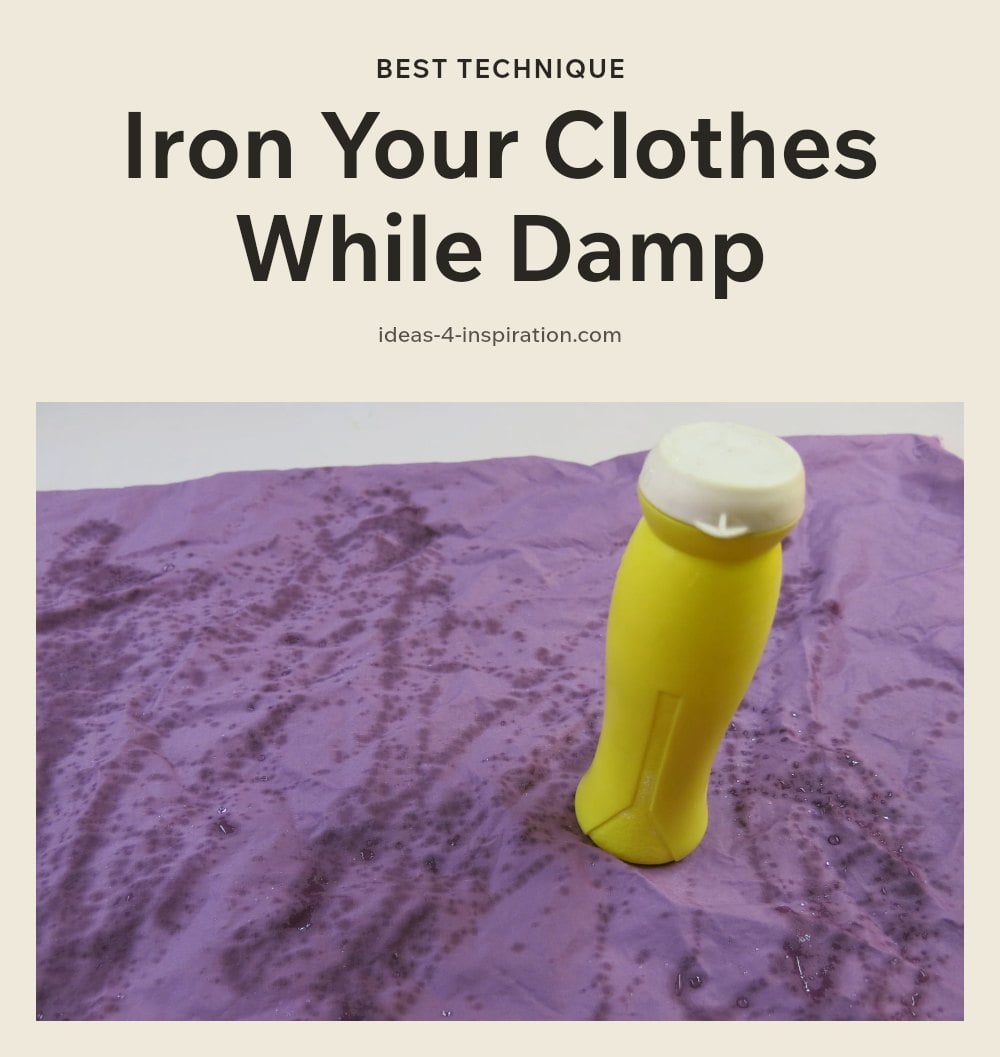
Ironing clothes while they are slightly damp makes wrinkle removal much easier because the moisture relaxes the fabric fibers, allowing the iron to glide smoothly. If your clothes are already dry, a quick spritz with a spray bottle filled with water works wonders. My tip: focus on one section at a time for the best results.
5. Use Distilled Water for Steam
If you use a steam iron, always opt for distilled water. Tap water, especially in hard water areas, contains minerals that can build up. This mineral buildup can clog your iron’s steam vents and, worse, leave white or brown stains on your clothes. It’s a small change that makes a big difference in the longevity of your iron and the cleanliness of your garments.
6. Iron in Sections
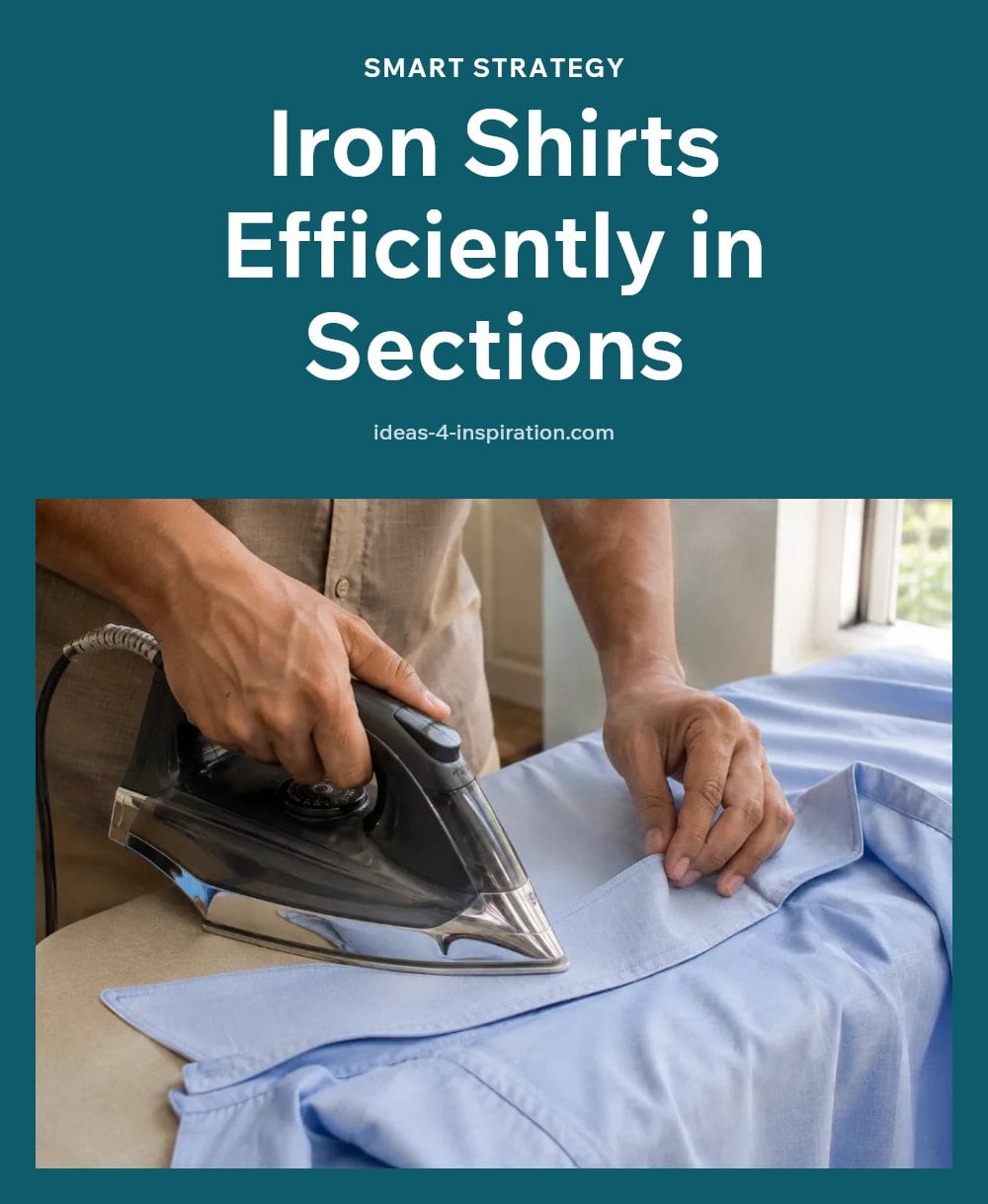
Don’t try to tackle an entire shirt at once. Instead, iron in sections, starting with the smaller, trickier parts. Begin with collars, cuffs, and plackets, then move to sleeves, and finally the larger body panels. This methodical approach ensures every part gets attention and prevents re-wrinkling areas you’ve already smoothed.
7. Keep the Iron Moving
To prevent scorching or burning your fabric, always keep the iron moving. Never leave a hot iron stationary on a garment. Use smooth, continuous strokes, applying firm, even pressure. This ensures even heat distribution and prevents damage.
Tip: If you need to pause, stand the iron upright on its heel rest, or place it on a heat-resistant pad.
8. Use a Pressing Cloth
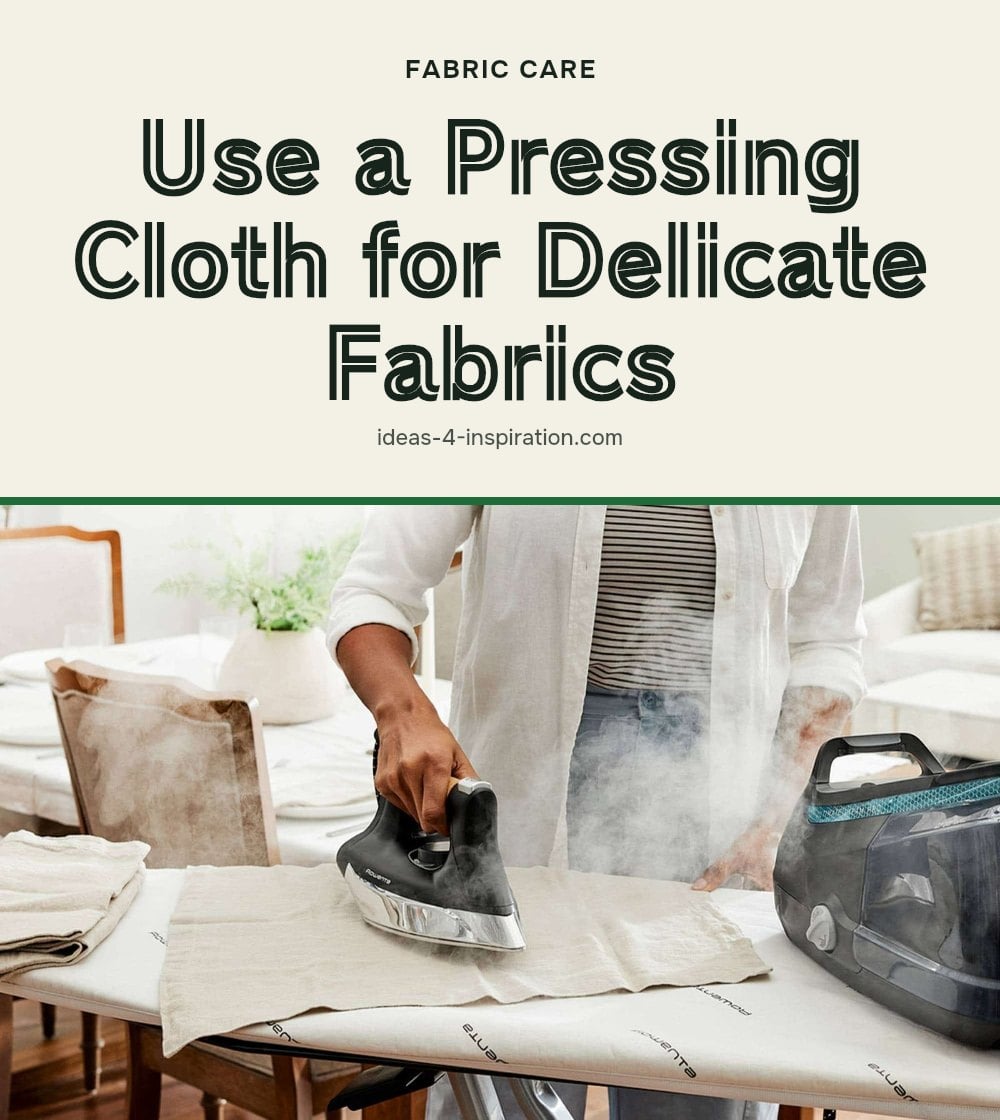
For delicate fabrics like silk, wool, or synthetics, and especially on dark garments, a pressing cloth is your best friend. It acts as a barrier between the iron and the fabric, preventing scorching, shine marks, and heat damage.
You can use a clean, thin cotton cloth or a specialized pressing cloth. Simply place it over the area you’re ironing and press as usual.
9. Iron Dark Fabrics Inside Out
This is another trick I swear by for dark clothing: iron them inside out. This prevents those shiny marks that can appear on dark fabrics.
The heat will still effectively remove wrinkles from the right side, but any potential shine or marks will be on the unseen interior. It’s a simple step that keeps your dark clothes looking pristine.
10. Iron Along the Grain
When ironing woven fabrics, always iron along the grain of the fabric. For knits, iron in the direction of the stitches.
This technique helps prevent stretching and distorting the garment, maintaining its original shape and fit. It’s particularly important for items like trousers and skirts where maintaining straight lines is key.
11. Avoid Zippers and Embellishments
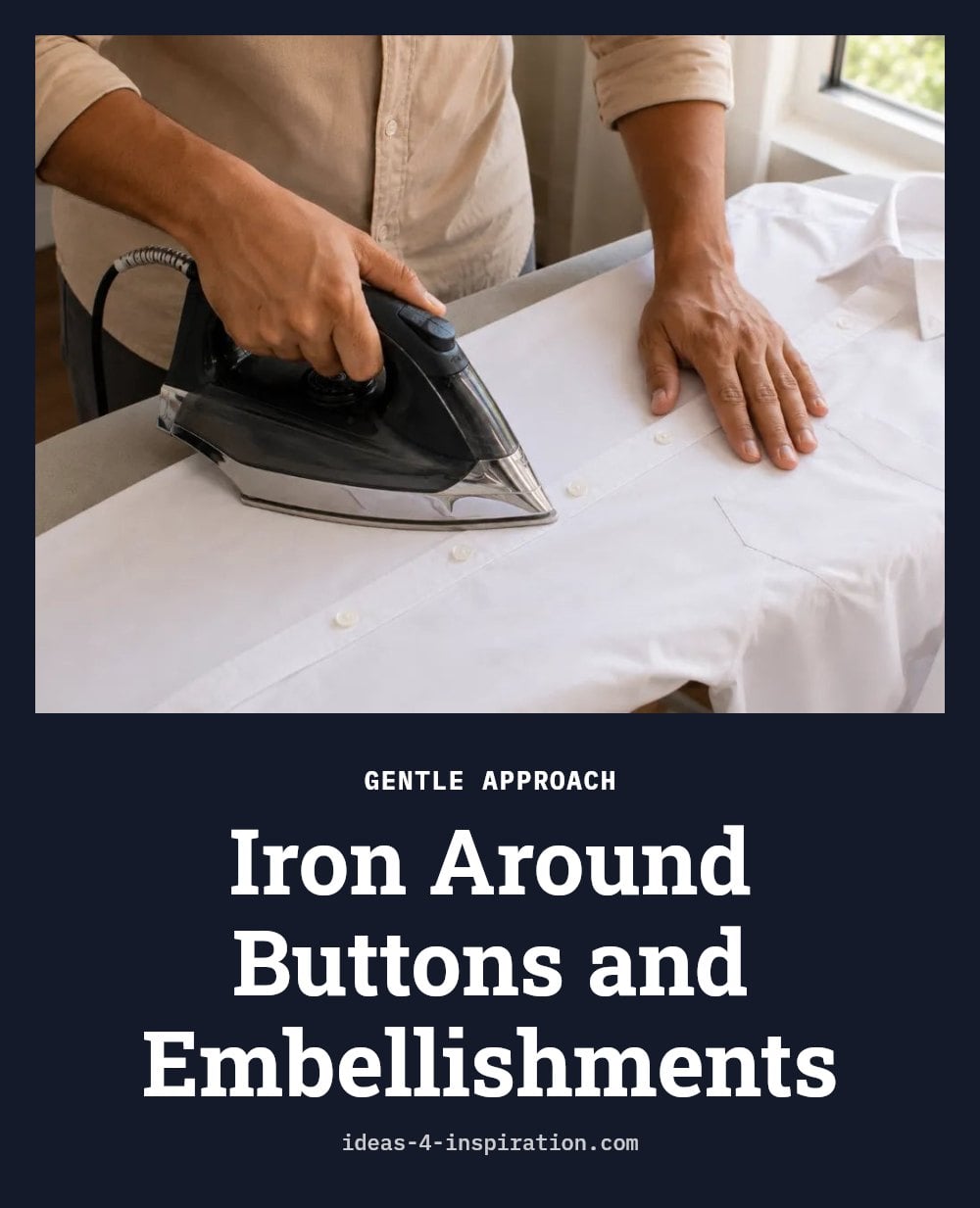
Never iron directly over zippers, buttons, sequins, or other embellishments. These can melt, scratch your iron’s soleplate, or even damage the garment itself. Carefully iron around them.
For buttons, you can often iron from the inside of the garment to smooth the fabric without touching the button directly.
12. Clean Your Iron’s Soleplate
A sticky or dirty soleplate can transfer residue onto your clothes, leaving unsightly marks. Regularly clean your iron’s soleplate according to the manufacturer’s instructions. Often, a paste of baking soda and water or a specialized iron cleaner works wonders.
- Apply the paste to the cool soleplate, let it sit for a few minutes, then wipe it off with a damp cloth.
- This removes built-up residue without damaging the surface, keeping your iron gliding smoothly.
13. Hang or Fold Immediately
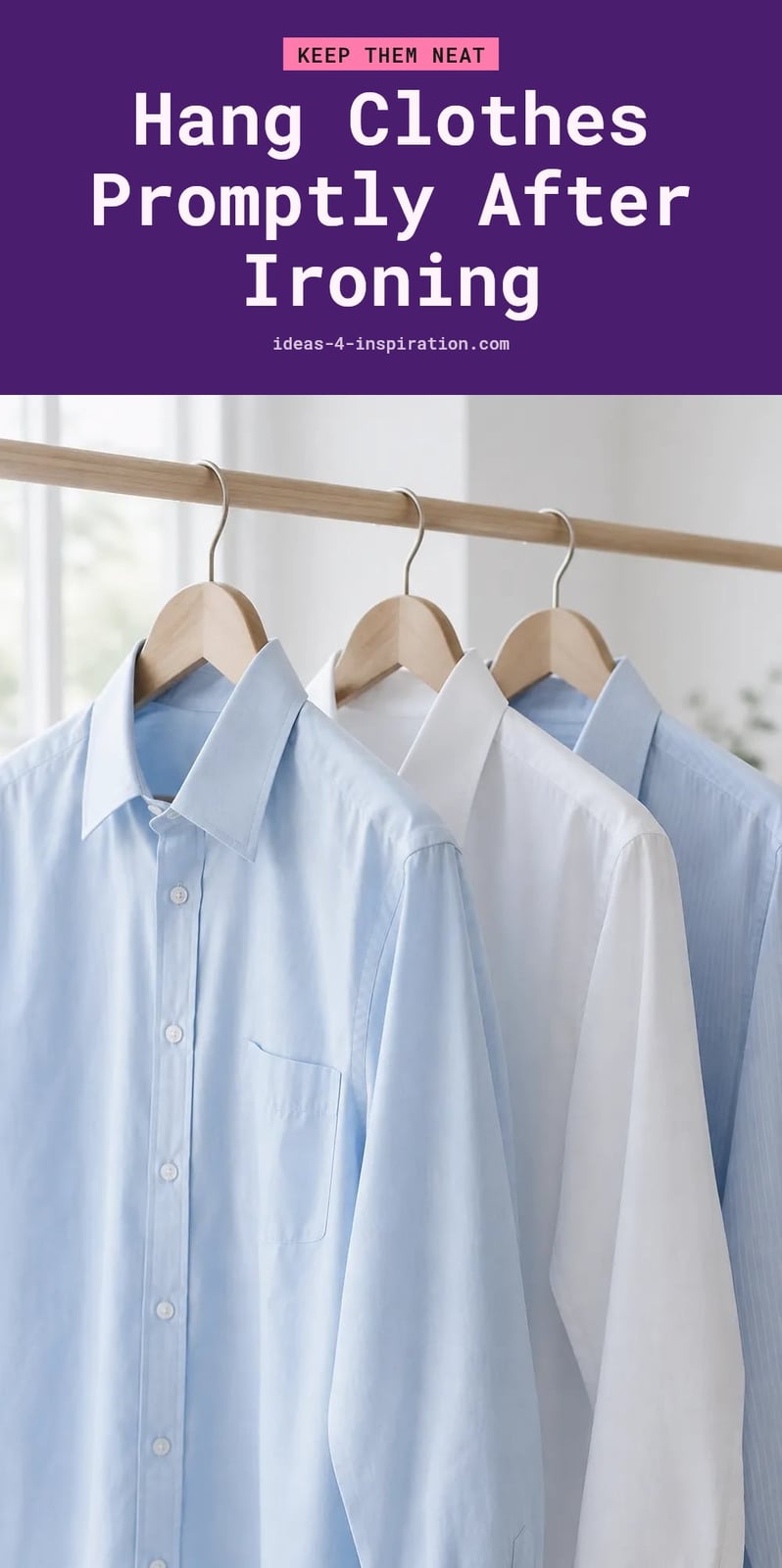
As soon as you finish a garment, hang it on a hanger or fold it neatly. Don’t toss it on a pile. Letting it cool completely on a hanger helps set the press and stops new wrinkles from forming. This quick step keeps your work from unraveling in minutes.
14. Empty the Water Reservoir
After every use, empty the water reservoir of your steam iron. Stagnant water leads to mineral buildup and can even grow bacteria, which then gets expelled onto your clothes. This simple habit extends your iron’s life and keeps your garments stain-free.
15. Safety First: Unplug and Cool
Unplug your iron immediately after use and let it cool completely before storing. Never leave a hot iron unattended, even for a moment. Keep it out of reach of children and pets. Caution: Always direct steam away from your body to avoid burns.
Common Ironing Mistakes to Avoid
Using the Wrong Temperature: Always check the care label to match the heat setting to the fabric type. Too hot can scorch, too cool won’t remove wrinkles.
Not Using Steam When Needed: For cottons and linens, steam is crucial for relaxing fibers and effectively removing stubborn wrinkles. Don’t skip it.
Leaving Clothes in a Pile After Ironing: This is a surefire way to get new wrinkles. Hang or fold immediately after they cool down.
Ignoring Iron Maintenance: A dirty or clogged iron can damage your clothes. Clean the soleplate and empty the water reservoir regularly.
Frequently Asked Questions
Can I iron all fabrics the same way?
No, each fabric has a different heat tolerance. Cottons and linens can handle high heat and steam, while synthetics like polyester and rayon need much lower temperatures. Always check the care label for the recommended setting to avoid damage.
What if my iron leaves marks on clothes?
Marks often come from a dirty soleplate or using tap water that leaves mineral residue. Clean the soleplate with a baking soda paste (check your manual first) and switch to distilled water. For dark fabrics, iron inside out or use a pressing cloth to prevent shiny marks.
How do I prevent my iron from sticking?
Sticking usually means the soleplate is dirty or the temperature is too high for the fabric. First, lower the heat setting. If it still sticks, clean the soleplate according to your iron’s manual. A clean, residue-free surface glides smoothly.
Is it better to iron wet or dry clothes?
It’s best to iron clothes while they are slightly damp because moisture helps relax the fibers, making wrinkles easier to remove. If your clothes are already dry, lightly spritz them with water from a spray bottle before ironing. Avoid ironing soaking wet items, as excess water can cause damage.
How often should I clean my iron?
How often depends on use, but a good rule is to clean the soleplate every few months or whenever you notice sticky residue or white/brown marks on your clothes. Empty the water reservoir after each use to prevent mineral buildup, and use distilled water to keep the vents clear longer.
Final Thoughts
My recommendation is to start with the care label on every garment. It takes seconds and saves you from scorching or melting a favorite piece. Realistically, once you get into the habit of sorting by fabric and ironing in sections, the whole task goes faster and feels less tedious. A little preparation goes a long way toward making ironing a smooth, efficient part of your laundry routine.