
You know that heavy feeling when a past hurt keeps playing on repeat in your mind, leaving you stuck in a loop of bitterness and anger? That’s resentment, and while it’s a natural response to feeling wronged, holding onto it can quietly drain your energy and well-being. In this article, I’ll walk you through what resentment really is, why it sticks around, and practical ways to release it so you can focus on your own healing and peace.
Key Takeaways
- Acknowledge and validate your feelings of anger and hurt without judging yourself.
- Forgiveness is for your own benefit and does not mean condoning the hurtful action.
- Set healthy boundaries in relationships to prevent new resentments from forming.
- Healing from resentment is a gradual process that can take weeks, months, or longer.
- Seek professional help if resentment is consuming your thoughts or affecting your daily life.
What Is Resentment and How Does It Affect You?
Resentment is a chronic feeling of bitterness and anger, usually tied to a perceived injustice, insult, or injury. It shows up as persistent hostility and ill will, and often as a mental loop of replaying the same past event. That loop is the tell: the hurt is still running in the background long after the event ended. Holding onto it can feed chronic stress, anxiety, and depression, and it can strain relationships and drag down your quality of life. Many people also find it affects physical health, including blood pressure and immune function.
Why We Hold Onto Resentment
At the root, resentment starts with feeling wronged, insulted, or injured. That sense of injustice is real to you, even when the other person never acknowledges it, and the mind keeps returning to the scene to make its case.
Why the loop keeps running
- Replaying past events: Each mental rerun refreshes the anger and keeps you from moving forward, because the brain treats the memory as unfinished business.
- Self-protection: Staying angry can feel like armor. It signals that you will not be hurt the same way again, so letting go feels risky.
- Fear of condoning: Many people hold on because releasing the anger feels like saying the action was acceptable. It is not the same thing.
Understanding which of these keeps your resentment alive matters, because each one needs a different response. The armor needs reassurance, and the fear of condoning needs a clearer definition of what letting go actually means.
Practical Ways to Release Resentment
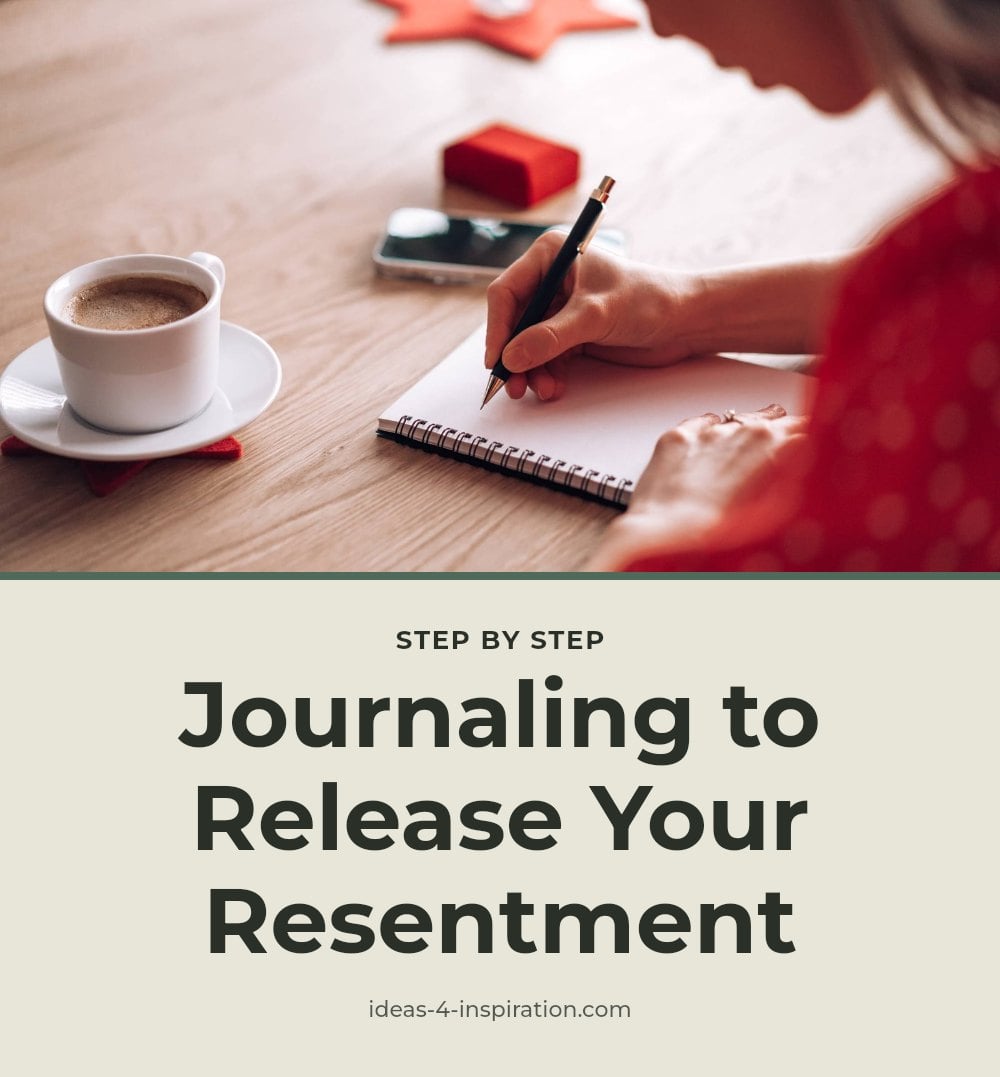
Releasing resentment is a set of small, repeatable actions rather than one big decision. Work through the ones that fit your situation, and skip the ones that do not.
Start with the feeling
- Acknowledge the anger: Name what you feel without judging it. Suppressing resentment usually means it resurfaces later, often stronger.
- Pin down the source: Write one sentence describing the specific event or the pattern of events that started it. Vague anger is harder to work with than a named incident.
- Practice self-compassion: Treat your hurt as understandable. Healing takes time, and rushing it tends to backfire.
Change what you do with it
- Set boundaries: Decide what you will and will not accept in the relationship, then communicate it. Clear limits protect your emotional well-being and reduce repeat hurts.
- Journal it out: A few pages of unfiltered writing can move thoughts from a loop into something you can look at. My tip: write for 10 minutes, then close the notebook and do something with your hands.
- Restructure the thought: Cognitive restructuring means catching a thought like “they did it to humiliate me” and testing it against what you actually know. The goal is a more accurate thought, not a kinder one.
- Focus on your control: You cannot rewrite the past or the other person’s behavior. You can choose your reactions and where you go next.
Rebuild your balance
Self-care is not a reward for healing, it is part of the process. Sleep, movement, time outside, and regular contact with people who are easy to be around all lower the intensity of the anger you are carrying. Keep the routine going on the days you feel fine, not only on the hard ones, because steady habits are what hold the ground you have gained.
Caution: Confronting the person who hurt you can help in some cases and backfire in others. Assess whether it is safe and likely to be productive before you bring it up. If the resentment is consuming your thoughts or the source involves an ongoing unsafe situation, talk to a therapist or counselor rather than working through it alone.
Understanding Forgiveness: It’s For You, Not Them
Forgiveness, in this context, is for you. It is the decision to stop carrying the emotional weight of what happened, and it benefits the forgiver far more than the person who caused the hurt.
It does not mean forgetting the event, condoning the behavior, or reconciling with the person. You can forgive and still keep your distance, and you can forgive while remembering exactly what happened.
What it actually looks like
- Release, not approval: You let go of the burden for your own peace, without saying the action was acceptable.
- Memory stays: The facts remain. Forgiveness changes how much space they take up.
- Reconciliation is separate: Rebuilding the relationship is a different choice, and it is not required.
Common Mistakes When Trying to Let Go of Resentment
One of the biggest traps is believing that letting go means you condone what happened. Letting go is about your own healing, not excusing the hurtful action. You can release the emotional weight without ever saying the behavior was okay.
Thinking forgiveness requires forgetting: You can forgive without erasing the memory of what happened. The goal is to stop the memory from controlling your present mood.
Expecting an apology to heal: Your healing is independent of the other person’s actions or remorse. Waiting for an apology that may never come keeps you stuck.
Forcing forgiveness: It is a gradual process. Acknowledge your feelings first before trying to move past them.
Confusing forgiveness with reconciliation: They are not the same, especially in unhealthy relationships. You can forgive someone and still keep your distance.
Underestimating the impact on your health: Chronic resentment takes a real toll on your well-being, including increased stress and potential physical health issues.
Preventing New Resentments from Taking Root
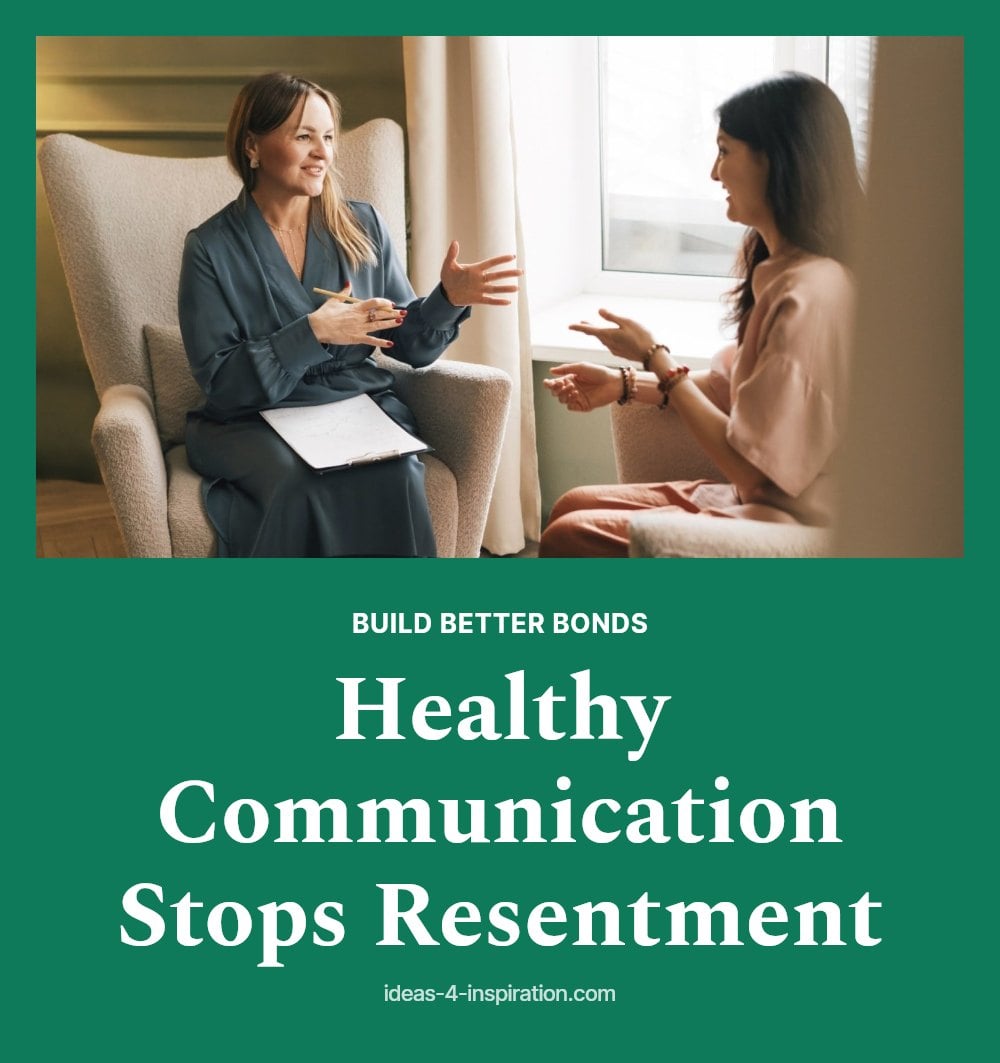
Preventing new resentments starts with small, consistent habits in your daily interactions. These proactive steps help you address issues before they turn into long-term bitterness.
Set Healthy Boundaries: Clearly communicate your limits and needs in relationships. A simple “I can’t take on that extra work right now” sets a clear line.
Practice Assertive Communication: Express your feelings and needs constructively and respectfully. Use “I feel” statements so the other person hears your perspective without feeling attacked.
Address Issues Promptly: Don’t let small annoyances fester. Deal with them before they grow into larger resentments. A quick conversation can clear the air.
Cultivate Empathy: Try to understand others’ perspectives when appropriate. You don’t have to agree, but seeing their side can reduce the sting of a perceived slight.
Prioritize Self-Care: A strong emotional foundation makes you less susceptible to resentment. Regular sleep, exercise, and downtime build resilience against daily frustrations.
When to Seek Professional Help for Resentment
If resentment is consuming your thoughts or significantly affecting your daily life, it is time to seek professional help. A therapist or counselor can provide tools and guidance for processing complex emotions that feel stuck.
If the resentment is leading to severe emotional distress, anxiety, or depression, do not try to handle it alone. A mental health professional can help you build a structured plan for healing.
If the source of resentment involves ongoing abuse or an unsafe situation, prioritize your safety first. Reach out to relevant authorities or support organizations before focusing on emotional work.
Healing Takes Time: What to Expect on Your Journey
Healing from resentment is not a linear process with a fixed deadline. The timeline is highly individual and can take weeks, months, or even longer depending on the depth of the hurt and your commitment to the work.
Commitment: Your progress depends on how consistently you process the hurt and focus on personal growth. Some days will feel harder than others.
Tools: Journaling and mindfulness apps are generally low-cost or free resources you can use at home. Even 10 minutes a day of writing or guided meditation can shift your perspective over time.
Frequently Asked Questions
What’s the difference between resentment and anger?
Anger is an immediate emotional response to a specific event or frustration, and it often fades once the situation is resolved. Resentment is a chronic, lingering form of bitterness that builds up over time, usually tied to a past injustice or injury that you replay in your mind. Resentment is anger that has been stored and repeated.
Can I let go of resentment if the other person never apologizes?
Yes, you can. Letting go of resentment is primarily for your own well-being and does not depend on the other person apologizing or changing. Your healing is about releasing the emotional weight you carry, not about getting an apology. You can move forward without waiting for them to acknowledge the hurt.
How long does it take to truly forgive and let go?
The timeline is highly individual and depends on the depth of the hurt and how consistently you work through your feelings. It can take weeks, months, or even longer. There is no set deadline, and the process is not linear. Be patient with yourself and focus on progress, not perfection.
Does letting go of resentment mean I have to forget what happened?
No, letting go does not require forgetting. You can remember the event and still release the emotional charge it has over you. Forgiveness is about freeing yourself from the bitterness, not erasing your memory. You can learn from the past without letting it control your present.
Can resentment affect my physical health?
Yes, holding onto chronic resentment can contribute to physical health issues. It is linked to increased stress, anxiety, and depression, and may even raise blood pressure and weaken immune function over time. Letting go is not only good for your emotional health but also supports your physical well-being.
Is it possible to prevent resentment from forming in new relationships?
Yes, you can reduce the likelihood of new resentments by setting clear boundaries early on and communicating your limits and needs openly. Addressing small issues before they build up, and practicing self-care, also help prevent bitterness from taking root. Healthy habits in daily interactions go a long way.
Final Thoughts
Letting go of resentment is a personal journey that requires patience and self-compassion. Start by naming what you feel without judgment, then focus on what you can control: your own reactions and your path forward. Healing is not linear and may take time, but each small step you take toward release is a step toward greater emotional freedom. You deserve to move forward without that weight.
This article is for general informational purposes only and does not constitute medical or professional advice. If you are experiencing persistent or severe emotional distress related to resentment, please consult a licensed therapist or counselor for personalized support.