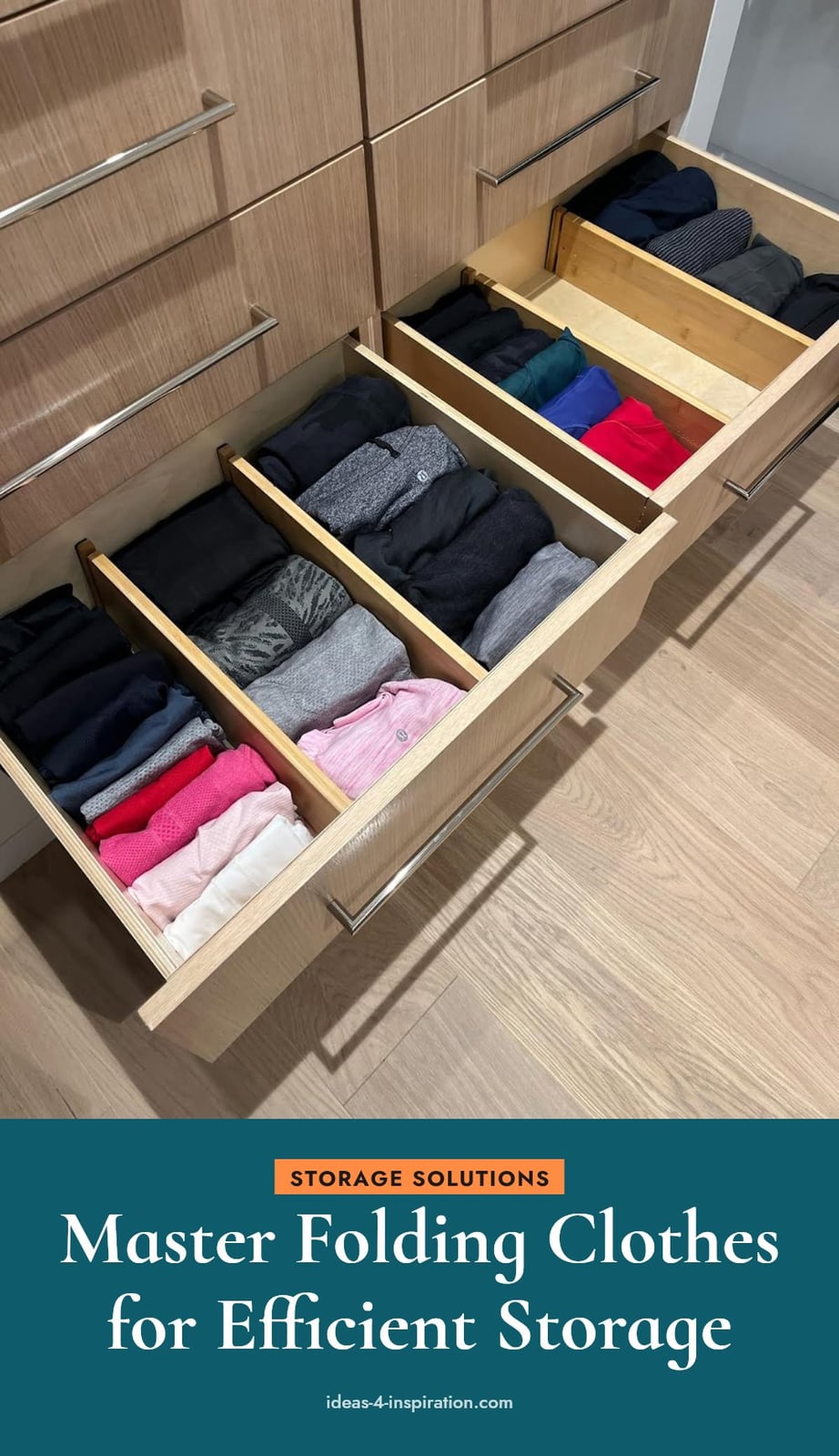
You open a drawer and dig through a pile of clothes to find the one shirt you want. It is frustrating, and it wastes space. The fix is not more storage. It is better folding. I am talking about techniques that turn each item into a compact bundle, like the pocket method, so everything stays neat and easy to find.
This article walks you through the pocket method step by step for jeans, shorts, socks, underwear, sweaters, and more. You will also get other folding options, smart storage tips, and ways to avoid common mistakes.
Key Takeaways
- Fold clothes into a pocket to keep them compact and prevent unraveling.
- Store folded items vertically in drawers for easy visibility and access.
- Always fold completely dry clothes to avoid mildew and set-in wrinkles.
- Match the folding method to the garment type for best results.
- Practice the pocket method to fold a full load in 10 to 15 minutes.
Why Mastering Folding Makes a Difference
A good fold does more than make a drawer look tidy. It buys you space in closets, drawers, and suitcases, and it keeps clothes easy to grab instead of buried. The method matters too: the KonMari fold creates a small, self-supporting rectangle you can stand upright, while the military roll keeps wrinkles down and squeezes more into luggage. Match the fold to the garment and you get a calmer closet and faster mornings.
Essential Tools for Perfect Folds
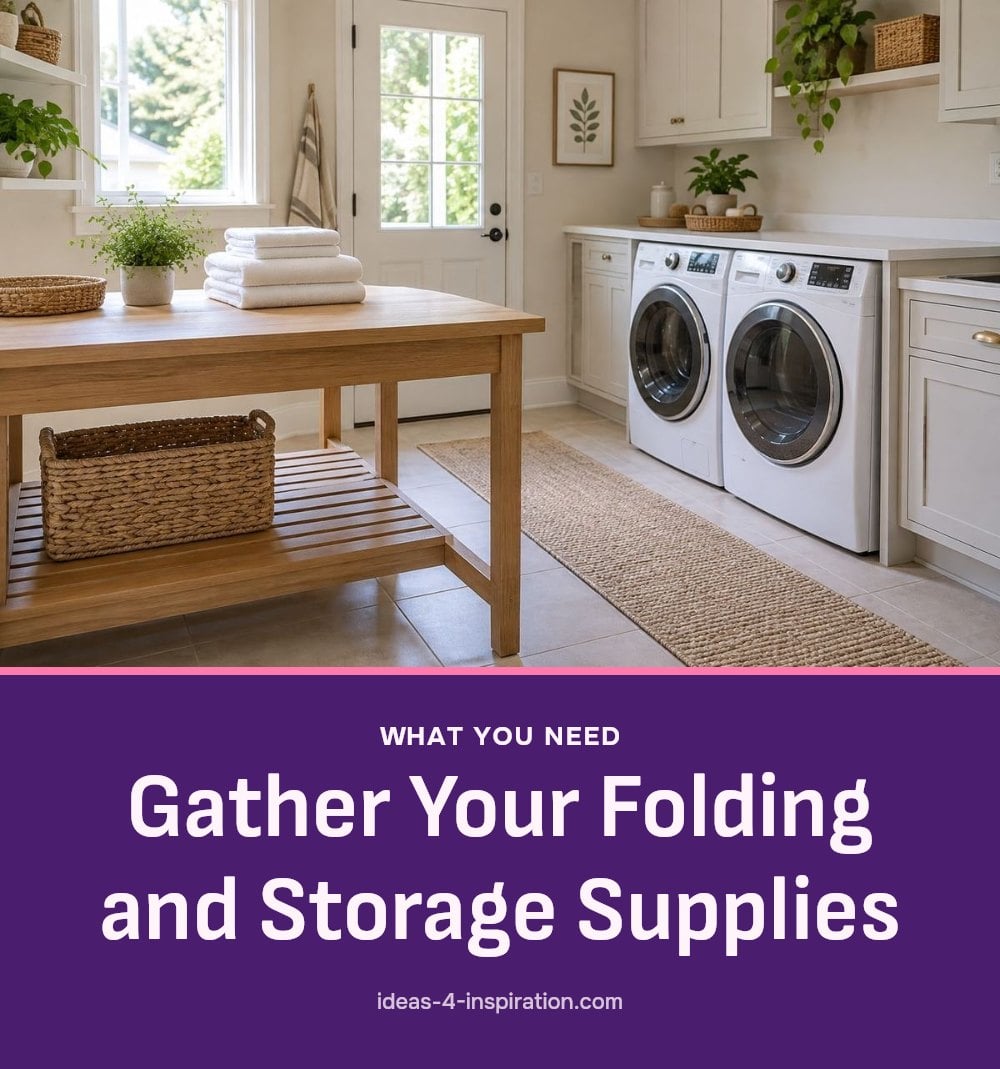
You do not need much, but a few basics make every fold cleaner and faster.
- Clean, flat surface: A table or bed gives you a firm base for crisp, even folds. A soft, lumpy surface traps wrinkles you cannot smooth out later.
- Folding board (optional): Great for shirts, since it produces the same uniform rectangle every time and keeps stacks level.
- Drawer dividers (optional): They hold folded items upright so nothing slumps into a pile and you can see everything at a glance.
- Tissue paper: Slip it into silk or lace folds to prevent snags and creases on delicate fabric.
The Pocket Method: Folding Clothes for Maximum Space
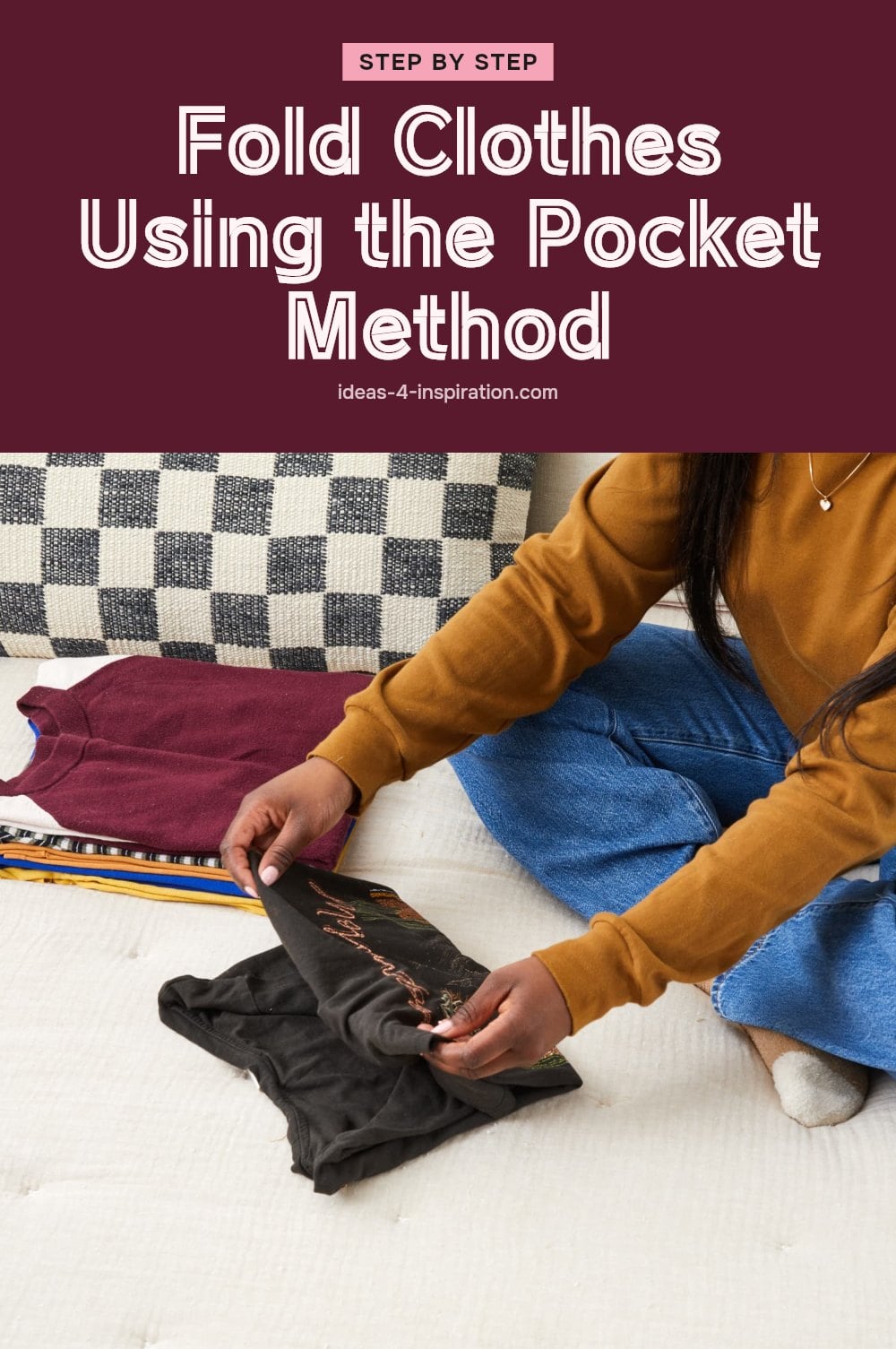
The pocket method turns almost every garment into a neat, self-contained bundle that will not unravel in a suitcase or a drawer. The idea is simple: fold the piece so one end forms a pocket, then tuck the other end inside it. Here is the order I follow for each item.
- Jeans: Lay them face up and fold vertically, then fold the back peak forward. Bring the lower end up toward the peak, fold the other end so the pants split into two equal parts, and tuck the lower end into the central hole.
- Sports shorts: Lay them face up and fold the upper part down so the shorts divide in half. Tuck the lower end into the central hole.
- Leggings: Fold them in half lengthwise, then fold both sides toward the center. Tuck the lower end into the central hole.
- Socks: Place one sock on top of the other and bend the heels inward. Bring the lower side up to the heels, lay the upper side over the tip, and tuck the remaining end into the pocket. Ankle socks follow the same steps.
- Women’s underwear: Fold one side slightly toward the center, then fold the other side completely to the end. Fold the top part toward the center so the piece divides in half, then tuck the remaining end into the hole.
- Thongs: Lay face down and fold one side twice toward the center. Do the same on the other side but fold it to the opposite end, fold the top part down, and tuck the remaining end into the gap.
- Boxer shorts: Lay them on their back and fold in half, then fold both sides so they overlap slightly. Fold the top part down into two equal halves and tuck one half into the hole formed by the other. For tight boxers, lay face up and fully overlap both sides first, then continue as above.
- Pajama set: Lay the shirt face up and place the pants on top. Fold both sides of the pants so they overlap, fold the shirt sides starting where the pants begin, bring the straps down, and fold both ends toward the center.
- Short skirt: Lay it face up and overlap the two sides. Fold from the bottom so the piece divides in half, then tuck one part into the hole formed by the other.
- Sweater: Lay it face down. Fold each side toward the neck, then bring the sleeve down. Bring the bottom end toward the center so it divides in half, then tuck one side into the hole formed by the other.
- T-shirt: Lay it face down. Fold each side up to the neck, then position the sleeve. Fold in half from top to bottom, fold from the top again until it divides in half, and tuck one side into the hole formed by the other.
Good to know: Because each bundle locks into itself, these packs stay put when you stack them in a backpack or carry-on, which is why I reach for this method before any trip.
Prefer to watch? Yoteayudo walks through the whole method in this 14-minute video. The how-to part starts at 0:20.
Beyond the Basics: Other Folding Methods
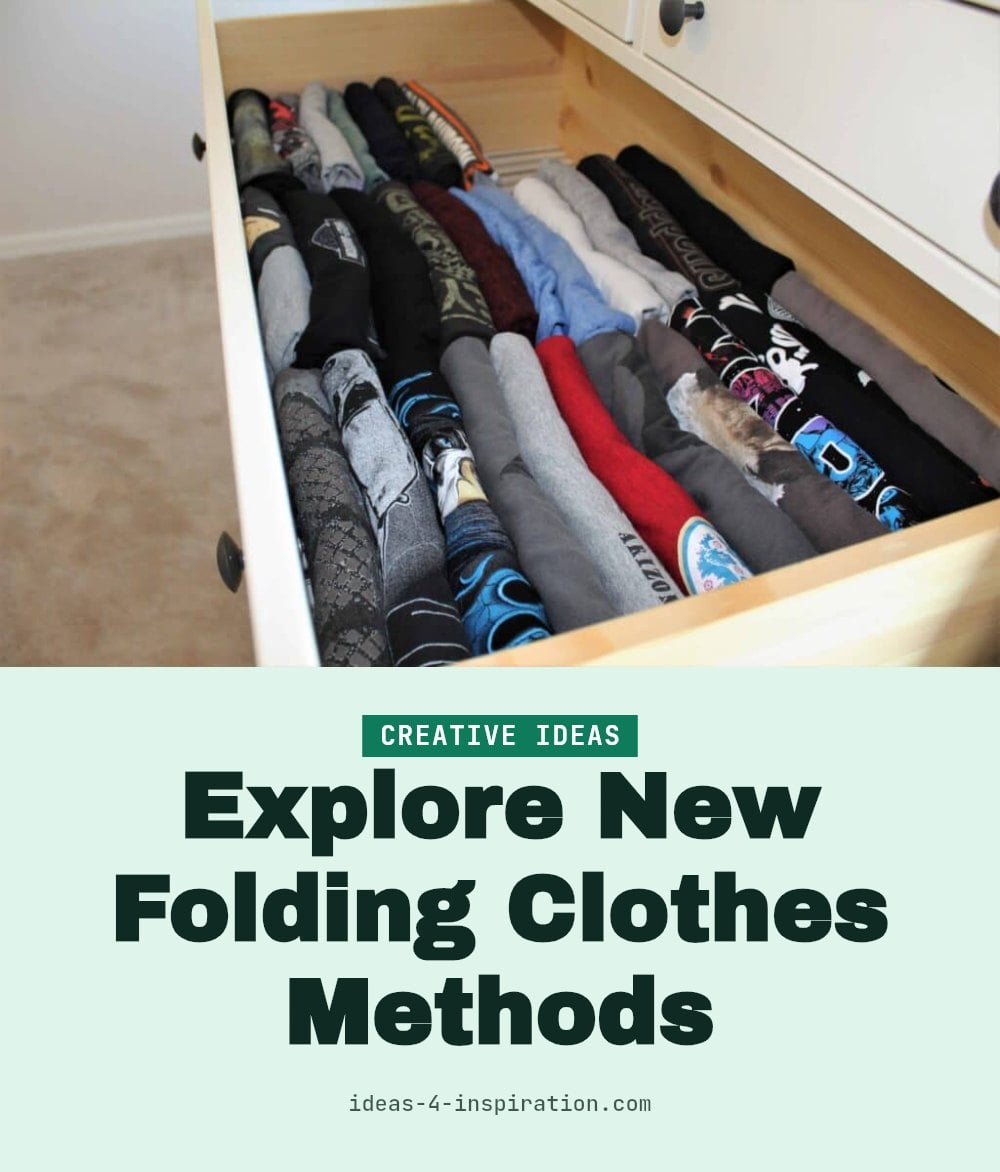
The pocket method covers most of a daily wardrobe, but a few other techniques earn their place depending on the fabric and where the item is going.
KonMari fold
Fold each piece into a small, self-supporting rectangle that can stand upright in a drawer. This is the method for anyone who wants to see every option the moment the drawer opens.
Military or ranger roll
Rolling compresses clothing tightly and keeps wrinkles to a minimum, which makes it a strong choice for luggage and backpacks where every inch counts.
Flat fold for bulky knits
Sweaters and other chunky knits do better with a simple flat fold. Extra creasing and tight compression can stretch or deform the fabric over time.
Tissue paper for delicates
Silk and lace benefit from a gentle fold or roll with tissue paper layered in between, which prevents snags and soft creases along the fold lines.
Top Tips for Flawless Folds and Storage
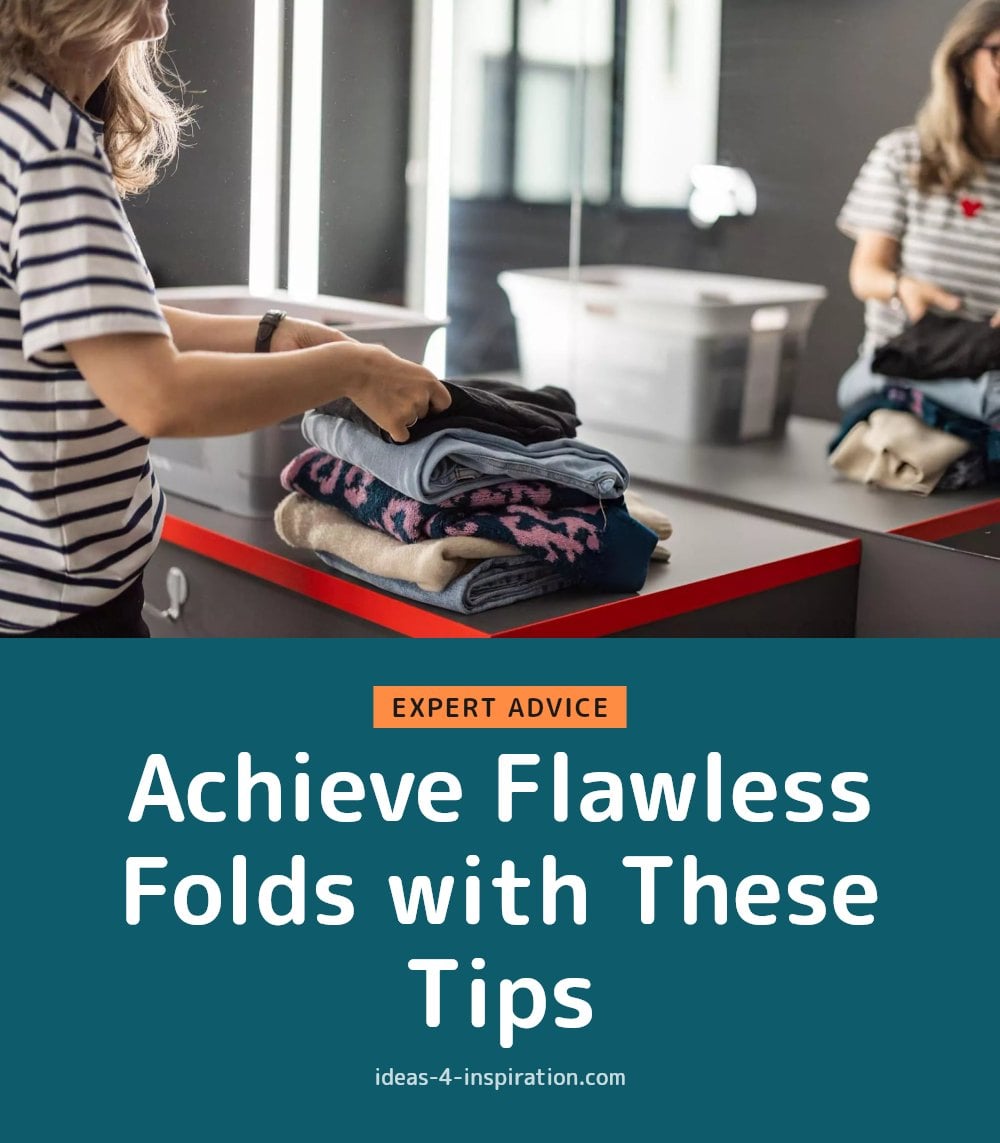
Sort Before You Fold: Separate your laundry by type, t-shirts, jeans, socks, before you start. You will stay in a rhythm instead of stopping to switch methods.
Completely Dry is Key: Fold only bone-dry clothes. Any lingering moisture feeds mildew and sets wrinkles that are nearly impossible to remove later.
Smooth Out First: My tip: Run your hand over each garment on the flat surface before you make the first fold. One pass traps fewer wrinkles than trying to press them out after folding.
Vertical Storage for Visibility: Stand folded items on their edges in the drawer. You see every piece at a glance and never have to dig through a stack.
Don’t Overstuff: Leave a finger’s width of space between stacks. Packed drawers crush fibers and create creases that the fold was supposed to prevent.
Fold Immediately: Grab clothes the second the dryer stops. Warm fabric holds a shape better, and you lock in the flat, wrinkle-free surface before it cools.
Common Folding Mistakes to Avoid
Folding Damp Clothes: This is a big no-no. Warm or damp fabric sets creases and invites mildew that can ruin the garment and irritate your skin.
One-Size-Fits-All Approach: Jeans and silk blouses need different treatment. A heavy fold that works for denim can distort a delicate top or leave it with hard creases.
Over-Folding Bulky Items: Folding a thick sweater into too many layers makes it puffier, not smaller. One clean fold per bulky piece keeps it compact without adding volume.
Ignoring Smoothing: Skipping the flat-surface smoothing step traps wrinkles inside the fold. Those creases are hard to shake out later, even with steaming.
Horizontal Piling: Stacking folded clothes flat means you can only reach the top few. Items at the bottom get crushed and forgotten, which leads to re-folding the whole pile.
Folding Efficiency: Time and Practice
Time Investment: A full load of mixed laundry takes 10 to 15 minutes with the pocket method. The exact time depends on how many items you are folding and how complex each piece is.
Practice Makes Perfect: The first few attempts with a new fold will feel slow. After five or six loads you will move faster without thinking about each step.
Minimal Cost: You need no special equipment. A folding board or drawer dividers are optional and cost very little, but your time is the only real investment.
Frequently Asked Questions
What is the KonMari method for folding clothes?
The KonMari method involves folding each garment into a small, self-supporting rectangle that can stand upright in a drawer. This vertical storage lets you see all your items at a glance and grab any piece without disturbing the others. It is especially useful for drawers where you want to maximize visibility and access.
Can folding clothes prevent wrinkles?
Yes, folding clothes neatly can help prevent creases and wrinkles, especially for garments made of certain fabrics. Smoothing each piece before folding and storing it properly reduces the chance of wrinkles setting in. However, folding damp or warm clothes can actually create wrinkles, so always make sure items are completely dry first.
Should I use a folding board for all my clothes?
A folding board is optional and works best for achieving consistent, uniform folds, especially for shirts. It is not necessary for all garments; bulky items like sweaters or delicate pieces may be easier to fold by hand. Use a board if you want perfectly uniform stacks, but feel free to skip it for items that need a gentler touch.
How can I keep delicate clothes from snagging when folded?
For delicate items like silk or lace, gently fold or roll them with tissue paper to prevent snags and wrinkles. Avoid harsh creases and store them separately from rougher fabrics. Using tissue paper creates a protective layer that reduces friction and helps maintain the fabric’s integrity.
Is it better to roll or fold clothes for travel?
Rolling clothes, often called the military roll or ranger roll, can be highly effective for minimizing wrinkles and maximizing space in luggage. However, the pocket method also works well for travel because it creates compact bundles that stay put. The best choice depends on the garment and your preference, so try both and see what works for you.
How do I prevent mold on folded clothes?
Ensure clothes are completely dry before folding and storing to prevent mold and mildew growth. Any lingering moisture can create a damp environment that encourages mildew, which may cause skin irritation or respiratory issues. Store folded items in a dry, well-ventilated area and avoid overstuffing drawers so air can circulate.
Final Thoughts
My tip: start with the pocket method on your bulkiest items like jeans and sweaters, then work your way to smaller pieces. Give it a few tries. The first attempts may feel clumsy, but after a week of regular folding, you will notice a real difference in drawer space and how quickly you find things. Expect your drawers to stay neat for days, not hours, once everything has its own compact bundle.
Once you get the hang of it, folding becomes second nature, and your closet stays organized with less effort.