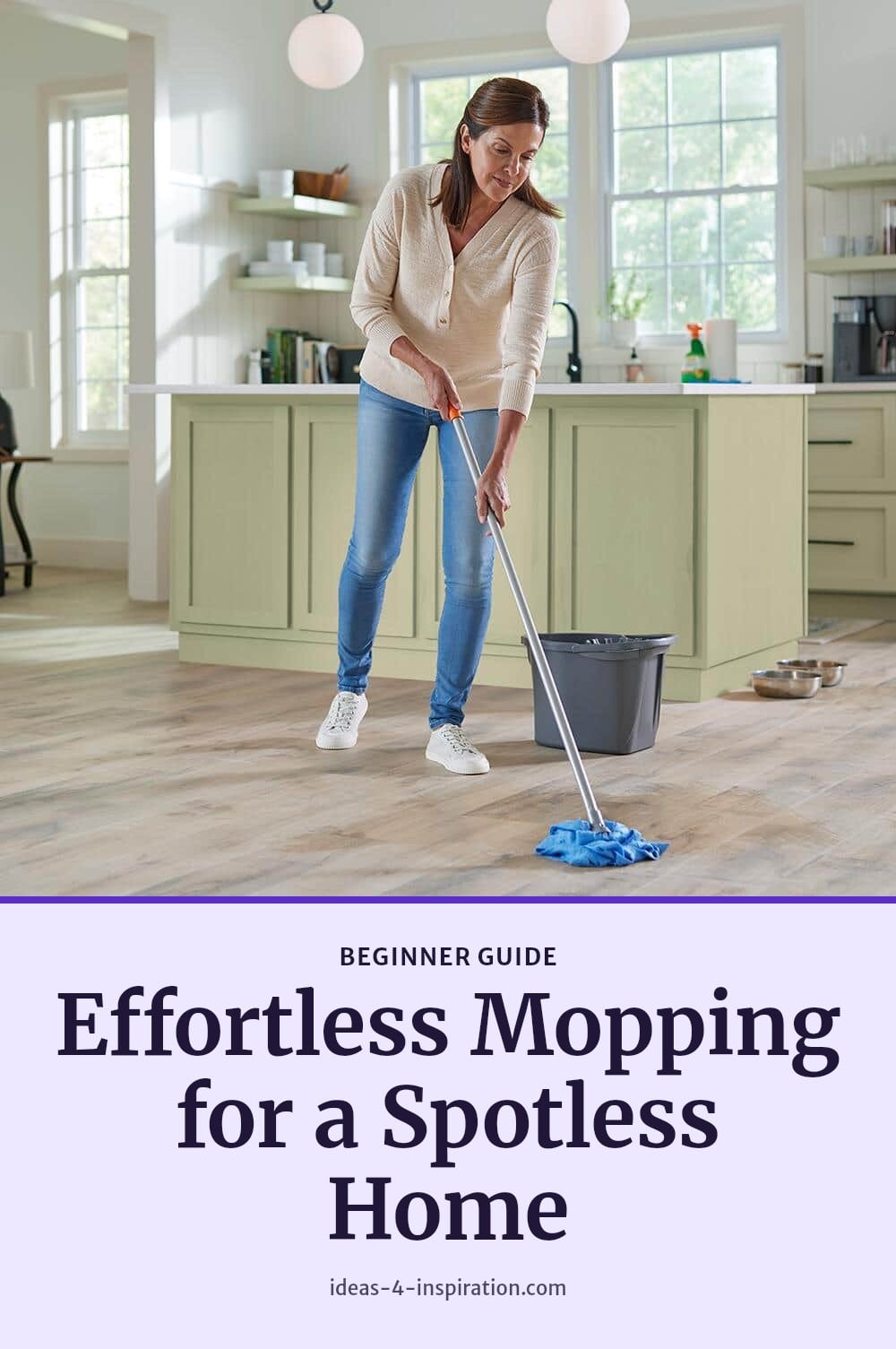
You might think mopping is as simple as dipping a mop in water and gliding it across the floor, but there’s a right way to do it that leaves your floors spotless and protects them from damage. The secret lies in preparation, using the right cleaner for your floor type, and a few simple techniques that prevent streaks and redepositing dirt. In this article, I’ll walk you through the step-by-step process to mop like a pro, common mistakes to avoid, and my best tips for keeping your floors sparkling clean.
Key Takeaways
- Sweep or vacuum thoroughly before mopping to avoid turning dirt into mud.
- Use a neutral pH cleaner diluted according to the label to protect floor finishes.
- Mop in small sections, about 5×5 or 8×8 feet, working from the farthest corner toward the exit.
- Change mop water or rinse mop heads whenever they look dirty to avoid spreading grime.
- Let floors air dry completely and rinse your mop head after every use.
The Secret to Truly Clean Floors
The real secret to clean floors isn’t the mop you use, it’s the prep. Effective mopping starts with thorough vacuuming or sweeping to remove loose debris. If you skip this step, you’re just pushing dirt and hair around. Use a neutral pH cleaner mixed to the correct dilution ratio on the bottle, which prevents damage to finishes and leaves behind no sticky residue. Then mop in small sections, working from the back of the room toward the exit, and rinse or change your mop heads regularly so you aren’t spreading dirty water back onto the floor.
Your Mopping Arsenal: Tools and Products
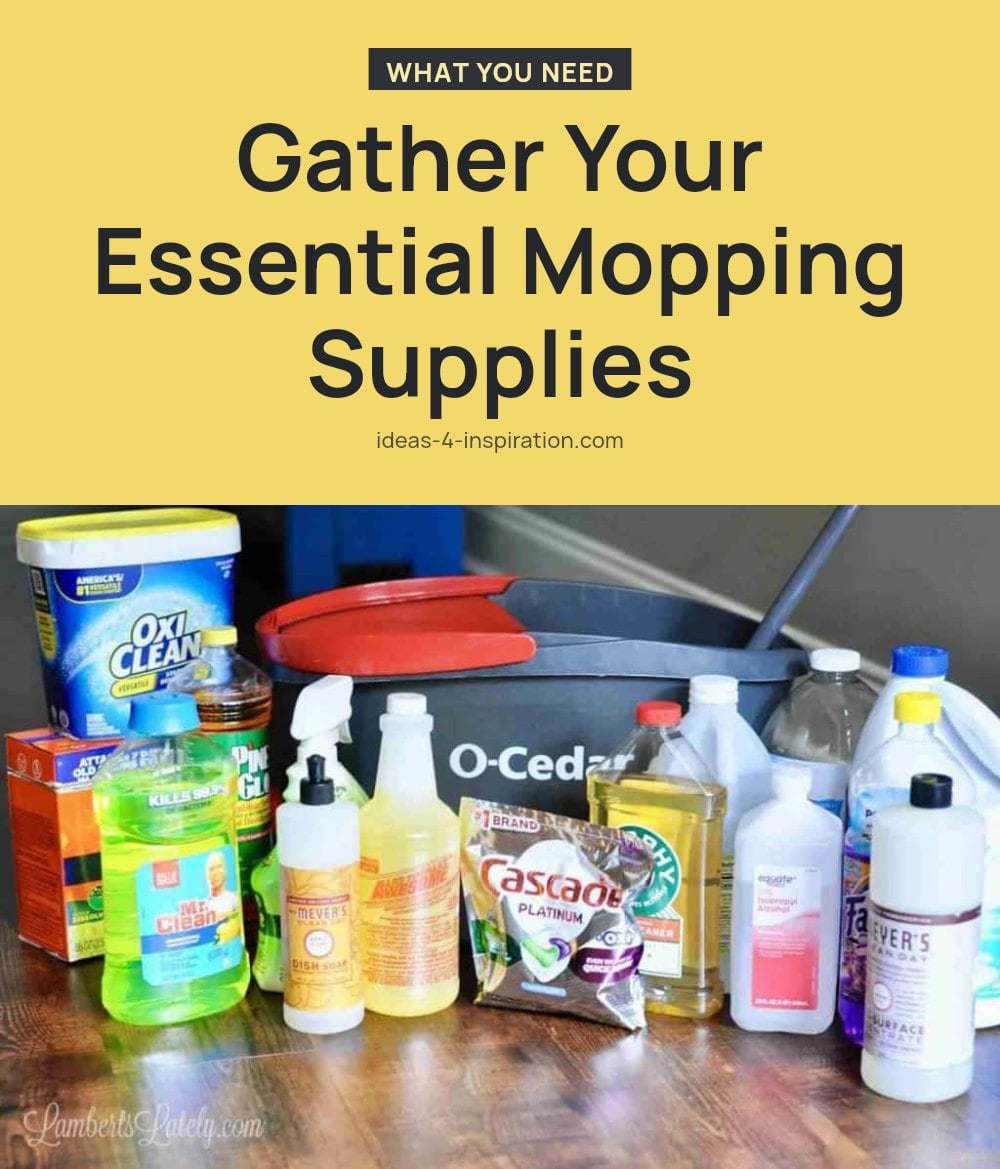
Here’s what you need before you start mopping.
- Broom or vacuum: A soft brush attachment on your vacuum prevents scratches on wood floors. Use it to clean baseboards and hard-to-reach areas before mopping.
- Neutral pH floor cleaner: This works for most floor types without stripping finishes or leaving residue. Avoid acidic or alkaline cleaners for everyday use.
- Microfiber flat mop: These trap dirt efficiently and use less water and cleaner than traditional string mops. They are also easier to rinse and dry.
- Multiple mop heads or a double-bucket system: Having several clean mop heads on hand lets you swap them out when one gets dirty. A double-bucket system keeps rinse water separate from wash water.
Step-by-Step: How to Mop Like a Pro
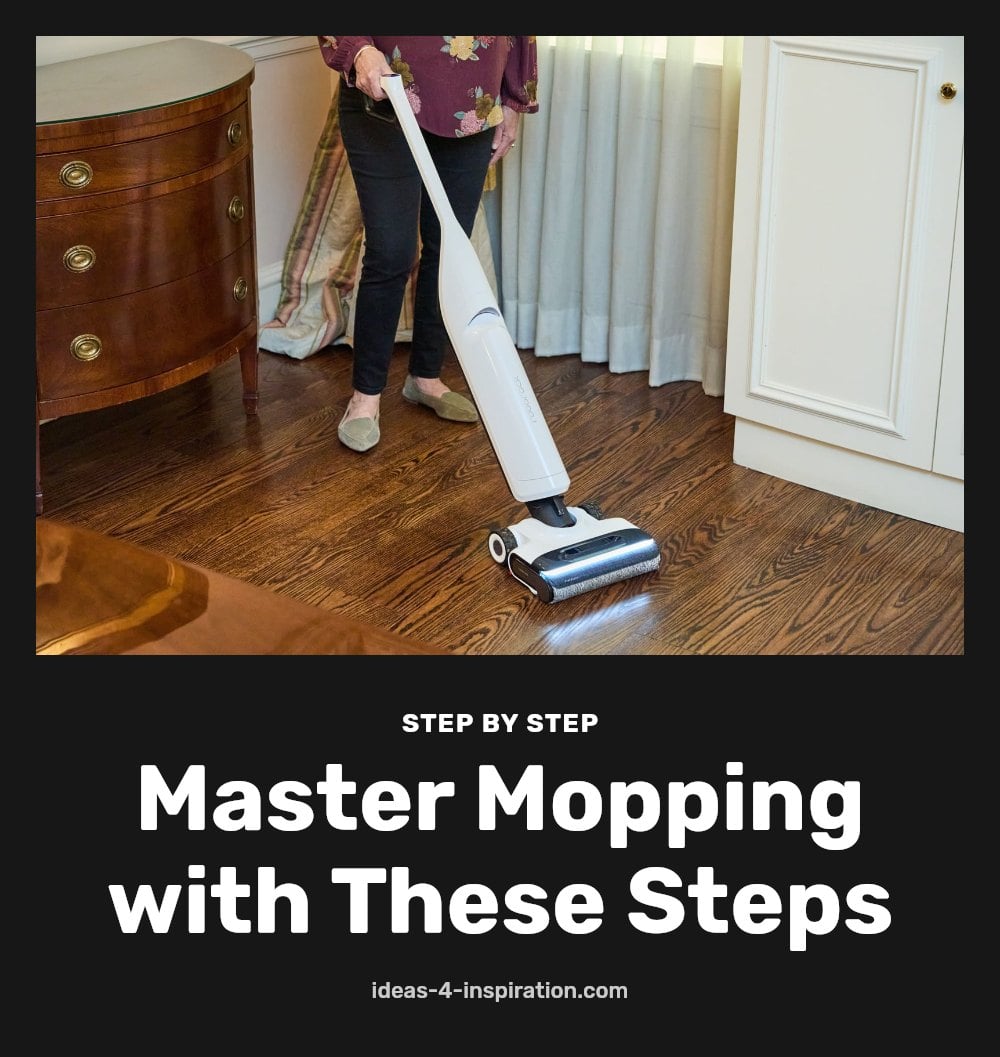
- Sweep or vacuum thoroughly: Remove all loose dirt, dust, hair, and debris from the floor. Use a soft roller brush on your vacuum to avoid scratching wood floors, and a brush attachment for baseboards and corners.
- Mix your cleaner: Dilute a neutral pH floor cleaner according to the instructions on the bottle. A spray bottle makes it easy to apply the solution directly to each section.
- Work in small sections: Clean areas about 5×5 or 8×8 feet at a time. This prevents the cleaner from drying on the floor before you mop it, which can cause streaks.
- Mop with the grain: Use a damp (not soaking) flat mop and move with the grain or texture of the floor. Overlap your strokes slightly to avoid missed spots.
- Start from the far end: Begin mopping at the point furthest from your exit and work your way toward the door so you never walk on a freshly cleaned section.
- Change mop heads often: When the mop head becomes visibly dirty, swap it for a clean one or rinse it thoroughly in a sink. Dirty heads spread grime instead of cleaning.
- Detail as you go: Keep a microfiber towel in your pocket to wipe stubborn spots or edges that the mop misses.
Here is the method in action: Clean That Up demonstrates it in about 10 minutes.
Common Mopping Mistakes and How to Fix Them
- Not sweeping first: Skipping this step turns dirt into mud and makes hair stick to the floor. Always sweep or vacuum before you mop.
- Using the wrong cleaner: Acidic cleaners like vinegar on wood or alkaline cleaners can damage finishes. Stick with a neutral pH cleaner for most floors.
- Too much cleaner: Excess solution leaves a sticky residue that attracts dirt. Follow the dilution ratio on the bottle.
- Cleaning too large an area: If the cleaner dries before you mop it, you get streaks. Keep sections to 5×5 or 8×8 feet.
- Mopping against the grain: This creates streaks. Always mop with the grain or texture of the floor.
- Too much water: Excessive moisture can warp or swell wood and laminate floors. Wring out your mop so it is damp, not soaking.
- Dirty mop heads or water: Continuing with dirty water spreads grime. Change water when it looks dirty and rinse or swap mop heads regularly.
Best Tips for Sparkling Clean Floors
A pH-neutral cleaner is the safest default for most hard floors because it protects the finish and rinses without leaving a sticky film that attracts new dirt. Skip vinegar on wood and stay away from heavily alkaline products that dull sealant over time.
- Grout: use a dedicated grout cleaner (check the label for natural stone), a 50/50 paste of baking soda and hydrogen peroxide, or a steam cleaner for deep soil.
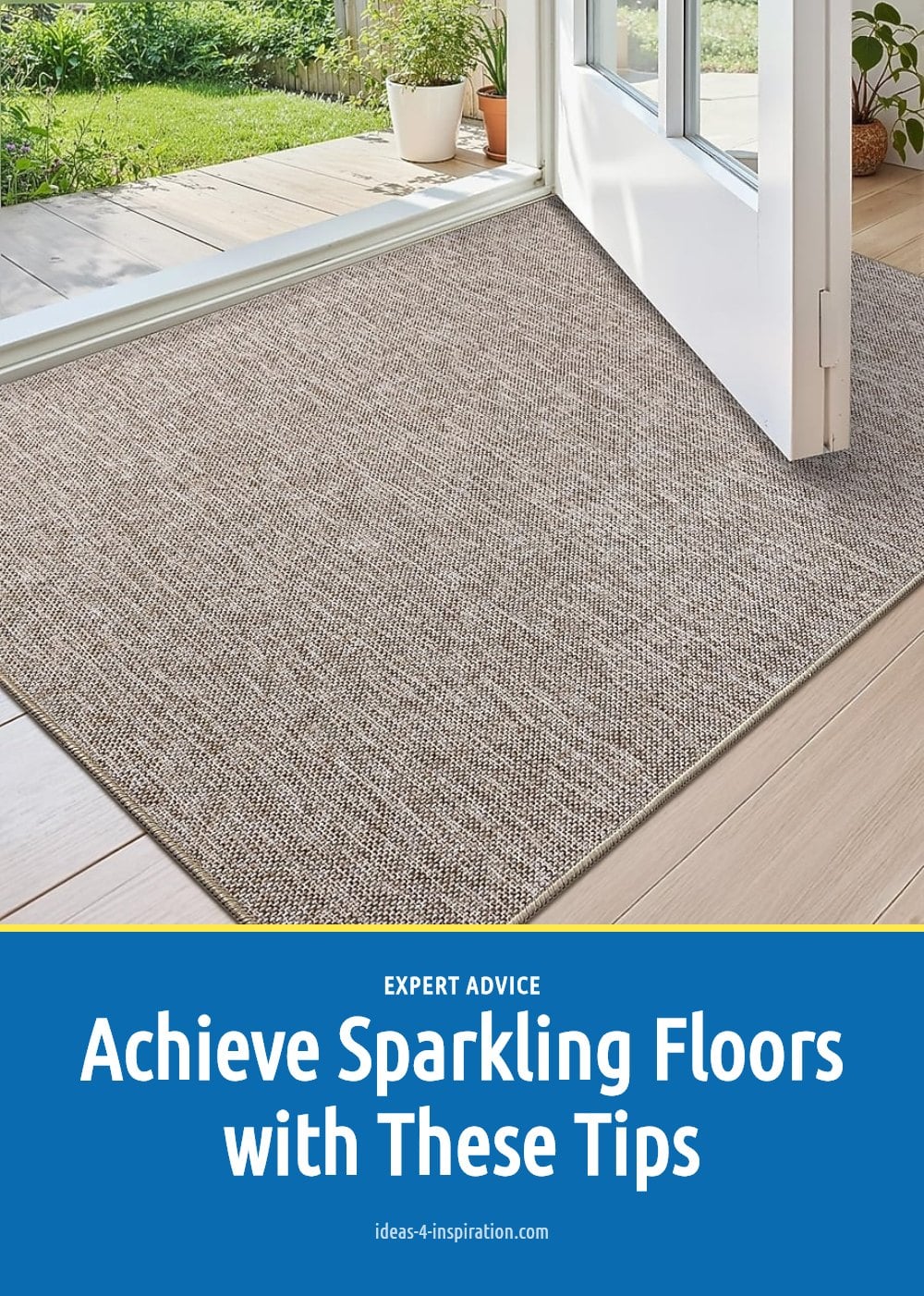
- Entryways: put runners or rugs at every door so grit drops before it reaches the rest of the floor.
- Shoes: a no-shoes-inside rule keeps tracked-in dirt off the floor between mopping days.
- Furniture: stick felt pads under chair and table legs to prevent scratches on wood and vinyl.
- Routine: vacuum once or twice a week (more with pets) and mop weekly. Keeping up beats waiting until floors look dirty.
Tip: after you rinse mop heads in the sink, deep clean the sink itself, since the dirt you just washed off settles there.
Maintaining Your Mop and Floors After Cleaning
Let the floor air dry completely before anyone walks on it. Wet floors streak more easily and turn slick underfoot, so keep traffic off until the surface is fully dry.
- Rinse the mop head: after every use, work out all dirt and leftover cleaner under running water.
- Hang it to dry: a mop head left damp in a bucket grows mold, mildew, and odors. Air drying keeps it usable longer.
- Store it right: keep mops and cleaning solutions together in one designated cleaning spot, upright and away from damp corners.
How Often to Mop and What to Expect
Most floors need mopping about once a week. High-traffic zones like kitchens and entryways, or any spot after a spill, may need it more often.
- Vacuum: once or twice a week, more with pets, to cut down on how often you mop.
- Mop: weekly for most hard floors.
- Results: properly mopped floors look clean and streak-free as soon as they dry.
- Cost: supplies are inexpensive overall, a one-time buy on tools plus ongoing cleaner refills.
Frequently Asked Questions
What is a neutral pH cleaner?
A neutral pH cleaner has a pH close to 7, meaning it’s neither acidic nor alkaline. This type of cleaner is gentle on floor finishes and won’t strip sealants or leave a sticky residue that attracts dirt. You can find neutral pH floor cleaners at most grocery or hardware stores, and they’re safe for most hard floor types.
Can I use a steam mop on all floor types?
Steam mops are great for sanitizing and deep cleaning, but they aren’t suitable for all floors. They can damage unsealed hardwood or laminate because the heat and moisture may cause warping or swelling. Check your floor manufacturer’s recommendations before using a steam mop, and always test in an inconspicuous area first.
How do I clean stubborn grout?
For stubborn grout, you can use a specialized grout cleaner, but make sure it’s compatible with natural stone if you have it. Alternatively, make a paste with a 50/50 mixture of hydrogen peroxide and baking soda, apply it to the grout lines, let it sit for a few minutes, then scrub with a brush. A steam cleaner can also work well for tough grime.
What is the best way to mop floors?
The best way to mop is to start with a thorough sweep or vacuum to remove loose debris. Then, mix a neutral pH cleaner according to the label, spray it onto a small section (about 5×5 or 8×8 feet), and mop with a damp flat mop, moving with the grain of the floor. Work from the farthest corner toward the exit, and rinse or change your mop head regularly to avoid spreading dirt.
Final Thoughts
For the best results, stick to a routine: vacuum once or twice a week and mop weekly, or more often in high-traffic areas. Remember to always sweep or vacuum first, use a neutral pH cleaner, and mop in small sections from the farthest point to the exit. Expect your floors to dry within a few minutes to an hour, depending on humidity and ventilation. With these habits, your floors will stay cleaner longer and look their best.