
Weaning is a big step, and it’s natural to wonder if you’re doing it right. The good news is there’s no single perfect way, just a gentle, gradual approach that works for you and your baby. This article walks you through the essentials, from knowing when to start to handling the emotional side, so you can feel more confident as you make the transition.
Key Takeaways
- Start weaning gradually, replacing one feeding at a time to minimize discomfort.
- Look for readiness signs like sitting up with support and showing interest in food.
- Keep breast milk or formula as the main drink until your baby is 12 months old.
- Introduce new foods one at a time to watch for allergic reactions.
- Expect the process to take weeks to months, not days.
What is Weaning and Why Does It Matter?
Weaning is the gradual process of introducing a baby to foods and drinks beyond breast milk, eventually replacing breastfeeding entirely. It is not a single day but a stretch of weeks or months, and a gentle, gradual approach is key to minimize discomfort and emotional impact for both mother and baby. The World Health Organization recommends exclusive breastfeeding for the first six months, followed by continued breastfeeding alongside complementary foods up to two years of age or beyond. Good to know: abrupt stopping is linked to engorgement, mastitis and emotional distress, so slow beats fast almost every time.
Essential Tools for a Smooth Weaning Journey

You do not need a full cabinet of gear, but a few basics make mealtimes calmer and safer.
- Soft-tipped spoons: gentle on baby’s gums and easier to accept than a metal spoon.
- Small bowls: help with portion control so you are not scraping a giant serving.
- Sippy cups or open cups: teach new drinking skills and help shift away from the breast.
- Bibs: keep baby clean during messy mealtimes.
- A high chair: provides a safe and secure eating space, with baby upright.
- Age-appropriate solid foods: purees, mashed foods and soft finger foods ensure proper nutrition and safety.
- Water and formula: water for hydration, formula if you are not continuing breast milk.
Caution: keep honey away from babies under one year because of the botulism risk.
Step-by-Step Guide to Gentle Weaning
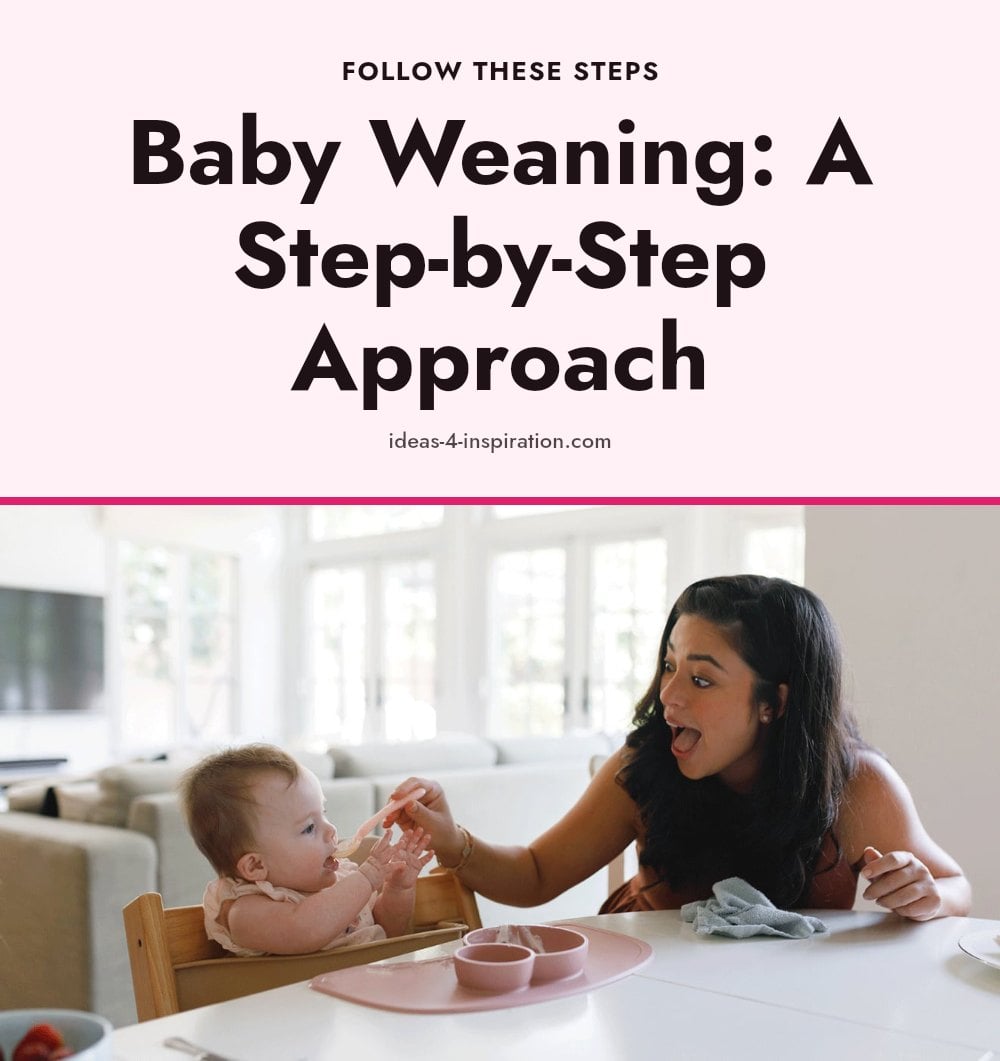
Slow is the whole method here. Replace one feeding at a time and let your baby set the pace.
- Watch for readiness: signs include sitting up with support, showing interest in food, losing the tongue-thrust reflex, and picking up food to put in the mouth. Starting before 4 months is not recommended.
- Drop one feeding: pick the least preferred feeding first, since it is usually the easiest to replace. Keep the rest of the routine unchanged for a week or two.
- Introduce one new food at a time: wait a few days before introducing the next one so you can spot a reaction such as rash, swelling or difficulty breathing.
- Build variety: offer healthy, age-appropriate foods in different textures and tastes, from mashed to soft finger pieces.
- Offer a cup: put water, expressed milk or formula in a cup at mealtimes. Continue breast milk or formula as the main source of nutrition until 12 months.
- Keep the closeness: add cuddles and playtime to replace the nursing time you dropped, so comfort does not disappear along with the feed.
- Stay flexible: expect regressions and slow weeks. If your baby resists, pause and try again later rather than forcing it.
Common Weaning Mistakes and How to Avoid Them
Most weaning trouble comes from timing and speed, not from the food itself.
- Starting solids too early or too late: before 4 months the digestive system is immature and allergy risk is higher; too late can affect development and acceptance of textures. Look for readiness cues instead of a calendar date.
- Weaning too quickly: dropping several feeds at once can cause engorgement and mastitis for you and distress for your baby. Aim for one feeding at a time.
- Too little variety: sticking to one or two purees can lead to nutritional gaps. Introduce different textures and tastes as you go.
- Ignoring resistance: pushing food when your baby turns away makes the process harder. Follow their lead and try again another day.
- Counting ounces only: focusing solely on food intake can overlook the emotional transition and the bonding that nursing provided. Watch mood as well as the bowl.
Practical Tips for a Positive Weaning Experience

How you handle the weeks of transition matters as much as the food itself. A few habits make the whole stretch easier on both of you.
- Prioritize gradual weaning: Drop one feeding at a time. A slow pace gives your supply time to settle and lowers the chance of engorgement and the mood dip that can come with it.
- Observe your baby’s cues: Watch for reaching, opening the mouth, and the ability to pick food up and bring it to the mouth. If your baby turns away, stop and try again another day.
- Offer a cup: Put a small open cup or sippy cup of water, expressed milk, or formula on the tray at mealtimes from the start. Drinking from a cup is a separate skill, and early practice makes the switch less of a shock.
- Night feedings last: Most babies keep the overnight feeds longest, so leave them in place while daytime feeds drop.
- Maintain closeness: Add cuddles, carrying, and floor play at the times you would have nursed. The comfort part of feeding does not have to disappear with the milk.
- Consult professionals: A pediatrician or lactation consultant can tailor a plan to your baby and your supply.
Weaning Timeline: What to Expect
There is no fixed schedule, and that is the honest answer. Here is what the range usually looks like.
- Duration: Anywhere from a few weeks to several months. Babies who self-wean often stretch it out; a parent-led plan can move faster.
- Starting point: Many health organizations recommend complementary foods around six months, alongside continued breastfeeding. Before 4 months is too early for most babies.
- Gradual progression: One feeding comes out at a time, usually the least preferred first, so your body and your baby both adjust between drops.
- Flexibility is key: Expect regressions, especially during teething, illness, or growth spurts. Follow your baby’s lead and pause rather than push.
- Cost: Budget for age-appropriate solid foods, and for formula if breast milk is fully replaced before 12 months.
When to Consult a Professional During Weaning
Some situations call for a call rather than a wait-and-see approach. Reach out to a doctor, pediatrician, or lactation consultant if any of these apply.
- Breast symptoms: Severe engorgement, pain, fever, or red streaks on the breast can be signs of mastitis and need medical attention.
- Refusing solids: If your baby consistently refuses food or shows signs of inadequate nutrition, get it checked rather than waiting it out.
- Growth concerns: Any worry about weight gain or development during the transition is worth raising at a visit.
- Emotional distress: Significant distress in you or your baby related to weaning is a real reason to ask for support.
- Allergy history: If allergies run in the family, ask for personalized guidance before introducing common allergens.
Frequently Asked Questions
When is the best time to start weaning?
Many health organizations, including the WHO, suggest exclusive breastfeeding for the first six months, then continuing alongside solid foods. However, the right time also depends on your baby’s readiness signs and your own comfort. Starting before 4 months is not recommended due to immature digestion and allergy risks.
How long does the weaning process usually take?
It varies widely. For some, it’s a few weeks; for others, it stretches over several months. Babies who self-wean often take longer, while a parent-led plan can move faster. The key is to go at your baby’s pace and not rush, as that can lead to discomfort for both of you.
Can I wean directly to cow’s milk?
No, cow’s milk should not be a primary drink before 12 months of age. Until then, continue offering breast milk or formula as the main source of nutrition. After 12 months, you can introduce whole cow’s milk, but always check with your pediatrician if you have questions.
What if my baby refuses solid foods?
It’s common. Don’t force it; instead, keep offering a variety of age-appropriate foods at regular times. Sometimes babies need repeated exposure to accept new textures and tastes. If refusal lasts more than a few days or you’re worried about weight gain, talk to your pediatrician.
Is it normal to feel emotional during weaning?
Yes, it’s quite common. Weaning can cause hormonal shifts that affect your mood, and it’s also an emotional milestone for both of you. Many mothers feel a mix of relief and sadness. It’s okay to feel that way; seek support from friends, family, or a professional if it becomes overwhelming.
Final Thoughts
Weaning is a journey, not a race. The best approach is to let your baby lead, drop feedings slowly, and keep offering cuddles and play to maintain closeness. Expect it to take a few weeks to several months, and that’s perfectly normal. Trust your instincts, stay flexible, and if anything feels off, a quick call to your pediatrician or a lactation consultant can give you peace of mind.
This article is for general informational purposes only and is not a substitute for professional medical advice. Every baby and situation is unique. If you have concerns about your baby’s health, feeding, or weaning process, or if you experience symptoms like severe pain, fever, or red streaks on the breast, consult your pediatrician, doctor, or a lactation consultant.