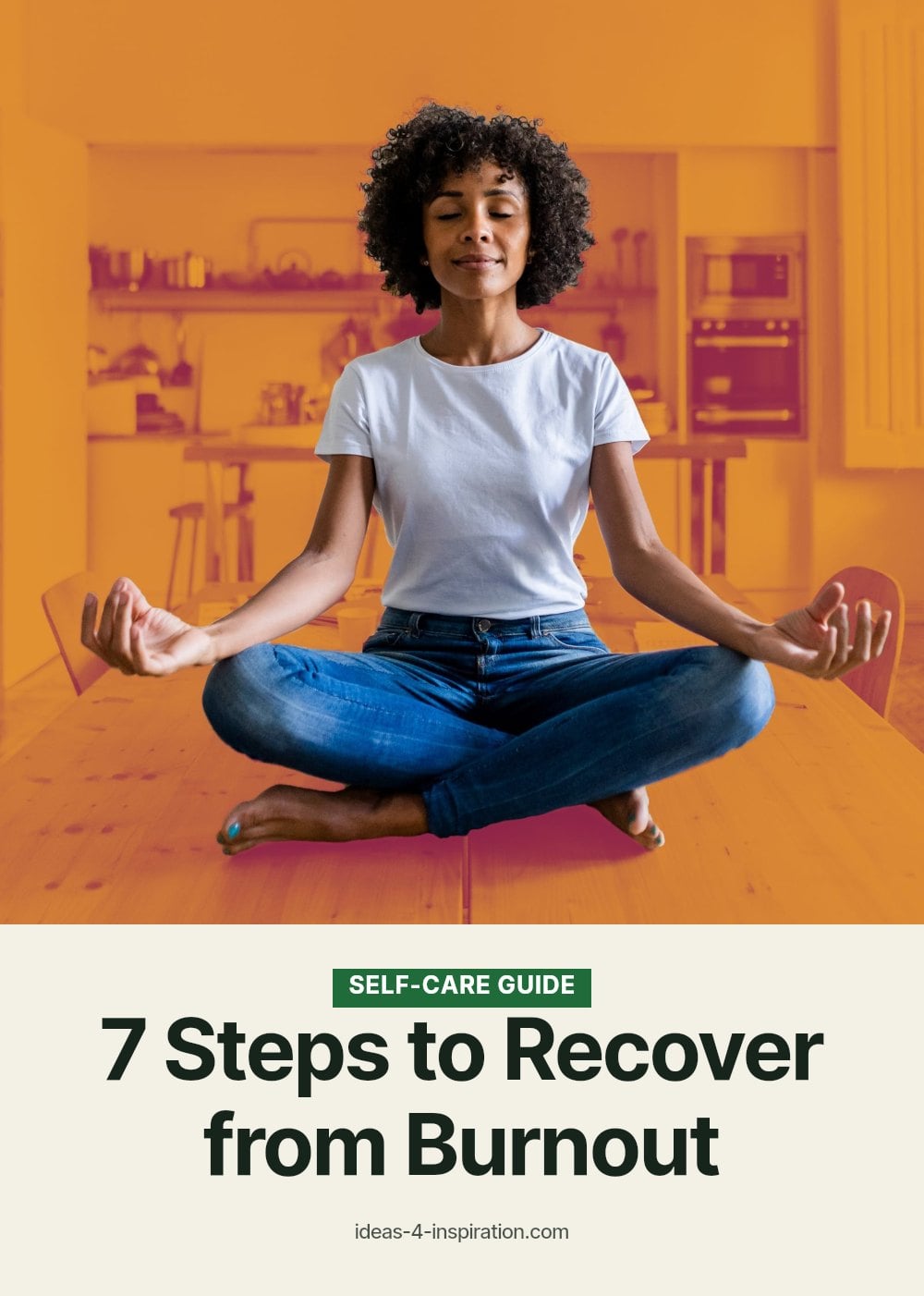
You’ve been running on empty for a while now, and the exhaustion just won’t lift. Burnout is more than a long to-do list; it’s a deep state of emotional, physical, and mental drain that can leave you feeling detached and ineffective. The good news is that recovery is possible with the right steps. Here’s a practical, seven-step plan to help you rebuild your energy and find your footing again.
Key Takeaways
- Most adults need 7-9 hours of quality sleep per night for recovery.
- Identify and address root causes like workload or lack of control.
- Set firm boundaries between work and personal life to prevent overload.
- Reconnect with a hobby you enjoy for at least 30 minutes this week.
- Seek professional help if symptoms persist or interfere with daily life.
What is Burnout and How to Recover?
Burnout is a state of emotional, physical, and mental exhaustion caused by prolonged or excessive stress, often from work or caregiving. It goes beyond ordinary tiredness, showing up as overwhelming exhaustion, cynicism or detachment, and a feeling of ineffectiveness. The World Health Organization classifies it as an occupational phenomenon, not a medical condition, tied to chronic workplace stress that hasn’t been managed. Recovery takes a multi-faceted approach: rest, stress reduction, re-evaluating priorities, and reconnecting with activities that bring you joy and purpose. It’s a gradual process requiring consistent effort over weeks or months.
1. Prioritize Rest and Quality Sleep

Quality sleep is the foundation of burnout recovery. Most adults need 7-9 hours per night for physical and mental repair. Without it, your body stays in a stress state, making it harder to regulate emotions and think clearly.
My tip: Create a consistent sleep schedule and a relaxing bedtime routine. Avoid screens for at least an hour before bed, and keep your bedroom cool, dark, and quiet. Treat it as a sanctuary for sleep, not a workspace.
2. Identify and Address Root Causes

Burnout doesn’t come from nowhere. Take time to reflect on what’s actually driving your stress. Common causes include heavy workload, lack of control, unfairness, or conflicting values. Pinpointing the source helps you target your recovery efforts effectively.
My tip: Journaling helps uncover patterns and feelings you might not consciously notice. Write down what situations drain you most and brainstorm small, actionable changes you can make to reduce those stressors. Even tiny adjustments, like saying no to one extra task, can start to shift the balance.
3. Set Clear Boundaries
Firm boundaries between work and personal life prevent future overload. Without them, stress creeps into every hour. Decide when your workday ends and stick to it, turning off notifications and not checking emails after hours.
Learn to say ‘no’ to additional commitments, both professional and personal, that stretch you too thin. It’s not selfish; it’s protecting your energy for what matters.
Tip: Communicate your boundaries clearly and consistently. Others may push back at first, but staying firm reinforces that your time and well-being are non-negotiable.
4. Re-engage with Joyful Activities

Pick one hobby you dropped when things got busy and put it back on the calendar this week, even for 30 minutes. Time spent on something you chose, not something you owe, can help restore energy and remind you what you value outside the stressful environment.
Social connection counts as much as hobbies. A short call with a friend or a walk with a family member who doesn’t need anything from you can shift a whole day.
- Good to know: Small moments of joy add up. A favorite album while you cook or 15 minutes in a park can make a bigger difference than waiting for a free weekend.
5. Incorporate Movement and Mindfulness

Move your body most days, and moderate effort is enough: a brisk walk, a short bike ride, a gentle yoga session. Regular activity can help lower stress hormones and improve mood, which matters when burnout has flattened your energy.
Pair movement with a calming practice. Meditation or slow deep breathing can help you manage stress and steady your emotions, especially in the moments when your chest tightens before a meeting.
- Pro move: Start with 5-10 minutes of mindful breathing a day and add time only when it feels comfortable. A timer and one chair are all you need.
6. Nourish Your Body with Healthy Food
Build meals around whole foods: vegetables, fruit, whole grains, beans, eggs, fish, nuts. A balanced diet supports physical health and steady energy, which your body needs while it recovers, and it is one of the few levers you fully control.
Hydration belongs in the same routine. Keep a water bottle where you work and sip through the day instead of waiting for a headache.
- Quick tip: Skip the cycle of strong coffee and sugary snacks for quick energy. They tend to end in a crash that makes fatigue worse by mid-afternoon.
7. Seek Support and Delegate
Isolation makes burnout heavier. Tell one trusted friend, family member, or support group what you are going through, and be specific about what would help, whether that is a weekly check-in or someone to vent to without advice.
Then look at your load and hand parts of it off. Delegating tasks at work or home, even small ones like a grocery run or a meeting note, reduces the sense of overwhelm and frees energy for recovery.
- Tip: Asking for help is a sign of strength, not weakness. Most people say yes when you name the exact task you need covered.
When to Seek Professional Help for Burnout
Self-care steps help, but some signs call for a professional. If your symptoms are severe, keep coming back for weeks, or start interfering with work, sleep, or relationships, talk to a doctor or mental health provider. Burnout symptoms overlap with depression, anxiety disorders, and thyroid problems, so a doctor can rule those out before you assume it is stress alone.
Seek help right away if you notice:
- Feelings of hopelessness that do not lift
- Severe anxiety you cannot manage
- Any thoughts of self-harm
For the last one, contact emergency services or a crisis line immediately. Asking for help early tends to make recovery shorter.
Frequently Asked Questions
How long does it take to recover from burnout?
Recovery is gradual and can take weeks to several months, depending on how severe the burnout is and what changes you make. Consistent effort is key, so don’t expect overnight results. Focus on small, steady steps and give yourself grace along the way.
Can burnout lead to other health problems?
Burnout can affect your physical health, leading to issues like chronic fatigue, headaches, muscle pain, and a weakened immune system. It may also increase the risk of mental health conditions like depression or anxiety. If you’re concerned, talk to a doctor to rule out other causes and get support.
Is burnout the same as depression?
No, burnout is classified by the World Health Organization as an occupational phenomenon, not a medical condition. It’s specifically tied to chronic workplace stress that hasn’t been managed. However, burnout symptoms can overlap with depression, so it’s important to consult a professional for an accurate assessment.
What’s the first step to take when you realize you’re burned out?
The first step is to acknowledge it and stop pushing through. Then, focus on rest and sleep, as quality sleep is foundational for recovery. After that, reflect on what’s driving your stress and start making small changes, like setting boundaries or delegating tasks.
Can I prevent burnout from happening again?
Yes, you can reduce the risk by setting clear boundaries, learning to say no, and prioritizing self-care regularly. Reconnecting with hobbies and social support also helps. It’s about making lasting changes to your routine and environment, not just quick fixes.
What if I can’t change my stressful job?
If you can’t change the job itself, focus on what you can control: your boundaries, your reactions, and your recovery habits. Build a strong support network and consider talking to a professional for strategies. In severe cases, exploring other options may be necessary, but avoid impulsive decisions while burned out.
Final Thoughts
Start with one step, like prioritizing your sleep or setting a single boundary, and build from there. Recovery takes time, often weeks to months, so be patient with yourself. You don’t have to fix everything at once. Just keep moving forward, and you’ll gradually feel more like yourself again.
This article is for general information only and is not a substitute for professional medical or mental health advice. If you’re experiencing severe or persistent symptoms, or have thoughts of self-harm, please reach out to a doctor or mental health professional immediately.