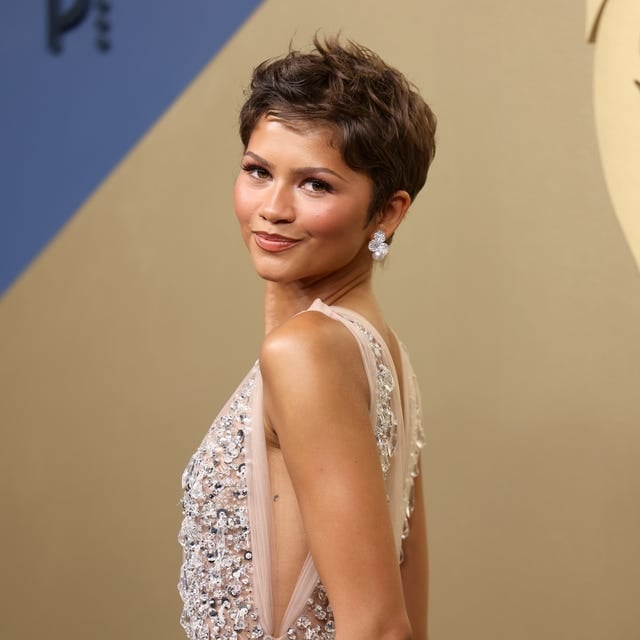
A pixie is a short cut with shaped layers on top and around the perimeter, clipped close at the nape and ears. The current version leans softer: face-framing layers, curtain bangs, lived-in color and a glossy natural finish instead of flat-ironed ends.
What follows is 20 short pixie styles, ranging from a wash-and-wear crop to a platinum shade that needs a toning appointment every few weeks. There is a version for fine hair that collapses by noon and for thick hair that grows outward at the crown. Short Hair Pixie Styles also solve the grow-out problem, since a shaped baseline keeps week six from looking like a mistake.
Textured Pixie With Side Part
A side part does the structural work here, pushing volume up and across so the cut ends at the ear without reading flat. This textured pixie side part suits straight hair of medium density, and the lift on top keeps a round face from looking wider than it is. Fine hair tends to collapse under the same layering, so ask for less weight removed if your strands are thin. Ask your stylist for: pixie with textured layers and volume on top, side part. Mist a texturizing spray into damp hair, tousle as you blow-dry, and book a trim every six weeks to hold the shape.
Classic Smooth Black Pixie
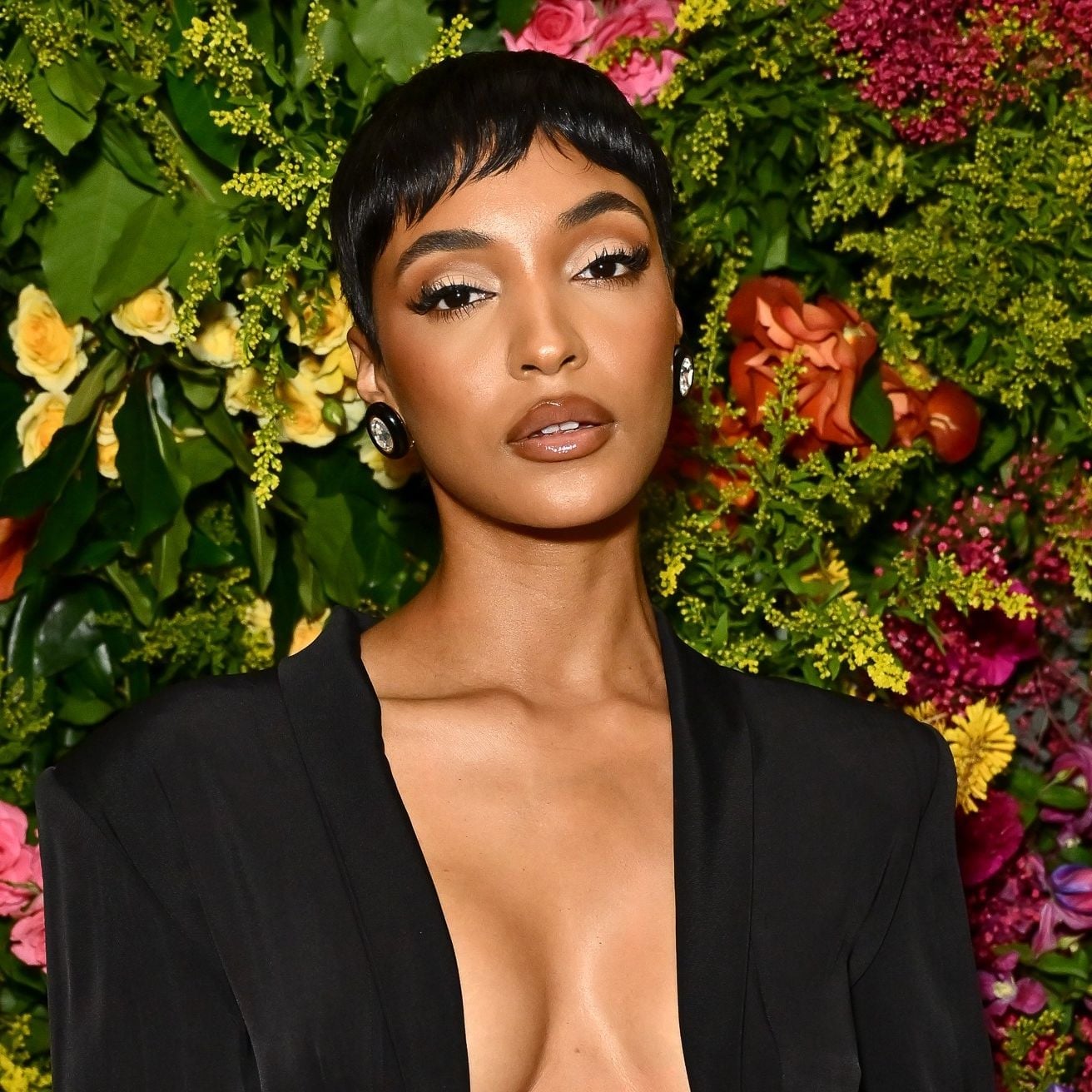
A textured crop and this smooth black pixie cut ask for opposite things from the same length, and the difference is in the finish. Where layers get ruffled, this one gets combed: fine straight hair cut to the ear, parted down the middle, short bangs sitting flat across the forehead. The middle part and the length below the chin line elongate an oval face, and the polish holds up in an office. Ask your stylist for: smooth black pixie with a middle part and short bangs. A fine-tooth comb and a smoothing serum do the daily work, with a trim every four weeks.
Light Blonde Pixie With Accessory
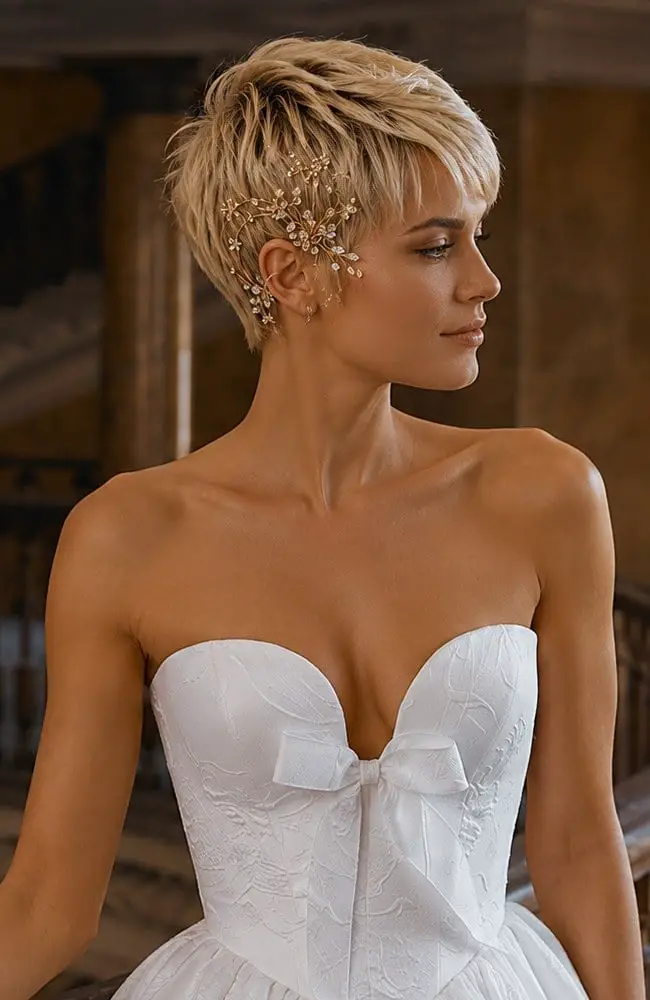
Texture on a light blonde pixie is built in the cut, not the color: short fringe, side parting, layers that end at the ear so the top can be pushed up and back. Medium density straight hair carries that shape without going limp. The accessory is the last step, clipped in after styling so it sits where the layers already lift. Ask your stylist for:
- textured layers through the top
- short fringe, side parting
- ear length, light blonde
Bring the clip to the appointment so the fringe gets cut to sit under it, and plan on a trim every six weeks.
Copper Pixie With Side-Swept Bangs
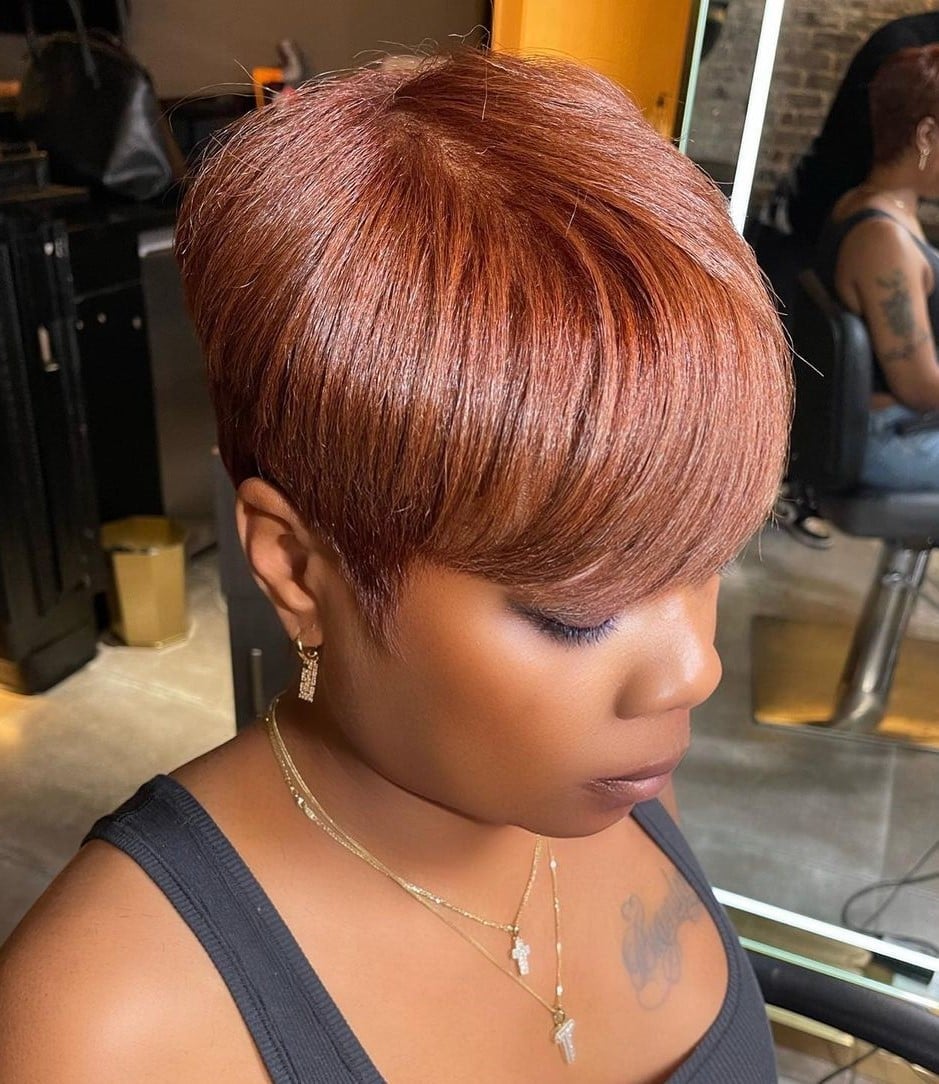
Wondering how to get bangs that sweep instead of sitting straight down? The answer is in the direction of the cut, not the styling. Side-swept bangs are cut on a diagonal from a side parting, longer at the outer edge and shorter toward the part, so they fall across the forehead on their own. Fine straight hair holds that line best at ear length. Ask your stylist for: smooth copper pixie with side-swept bangs. Say the word copper, not auburn or ginger, and point to where you want the sweep to start. Smooth styling keeps the finish sharp, a color-depositing conditioner slows the fade, and a trim every six weeks keeps the diagonal from growing out level.
Textured Black Pixie With Wispy Bangs
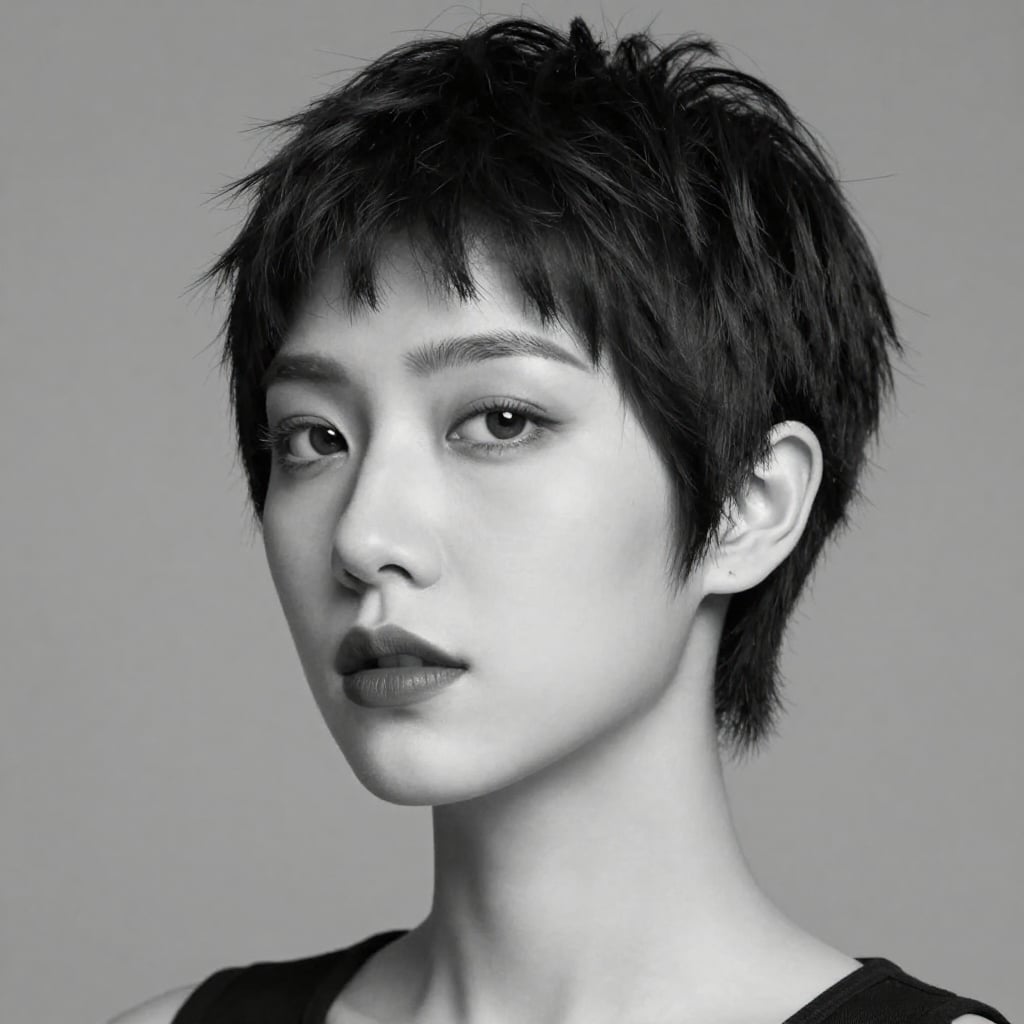
Wispy bangs are cut thin and piecey on purpose, which is why they need a light hand every morning. This black pixie wispy bangs version sits at ear length, textured through the top and left slightly tousled. Fine straight hair takes the shape well, and the soft fringe breaks up a sharp jawline. Ask your stylist for: textured black pixie with wispy bangs. Work a small amount of texturizing wax through the ends for definition, keep the fringe trimmed every four weeks so it stays above the brow, and expect the rest to follow at six.
Dark Brown Pixie With Swept Bangs
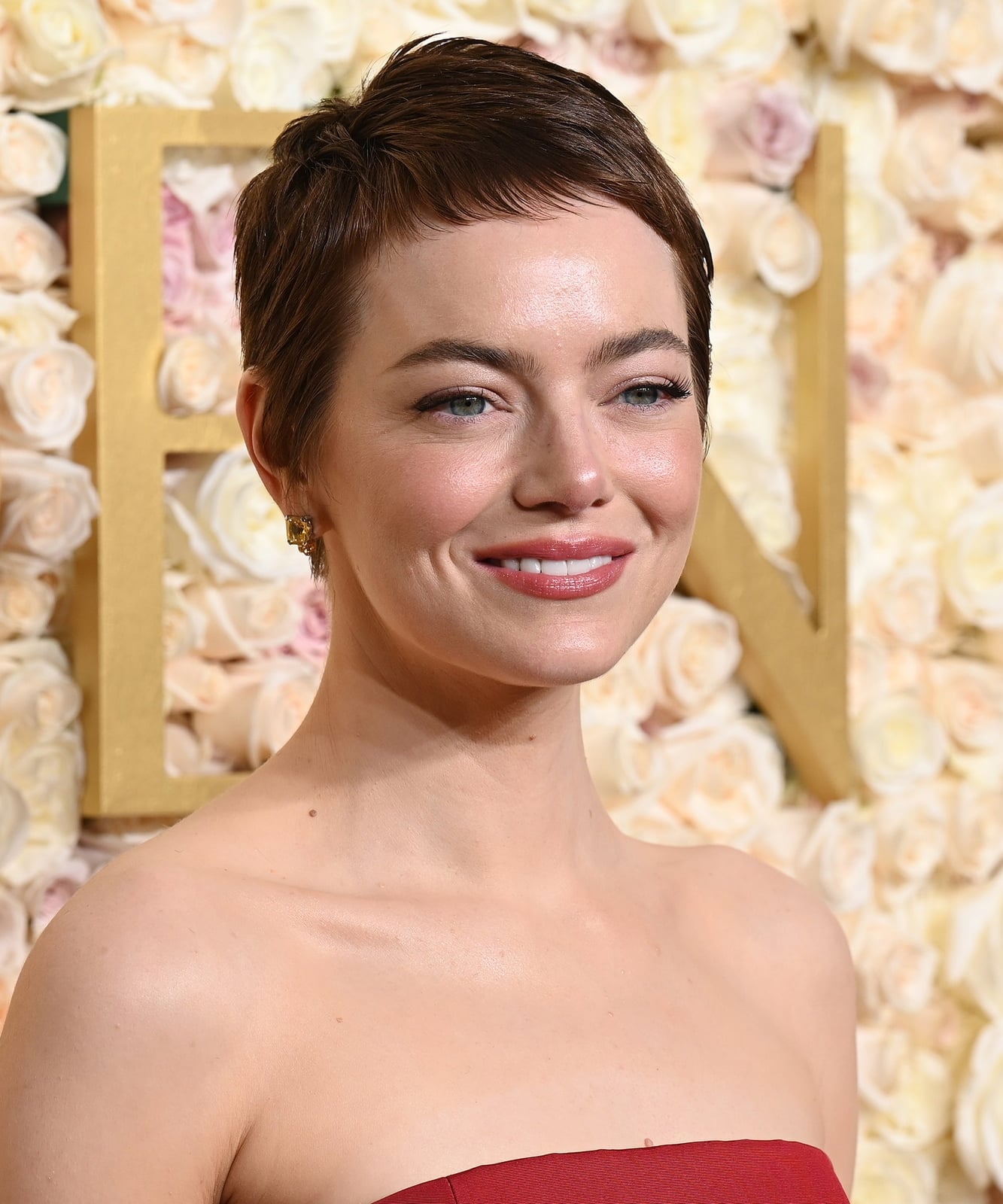
The short textured top is the real workhorse here, giving fine straight hair a lift that a smooth crop never manages. Those swept bangs, cut to ear length, soften angular features without demanding daily fuss. Ask your stylist for: dark brown pixie with swept forward bangs. The catch: keeping that texture alive takes effort, since fine hair tends to fall flat by midday. A comb to sweep bangs forward while blow-drying, then a trim every six weeks to preserve the shape. If you skip the upkeep, this one reads as a helmet rather than a haircut.
Auburn Pixie With Natural Curls

Wondering if your natural waves can survive a pixie? They can, provided the cut works with them rather than against them. This auburn version, with a curly fringe and middle parting, lets each wave land where it wants, ending around the ears. The fringe frames round and oval faces without needing constant correction. Ask your stylist for: auburn pixie with a curly fringe, embracing natural texture. A curl-defining cream on damp hair, then air dry or diffuse, and you are out the door. Trim every eight weeks to keep the shape honest, and this one stays low maintenance.
Ash Blonde Pixie With Wispy Bangs
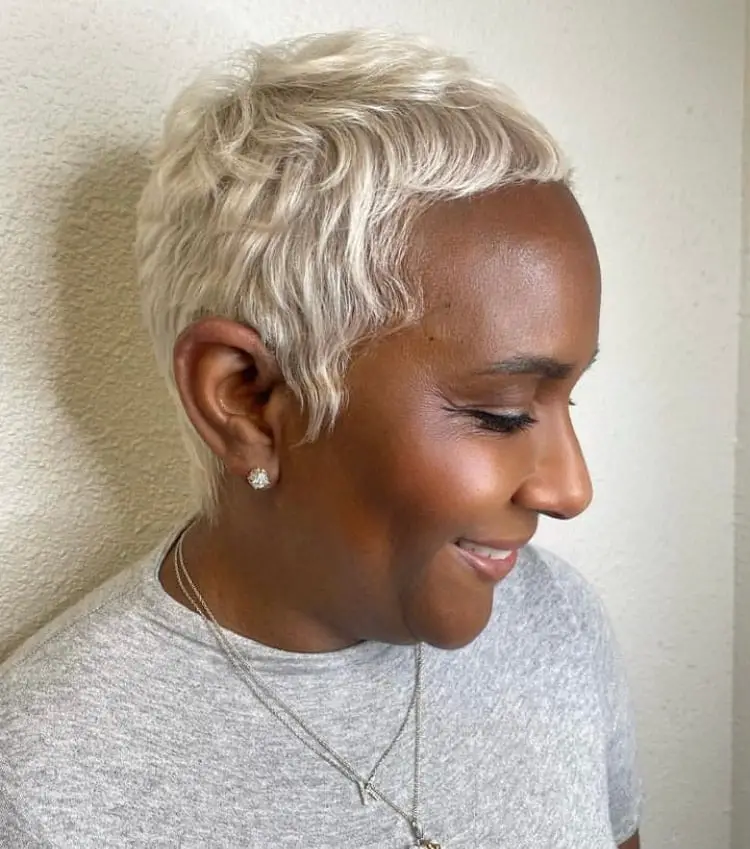
The ash blonde shade is what separates this pixie from a thousand brown crops, and it needs a colorist who knows how to lift without brass. Wispy bangs, swept to the side, break up the texture and soften angular faces. Ask your colorist for: ash blonde pixie with wispy side-swept bangs. A texture spray gives the slightly tousled finish its definition, though you will be back for a toner monthly to keep the ash from turning honey. Trim every six weeks. The payoff is a bright, glossy blonde that stays on the cool side of the spectrum.
Very Short Platinum Blonde Pixie
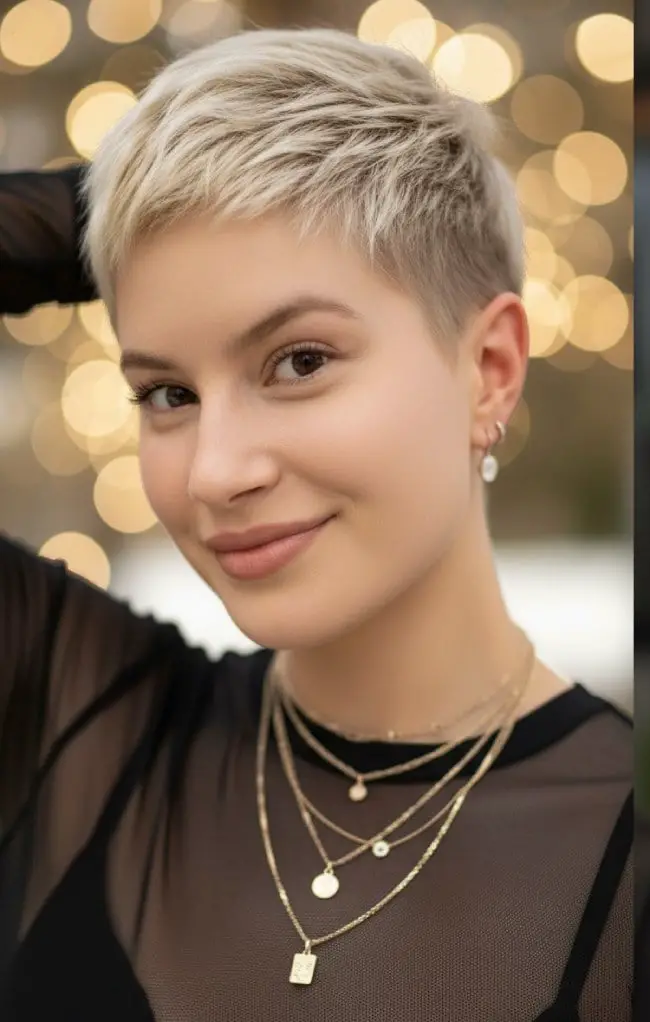
Against a longer pixie, this cut is defined by its very short length. With no bangs and a middle part, it exposes the whole face. Fine straight hair suits the ultra-short crop, and the middle part visually elongates oval faces. Ask your colorist for: very short platinum blonde pixie with no bangs, middle part. Platinum needs a toner every few weeks to stay icy, and a trim every four weeks keeps the edges sharp. This one is not for the faint of heart, but it is honest about what it is.
Dark Brown Pixie With Blonde Highlights
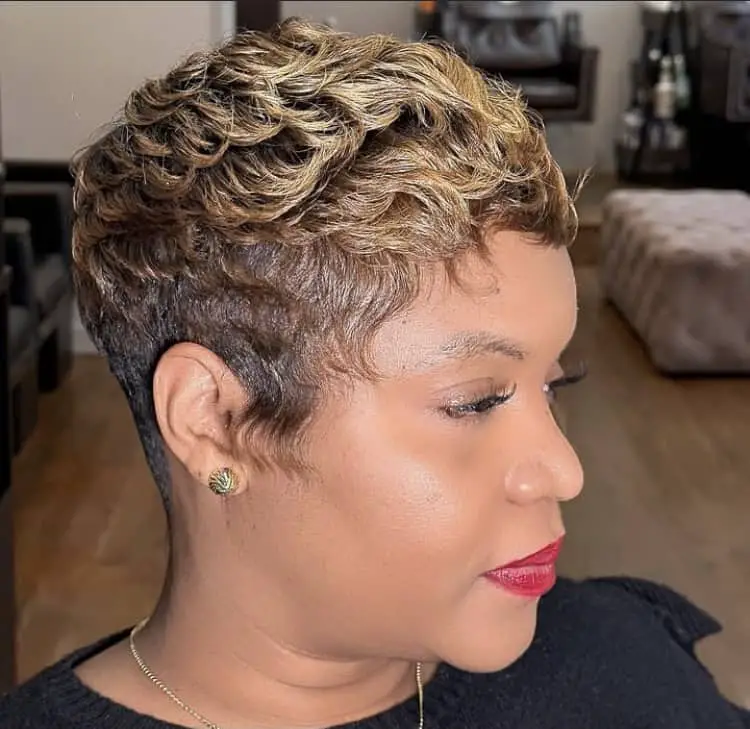
Thick wavy hair usually fights a pixie, but the choppy layers here give it somewhere to go. The dark brown base with lighter blonde highlights adds dimension and breaks up the density, so the head does not read as one solid block. Ask your colorist for: dark brown pixie with blonde highlights, choppy texture. A sea salt spray enhances the waves without weighing them down, and the highlights need a touch-up every six to eight weeks as they grow out. Trim every six weeks to keep the choppy edges from blurring. This one wears well on its own, but it rewards a quick finger-comb before you leave the house.
Fine Hair Pixie With Textured Styling

Worried that fine, straight hair will lie flat the moment you leave the salon? The fix is written into the cut. A light blonde pixie that ends at the ear, with a short fringe and a side parting, gives fine hair its best shot at looking fuller. Ask your stylist for: light blonde pixie, textured styling, short fringe. The stylist chops the layers so the ends sit at different heights, which is what creates the texture you see. Your part does the rest by pushing weight to one side.
At home, work in this order:
- Apply a volumizing mousse to damp roots.
- Blow-dry with your head flipped for lift.
- Finish with a texturizing powder at the crown.
Book a trim every six weeks to keep the shape from collapsing.
Black Pixie With Wet-Look Waves
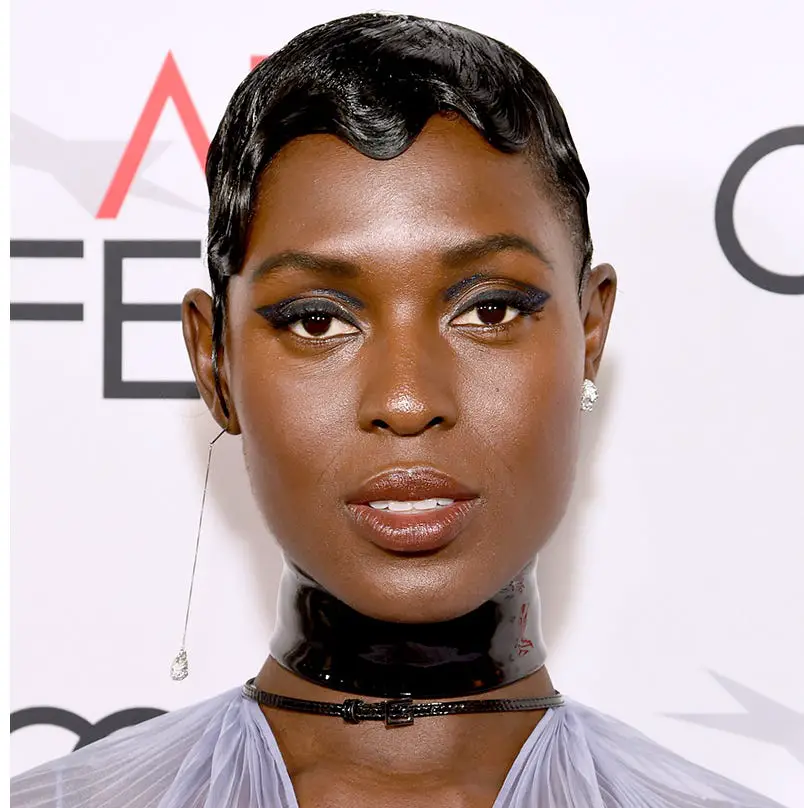
The shine on this black pixie comes from styling, not from the cut alone. Sculpted waves are set into damp hair with a strong-hold gel or pomade, then left to dry naturally or diffused on low heat so the pattern holds. Dense, wavy hair cut to the ear carries the weight without going shapeless. Ask your stylist for: black pixie, sculpted wet-look waves. The side parting keeps the front smooth while the waves do their work around the temples.
Natural Gray Pixie With Textured Layers

The gray is left natural, which means no toning appointments and no root line to chase. Ask your stylist for: natural gray pixie, textured lifted layers. Plan on a texturizing spray or paste every morning to hold the shape; without it the layers fall flat by lunch. A wash-and-go pixie this is not. Book a trim every six weeks to keep the shape sharp.
Edgy Platinum Blonde Pixie

Who should actually book this one? Fine, straight hair cut to the ear handles the upward styling without fighting back, and the asymmetrical bangs give the cut its sharp line. Ask your stylist for: edgy platinum blonde pixie, asymmetrical bangs. A word of warning before you commit: platinum needs toning every four to six weeks to stay cool instead of yellow, and the cut itself wants a trim every four weeks because short layers lose their shape fast. A strong-hold wax is what keeps the texture standing up and to the side. If your hair is thick or coily, the same shape will read softer and heavier, so ask for longer layers through the top.
Pink Blonde Pixie With Shaved Sides
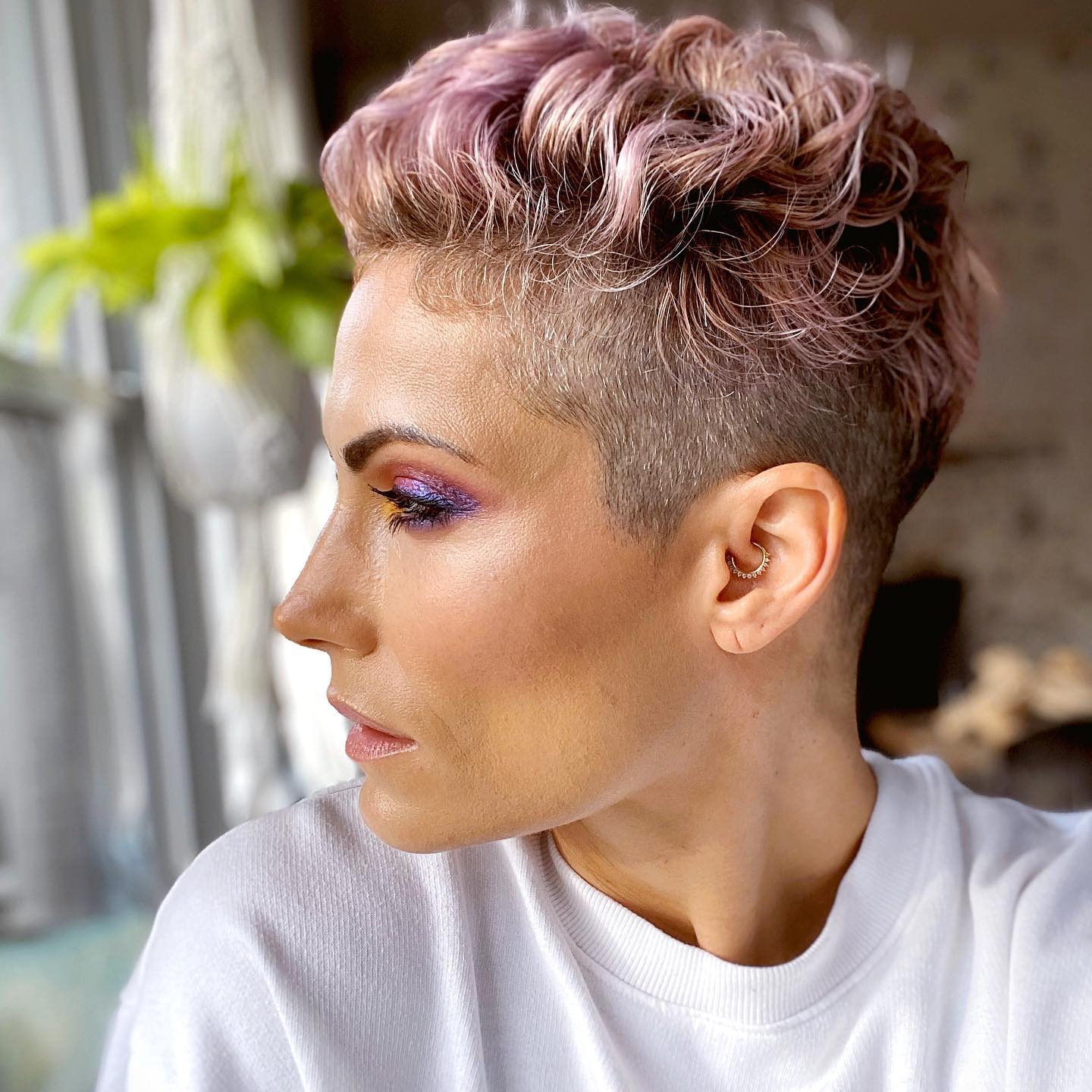
Ask your stylist for: pink blonde pixie, shaved sides, short fringe. The style works for festivals, parties and summer, when the color can do the talking. The roots grow out fast and the pink fades faster, so expect a color refresh every four to six weeks.
Platinum Blonde Pixie With Layered Bangs
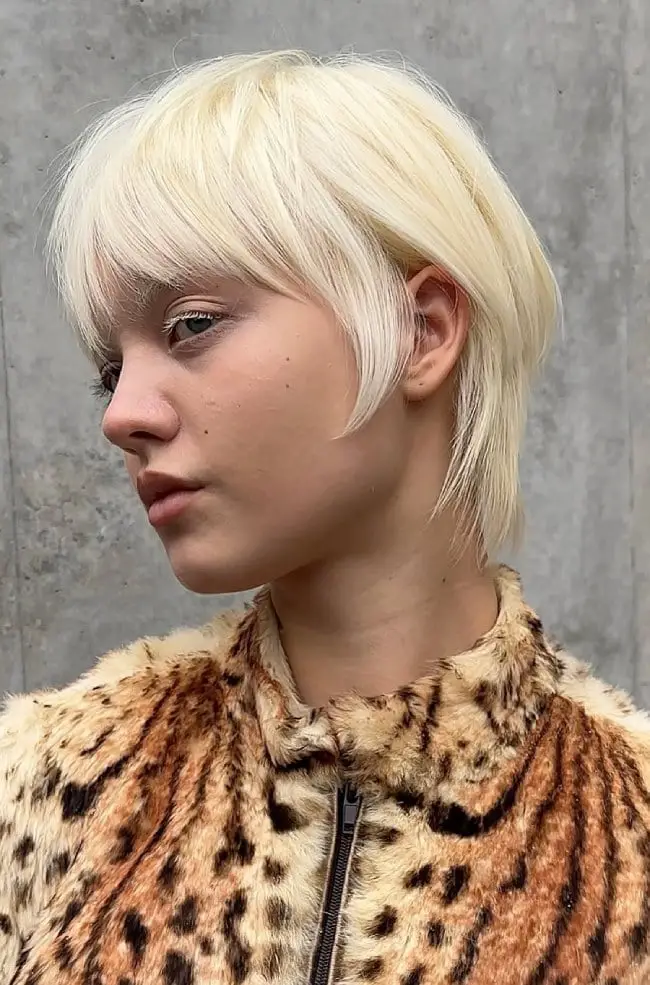
Layered bangs in a pixie are a different animal than blunt bangs, and the difference matters most when your hair is fine and straight. Blunt bangs land like a solid curtain; layered bangs break into pieces that shift with your head and show separate strands under salon lighting. The ear-length cut here uses a side part to sweep the weight to one side, so the layers stack instead of lying flat. Ask your stylist for: platinum blonde pixie with layered bangs and textured styling. Fine, straight hair takes well to this approach because the layers create volume at the crown without needing product. A trim every six weeks keeps the bang layering precise, and a light-hold texturizing spray helps the separation hold past lunch.
Silver Blonde Pixie With Micro Fringe
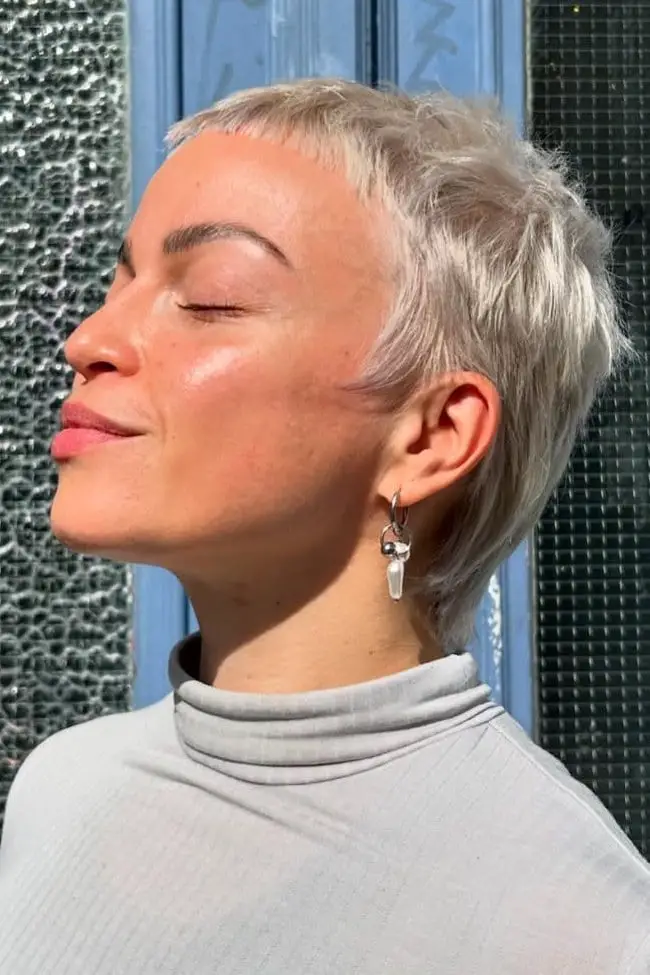
A micro fringe is a short, deliberate strip of hair that lands well above the eyebrows, and on an ear-length pixie it makes a single bold detail instead of a soft frame. The silver blonde color here is cool and flat, so the fringe stands out as a graphic line across the forehead. Fine, straight texture is ideal for this: the hair lies flat against the skin without puffing or curling away. Ask your stylist for: silver blonde pixie with a micro fringe. The fringe needs trimming every three to four weeks to stay above the brow line, and the silver tone requires a toning shampoo every second wash to keep the brassiness out. A texturizing paste on the fingertips helps define the fringe pieces individually.
Silvery Blonde Pixie With Shaved Sides, ухо
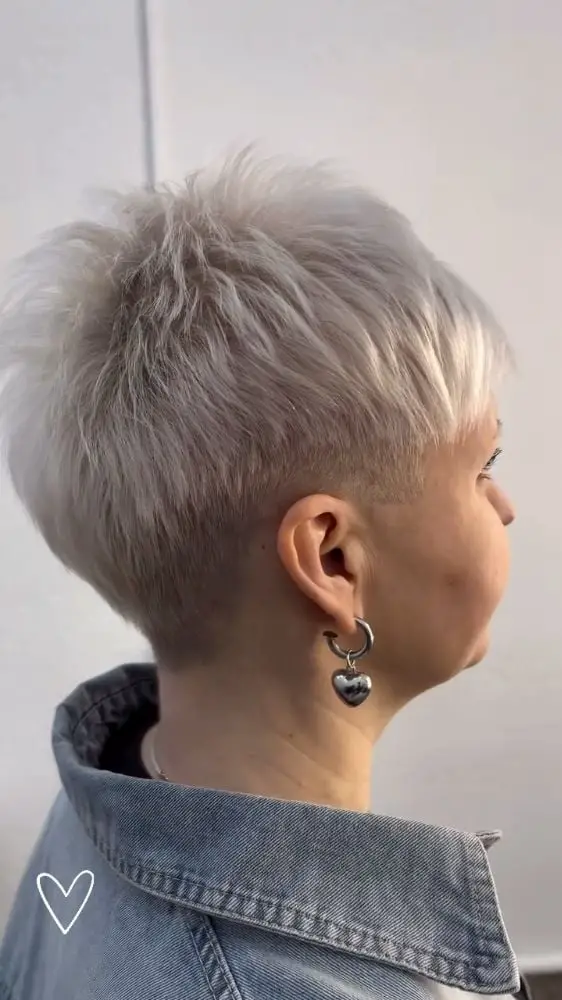
Shaved sides on a pixie create a clear boundary between the bare skin and the volume on top, and that contrast defines the cut. The silvery blonde color here is cool and even, which makes the regrowth line more visible than a darker shade would. Fine, straight hair works well because the top layers can be cut into a dense, voluminous shape that stands up without heavy product. Ask your stylist for: silvery blonde pixie with shaved sides and voluminous top. Shaved areas need a clipper touch-up every two to three weeks to keep the line sharp, and the color requires a salon toning appointment every four weeks to avoid a yellow cast at the roots.
Black Pixie With Textured Wavy Layers
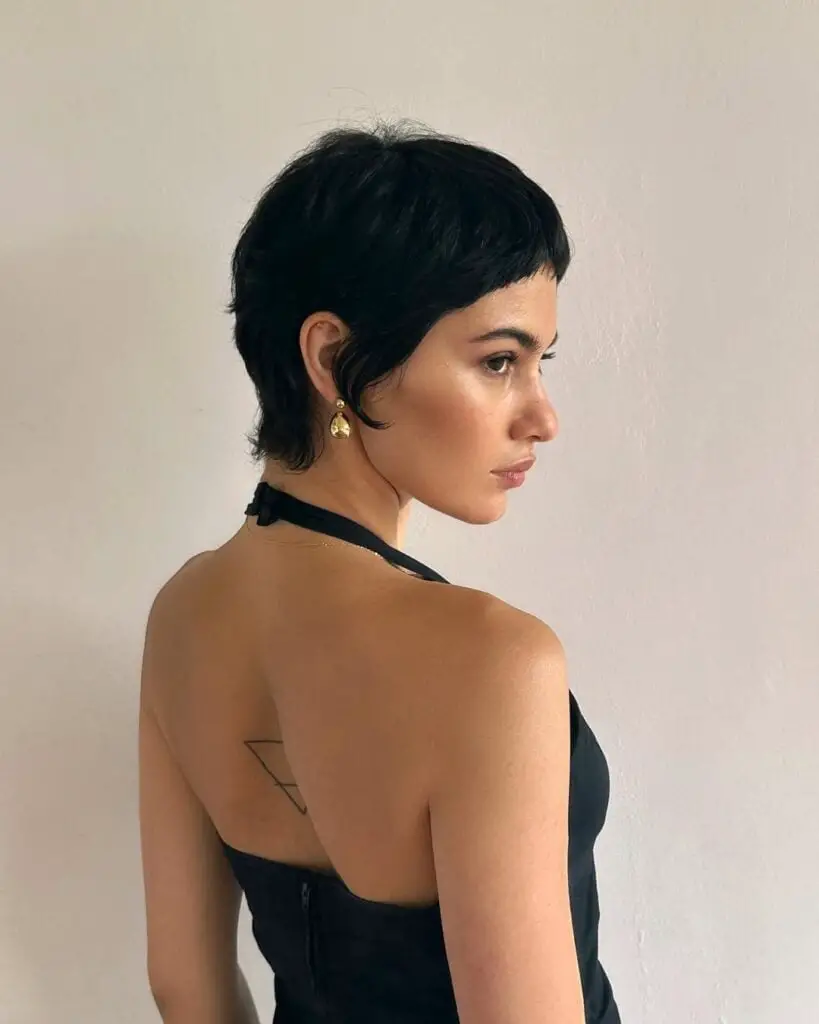
Building a pixie on dense wavy hair means working with the texture rather than fighting it, and the technique here relies on short sides and a side part to direct the wave pattern. The black color is deep and even, so the shape reads clearly without color distraction. Ear-length layers are cut to follow the natural wave, not to force a straight line. Ask your stylist for: black pixie with textured wavy layers and short sides. A curl-defining cream applied to damp hair and air drying is enough to maintain the shape; a diffuser speeds things up but is not necessary. A trim every six weeks keeps the side shape clean and the top layers from getting too heavy for the wave to lift.
Dark Brown Pixie With Contrast Highlights, ухо
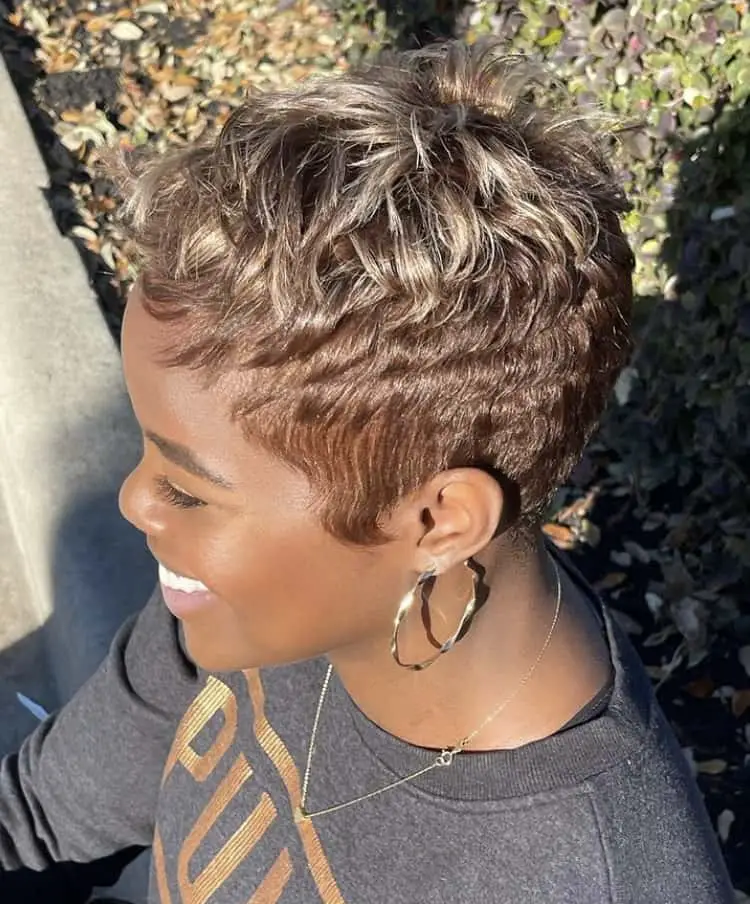
How do you ask for color that looks deliberate without sounding like you walked in with a Pinterest board? The answer is in the placement: contrast highlights that sit on the top layers and the fringe, leaving the underlayers dark to create depth. The dark brown base here is rich and cool, and the lighter pieces are fine and spaced wide enough to read as highlights, not stripes. Dense wavy hair benefits from this because the texture breaks up the color and keeps it from looking blocky. Ask your stylist for: dark brown pixie with contrast highlights and textured wavy layers. The key points are a side part and short, textured bangs that let the highlights fall forward.
Final Thoughts
Fine hair: keep the top textured and the sides closer, and skip heavy layers that pull weight downward. Thick hair: put the layering at the perimeter so the volume has somewhere to go. Round face: let the length fall below the chin. Square face: soft layers around the jaw.
- Trim every four to six weeks to hold the shape.
- Work texturizing paste through the top for definition.
- Mist a thermal spray before any heat styling.
- Wash every day or every other day so styling stays predictable.
The right pixie cut makes a statement.