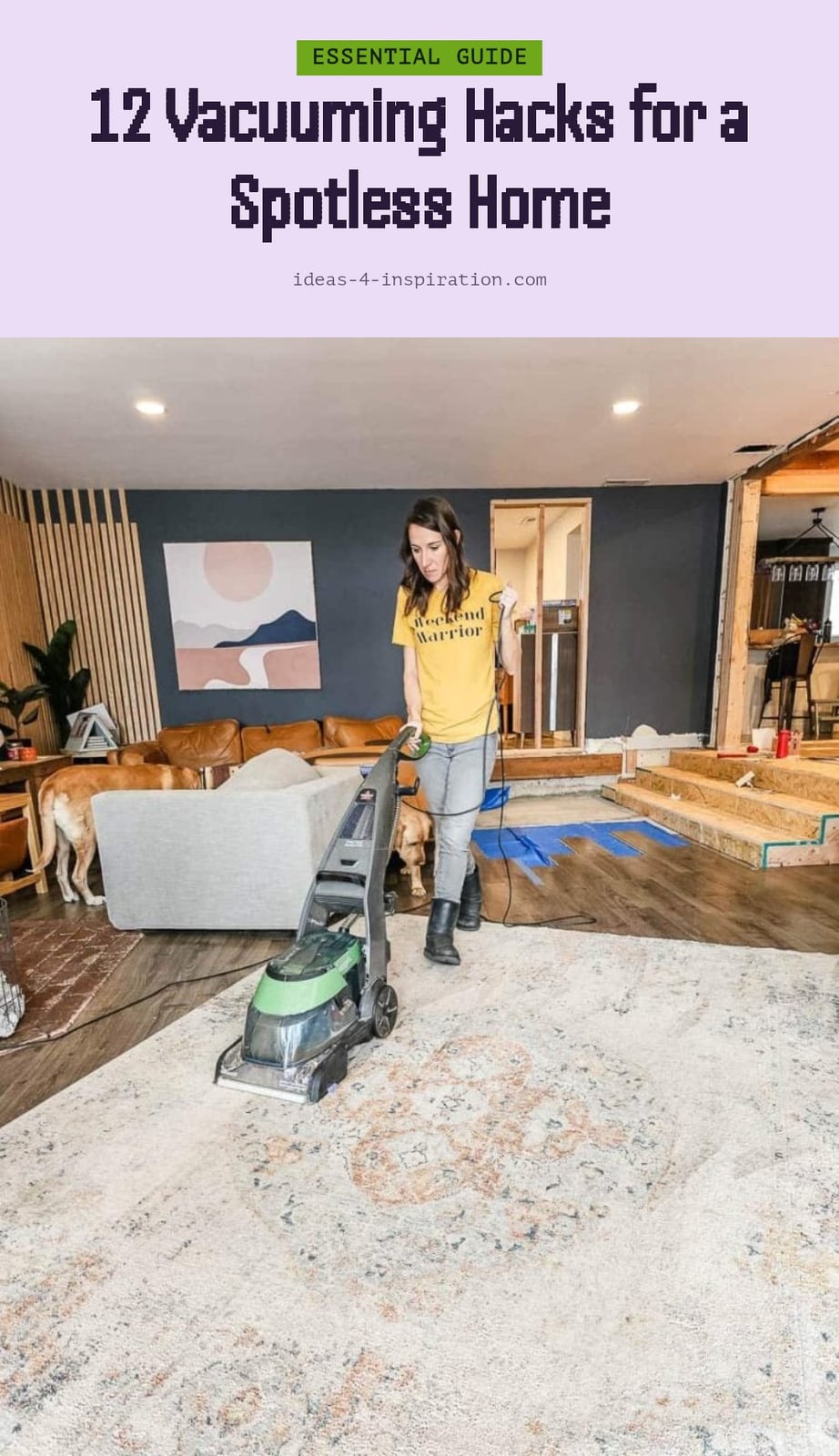
You know that feeling when you vacuum and it still looks like there’s dust lurking in the corners? I’ve been there. The secret to a truly spotless floor isn’t just about how often you run the machine; it’s about how you do it. I’ve gathered the best vacuuming hacks that go beyond the basics, from adjusting your speed to mastering the right attachments. Whether you’re dealing with high-traffic areas or pet hair, these tips will help you get a deeper clean and make your vacuum last longer.
Key Takeaways
- Vacuum slowly and overlap each pass by half the head width for a deeper clean.
- Empty the dustbin at two-thirds full to maintain strong suction.
- Clean or replace filters every 3 to 6 months for better air quality.
- Adjust the vacuum height to match your carpet pile for effective cleaning.
- Check the brush roll for tangled hair before each use to prevent damage.
1. Vacuum Slowly for a Deeper Clean
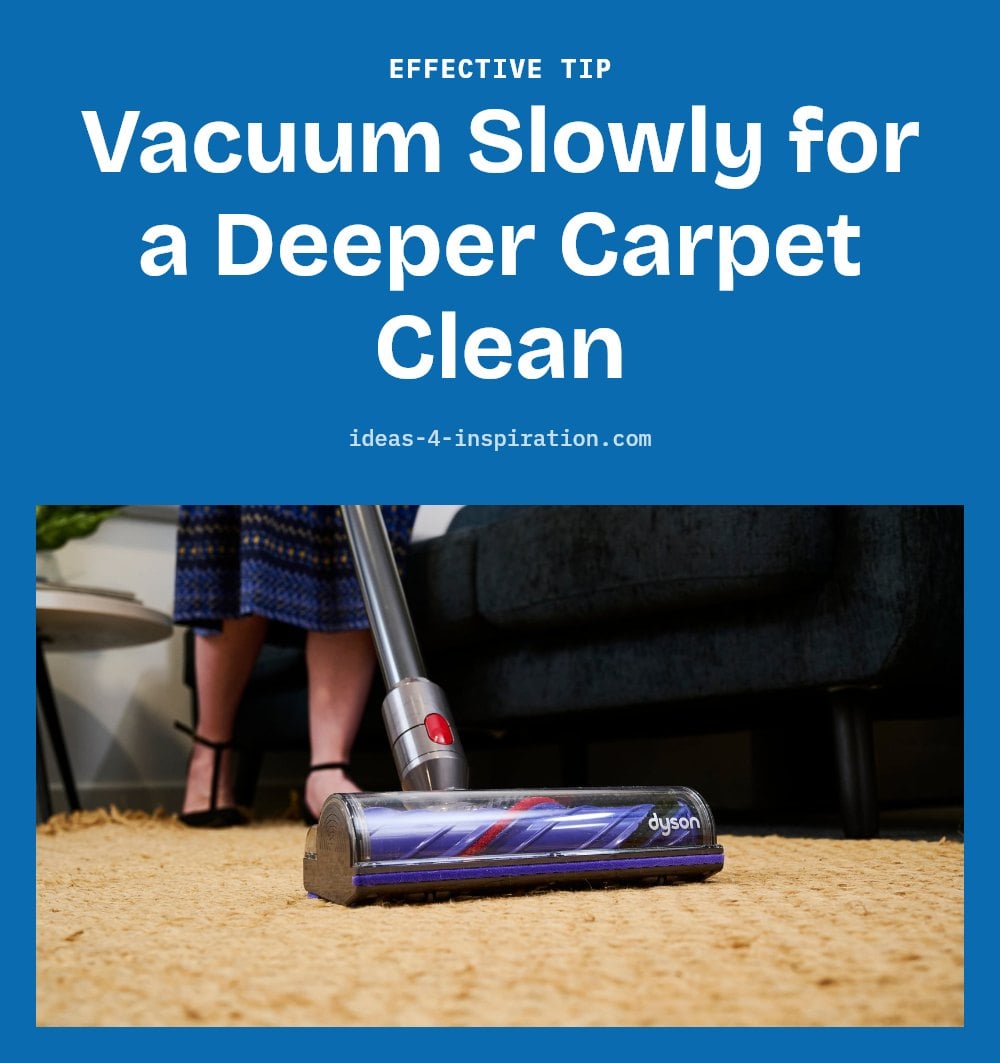
Slow down your passes so the machine has time to agitate the fibers and then pull the loosened dirt out. A quick glide over the surface mostly picks up what’s sitting on top.
This matters most in high-traffic zones, where grit gets pressed deep into the carpet and needs more passes to come free. Spend your extra seconds at doorways and in front of the sofa rather than in the middle of the room.
My tip: Think of it as a deliberate workout for your floors, not a race.
2. Overlap Your Passes
Run each pass so it overlaps the previous one by about half the width of the cleaning head. That way the edge of the machine, which picks up less, always crosses ground the center already covered.
The result is a more uniform clean with no faint stripes of untouched carpet left between lanes. It also covers you when you drift slightly off a straight line.
My tip: Pick a lane along one wall and work across the room in parallel strips, keeping that half-head overlap on every turn. The pattern makes missed patches easy to spot.
3. Empty Your Dustbin Often
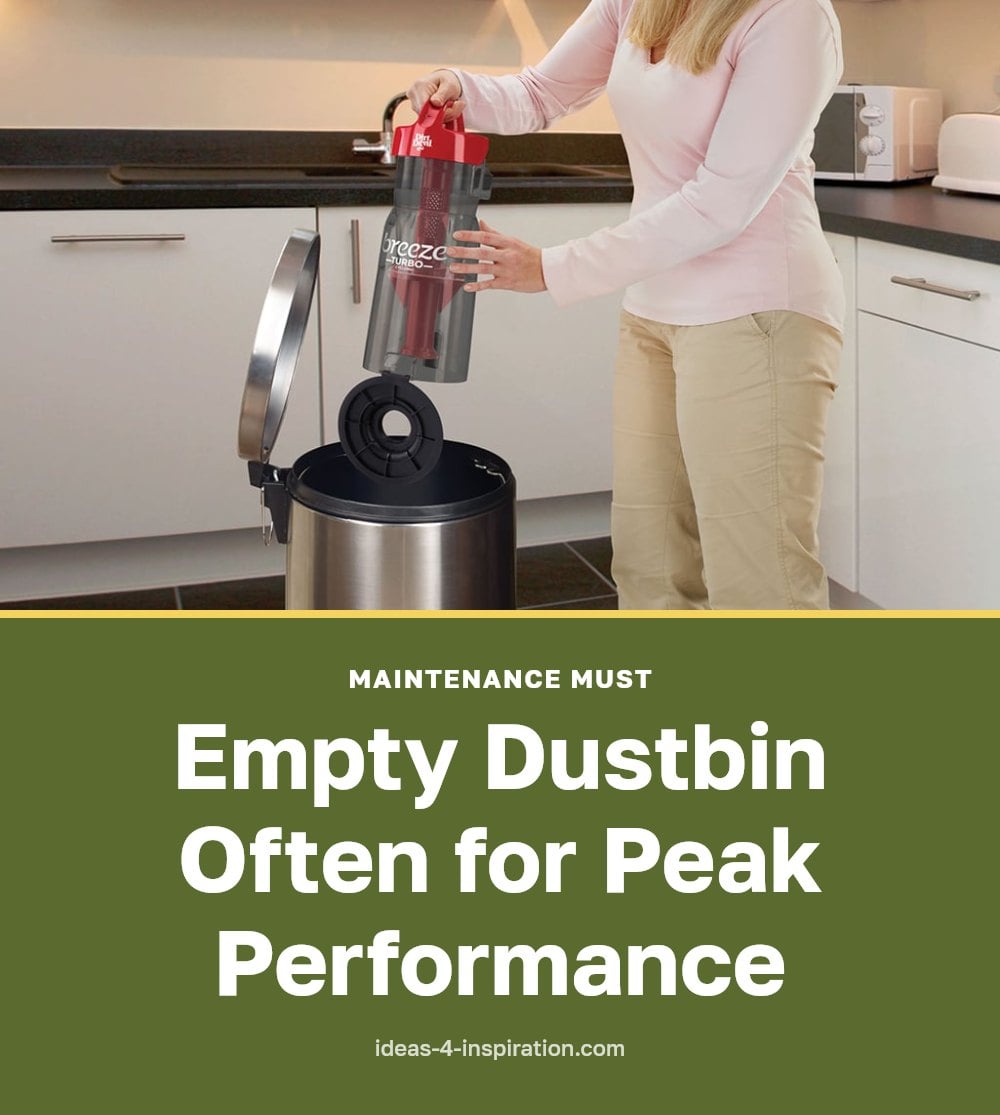
Empty the bag or canister once it hits about two-thirds full, not when it’s packed. A full dustbin blocks airflow, and reduced airflow means reduced suction, so the vacuum starts pushing dirt around instead of lifting it.
On a big job, check the fill level halfway through the house rather than at the end. It takes seconds and keeps the machine pulling at full strength.
Tip: Don’t wait until it’s overflowing. Regular emptying keeps your vacuum happy and working hard.
4. Clean or Replace Filters Regularly
Clean or replace the filters every 3 to 6 months, or on the schedule in your manual. Clogged filters cut suction and can blow fine dust back into the room, which works against the whole point of vacuuming.
If you have pets or allergies, check them more often and rinse washable ones as directed, letting them dry fully before they go back in.
This is one of those small tasks that makes a big difference in your home’s air quality, trust me.
5. Use the Right Attachments
Swap out the wide floor head for the right attachment and you will see an immediate difference. The crevice tool reaches into tight corners and along baseboards where dust hides. The dusting brush has soft bristles that are safe for blinds, lampshades, and delicate surfaces. For upholstery, the dedicated tool lifts pet hair and crumbs without damaging fabric. I have found that keeping the attachments within reach means I actually use them, and the whole house gets cleaner.
6. Vacuum Carpets in Two Directions
Run the vacuum north to south first, then go over the same area east to west. The two-direction approach agitates carpet fibers from multiple angles, releasing dirt that a single pass leaves behind. It sounds like extra work, but the difference in how clean the carpet feels is amazing. Focus on high-traffic zones where grit gets ground deepest into the pile.
7. Adjust Vacuum Height for Carpet Pile
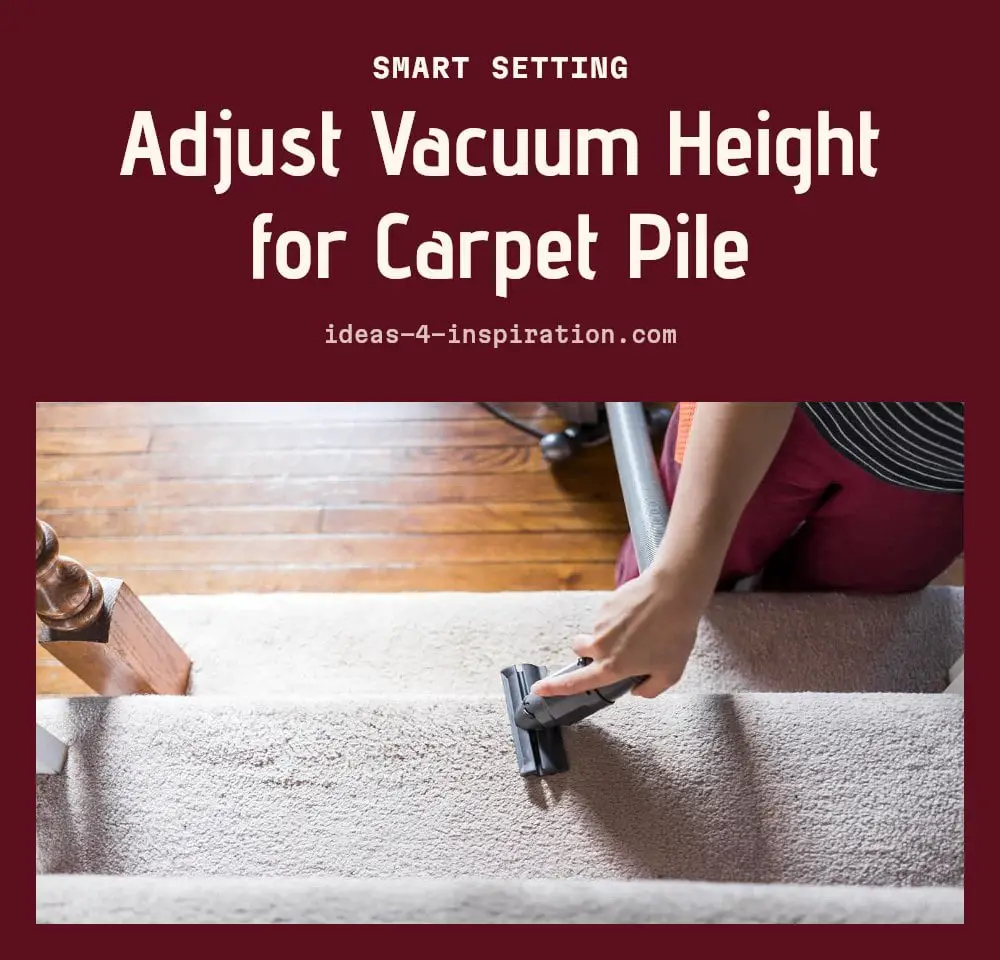
Look for the height adjustment dial or lever on your vacuum and set it to match your carpet pile. Good to know: Find the sweet spot where the vacuum glides easily but still feels like it is grabbing the carpet. If the head is too low, you will struggle to push it and risk damaging the fibers. Set too high, the brush barely touches the surface and leaves dirt behind. Adjust it each time you move between a low-pile rug and a plush carpet.
8. Check and Clean the Brush Roll
Before you start, flip the vacuum over and check the brush roll for tangled hair, thread, or string. Wrapped debris stops the bristles from agitating the carpet and can strain the motor over time. I always do a quick check. It saves so much hassle later on. Use scissors to snip away any tangles, then pull them free. This one-minute habit keeps the vacuum cleaning at full power.
9. Vacuum from Furthest Point to Exit

Start in the corner farthest from the door and work your way toward the exit. This way you never walk across a spot you just cleaned, so no fresh footprints or tracked-in dirt land on it. It is a simple pattern change that keeps your hard work intact until you leave the room.
10. Pre-Treat Stubborn Stains
Spray or sprinkle a stain remover onto set-in spots before you run the vacuum. Let it sit for a few minutes so it can break down the dirt, then go over the area with the vacuum. Pro move: Always test any stain remover in an inconspicuous area first to make sure it will not discolor the carpet.
11. Vacuum Regularly
Aim to vacuum at least once a week. That frequency stops dirt and allergens from building up and grinding into carpet fibers, which can wear them out faster. For hallways, entryways, or homes with pets, bump it to two or three times a week. Consistent sessions also mean less work each time because the floor never gets heavily soiled.
12. Protect Your Vacuum from Damage
Unplug the vacuum before you clear a clog, clean the brush roll, or change a belt. That small step prevents accidental starts and keeps you safe. Also, pick up coins, glass shards, and large debris by hand before you vacuum. I have learned the hard way that a little caution goes a long way in prolonging your vacuum’s life.
Frequently Asked Questions
Can I vacuum up water or liquids?
No, you should never vacuum up water or liquids with a standard vacuum cleaner. Doing so can cause electric shock and damage the machine. If you have a wet spill, use a mop or a specialized wet/dry vacuum designed for that purpose. Always check your vacuum’s manual to see what it can handle.
What’s the best way to vacuum pet hair?
For pet hair, use a vacuum with a pet hair attachment or a rubber brush that can grab hair from carpets and upholstery. Before vacuuming, you can also use a rubber glove or a squeegee to loosen embedded hair. Vacuum slowly and in overlapping passes to pick up the most hair, and check the brush roll for tangles afterward.
How do I know if my vacuum filter needs cleaning?
You’ll notice a drop in suction power, or you might see dust escaping from the vacuum. Some vacuums have a filter indicator light. As a general rule, clean or replace filters every 3 to 6 months, or more often if you have pets or allergies. If the filter looks visibly dirty or clogged, it’s time to clean it.
What are the different types of vacuum cleaners?
There are several types, including upright vacuums, which are great for carpets, canister vacuums that are versatile for hard floors and stairs, stick vacuums that are lightweight and easy to store, and handheld vacuums for quick cleanups and small messes. Each has its strengths, so choose one that fits your home’s flooring and your cleaning needs.
Is it better to vacuum fast or slow?
Slow is definitely better. Vacuuming slowly gives the machine more time to agitate the carpet fibers and suck up the loosened dirt. A quick pass mostly picks up surface debris. For a deeper clean, especially in high-traffic areas, take your time and let the vacuum do its job.
How often should I vacuum my home?
For most homes, vacuuming at least once a week is recommended to prevent dirt and allergens from building up. If you have high-traffic areas like hallways or entryways, or if you have pets, you should vacuum two to three times a week. Adjust the frequency based on how quickly your floors look dirty.
Final Thoughts
My tip: Make a habit of checking your vacuum’s brush roll and emptying the dustbin before you start a big cleaning session. It takes seconds and saves you from a clogged machine later. And remember, consistency matters more than perfection. A weekly vacuum, with a bit more attention to high-traffic zones, will keep your floors looking great without turning cleaning into a full-time job. So grab your vacuum, slow down, and enjoy the difference these small changes make.